The American Southwest, a region defined by its arid landscapes and historical struggles with water scarcity, has been forced to confront a brutal paradox: the devastating reality of receiving too much of a good thing. Over the past several weeks, a series of relentless storm systems has swept across Arizona, New Mexico, Utah, and Colorado, delivering unprecedented volumes of precipitation that have overwhelmed local infrastructure, claimed at least four lives, and left communities grappling with the dual challenges of immediate disaster relief and long-term climate adaptation.
The sheer scale of the meteorological event is difficult to reconcile with the region’s historical norms. In Clovis, New Mexico, for instance, the period starting September 20 saw a staggering 28.84 inches of rainfall—a figure that dwarfs the historical average for the entire year of roughly 3.3 inches. This deluge represents a significant departure from the norm, transforming dry creek beds into lethal torrents and testing the structural integrity of flood-control systems that were never designed to manage such rapid, high-volume saturation.
A Chronology of Extremes
The current crisis did not emerge in a vacuum. It follows a volatile autumn that began with signs of significant moisture accumulation. By late October, weather systems moving through the Rockies were already signaling a departure from the typical, drier fall weather. One particular storm system in late October, identified by researchers at the Colorado Climate Center, resulted in up to 8 inches of rainfall in high-elevation areas over a four-day span.
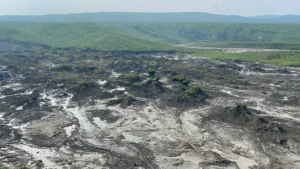
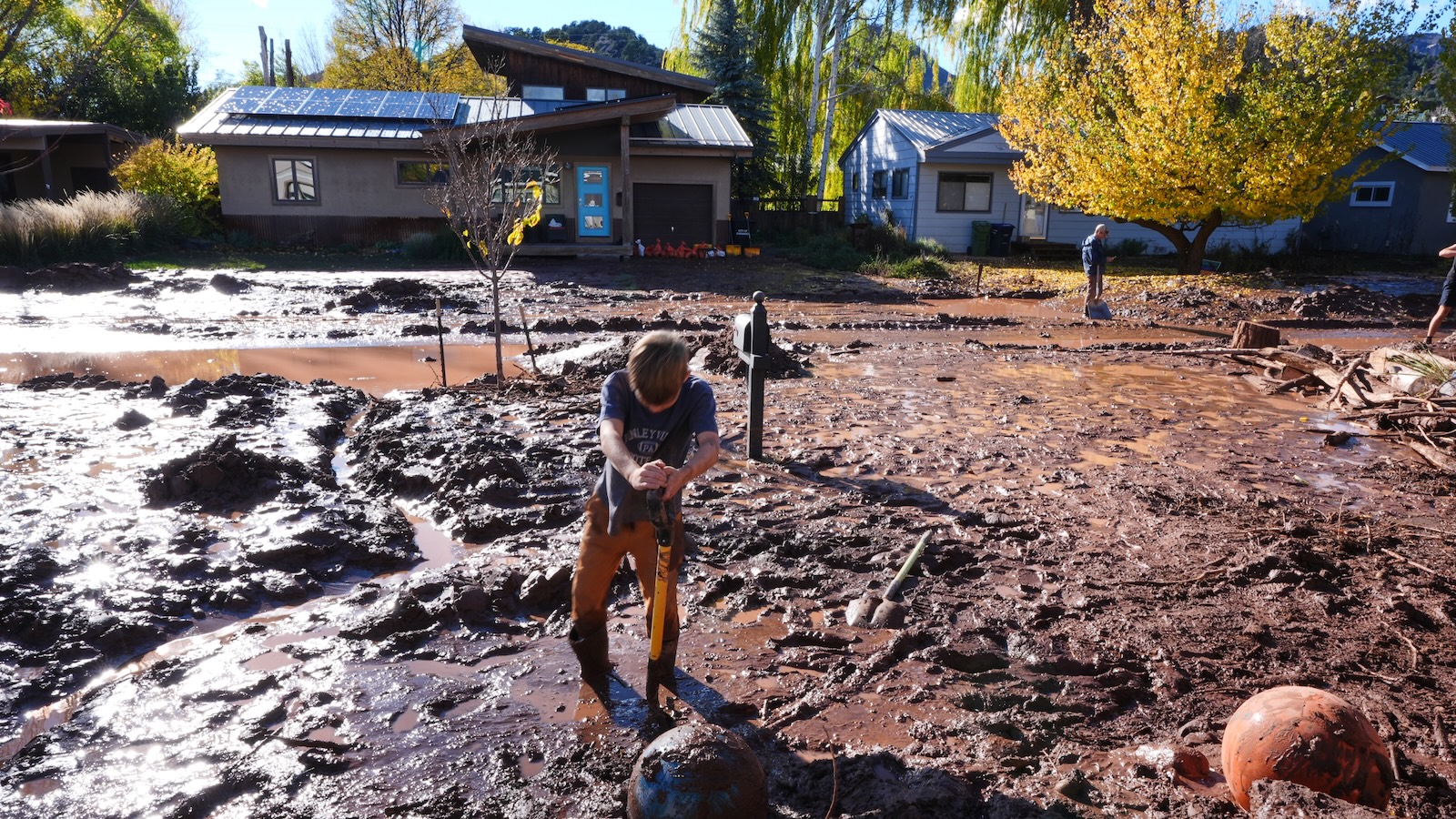
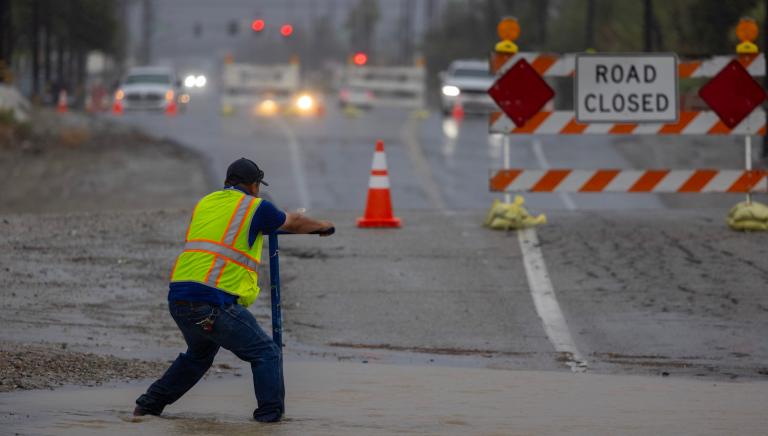
This initial pulse of moisture served to "prime" the landscape. In hydrologic terms, when soil is already saturated, its ability to absorb additional rainfall drops to near zero. Consequently, when the most recent, more intense systems arrived in November, there was nowhere for the water to go but across the surface. This rapid runoff triggered flash floods that caught residents and emergency services off guard. The mountainous topography of the Southwest acted as a natural funnel, concentrating rainfall into narrow canyons and basins, where the energy of the moving water caused widespread destruction of roads, bridges, and private property.
The El Niño Factor and Atmospheric Energy
Climatologists are increasingly pointing toward a potent, long-range driver for this volatility: a "super" El Niño. This phenomenon, characterized by an expansive band of anomalously warm water in the equatorial Pacific, acts as a massive engine for global weather patterns. According to the National Oceanic and Atmospheric Administration (NOAA), this particular El Niño is among the strongest on record.
"Could an event like this have happened in a non-El Niño year? It could have, but it would have been a lot harder to pull all of the ingredients together at the same time, and would have been a lot less likely," explained Michael A. Crimmins, a climatologist at the University of Arizona.
The mechanism is driven by thermodynamics. Warmer ocean waters inject significantly more energy into the atmosphere, which in turn increases the capacity for water vapor transport. As these warmer air masses move inland, they carry vast amounts of moisture that, when interacting with the high-altitude terrain of the Southwest, are forced to rise, cool, and dump their contents in short, violent bursts.
This same phenomenon is currently altering hurricane activity elsewhere in the country. While the Southwest struggles with excess rain, the Atlantic hurricane season has been uncharacteristically quiet. The same high-altitude wind patterns influenced by El Niño have effectively suppressed cyclonic activity in the Atlantic basin, resulting in a 2026 season that has seen only one major hurricane—a sharp contrast to the typical activity levels of previous years.
Data-Driven Implications for Water Management
The irony of the current situation is not lost on experts. While the flooding is undeniably catastrophic, the region has been mired in a multi-decadal drought that has brought the Colorado River’s primary storage facilities—Lake Mead and Lake Powell—to the brink of operational collapse.
Russ Schumacher, director of the Colorado Climate Center, notes that while the recent rains have provided a temporary infusion of water, they are not a cure for the systemic deficits that have plagued the river basin for decades. "It’s a long way to go to get even back to where we were a year ago," Schumacher remarked. "Let alone when it was in good condition decades ago."
The core issue remains the efficiency of water capture. Because the rain fell so quickly, much of the volume resulted in destructive runoff rather than useful storage. The ideal scenario for the Southwest is a consistent, high-altitude snowpack. Snow acts as a natural "battery," storing water throughout the winter and releasing it gradually during the spring melt, which allows for controlled management in reservoirs. With the region having experienced record-low snowpack levels earlier in the year, the priority remains the accumulation of a robust snowpack rather than the volatile, high-intensity rain events currently being experienced.
Strategic Shifts in Infrastructure
The frequency and intensity of these storms have prompted municipal planners and water agencies to rethink their urban strategies. The conventional approach—relying on concrete drainage systems designed to move water away from urban centers as quickly as possible—is increasingly viewed as insufficient and even counterproductive.
In cities like Tucson, Arizona, the focus is shifting toward Green Stormwater Infrastructure (GSI). These systems utilize "green" spaces, native vegetation, and permeable soil structures to slow, spread, and sink rainwater. By transforming these urban spaces into sponges, planners hope to mitigate the risk of flash flooding while simultaneously recharging local aquifers.
"There’s really cool and clever ways of thinking about stormwater as a resource, rather than a nuisance," Crimmins said. This philosophy acknowledges that in an era of climate instability, water is an asset that must be conserved, even when it arrives in dangerous, overwhelming quantities.
Broader Economic and Societal Impact
The socioeconomic implications of this weather pattern are profound. The Southwest is one of the fastest-growing regions in the United States, and the mounting demand for water is colliding with a climate that is becoming increasingly erratic. The economic cost of the recent flooding, while still being assessed, will likely involve hundreds of millions of dollars in infrastructure repairs and lost productivity.
Furthermore, the threat of flash flooding in mountainous areas remains a persistent danger for both residents and the tourism industry. The landscape itself serves as a testament to the power of water; as Crimmins pointed out, the presence of massive, out-of-place boulders in dry areas is a physical record of the "epic" flash floods that have shaped the region over millennia. The current events are a reminder that the Southwest’s geography is not static, and the human footprint on this landscape must adapt to a more volatile future.
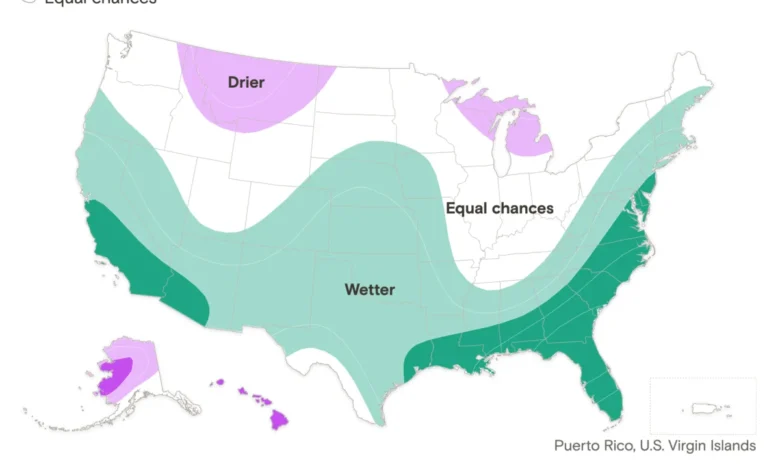
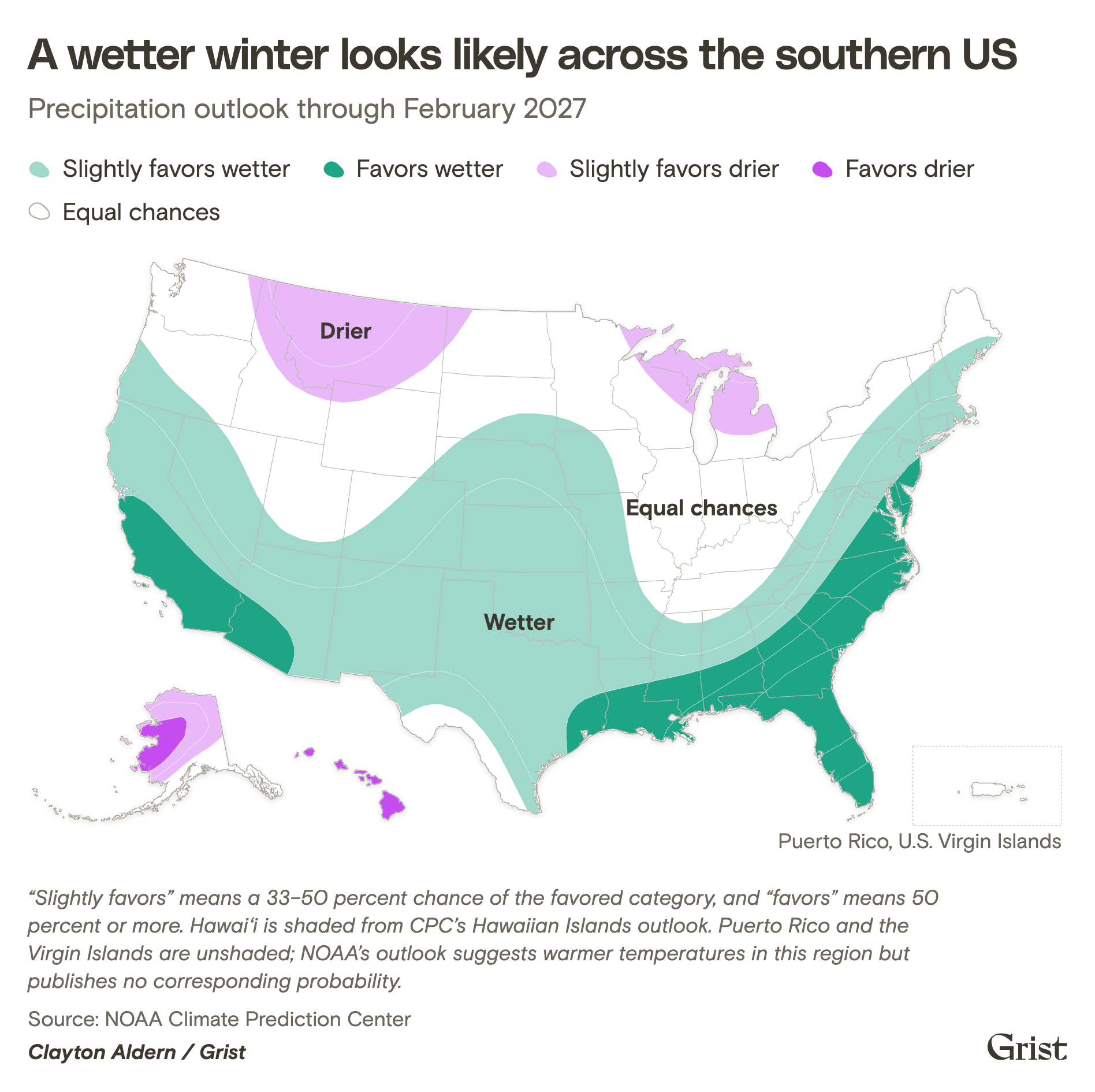
As the winter season progresses, NOAA’s seasonal outlooks remain a critical tool for residents and officials. Current projections suggest a continued trend toward wetter conditions across much of the Southern United States, providing a glimmer of hope for drought relief, provided that the water arrives in a manageable format. However, the events of this past month have served as a stark warning: the climate crisis is not just about rising temperatures; it is about the amplification of weather extremes that force societies to confront their vulnerabilities in real-time.
The path forward, according to most experts, requires a combination of aggressive climate mitigation and proactive, resilient infrastructure. As the Southwest navigates the remainder of this record-strength El Niño, the priority will remain the protection of life and property, while the longer-term goal will be to develop a more sophisticated relationship with the water that arrives from the sky—moving away from the view of rainfall as a simple hazard, and toward a future where it is managed with the precision that the changing environment demands.