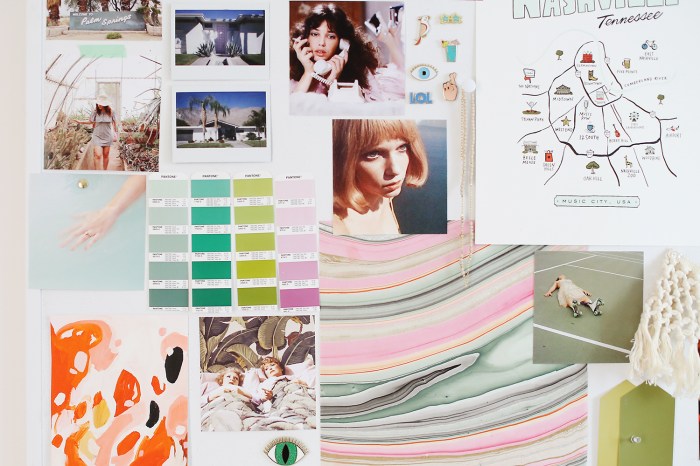
How my mood board keeps me inspired is a question I often get asked, and it’s one that I’m happy to answer. It’s not just about pretty pictures, it’s about tapping into a wellspring of creativity that’s always there, waiting to be unlocked.
I see my mood board as a visual map of my imagination, a place where I can explore different ideas, experiment with colors and textures, and ultimately, bring my creative visions to life.
Creating a mood board is like putting together a visual puzzle. It’s about gathering elements that speak to you, that evoke a feeling or a story. I love to include everything from inspiring quotes and magazine clippings to photographs I’ve taken myself.
It’s a dynamic process, constantly evolving as I add new elements and rearrange them to reflect my current inspiration.
Building Your Mood Board
A mood board is a visual representation of your ideas, inspirations, and goals. It can be a powerful tool for sparking creativity, organizing your thoughts, and bringing your vision to life. Building a mood board is an iterative process, allowing you to explore different concepts and refine your ideas as you go.
Choosing Themes
Defining the purpose of your mood board is the first step. Consider the project or goal you’re working towards. What are you trying to achieve? What kind of mood or feeling do you want to evoke? Once you have a clear understanding of your objectives, you can start brainstorming themes that align with your vision.
For example, if you’re designing a website for a fashion brand, your themes might include “modern,” “sophisticated,” “minimalist,” and “luxury.” If you’re planning a wedding, your themes might be “romantic,” “vintage,” “rustic,” or “tropical.”
Gathering Visuals
Once you have chosen your themes, it’s time to start gathering visuals. This is the most exciting part of the process! Explore various sources for inspiration, such as:
- Online platforms:Websites like Pinterest, Instagram, Behance, and Dribbble offer a vast collection of images, videos, and design elements. You can search for specific s related to your themes or browse through curated collections.
- Magazines and books:Flip through fashion magazines, design journals, or photography books to find images that resonate with you. Cut out or photograph the pages you like to add to your mood board.
- Nature and everyday life:Don’t underestimate the power of observation. Pay attention to the colors, textures, and patterns you encounter in your daily life. Take photos of things that inspire you, like a beautiful sunset, a unique architectural detail, or a vibrant street scene.
Selecting High-Quality Images
When choosing visuals for your mood board, prioritize high-quality images. This means selecting images with sharp resolution, vibrant colors, and well-composed framing. Here are some tips for selecting high-quality images:
- Resolution:Aim for images with a high resolution, typically at least 300 DPI (dots per inch) for print purposes or 72 DPI for digital use. This ensures that the images will look crisp and clear, even when enlarged or printed.
My mood board is a visual reminder of the things that bring me joy and keep me motivated. From vibrant sunsets to breathtaking landscapes, it serves as a constant source of inspiration. One of the most impactful images is a photo from our trip to Norway , where the majestic fjords seemed to stretch out forever.
That picture reminds me of the power of exploring new places and the beauty that exists in the world, which fuels my creativity and helps me stay inspired.
- Color:Choose images with vibrant and accurate colors that complement your themes. Consider the color palette you’re aiming for and select images that fall within that range.
- Composition:Look for images with strong composition and interesting visual elements. Avoid images that are cluttered or poorly framed. The composition of your images should be aesthetically pleasing and convey the desired mood.
Incorporating Diverse Elements, How my mood board keeps me inspired
A truly inspiring mood board is not limited to just images. Incorporate a diverse range of elements to spark new connections and push your creative boundaries. Consider adding:
- Text:Include quotes, song lyrics, or words that resonate with your themes. This can add depth and meaning to your mood board.
- Textures:Add physical textures like fabric swatches, paper samples, or natural elements like wood or stone. This can add a tactile dimension to your mood board and create a more immersive experience.
- Objects:Include small objects that relate to your themes, such as jewelry, toys, or vintage trinkets. This can add a personal touch and help to tell a story.
Mood Board as a Reference Point
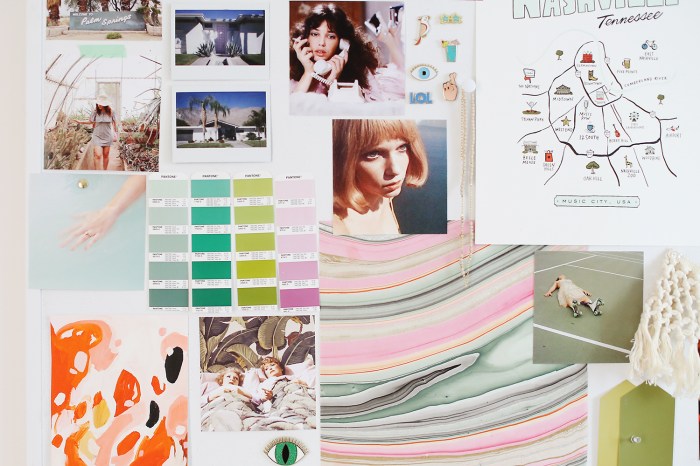
A mood board acts as a visual guide, offering a clear and concise representation of your vision and goals. It serves as a constant reminder of your desired direction, making it easier to make informed decisions and stay on track.
Visual Decision-Making Guide
A mood board provides a visual framework for decision-making. By compiling images, colors, textures, and other visual elements, you create a cohesive visual language that represents your project’s aesthetic and feel. This visual reference point helps you make consistent choices, ensuring that every element aligns with your overall vision.
“A mood board is a powerful tool for visualizing your ideas and making informed decisions about design, color palettes, and overall aesthetic.”
Staying Focused on Goals and Vision
A mood board acts as a visual anchor, keeping you focused on your goals and vision throughout the creative process. It serves as a constant reminder of your desired direction, helping you stay on track and avoid distractions. When you encounter challenges or feel lost, simply referring back to your mood board can reignite your inspiration and guide you back to your intended path.
Refining Ideas and Making Choices
Mood boards are valuable for refining ideas and making informed choices. By collecting and organizing visual elements, you can identify patterns, explore different possibilities, and experiment with various combinations. This process of visual exploration helps you refine your ideas, identify potential areas for improvement, and ultimately make more informed decisions.
“Mood boards encourage visual exploration, allowing you to experiment with different elements and refine your ideas before committing to a final design.”
My mood board is a visual reminder of my passions and aspirations, and it’s always inspiring to see my ideas come to life. Recently, I was drawn to a project for adding privacy to my home office with frosted glass.
I found a great tutorial on frosted pattern privacy glass diy that showed how to create custom patterns. Now, my office feels more serene and focused, which helps me stay inspired and productive.
The Impact of Mood Boards on Inspiration: How My Mood Board Keeps Me Inspired
Mood boards are a powerful tool for sparking creativity and unlocking new ideas. They act as visual springboards, offering a collection of diverse elements that can inspire fresh perspectives and propel your creative journey forward.
The Role of Mood Boards in Generating Ideas
Mood boards can help you break free from creative blocks and generate fresh concepts by exposing you to a wide range of visual stimuli. The process of assembling a mood board involves actively seeking out and selecting images, textures, colors, and other visual elements that resonate with your project.
This act of intentional curation can trigger unexpected connections and inspire new ideas.
My mood board is a visual reminder of my passions and goals, and it keeps me inspired to create and express myself. I find that seeing all my favorite things in one place, from vintage fashion to abstract art, fuels my creativity and helps me stay focused.
Right now, I’m particularly inspired by the iclothing black friday deals first get huge discounts sign , which reminds me to keep an eye out for new trends and affordable ways to update my wardrobe. It’s all about finding inspiration everywhere, even in the most unexpected places, and using it to fuel my personal style.
- Exposure to Diverse Stimuli:A mood board acts as a visual library, bringing together elements from various sources. This exposure to diverse stimuli can stimulate your imagination and spark new ideas that you might not have considered otherwise. For example, a mood board for a fashion design project might include images of vintage clothing, contemporary architecture, and natural landscapes.
The juxtaposition of these disparate elements could lead to unexpected and innovative design concepts.
- Visual Brainstorming:The process of assembling a mood board is essentially a visual brainstorming session. By pinning up and arranging images, you’re engaging in a hands-on exploration of ideas. This physical interaction with visual elements can be more intuitive and stimulating than traditional brainstorming techniques.
You might find yourself making connections between images that you wouldn’t have noticed if you were simply looking at them on a screen.
- Uncovering Hidden Patterns:As you curate your mood board, you may begin to notice patterns and themes emerging from the collection of elements. These patterns can provide valuable insights into your project’s core ideas and aesthetic direction. For instance, a mood board for a website design might reveal a recurring theme of minimalism and clean lines, guiding the overall design direction.
Mood Boards in Action
Mood boards are not just for visual inspiration; they are dynamic tools that help us visualize and refine our ideas. Let’s dive into a practical example of how a mood board can be used to bring a project to life.
Website Design Mood Board for a Sustainable Fashion Brand
This mood board focuses on designing a website for a sustainable fashion brand. It aims to convey the brand’s values of eco-consciousness, ethical production, and timeless style.
| Image | Color | Texture | Description |
|---|---|---|---|
| A photograph of a woman wearing a simple, elegant dress made from natural fabrics, with a backdrop of a lush green forest. The woman’s expression is confident and relaxed. | Earthy tones like deep greens, browns, and beige, with accents of natural indigo blue. | Soft, natural textures like linen, cotton, and wood. | This image represents the brand’s commitment to natural materials and sustainable practices. The serene forest setting evokes a sense of peace and connection to nature. |
| A close-up shot of a hand-woven fabric, showcasing intricate details and the craftsmanship involved. | Warm, inviting tones of ochre, terracotta, and rust, with subtle hints of gold. | Rough, textured surfaces that highlight the handmade nature of the fabric. | This image emphasizes the brand’s focus on ethical production and the artistry behind its garments. The warm colors evoke a sense of comfort and quality. |
| A minimalist graphic design featuring geometric shapes and a clean, modern aesthetic. | A monochrome palette of black, white, and gray, with pops of color from the brand’s logo. | Smooth, sleek surfaces that reflect a contemporary design sensibility. | This graphic element represents the brand’s commitment to timeless style and minimalist design. The use of geometric shapes creates a sense of balance and order. |
| A text snippet from a blog post about sustainable fashion practices, highlighting the importance of conscious consumption and ethical sourcing. | Neutral tones with subtle accents of green to reinforce the eco-friendly message. | The text itself creates a tactile experience, evoking a sense of learning and engagement. | This text snippet reinforces the brand’s core values and connects with consumers who are interested in ethical fashion. The use of a blog post format creates a sense of authenticity and transparency. |
The website design should be clean, modern, and easy to navigate. It should incorporate natural elements and textures to reflect the brand’s values. The color palette should be earthy and inviting, with pops of color to add visual interest. The overall message conveyed by the mood board is one of quality, sustainability, and timeless style.
Mood Boards and Personal Growth
Creating and using mood boards can be a powerful tool for personal growth and self-discovery. It’s not just about visual inspiration; it’s about exploring your inner world, understanding your aspirations, and gaining clarity on your creative vision.
Exploring Your Interests
A mood board can act as a visual journal of your interests, helping you identify and explore your passions. You can gather images, quotes, and textures that represent your hobbies, dreams, and aspirations. This process of collecting and organizing visual elements can reveal hidden interests and spark new ideas.
For example, you might discover a passion for vintage fashion while collecting images for a mood board related to interior design.