
Color Story Filters: How to Make Colors Pop
The strategic application of color story filters is paramount for photographers and videographers seeking to evoke specific emotions, enhance visual appeal, and create a cohesive, memorable aesthetic. These filters are not merely overlays; they are sophisticated tools that manipulate hue, saturation, and luminance to guide the viewer’s eye and communicate a narrative. Understanding the psychology of color, the technical nuances of filter application, and the principles of visual harmony is crucial for unlocking their full potential and achieving truly captivating results. This article will delve into the methodologies and techniques for creating impactful color stories, ensuring your visuals command attention and resonate deeply with your audience.
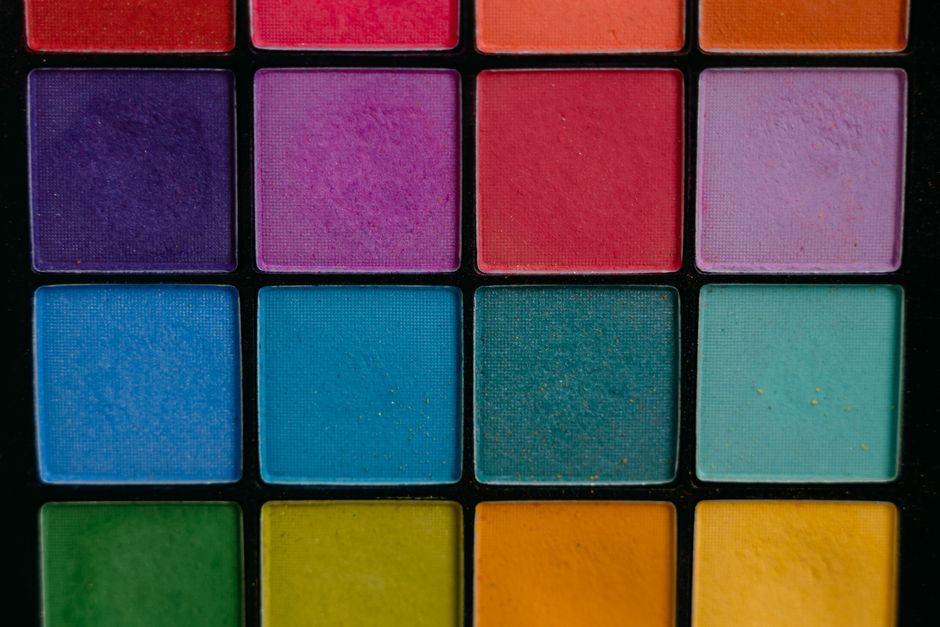
The foundation of any effective color story lies in a deliberate choice of color palette. This palette dictates the overall mood and feeling of your imagery. Warm color palettes, dominated by reds, oranges, and yellows, naturally evoke feelings of energy, passion, happiness, and urgency. They are ideal for subjects like vibrant sunsets, bustling markets, or energetic portraits. Conversely, cool color palettes, comprising blues, greens, and purples, foster a sense of calm, serenity, tranquility, and professionalism. These are often employed for landscapes, moody portraits, or corporate branding. Neutral palettes, including blacks, whites, grays, and beiges, offer a sophisticated and timeless feel, emphasizing form, texture, and simplicity. They can also serve as a strong foundation for accent colors to truly pop. The key is to select a palette that aligns with the intended message and emotional response you aim to elicit. Consider the subject matter itself: a vibrant bouquet of flowers might naturally lend itself to a more saturated, warm palette, while a quiet forest scene might benefit from cooler, desaturated tones. Researching color psychology can provide invaluable insights into the emotional impact of different hues. For instance, red is often associated with danger and excitement, blue with trust and stability, and green with nature and growth.
Once a foundational palette is established, the concept of color harmony becomes central to creating visually pleasing and impactful imagery. Color harmony refers to the pleasing arrangement of colors in a composition. Analogous colors, which sit next to each other on the color wheel (e.g., blue, blue-green, green), create a sense of unity and tranquility. Complementary colors, positioned directly opposite each other (e.g., blue and orange), offer high contrast and visual excitement. Split-complementary colors provide a slightly softer contrast than direct complements, using two colors adjacent to the complement of a base color. Triadic colors form an equilateral triangle on the color wheel, offering vibrant and balanced harmonies. Understanding these relationships allows for intentional layering and contrast within your color story. For example, using a predominantly blue and green analogous scheme with a strategically placed orange accent can draw the viewer’s eye precisely where you intend. The intensity and saturation of these colors will further refine the impact.
The practical application of color story filters typically occurs in post-processing software, such as Adobe Lightroom, Photoshop, or specialized mobile editing apps. Within these programs, various tools allow for precise color manipulation. The HSL (Hue, Saturation, Luminance) panel is your primary arsenal. Hue refers to the pure color itself (e.g., red, blue). Saturation determines the intensity or purity of that color. Luminance, or brightness, controls how light or dark a color appears. By selectively adjusting these parameters for specific color ranges, you can sculpt your color story. For instance, to make blues pop in a sky, you might increase their saturation and slightly boost their luminance. To create a warm, golden hour effect, you would selectively boost the saturation and luminance of yellows and oranges while potentially desaturating or shifting blues towards cooler tones.
Selective color adjustments are a powerful technique for emphasizing particular elements and creating a deliberate visual hierarchy. Instead of applying a blanket filter to the entire image, you can target specific color ranges. For example, in a portrait where the subject’s eyes are a striking blue, you can isolate the blue channel, increase its saturation, and perhaps slightly darken its luminance to make them the undisputed focal point. This technique is incredibly effective for drawing attention and storytelling. Similarly, if you have a red car in a predominantly green landscape, selectively enhancing the red will make it stand out dramatically. This requires precision; over-saturation can lead to unnatural and garish results. It’s about enhancement, not exaggeration beyond believability unless that is the intended stylistic choice.
Contrast is a fundamental element in making colors pop and adding visual dynamism. Color contrast can be achieved not only through complementary colors but also through differences in saturation and luminance. A highly saturated color placed against a desaturated background will instantly grab attention. Similarly, a bright highlight against a dark shadow creates contrast and depth. When applying color story filters, consider how your color choices will interact to create these contrasts. If your primary color story is muted and desaturated, introducing a single, intensely saturated accent color can have a dramatic impact. Conversely, in a vibrant, saturated scene, carefully controlled desaturation of background elements can help your primary subjects stand out.
White balance is another critical, often overlooked, aspect of color storytelling. The white balance setting dictates the overall color temperature of your image, whether it leans warm (yellowish) or cool (bluish). Incorrect white balance can undermine your intended color story. For instance, if you aim for a cool, moody aesthetic, a naturally warm white balance will fight against this. Deliberately shifting the white balance can be a powerful tool. Shooting in RAW format provides maximum flexibility, allowing you to adjust white balance in post-processing without significant degradation of image quality. Experimenting with subtly warming or cooling your image can drastically alter its mood and the way your chosen colors are perceived.
Color grading is the sophisticated art of manipulating color to achieve a specific aesthetic or convey a particular emotion. It goes beyond simple adjustments and involves a holistic approach to color. This often involves creating custom LUTs (Look-Up Tables) that define specific color transformations. While advanced, understanding the principles of color grading allows you to create unique and consistent color stories across multiple images or video clips. Common color grading styles include teal and orange (popular in cinema for creating distinct warm and cool regions), cinematic desaturation (giving a dramatic, moody feel), and vintage tones (emulating the look of old film). The goal is to create a cohesive and intentional visual language.
The concept of luminance contrast within color is also crucial. This refers to the difference in brightness between colors. A bright yellow next to a dark blue will have a high luminance contrast, making both colors appear more vibrant. Conversely, two colors with similar luminance values, even if they are complementary hues, will have less impact. When aiming to make colors pop, consider the luminance relationships. You can often achieve this by subtly boosting the brightness of lighter colors or darkening darker ones, all while maintaining their hue and saturation. This adds depth and dimension to your color story.
The role of light in conjunction with color story filters cannot be overstated. The quality and direction of light dramatically influence how colors are perceived. Soft, diffused light tends to render colors more subtly, while harsh, direct light can create strong highlights and shadows, intensifying colors. Understanding how your chosen light interacts with your subject and your intended color palette is essential. For example, golden hour light naturally saturates warm tones, making it an excellent time to shoot for a warm, energetic color story. Conversely, overcast days provide a neutral light source, offering a blank canvas for color manipulation.
Texture plays a subtle yet significant role in how colors are perceived. Highly textured surfaces can scatter light, potentially making colors appear less saturated. Conversely, smooth, reflective surfaces can amplify color intensity. When developing your color story, consider the textures present in your scene. You might use filters to enhance the vibrance of colors on a rough wool sweater or to create a glossy sheen on a metallic surface. The interplay between color and texture can add a rich sensory dimension to your visuals.
The intended platform and audience are vital considerations when developing a color story. Colors that appear vibrant on a high-resolution monitor might look dull on a mobile phone screen. Furthermore, cultural interpretations of color vary. What is considered positive in one culture might be negative in another. Understanding your audience’s visual preferences and the technical limitations of the platforms where your work will be displayed is crucial for ensuring your color story is effectively communicated. For social media, bold and high-contrast palettes often perform well. For fine art prints, more nuanced and subtle color stories might be preferred.
Mastering color story filters involves practice and experimentation. Don’t be afraid to push the boundaries and try different approaches. Analyze the work of photographers and filmmakers whose color stories you admire. Deconstruct their techniques to understand how they achieve their signature looks. Utilize presets and filters as starting points, but always strive to customize them to your unique vision. The goal is to develop an intuitive understanding of color and its power to communicate, captivate, and resonate. By meticulously applying these principles, you can transform ordinary images into extraordinary visual narratives that linger in the viewer’s memory.

