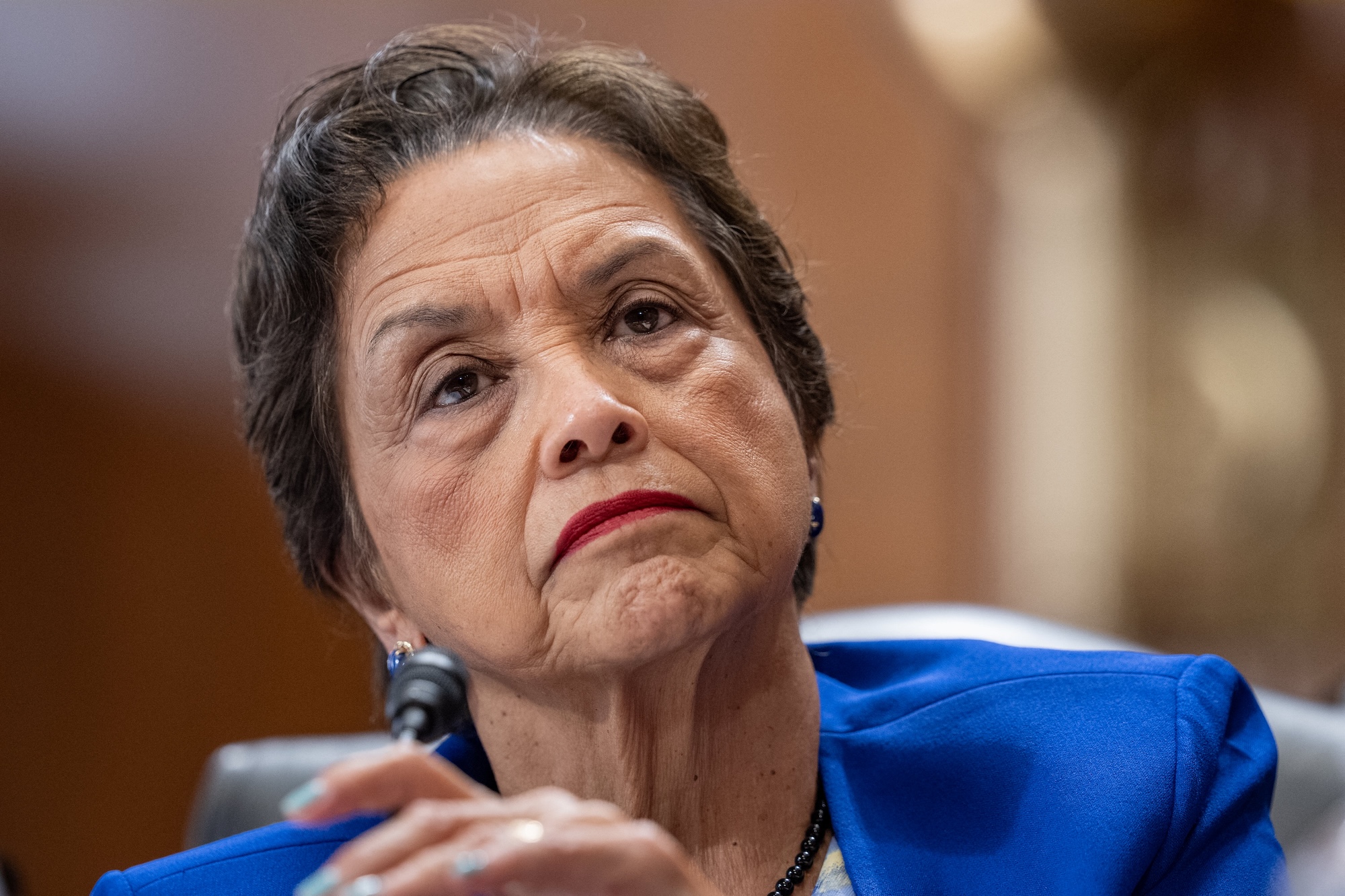
Lou Leon Guerrero, the governor of Guam, learned about the federal government’s plan to mine her people’s waters the same way most residents did: by reading the news. It was November 12 when her advisor forwarded a link to an article detailing that the Trump administration had quietly initiated plans to lease millions of acres of seafloor surrounding the U.S. Pacific territories to private mining interests. The shock was compounded by the fact that no prior communication had reached her office, leaving the leader of a U.S. territory to discover the potential industrialization of her ancestral waters through a journalist’s inquiry.
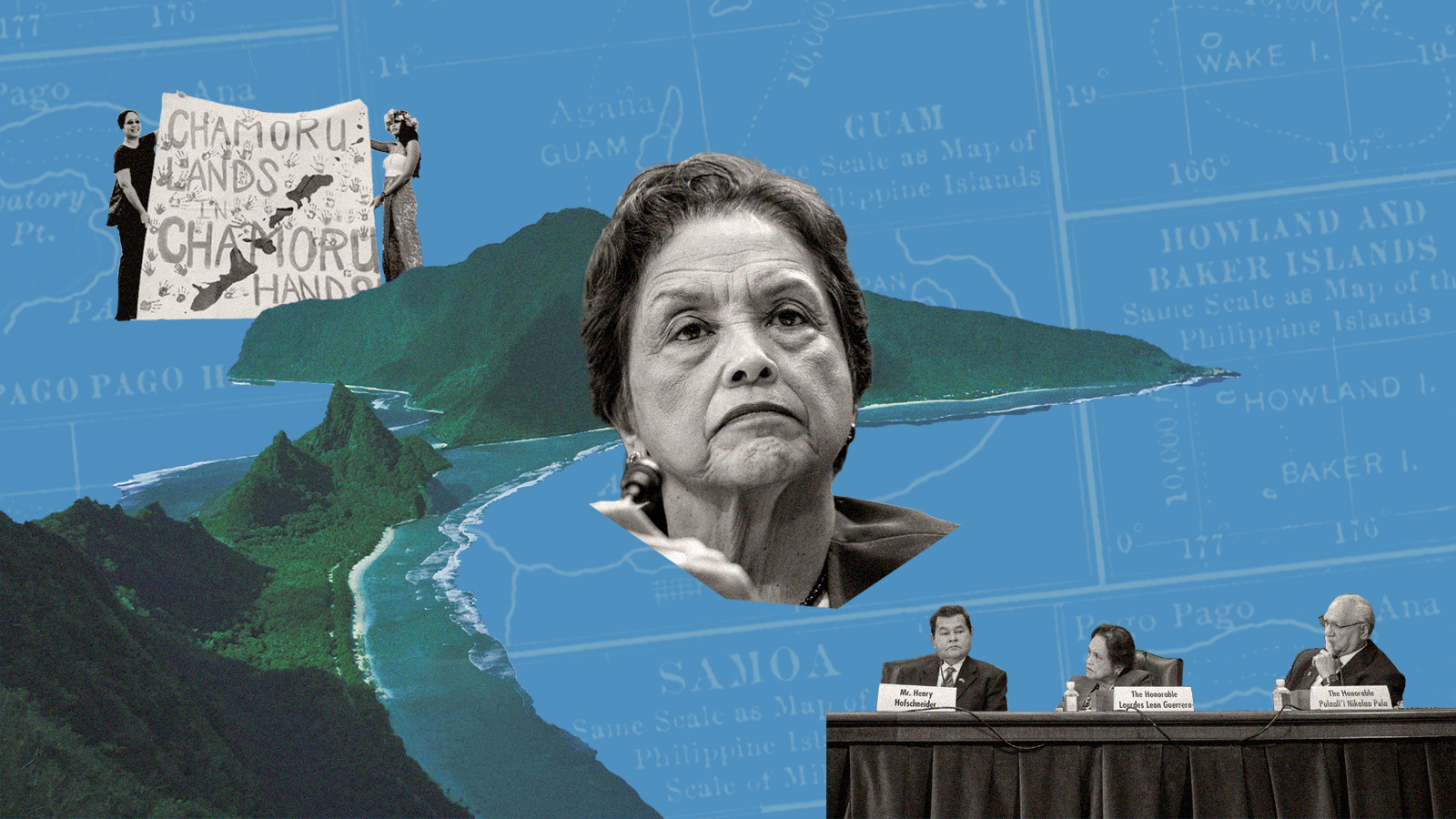
The administration’s push is part of an aggressive, centralized strategy to secure critical minerals—specifically copper, manganese, nickel, and rare earth elements—deemed essential for U.S. military technology and the transition to renewable energy storage. By positioning these resources as vital to countering Chinese global dominance in the supply chain, federal regulators have bypassed local consensus, triggering a constitutional and moral crisis regarding the rights of Indigenous Pacific islanders.
A Chronology of Unilateral Action
The federal government’s move into Pacific waters has been swift and largely devoid of local input. In July, the Marine Minerals Administration announced a competitive auction for exploration and mining rights covering 31 million acres of the continental shelf surrounding American Samoa. This announcement was followed just one month later by plans to auction 67 million acres across the Mariana Islands, encompassing the Commonwealth of the Northern Mariana Islands (CNMI) and Guam.

This timeline reveals a pattern of administrative acceleration. When territorial governors, including Leon Guerrero and the leadership of the CNMI, requested a 120-day extension to the public comment period to allow for local deliberation, federal officials granted only a 30-day window. Even as governors traveled to Washington, D.C., to express their opposition, the Bureau of Ocean Energy Management (BOEM) simultaneously doubled the acreage designated for potential mining, often without informing the local leadership of these expansions until after the fact.
The Colonial Framework and the Right to Consent
At the heart of the conflict lies the complex status of U.S. territories. Unlike neighboring Pacific nations such as Palau, Samoa, or the Cook Islands—which possess the sovereign authority to declare their waters off-limits or regulate extraction—Guam, American Samoa, and the CNMI are subject to federal plenary power. Under the Insular Cases and subsequent legal precedents, these territories remain under the jurisdiction of the United States without the full political rights of statehood.
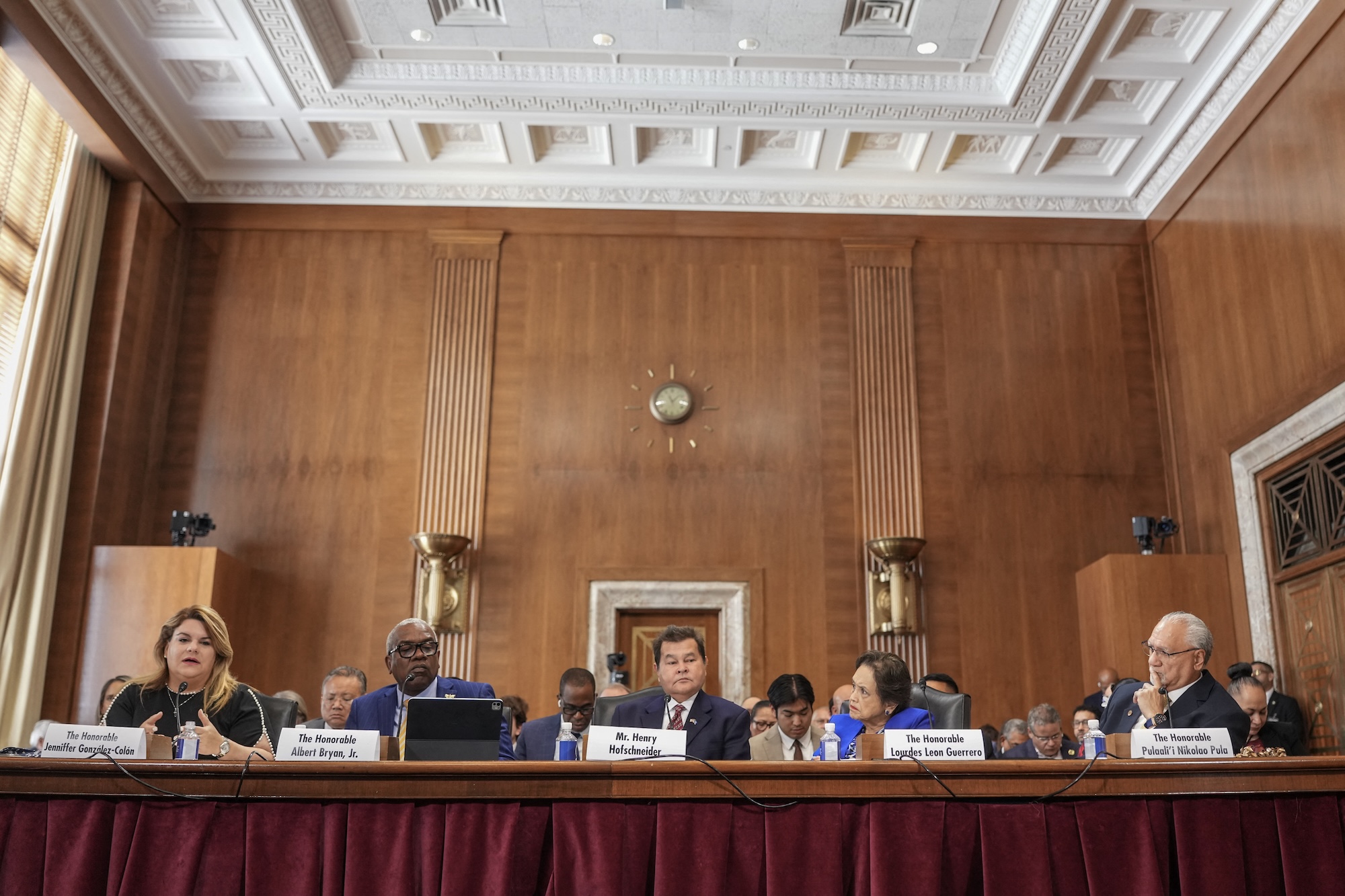
International norms, specifically the United Nations Declaration on the Rights of Indigenous Peoples (UNDRIP), advocate for the principle of Free, Prior, and Informed Consent (FPIC) for projects affecting Indigenous lands and waters. However, the Trump administration maintains that federal statutes, such as the Outer Continental Shelf Lands Act, grant the executive branch the authority to lease these areas regardless of local opposition. This discrepancy highlights what advocates call a "colonial framework," where the residents of these islands are treated as stakeholders in name only, with no voting representation in Congress and no influence over presidential policy.
Ecological and Economic Uncertainties
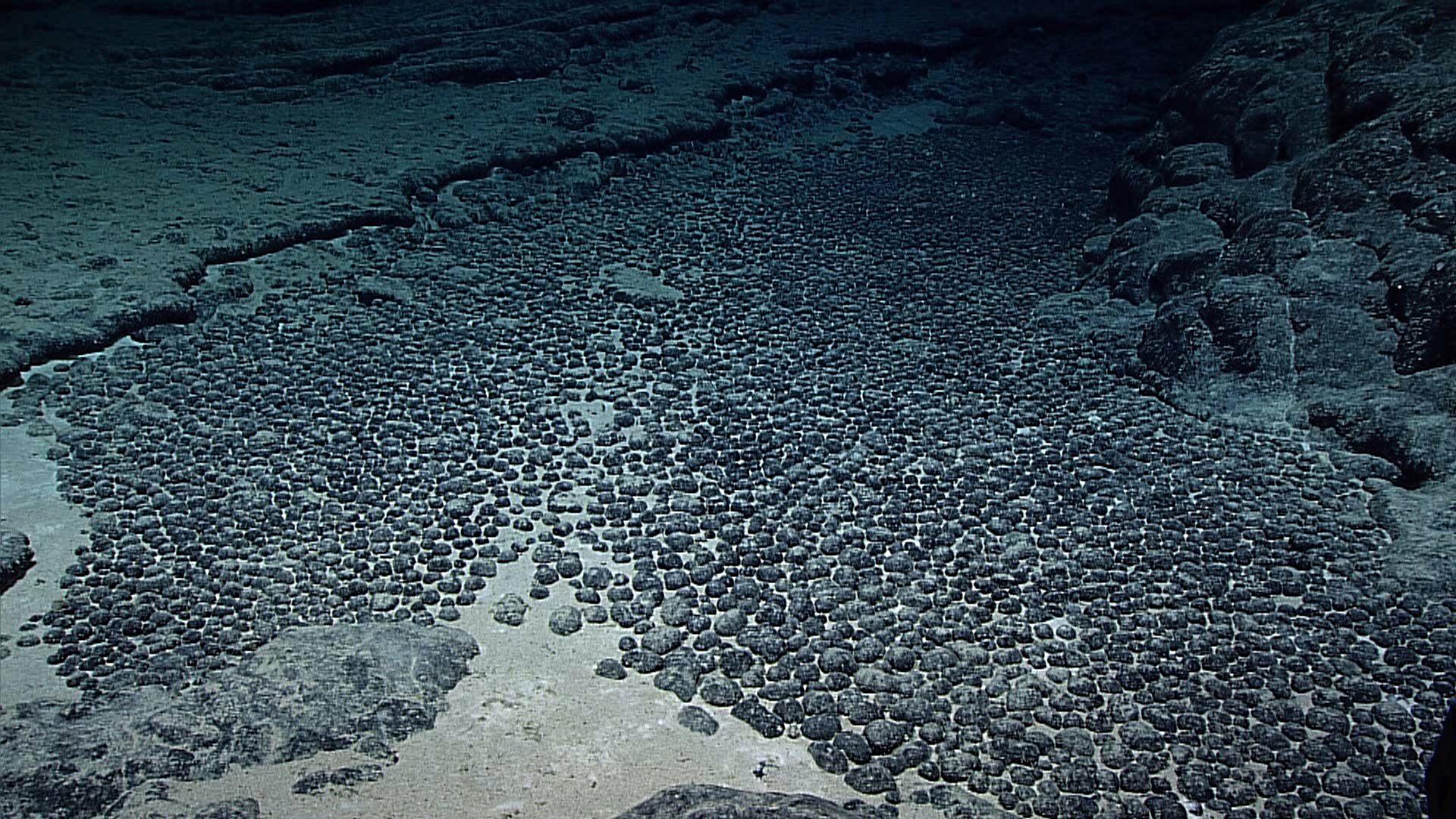
The economic argument for mining rests on the promise of national security and potential revenue, yet local leaders and independent analysts remain skeptical. Scientific research into deep-sea mining, much of it still in its infancy, suggests that the process—which involves suctioning mineral-rich nodules from the abyssal plains—creates massive sediment plumes. These plumes have the potential to smother marine life and contaminate the pelagic zone, threatening tuna fisheries that account for the vast majority of private-sector employment in American Samoa.
Financial projections also raise questions. A recent analysis conducted by independent researchers suggests that the high operational costs associated with deep-sea extraction could negate potential profits, leaving territories to shoulder the environmental liability without seeing the promised economic windfall. While some companies have floated the idea of voluntary benefit-sharing agreements, these remain non-binding, offering no guarantee of revenue to islands that are already struggling with the economic fallout of post-pandemic tourism declines and climate-induced infrastructure damage.
Reactions from the Front Lines
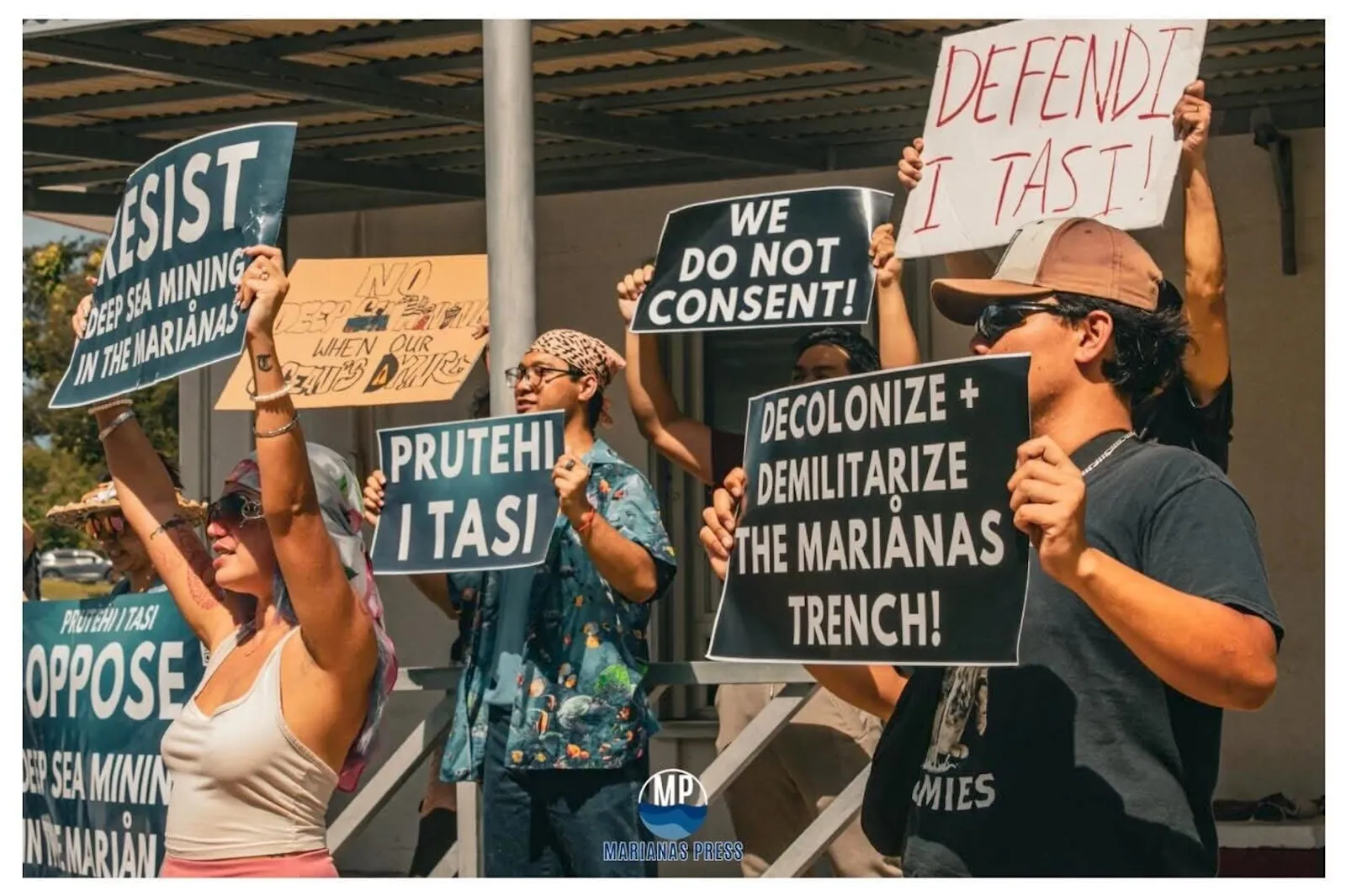
The local response has been one of indignation and mobilization. J.V. Langkilde, an attorney for Earthjustice, has noted that for many Samoans, the announcement was particularly painful as it occurred during holidays marking the history of their relationship with the United States. "They think it’s a little bit backwards that some company who has no stake in the community here will have property interest on our ocean floor without a full understanding of impacts," Langkilde said.
In the Marianas, activists like Sheila Babauta have struggled to balance the existential threat of seabed mining with the immediate, climate-fueled reality of rebuilding after back-to-back super typhoons. The mental and physical toll of managing basic survival—often without electricity or clean water—limits the capacity for political advocacy, a dynamic that some critics argue the federal government exploits to push through controversial policies with minimal resistance.
The Geopolitical Context
The U.S. strategy is being framed as a necessary pivot to reduce dependency on China, which currently leads the world in the processing and refinement of critical minerals. By fast-tracking leases in the Pacific, the U.S. is attempting to establish a domestic or "territory-based" supply chain. However, this has placed the United States at odds with a growing movement of Pacific nations calling for an international moratorium on deep-sea mining.

While some nations, such as Nauru and Tonga, have expressed interest in the industry as a means of economic diversification, the majority of the Pacific Island Forum—a regional bloc—has advocated for a precautionary pause. The U.S. push to move forward despite this regional consensus underscores a strategic divergence: while independent Pacific states are asserting their sovereignty to protect their "blue continent," the U.S. territories are finding themselves used as a strategic buffer zone for federal industrial objectives.
Future Implications and Legal Challenges
Earthjustice, representing various conservation groups, has filed multiple lawsuits challenging the legality of the lease sales. The core of these legal arguments is the potential violation of the Endangered Species Act, specifically regarding the impact on marine mammals like whales and sea turtles that traverse the mining sites.
Furthermore, the lack of a formal, transparent consultation process with the governments of Guam and the CNMI has drawn fire from lawmakers. Kimberlyn King-Hinds, the U.S. House delegate for the CNMI, has signaled her intent to introduce legislation requiring revenue sharing, arguing that if the federal government is going to move forward, it must provide the territories with "insurance" and a direct financial stake. However, as a non-voting delegate, her ability to influence the legislative outcome remains constrained.
Conclusion
The tension between Washington’s push for mineral independence and the Pacific territories’ desire for environmental and cultural stewardship has reached a breaking point. The government’s assertion that it will conduct environmental and safety assessments before actual mining occurs has done little to assuage the fears of those whose lives are inextricably linked to the health of the ocean.

As the legal battles proceed and the administrative clock ticks toward the next phase of lease auctions, the case of the Pacific seabed serves as a litmus test for the U.S. approach to its territories. Whether through meaningful reform of the administrative process or continued unilateralism, the outcome will have profound implications not only for the mineral supply chains of the 21st century but for the future of democratic representation and Indigenous rights in the Pacific. For now, the governors of these islands continue to wait for a seat at the table—a table where, until now, they have only been the menu.