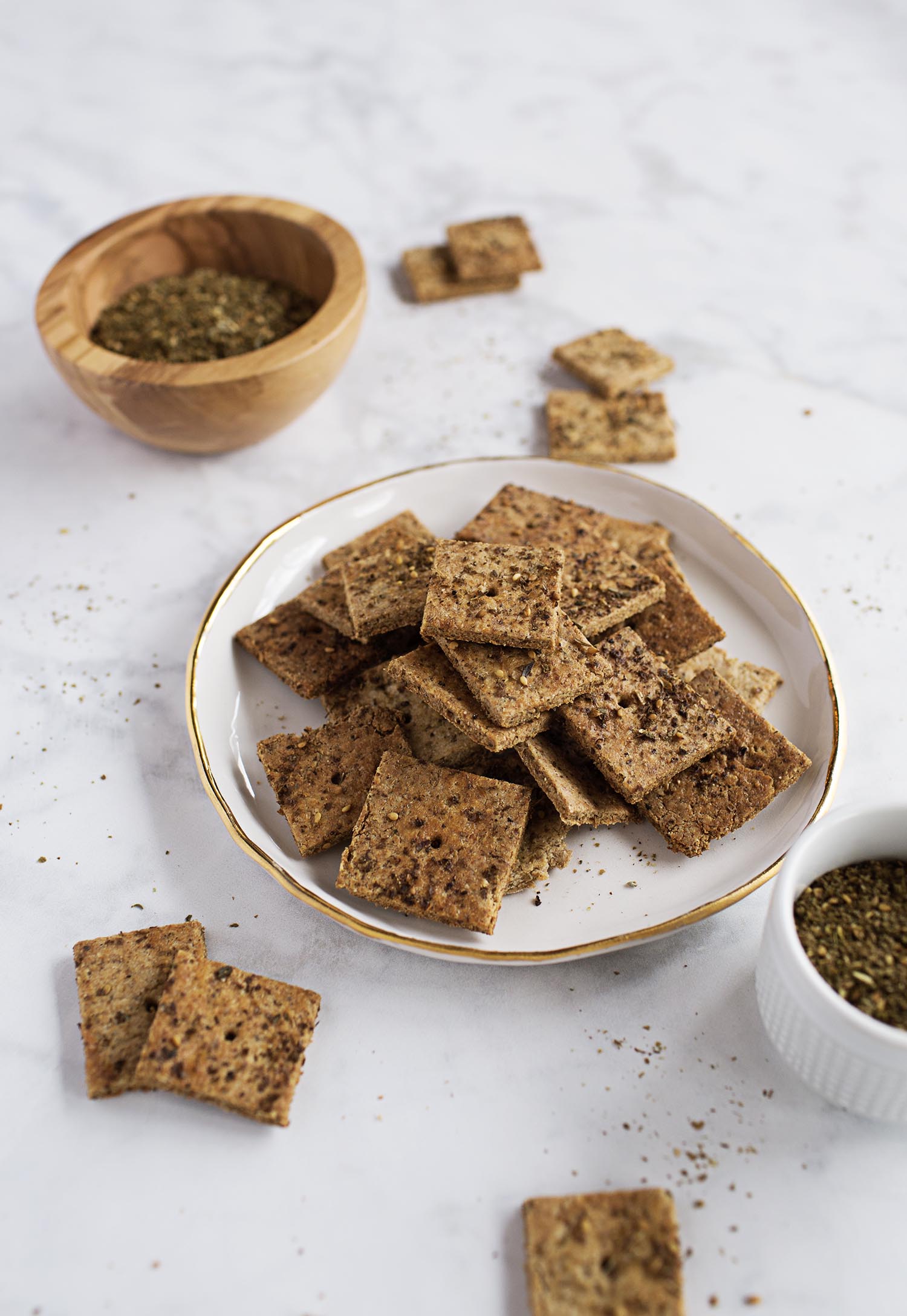
Whole Wheat Coconut Oil Crackers: A Healthier, Tastier Snacking Alternative
The humble cracker has long been a staple in pantries worldwide, a versatile canvas for dips, cheeses, and spreads, or a standalone snack. However, the typical mass-produced cracker often leaves much to be desired in terms of nutritional value. Laden with refined flours, unhealthy fats, and excessive sodium, these options can quickly derail even the most health-conscious eating plans. Fortunately, a growing movement towards healthier, homemade alternatives is gaining momentum, and at the forefront of this culinary revolution are whole wheat coconut oil crackers. This article delves into the multifaceted benefits, preparation, customization, and health advantages associated with these nutrient-dense snacks, providing a comprehensive guide for anyone seeking a superior snacking experience.
The foundation of whole wheat coconut oil crackers lies in the quality of their ingredients. Unlike their refined counterparts, these crackers prioritize whole grains, specifically whole wheat flour, and the unique benefits of coconut oil. Whole wheat flour, a complex carbohydrate, is rich in dietary fiber, B vitamins (thiamine, riboflavin, niacin, folate), and minerals such as iron, magnesium, and zinc. This superior nutritional profile translates to a more sustained release of energy, improved digestive health, and a greater sense of satiety compared to refined white flour, which has had its bran and germ removed, stripping it of essential nutrients. The fiber content in whole wheat is particularly crucial, aiding in blood sugar regulation, cholesterol management, and promoting a healthy gut microbiome.
Coconut oil, the other star ingredient, brings a distinct set of advantages to the table. It is a saturated fat, but its primary saturated fat is medium-chain triglycerides (MCTs). MCTs are metabolized differently than long-chain fatty acids found in many other fats. They are transported directly to the liver, where they can be used for energy or converted into ketones. This unique metabolic pathway has led to research suggesting potential benefits for brain health, increased energy expenditure, and improved satiety. Furthermore, coconut oil possesses antimicrobial and antifungal properties, attributed to its lauric acid content. While the jury is still out on definitive health claims, the substitution of refined oils or hydrogenated fats with virgin coconut oil offers a tangible improvement in the overall health profile of any baked good. The distinct flavor of coconut oil also adds a subtle, pleasing richness to the crackers, setting them apart from bland, conventional options.
Crafting your own whole wheat coconut oil crackers is a remarkably accessible and rewarding endeavor. The basic recipe typically involves a few key ingredients: whole wheat flour, coconut oil, water, and salt. Optional additions like seeds, herbs, and spices can be incorporated to elevate both flavor and nutritional density. The process generally involves combining the dry ingredients, then cutting in the solid or melted coconut oil until a crumbly texture is achieved. Gradually adding water brings the dough together, which is then rolled thin and cut into desired shapes. Baking at a moderate temperature until golden brown and crisp results in a satisfyingly crunchy cracker. The beauty of this homemade approach lies in the control it affords over ingredients. You can ensure the absence of artificial preservatives, excessive sodium, and undesirable additives commonly found in store-bought versions.
The versatility of whole wheat coconut oil crackers extends beyond their simple preparation. They serve as an excellent base for a multitude of toppings. Cream cheese, avocado, hummus, nut butters, smoked salmon, and a variety of cheeses are all natural pairings. Their slightly nutty, subtly sweet flavor from the whole wheat and coconut oil complements both savory and sweet spreads. For those with specific dietary needs or preferences, these crackers are highly customizable. Gluten-free variations can be achieved by substituting whole wheat flour with a blend of gluten-free flours such as almond flour, oat flour, or a pre-made gluten-free blend. For a lower-carbohydrate option, almond flour or coconut flour can be used in conjunction with or as a primary flour. Individuals monitoring their sodium intake can significantly reduce the salt content or omit it altogether, relying on herbs and spices for flavor.
Incorporating seeds like sesame, chia, flax, or sunflower seeds into the dough or sprinkling them on top before baking offers a significant nutritional boost. These seeds are packed with healthy fats, fiber, protein, and a range of micronutrients. For instance, chia seeds are a good source of omega-3 fatty acids and fiber, while flaxseeds offer lignans, which have antioxidant properties. Sunflower seeds provide vitamin E, a powerful antioxidant. The addition of dried herbs such as rosemary, thyme, or dill, or spices like garlic powder, onion powder, or paprika, can transform the basic cracker into a flavor explosion. These flavor enhancers also contribute trace amounts of beneficial compounds.
The health benefits associated with regularly consuming whole wheat coconut oil crackers are numerous and well-documented. The high fiber content of whole wheat flour plays a pivotal role in digestive health. It adds bulk to stool, promoting regular bowel movements and helping to prevent constipation. Fiber also acts as a prebiotic, feeding beneficial gut bacteria, which is increasingly recognized as crucial for overall health, including immune function and mental well-being. The complex carbohydrates in whole wheat are digested slowly, leading to a gradual rise in blood sugar levels. This is particularly beneficial for individuals managing diabetes or seeking to prevent blood sugar spikes and subsequent energy crashes.
The saturated fat in coconut oil, specifically MCTs, offers its own set of health advantages. While more research is ongoing, studies suggest that MCTs may contribute to increased satiety, potentially aiding in weight management by reducing overall calorie intake. Their unique metabolic pathway, bypassing the lymphatic system and going directly to the liver, means they are readily converted into energy. This can be particularly beneficial for athletes or individuals seeking a quick energy boost without the jitters often associated with stimulants. Furthermore, the antimicrobial properties of lauric acid found in coconut oil may contribute to a healthier gut environment by inhibiting the growth of harmful bacteria and fungi.
Beyond the primary ingredients, the absence of refined sugars and artificial additives in homemade whole wheat coconut oil crackers is a significant health advantage. Many commercial snack foods are laden with added sugars, which contribute to weight gain, increased risk of type 2 diabetes, and other chronic diseases. They also often contain artificial colors, flavors, and preservatives, which some individuals may be sensitive to. By making your own crackers, you have complete control over what goes into your food, ensuring a cleaner, more wholesome product.
When considering SEO optimization for this topic, keywords like "whole wheat crackers," "coconut oil crackers," "healthy crackers," "homemade crackers," "low sodium crackers," "gluten-free crackers," "vegan crackers," "digestive health," "fiber-rich snacks," and "natural ingredients" are crucial. The article’s structure, starting with a clear, informative title and immediately diving into the core content, caters to user intent and search engine crawlers alike. The detailed exploration of ingredients, preparation methods, customization options, and comprehensive health benefits addresses common user queries and provides valuable, in-depth information.
The search for healthier snack alternatives is a persistent consumer trend. Whole wheat coconut oil crackers directly address this demand by offering a delicious, nutrient-dense, and easily customizable option. Their accessibility for home bakers, coupled with their superior nutritional profile compared to mainstream commercial crackers, positions them as a compelling choice for a wide audience. The focus on whole ingredients, beneficial fats, and the absence of artificial additives makes them a smart addition to any health-conscious diet.
Furthermore, the environmental aspect of homemade food preparation can also be considered. By opting for homemade crackers, consumers can reduce their reliance on industrially produced snacks, which often come with significant packaging waste. Sourcing ingredients from local or sustainable suppliers can further enhance the eco-friendly appeal of this snacking choice. This conscious consumerism, aligned with healthier eating, resonates with a growing segment of the population.
The ongoing research into the benefits of whole grains and healthy fats like coconut oil continues to validate the appeal of these crackers. As consumers become more educated about nutrition, the demand for transparent ingredient lists and minimally processed foods will only increase. Whole wheat coconut oil crackers perfectly align with this evolving dietary landscape, offering a satisfying, guilt-free indulgence.
The adaptability of this recipe also allows for seasonal variations. In the spring or summer, fresh herbs like basil or chives can be incorporated. Autumn might inspire the addition of a pinch of cinnamon or nutmeg. This seasonal flexibility further enhances the appeal and engagement with homemade baking.
In conclusion, whole wheat coconut oil crackers represent a significant step towards healthier, more mindful snacking. They offer a superior nutritional profile, customizable flavor options, and the satisfaction of knowing exactly what you are consuming. From their fiber-rich whole wheat base to the beneficial properties of coconut oil, these crackers are a testament to the power of simple, wholesome ingredients. As the trend towards natural, unprocessed foods continues to grow, these delicious and nutritious crackers are poised to become an even more prominent fixture in the modern pantry. The accessibility of their preparation and their inherent health benefits make them an indispensable addition for anyone seeking to elevate their snacking experience and prioritize their well-being.
