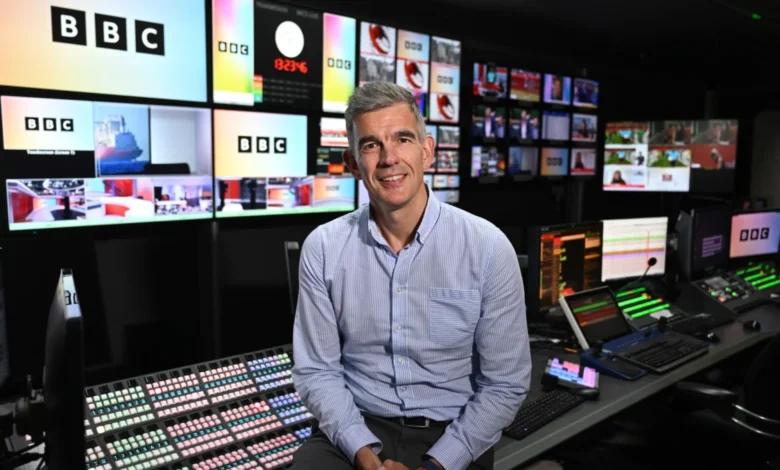
The honeymoon period for BBC Director General Tim Brittin appears to be over, as a recent town hall meeting revealed widespread discontent among employees grappling with a proposed 1% pay rise, significant job cuts, and a general decline in morale. The former Google executive, who took the helm of the UK’s national broadcaster amidst promises of a revitalized BBC, is now facing a barrage of criticism from the very staff he leads, highlighting the stark realities of the corporation’s financial challenges and strategic decisions.
The meeting, held on Monday, saw Brittin and his senior leadership team confronted with a series of pointed questions and written submissions from BBC employees. The overriding sentiment expressed was one of frustration and disillusionment, particularly concerning the proposed pay increase, which is significantly below the current rate of inflation. This has led many to perceive it as a de facto pay cut, exacerbating financial pressures on households already struggling with the rising cost of living.
One employee’s written question encapsulated the depth of this feeling, stating they felt treated like "second-rate citizens" and that the 1% pay proposal was "an insult." This sentiment was echoed by numerous others, with one insider describing the combination of the pay offer and impending job cuts as "unfair and demoralizing." The human impact of these financial constraints was starkly illustrated by a third employee who directly challenged leadership: "A 1% pay rise will eat into my family’s finances so severely, I will have to cut back on something. What do you suggest I cut back on?"
The atmosphere was further soured by a dose of dark humor, with one employee wryly observing, "Great news that we’ve managed to pinch The 1% Club from ITV… Oh sorry, that’s just the pay proposal." This jab, referencing a popular ITV quiz show, underscored the perceived inadequacy of the offer.
Financial Constraints and Strategic Imperatives
Bérangère Michel, the BBC’s Chief Financial Officer, attempted to address the concerns, acknowledging the inadequacy of the 1% figure. "We know that 1% is not much," she stated. "We wanted to do more, but we can’t afford it." Michel explained that the decision was made to implement a minimum amount to protect lower-paid staff and that the executive team would forgo any pay increase this year as a gesture of solidarity.
These financial limitations are set against a backdrop of ambitious cost-cutting targets. The BBC is planning to slash costs by £500 million ($670 million) over the next three years, building upon an existing target of £1.5 billion. The underlying rationale for these substantial cuts is rooted in a growing disparity between the BBC’s reach and its funding model. While an impressive 94% of the UK population engages with the BBC monthly, fewer than 80% contribute through the £180 annual license fee. This widening gap means the corporation can no longer rely on drawing down its cash reserves to meet operational costs.
Brittin, in his address to staff, sought to frame the BBC’s financial predicament within a broader economic context. He drew parallels with the financial pressures faced by government departments, private sector companies, and charities, stating, "We’re all having to be prudent, and that doesn’t make it easier for people, but we are all in a similar boat here."
The Shadow of Industrial Action and Pay Disparities
The proposed 1% pay rise is currently under discussion with trade unions, and speculation is mounting that these negotiations could culminate in industrial action. This is a significant concern for the BBC, which has historically seen periods of industrial unrest. The disparity between the proposed staff pay rise and the earnings of some on-screen and on-air talent has also become a focal point of employee anger.
Recent figures reveal that presenter earnings increased by nearly £3 million to a six-year high of £143 million in the corporation’s last financial year. This has fueled resentment, with one insider questioning the substantial salary of former radio presenter Scott Mills, estimated to be around £750,000. "What contributed to this enormous salary? £750k could go so far and reduce the amount of staff leaving the BBC," the insider remarked.
In response to these concerns, one journalist proposed a more targeted approach to savings, suggesting a 10% cut in salaries for staff earning over £100,000. This measure, they argued, could help "avoid the current below-inflation 1% pay offer (in effect a pay cut) for the majority."
Brittin defended the BBC’s need to offer competitive pay to attract top talent, acknowledging that "it is right that the BBC offers competitive pay to attract talent." However, he indicated a willingness to examine the structure of senior management roles across the corporation. "We’ve said we’re definitely going to be looking at at least 10% savings on senior management roles," he stated. Brittin also acknowledged feedback suggesting an excess of managerial layers and a perceived lack of empowerment among some staff, promising to investigate these issues further.
Scrutiny of High-Profile Advertising Campaigns
Adding to the employee dissatisfaction is the perceived extravagance of recent BBC advertising campaigns, particularly the new "What has the BBC ever done for me?" initiative, which features comedian Romesh Ranganathan. This campaign, a modern reimagining of a 40-year-old promotional video starring John Cleese, aims to showcase the value the BBC provides to the nation.
However, employees have questioned the substantial cost of this campaign at a time of austerity and job insecurity. "How much did the new ‘What has the BBC ever done for me’ campaign cost? Totally excessive!" remarked one insider. Another employee directly linked the campaign’s expenditure to the prevailing financial climate: "How much did the Romesh advert cost the BBC at a time we’re being told to both accept a 1% pay rise and be on constant alert that our job might be closed in the coming months?"
Further criticism of the campaign has focused on its content, with some lamenting its failure to adequately highlight crucial BBC services such as local programming, the World Service, and its extensive online offerings.
Kerris Bright, the BBC’s Chief Customer Officer, defended the investment in marketing, acknowledging the validity of the challenge. "It’s a really fair challenge, and we’re all facing those challenges," Bright said. "Marketing is facing the same challenges. We’re all having to look deeply at where we invest the resources that we do have and where we think we’ll get the best return for them." She emphasized the importance of communicating the BBC’s value to its audience and stated that the campaign was designed to be "smart" in its execution.
Broader Implications and Future Outlook
The current wave of employee discontent and public scrutiny signals a critical juncture for the BBC and its leadership. The corporation, a cornerstone of British public service broadcasting, is navigating a complex landscape of evolving media consumption, increasing competition, and significant financial pressures. The effectiveness of its cost-saving measures, its ability to retain talent, and its capacity to maintain public trust will be heavily influenced by how it addresses these internal and external challenges.
The proposed pay freeze and job cuts, while framed as necessary for long-term sustainability, risk alienating the workforce that underpins the BBC’s output. The perceived disconnect between the financial sacrifices expected of staff and the substantial remuneration of some high-profile individuals is a potent source of friction that could undermine morale and productivity.
Furthermore, the public and internal questioning of marketing expenditure highlights the delicate balance the BBC must strike between promoting its brand and demonstrating fiscal responsibility. In an era of heightened public scrutiny of public spending, every investment is subject to rigorous examination.
Brittin’s leadership will be tested by his ability to not only implement the necessary financial reforms but also to effectively communicate the rationale behind these decisions and to foster a sense of shared purpose among the BBC’s diverse workforce. The coming months will likely reveal whether the corporation can weather this storm of dissent and emerge with its public service mission intact and its internal cohesion preserved. The future of the BBC’s operational model and its relationship with its employees hang in the balance, as the organization grapples with the imperative to modernize and economize while striving to maintain its status as a trusted and valued national institution. The coming fiscal year will be a crucial period, not only for the implementation of these austerity measures but also for the rebuilding of trust and morale within the organization.