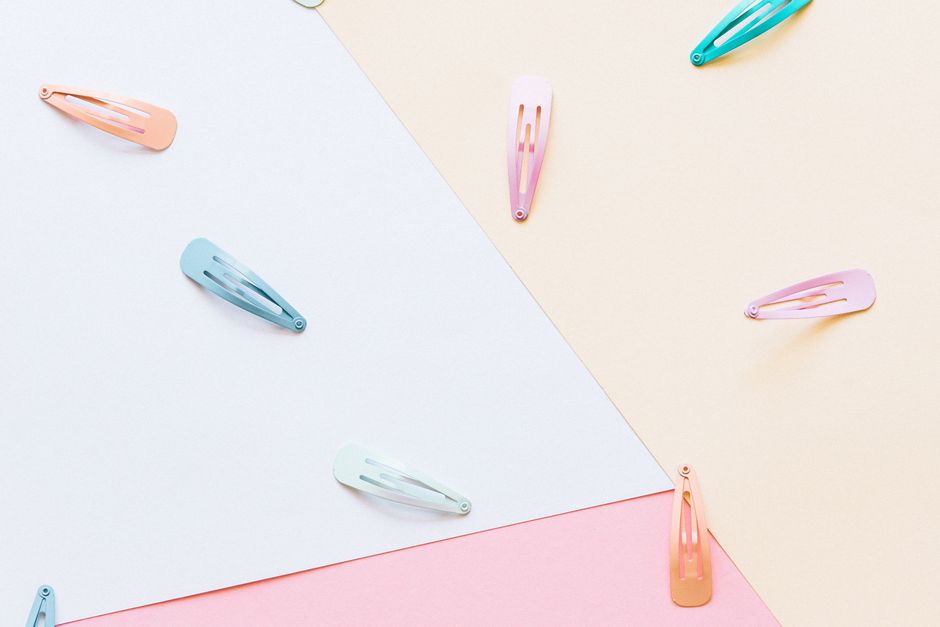
3 Trendy DIY Hair Clips: Effortless Style You Can Make Today
Elevate your everyday look and embrace your inner crafter with these three incredibly simple yet undeniably stylish DIY hair clip tutorials. Forget expensive salon accessories; these projects utilize readily available materials and minimal crafting experience, proving that chic hair adornments are within everyone’s reach. We’ll explore techniques that are not only budget-friendly but also allow for endless customization, ensuring your hair clips are as unique as you are. From subtle elegance to bold statements, these DIYs offer a fantastic way to express your personal style and add a touch of handmade charm to any outfit. Whether you’re looking for a quick accessory update or a fun weekend project, these three trendy DIY hair clips are sure to become your new go-to for effortless style.
Our first project focuses on the ever-popular resin-infused hair clips. This technique, while sounding advanced, is remarkably beginner-friendly and opens a world of creative possibilities. For this DIY, you will need clear UV resin (or epoxy resin, though UV resin cures much faster under a UV lamp), silicone molds specifically designed for hair clips (these are readily available online and in craft stores), dried flowers, glitter, mica powders, small charms, and of course, plain metal hair clip blanks (alligator clips, bobby pins, or barrettes work well). Begin by preparing your workspace. Ensure it’s well-ventilated, and lay down parchment paper or a silicone mat to protect your surface. Next, select your desired mold. For this tutorial, let’s imagine we’re creating a delicate floral clip. Carefully arrange your dried flowers within the mold. You can create a single, striking bloom, or a cluster of smaller blossoms. For added depth and sparkle, consider sprinkling a tiny amount of fine glitter or a dusting of iridescent mica powder onto the flowers. Once your design is finalized, it’s time to introduce the resin. Carefully mix your UV resin according to the manufacturer’s instructions. If using epoxy resin, this typically involves mixing two parts together. For UV resin, simply ensure the bottle has been shaken well. Slowly pour the resin over the dried flowers, ensuring it fills the mold and covers all the elements. Work in thin layers if necessary to avoid air bubbles. You can use a toothpick or a heat gun (on a very low setting and held at a distance) to gently pop any bubbles that rise to the surface. If you’re layering elements, cure each thin layer under a UV lamp for the recommended time before adding the next. For example, if you’ve placed your flowers and then poured a thin layer of resin, cure that layer, then add another layer of resin with perhaps some embedded glitter or mica powder, and cure again. This layering technique allows for beautiful depth and complexity. Once your resin is fully cured and hardened (UV resin typically takes only a few minutes under a UV lamp; epoxy resin can take several hours or even overnight), carefully demold your resin pieces. They should pop out cleanly. Now, it’s time to attach them to your hair clip blanks. You can use a strong adhesive like E6000 or a UV resin adhesive. For a seamless look, many crafters opt for the UV resin method again. Apply a thin layer of UV resin to the flat underside of your cured resin piece and then firmly press it onto the designated area of your hair clip blank. Place the entire assembly under the UV lamp to cure, ensuring the resin adheres the two pieces together securely. The result is a stunning, custom hair clip with embedded natural elements, offering a sophisticated and unique accessory. The beauty of this technique lies in its versatility. You can experiment with different color resins, incorporate glitter, holographic flakes, or even tiny 3D charms. For a bolder statement, consider using larger, more dramatic flowers or a vibrant color palette. The SEO benefits of this DIY are numerous. Keywords like "DIY resin hair clips," "easy resin crafts," "flower hair accessories," "handmade hair clips," and "custom hair jewelry" will attract users searching for these specific types of creations. The visual appeal of resin, especially with embedded elements, also makes it highly shareable on platforms like Pinterest and Instagram, driving traffic to your content.
Our second trend-driven DIY focuses on the ever-popular pearl embellishment technique. Pearls have a timeless elegance that instantly elevates any accessory, and creating your own pearl-adorned hair clips is surprisingly straightforward. For this project, you’ll need plain metal hair clips (again, alligator clips, bobby pins, or barrettes are excellent choices), an assortment of pearls in various sizes (faux pearls are perfectly suitable and readily available), strong craft glue (E6000 or a similar flexible adhesive works best), and optionally, a pearl-beading tool or tweezers for precise placement. The beauty of this DIY lies in its simplicity and the sophisticated outcome. You can opt for a minimalist approach or go for a more dramatic, clustered look. Begin by deciding on your design. Do you envision a single strand of pearls running along the length of the clip, or a more organic scattering? For a classic look, apply a thin, even line of glue along the top surface of the hair clip blank. Then, using your tweezers or a beading tool, carefully place the pearls onto the wet glue. Work in small sections to prevent the glue from drying before you can place the pearls. Press each pearl gently to ensure good adhesion. For a more varied texture, mix pearl sizes. You can start with a few larger pearls at the ends and fill in with smaller ones towards the center. Another popular variation is to create a "cluster" effect. Apply a blob of glue and then carefully arrange several pearls of different sizes in a circular or organic pattern. This creates a statement piece that’s still relatively simple to execute. For an extra touch of flair, consider using pearls in different colors – classic white, iridescent cream, or even a soft blush pink can add a unique dimension. If you’re feeling adventurous, you can also mix pearls with small rhinestones for added sparkle. The key to a professional-looking finish is patience and precision. Take your time placing each pearl, ensuring they are evenly spaced and securely attached. Once you’ve completed your design, allow the glue to dry completely according to the manufacturer’s instructions. This is crucial for durability. For E6000, this can take 24-72 hours for full curing. The result is a chic and sophisticated pearl hair clip that looks far more expensive than its DIY origins. These clips are perfect for adding a touch of elegance to both casual and formal outfits. They can be worn to a wedding, a brunch, or simply to elevate your everyday office attire. The SEO appeal here comes from keywords such as "DIY pearl hair clips," "easy pearl accessories," "handmade jewelry," "elegant hair clips," and "bridal hair accessories" (if you choose to create more elaborate versions). The timeless appeal of pearls makes this a consistently searched-for item, and the ease of execution makes it an attractive DIY for a broad audience.
Finally, let’s explore a trendy and textured option: the fabric-wrapped hair clips. This DIY offers a wonderful opportunity to upcycle fabric scraps and create eye-catching accessories with a unique tactile quality. For this project, you will need plain metal hair clip blanks (alligator clips are particularly well-suited for this technique), fabric scraps (consider interesting textures like velvet, satin, patterned cotton, or even a bit of faux leather), fabric scissors, strong fabric glue or hot glue, and optionally, a craft knife. The beauty of fabric-wrapped clips lies in their versatility and the opportunity to experiment with different patterns and textures. Begin by cutting your fabric into strips. The width of the strip will depend on the size of your hair clip and the desired coverage. For a standard alligator clip, a strip about 1-1.5 inches wide and long enough to wrap around the clip with some overlap is a good starting point. For more complex designs, you might want to experiment with different fabric shapes. Lay your hair clip blank flat. Apply a generous line of fabric glue or hot glue along the top surface of the clip. Carefully lay the fabric strip onto the glue, pressing down firmly to ensure good adhesion. Begin wrapping the fabric around the clip, creating a smooth and even surface. If using hot glue, work in small sections as the glue dries quickly. If using fabric glue, you have a bit more leeway. As you wrap, ensure the fabric is taut to avoid wrinkles. When you reach the end of the clip or the end of your fabric strip, trim any excess fabric with sharp scissors or a craft knife. You can then fold the raw edge under and glue it securely for a neat finish. For a more decorative effect, you can wrap multiple fabric strips around the clip, alternating colors or textures. You can also create a "bow" effect by gathering the fabric at the center of the clip before gluing it down. Another popular variation is to use small fabric pieces to create layered floral shapes or geometric patterns. For example, you could cut small circles of fabric, slightly singe the edges (carefully, with a lighter or candle) to create a petal effect, and then layer them onto the clip. For a bohemian feel, consider using textured fabrics like linen or burlap. For a more glamorous look, satin or velvet would be excellent choices. If you’re feeling bold, try a vibrant, patterned fabric that makes a statement. The possibilities are truly endless. Once your fabric is securely glued, allow the adhesive to dry completely. The result is a stylish and textured hair clip that adds a pop of personality to any hairstyle. These fabric-wrapped clips are perfect for everyday wear and can be easily customized to match any outfit or season. The SEO appeal for this DIY includes terms like "DIY fabric hair clips," "easy fabric crafts," "upcycled accessories," "no-sew hair clips," and "trendy hair accessories." The use of fabric scraps also appeals to a demographic interested in sustainable crafting and reducing waste. By combining these three distinct yet equally accessible DIY hair clip tutorials, you gain a comprehensive toolkit for creating stylish, on-trend accessories that are both budget-friendly and creatively fulfilling.
