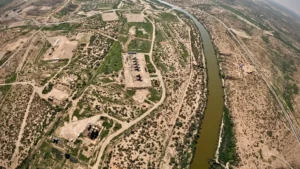
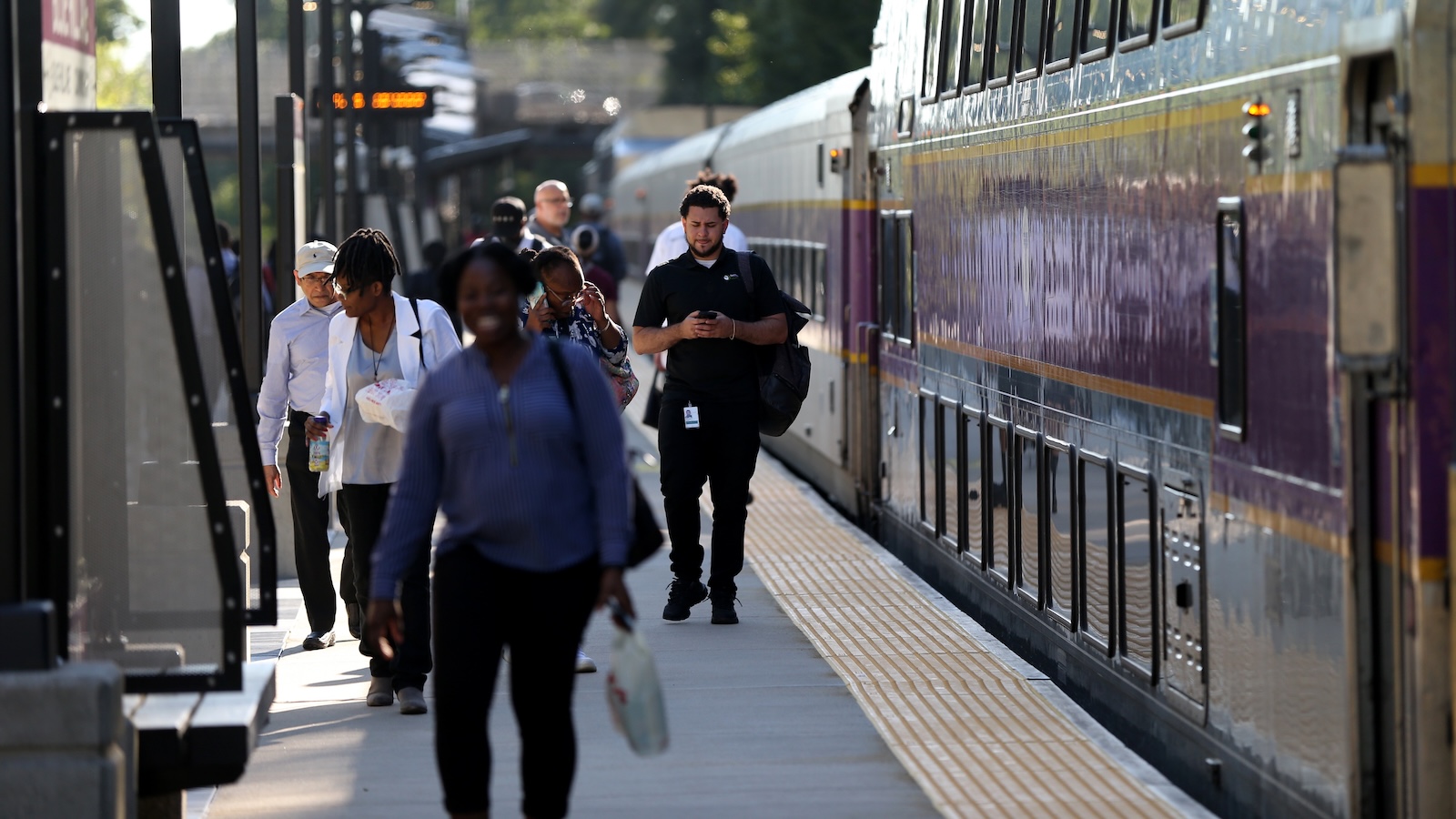
For decades, residents of the Four Corners neighborhood in Dorchester, Massachusetts, watched as the Fairmount Line commuter rail—a vital artery of regional transit—passed through their communities with little utility to the people living trackside. For Marvin Martin, a longtime local activist and former head of the transit advocacy organization Action For Equity, the sight was a daily reminder of transit inequity. He observed trains carrying suburban commuters into downtown Boston, while residents in neighborhoods of color were relegated to overcrowded, slower bus routes. This disparity, which Martin and his neighbors identified in the mid-1990s, catalyzed a multi-decade campaign to force the Massachusetts Bay Transportation Authority (MBTA) to better serve the underserved urban core.
The culmination of this effort is a landmark $765 million plan to fully electrify the Fairmount Line by 2030. By leasing seven state-of-the-art battery-powered trainsets from Swiss manufacturer Stadler, the MBTA aims to slash carbon emissions, increase service frequency, and rectify a long-standing environmental injustice.
A Chronology of Advocacy and Infrastructure
The history of the Fairmount Line is a testament to the power of community-led transit activism. In 1995, Martin and a coalition of residents began formally lobbying the MBTA to stop treating the line as a pass-through route and start viewing it as a vital local transit link. The advocacy was grueling, requiring sustained political pressure over fifteen years.
The first major breakthrough occurred between 2012 and 2013, when the MBTA finally inaugurated three new stops in the Dorchester area, acknowledging the density and transit needs of the community. A fourth station followed in Mattapan in 2019. However, for Martin, these physical stops were only half the battle. The persistent noise and air pollution generated by diesel locomotives remained a primary concern. The push for electrification became the next front in the struggle, as advocates demanded a shift toward zero-emission technology to improve the quality of life for those living in the shadow of the tracks.
The Shift to Battery-Powered Technology
The MBTA’s commitment to lease seven four-car battery-electric multiple units (BEMUs) marks a pivotal moment for the agency. Unlike traditional electrification projects that require the installation of expensive and aesthetically intrusive overhead catenary wires, battery technology offers a more modular, albeit technically challenging, path forward.
The project is slated for completion in 2030, with the MBTA projecting that the transition will replace current diesel operations and save approximately 17,700 tons of carbon dioxide emissions annually. Beyond the environmental benefits, the project is designed to improve operational efficiency. The current schedule, which limits stops to 30-minute intervals, will be compressed to 20-minute headways, providing a significant boost to reliability and utility for commuters.
Technical Hurdles and Industry Skepticism
While the move toward battery-powered trains is celebrated by environmentalists, it is not without its skeptics. Chris Friend, interim executive director of the transit advocacy group TransitMatters, describes the Fairmount Line as a "logical test case" due to its status as the shortest commuter route in the system. However, he remains cautious regarding the broader implementation of the technology.
"We are moving into territory that hasn’t been fully stress-tested on high-ridership urban routes," Friend noted. "The question remains whether this is a genuine, sustainable solution or if we are walking into a technical quagmire by banking on unproven infrastructure at this scale."
Globally, other transit agencies are watching closely. In Germany, Alstom has successfully deployed battery-powered trains on a 50-mile route that services two million passengers annually. Alstom’s North American communications lead, Dani Simons, suggests that the volatile cost of diesel fuel—which has seen significant fluctuations over the past three years—is driving transit agencies toward electrification as a matter of fiscal, as well as environmental, necessity.
The Historical Context of Electric Rail
Boston has a long and storied relationship with electric rail, dating back to 1889 when the city debuted its first electric streetcar. The Tremont Street Subway, now part of the iconic Green Line, holds the distinction of being the first electric subway in North America. Historians note that the initial push for electrification in the late 19th and early 20th centuries was largely driven by public health concerns. Steam-powered trains in confined, underground spaces created smoke and toxic fumes that threatened to asphyxiate passengers.
"Societies often become infatuated with new technological waves, believing them to be total solutions," said Albert Churella, a professor of history at Kennesaw State University. "Electrification was seen that way in the 1900s, just as battery technology is viewed today."
However, the expansion of electric rail stalled following the mid-20th century. As Nicholas Dagen Bloom, author of The Great American Transit Disaster, explains, the dominance of diesel engines was largely a product of convenience and infrastructure limitations. Because many commuter lines were operated by major railroads that also managed long-distance freight, diesel power became the standard. It was cheaper to maintain and did not require the extensive, permanent infrastructure of electric wires. The decline of passenger rail after World War II further entrenched these systems, leaving many modern agencies with aging, polluting fleets.
Expected Impacts on Air Quality and Ridership
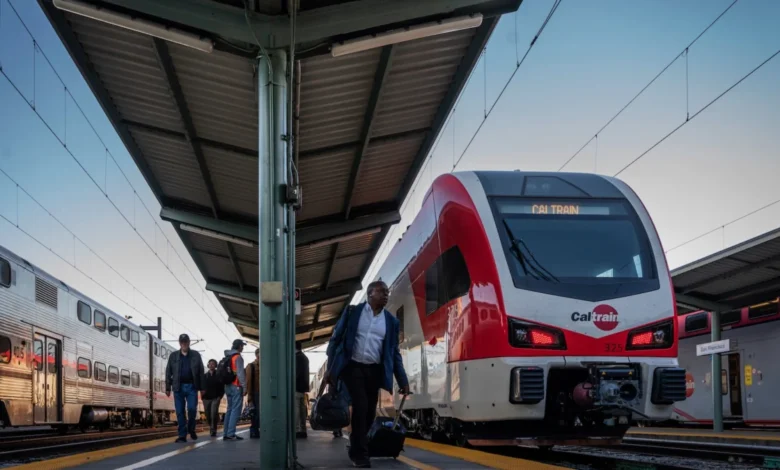
The potential benefits of moving away from diesel are well-documented. A successful blueprint for this transition can be found in the San Francisco Bay Area, where Caltrain recently electrified its 51-mile route between San Francisco and San Jose. Since transitioning to electric trains in 2024, the agency has reported a 23 percent reduction in commute times, attributed largely to the faster acceleration capabilities of electric motors compared to diesel locomotives.
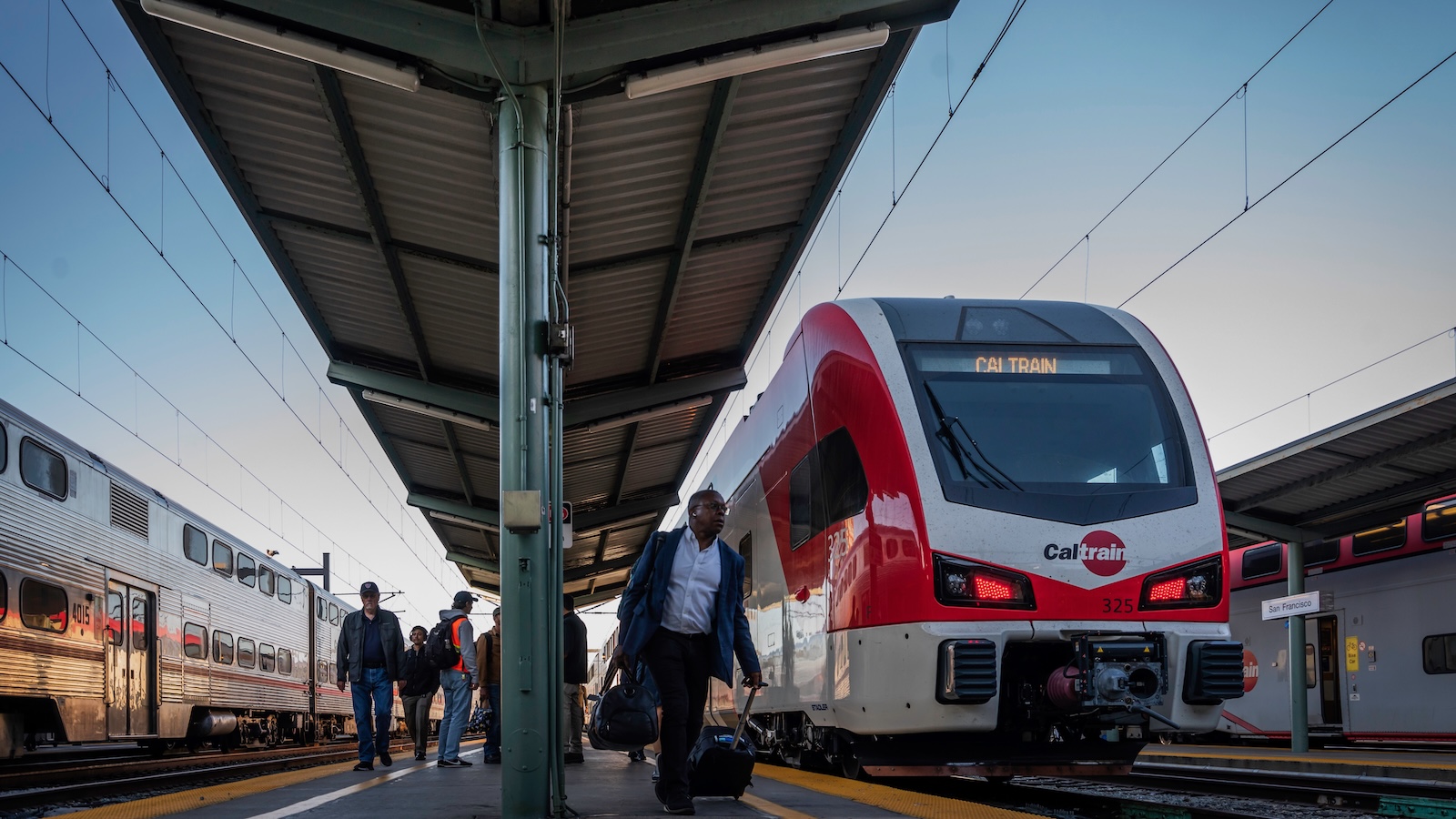
Environmental data from the Caltrain project further underscores the urgency of the Fairmount initiative. Joshua Apte, an environmental engineer at the University of California, Berkeley, conducted research showing an 89 percent reduction in rider exposure to black carbon following the electrification of the line. For communities like Dorchester, which have historically borne the brunt of localized industrial and transit-related pollution, these findings suggest that the 2030 transition will have profound health implications.
A New Chapter for Urban Transit
As the MBTA looks toward the future, it is employing a diversified strategy. While the Fairmount Line will utilize battery sets, the agency is simultaneously exploring overhead catenary systems for other routes, such as the Providence Line. This hybrid approach reflects a pragmatic recognition that no single technology is a universal panacea for the aging commuter rail system.
For Marvin Martin, the progress is bittersweet but ultimately rewarding. The transition will not happen overnight, and residents will continue to breathe diesel-tainted air for several more years before the new trains arrive. However, looking back at the nearly thirty years of advocacy, he views the impending change as a validation of the community’s persistence.
"I’m satisfied that the message was finally received," Martin said. "We pushed for a train that wouldn’t spew toxic particulates, and we held the agency to account. The fact that it’s actually coming to fruition—that we are getting the service and the clean technology we demanded—is a victory for everyone in this neighborhood."
The transition of the Fairmount Line serves as a critical case study for the nation’s transit infrastructure. As urban areas grapple with the dual challenges of rising fuel costs and the urgent need to decarbonize public transportation, the "Fairmount Model" may provide the evidence needed to justify a broader, nationwide shift away from the fossil-fuel-reliant transit models of the 20th century. Whether this shift succeeds depends entirely on the performance of the new technology once it hits the tracks in 2030, but for now, the path forward appears finally to be paved with electricity.