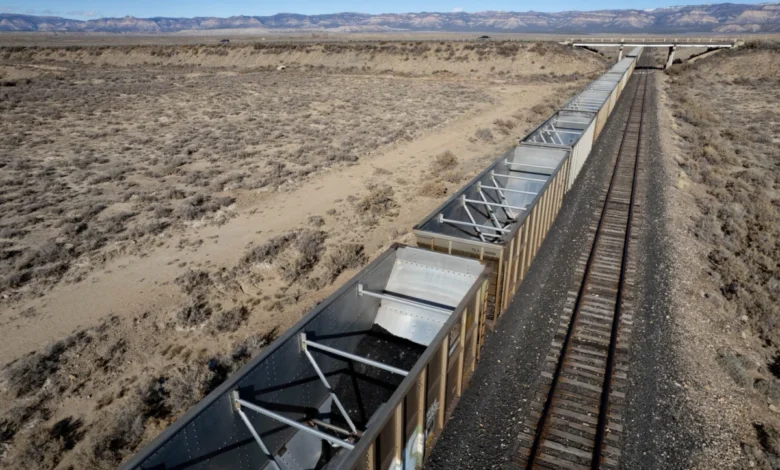
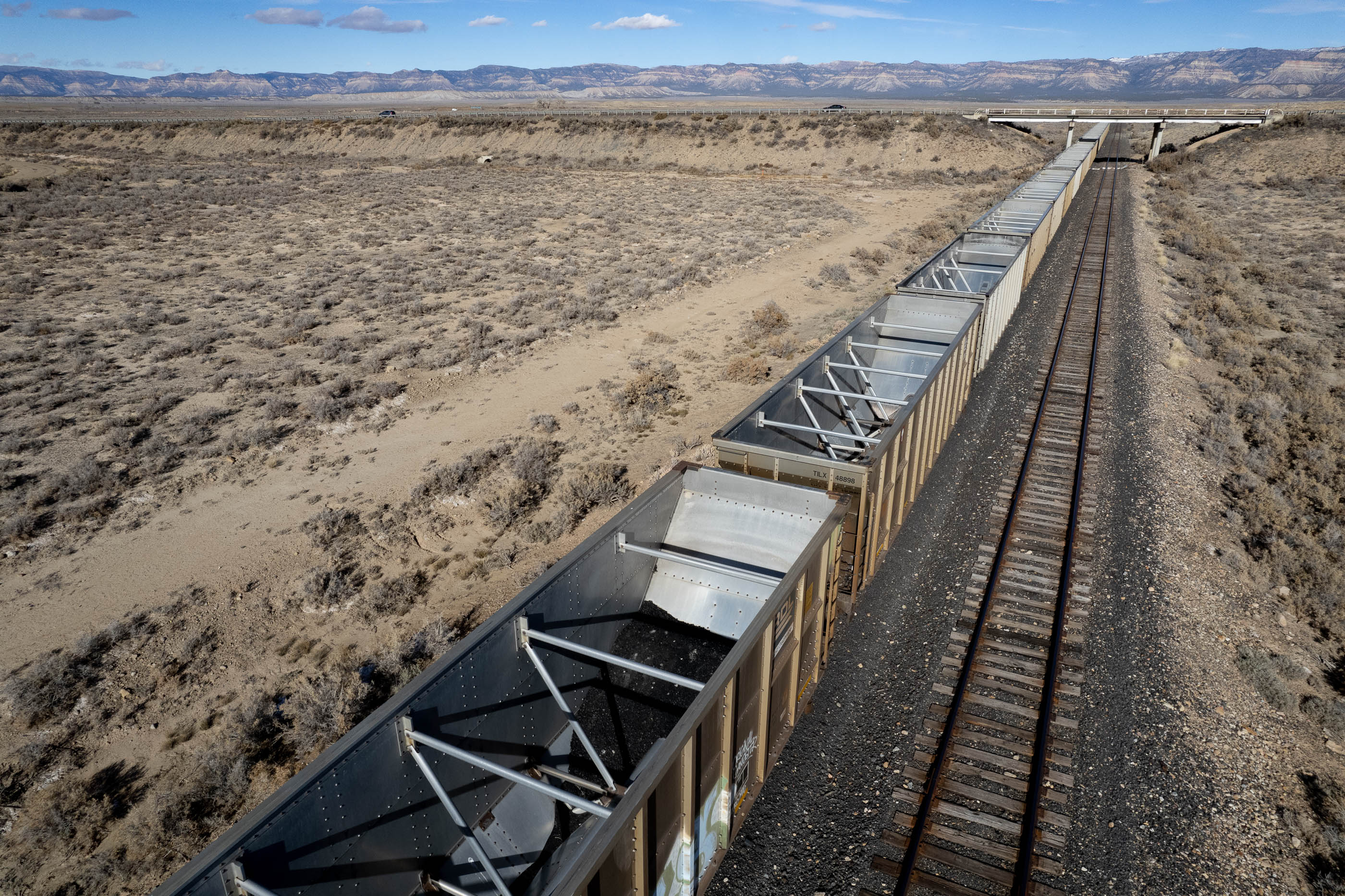
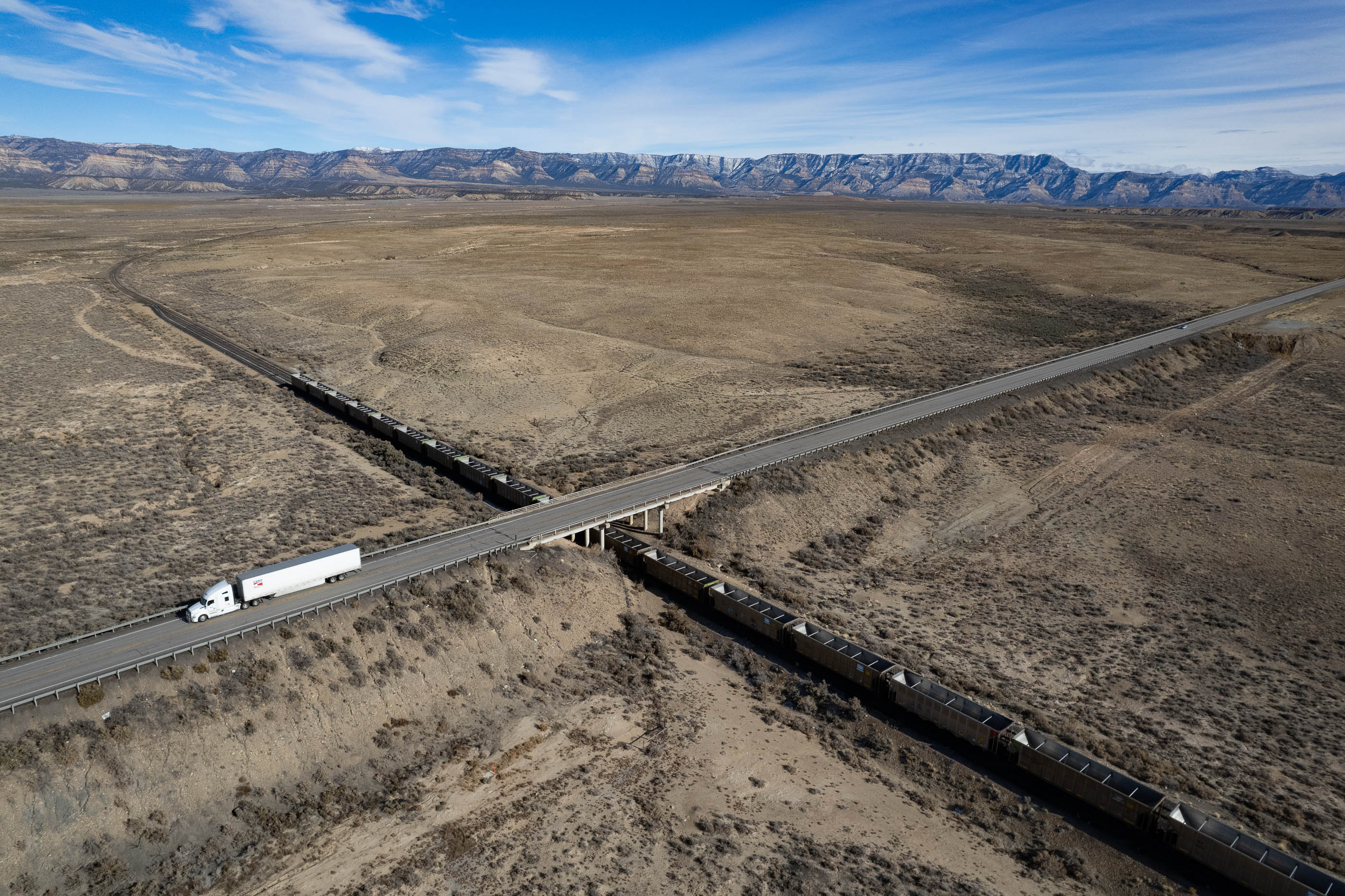
For generations, the rhythmic hum of conveyor belts and the heavy dust of coal mines defined life in Carbon County, Utah. Families here built their livelihoods around an industry that, while physically demanding and fraught with health risks—including the pervasive threat of black lung disease—served as the bedrock of the regional economy. However, as the 21st century progressed, a confluence of market shifts, the rise of cheaper renewables, and the exhaustion of local coal seams brought this era to a quiet, definitive end. Since 2023, the county’s mines have been silent, leaving a void that local officials are now rushing to fill with an entirely different kind of power: massive data center complexes and experimental nuclear energy.
A New Industrial Frontier
The transformation of Carbon County’s landscape is now centered on two massive industrial projects: the nuclear-powered “Project Beehive,” spearheaded by the startup Valar Atomics, and the “Jurassic Spark” campus, an expansive data center project proposed by Altigen Energy.
Valar Atomics plans to install a complex of 456 small modular reactors (SMRs) on Bureau of Land Management (BLM) land, complemented by a square mile of state-owned trust lands. This project is far more than a power station; it is designed to support a multi-faceted industrial hub that includes uranium TRISO-fuel processing, steel manufacturing, water desalination, and critical mineral refining. Simultaneously, the “Jurassic Spark” project aims to cover hundreds of acres with a 250-megawatt natural gas power plant that could eventually scale to 3 gigawatts of output—an amount nearly equivalent to the current electrical consumption of the entire state of Utah.
For residents like Cindy O’Neil, who has spent years tracking these developments through community forums, the speed and scale of these projects are alarming. O’Neil, whose husband once worked the mines, views these developments not as salvation, but as a new set of risks. “We’ve had the coal,” she noted. “We’ve dealt with the explosions, the fires, and all the things that came along with it. Now, it’s all descending—these data centers—within a couple of miles of homes.”
The Legislative Push and Economic Rationale
The state of Utah has positioned itself as a willing partner in this transition. Under Senate Bill 132, passed by the Utah Legislature last year, private companies with energy demands exceeding 100 megawatts are now permitted to construct their own self-contained generating stations. This legislation was intended to decouple massive energy-consuming projects like AI data centers from the public utility grid, preventing localized shortages.
From the perspective of the Utah Trust Lands Administration, the Valar Atomics deal is a fiscal success. The agency recently secured a 100-year lease for a square mile of land, projecting $35 million in revenue over the first 50 years—funds earmarked for the state’s school system. County commissioners argue that these projects are essential to replace the tax base lost when the coal mines shuttered. In a July statement, the county noted that the economic downturn caused by the coal industry’s decline shifted a disproportionate tax burden onto homeowners, a trend they hope to reverse by attracting new, tax-paying industry.
Technological Uncertainties and Environmental Concerns
The shift to small modular reactors (SMRs) presents a significant gamble, as the technology remains largely unproven at a commercial scale in the United States. While Valar Atomics successfully demonstrated “self-sustaining criticality” in June at the San Rafael Energy Lab in neighboring Emery County, critics argue that the safety and environmental profile of such a massive, concentrated nuclear site is unknown.
The environmental concerns extend beyond radiation risks. Critics point to the impact of “heat islands” created by large-scale data centers and power plants. Professor Robert Davies of Utah State University has noted that because nuclear plants are less efficient than other forms of generation, they reject significant amounts of heat into the environment. In the geographically constrained Wellington valley, trapped by the Wasatch Range and the Book Cliffs, residents fear that this heat could exacerbate local air quality and climate issues.
Furthermore, the region remains water-stressed. While developers claim they will utilize closed-loop cooling systems that minimize water consumption, skeptical locals remain unconvinced that the infrastructure can support such intensity without compromising the limited supply available to agriculture and residential use.
The Voices of Opposition
The official narrative of progress is meeting stiff resistance from a segment of the population that feels excluded from the decision-making process. Cheryl Lupo, an unaffiliated candidate for the county commission, describes a community “up in arms,” citing the influence of historical trauma. Many residents, like Lupo, are descendants of those affected by 1950s nuclear testing in neighboring Nevada. The fear of "downwind" health effects is not abstract here; it is a multigenerational memory that fuels a deep-seated distrust of nuclear technology.
The perception of secrecy has further inflamed these tensions. The use of non-disclosure agreements (NDAs) during negotiations with prospective companies has led to widespread criticism. Residents have questioned why projects of this magnitude, which will alter the face of their county for decades, were developed behind closed doors. While the county maintains that NDAs are necessary to attract competitive business, residents like O’Neil argue that the community deserves transparency. “You shouldn’t be hiding what you and the company are going to bring to a community,” she said, “and not tell the community until it’s too late and a done deal.”
A Chronology of the Transition
- 2006: Carbon County mines reach peak production, yielding nearly 10 million tons of coal.
- 2021-2022: A combination of market pressure and resource depletion leads to the rapid contraction of the regional coal industry.
- 2023: Carbon County officially records zero pounds of coal mined, marking the end of its primary economic engine.
- 2025: Utah Legislature passes SB 132, paving the way for private, self-contained power generation.
- June 2026: Valar Atomics announces “self-sustaining criticality” for its Ward250 microreactor.
- July 2026: Carbon County government issues a public statement defending the economic necessity of data centers and addressing resident concerns.
- September 2026: Trust Lands Administration board meets to discuss the long-term lease with Valar Atomics; local officials and some employees voice support, while residents express continued concern.
Broader Implications for Rural Economic Development
The situation in Carbon County serves as a case study for the “energy transition” in rural America. As the nation shifts toward AI-driven infrastructure and non-carbon power sources, rural areas are often viewed as ideal sites for massive, land-intensive projects. However, the experience of Carbon County illustrates that the economic benefits of such projects are often debated, while the social and environmental costs are borne entirely by the local population.
The "silent majority" that County Commissioner Larry Jensen claims to represent may indeed favor the influx of jobs and tax revenue. Yet, the vocal opposition led by residents like O’Neil and Lupo highlights a significant democratic challenge: how to integrate high-tech industrial infrastructure into rural communities without sacrificing the residents’ quality of life or sense of agency.
As Valar Atomics and Altigen Energy move toward permitting and construction, the coming years will serve as a definitive test. If the projects succeed, they could potentially revitalize a struggling regional economy. If they falter or fail to mitigate the environmental and safety concerns of the residents, they risk becoming another chapter in the long, often difficult history of industrial exploitation in the American West. For now, the people of Carbon County remain caught between the ghosts of the coal era and the uncertain promise of a nuclear future, waiting to see if they are the architects of their own revival or merely the subjects of an industrial experiment.