The path to decarbonizing the United States economy has long been defined by two competing philosophies: the necessity of aggressive, immediate divestment from fossil fuels and the pragmatic, engineering-focused imperative to rapidly scale clean energy infrastructure. For years, these two strategies coexisted within the broad umbrella of the climate movement, but the introduction of the Bipartisan American Affordability and Jobs Act (BAAJA) has catalyzed a profound internal conflict. This 400-page Senate proposal, aimed at streamlining the permitting process for power plants, transmission lines, and gas pipelines, has forced environmentalists and renewable energy developers to choose between the preservation of bedrock regulatory protections and the urgent, large-scale deployment of green technology.
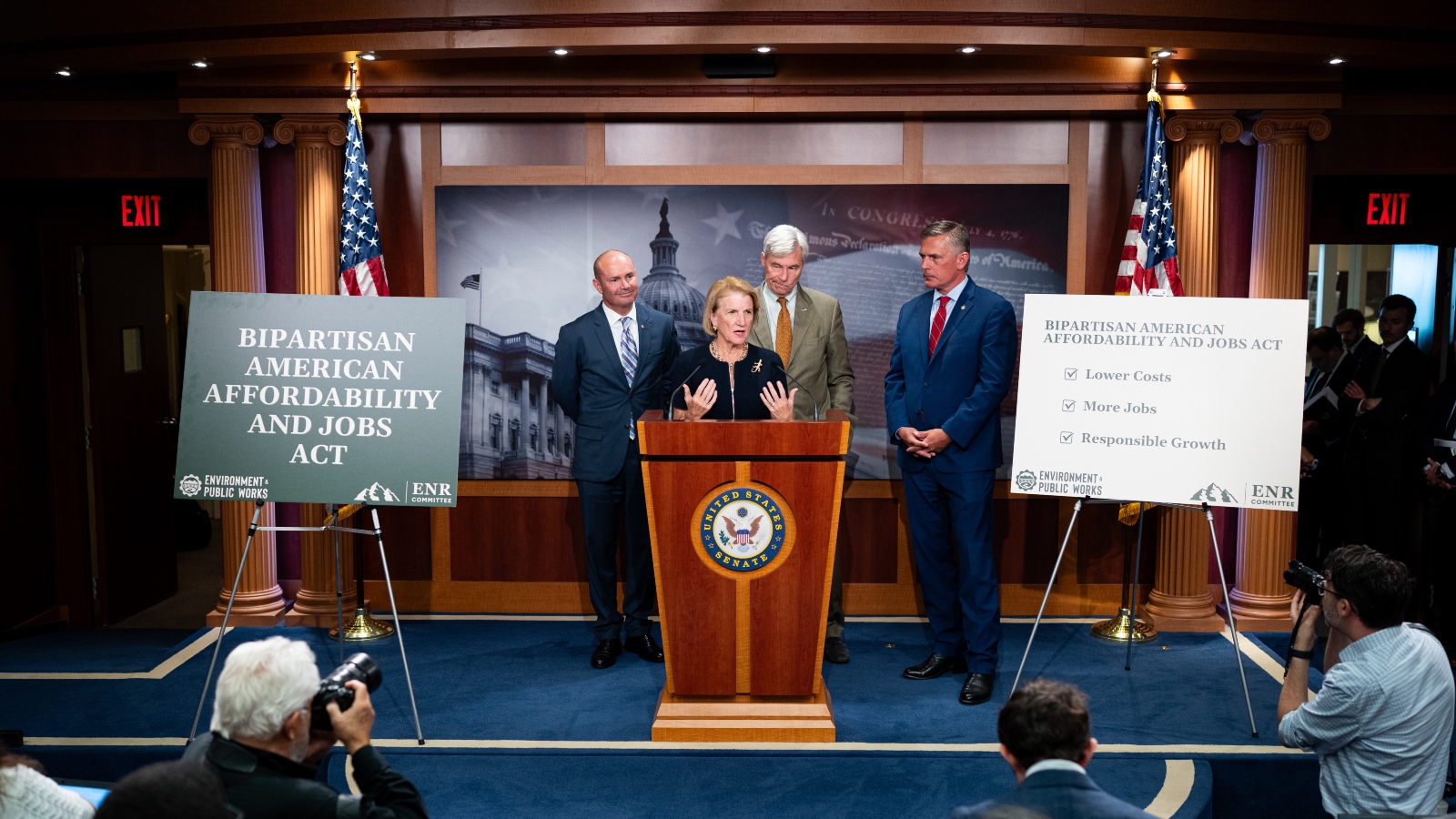
The legislative framework, dubbed the "four corners" deal, was negotiated by a bipartisan group of senators: Democrats Sheldon Whitehouse of Rhode Island and Martin Heinrich of New Mexico, alongside Republicans Mike Lee of Utah and Shelley Moore Capito of West Virginia. While the bill represents a rare moment of cross-aisle cooperation in an increasingly polarized Congress, its contents have ignited a firestorm. By proposing to limit the scope of the National Environmental Policy Act (NEPA), accelerate government agency timelines for project approvals, and restrict the ability of activists to challenge projects in court, the legislation has drawn sharp lines between those who view these concessions as a necessary evil to save the planet and those who believe it constitutes a dangerous abandonment of environmental justice.
A Chronology of the Legislative Standoff
The roots of the BAAJA debate stretch back over a decade, marked by a cycle of ambitious climate goals meeting the immovable reality of bureaucratic and legal gridlock. During the 2010s, the climate movement was largely defined by "blockade" tactics, such as the high-profile campaigns against the Keystone XL pipeline and the Dakota Access pipeline. These efforts successfully mobilized the grassroots base, but they occurred alongside an era where clean energy was often more expensive and less reliable than the fossil fuels it sought to displace.
In 2022, the passage of major federal climate investments changed the landscape, shifting the focus from simply needing to subsidize clean energy to needing to physically construct it at an unprecedented scale. However, developers soon hit a wall. According to data from the RENEW coalition, the wait times for grid interconnection—the process by which new projects are connected to the electrical system—have ballooned to an average of over five years.
The BAAJA proposal, introduced in late 2026, serves as the federal government’s direct response to this bottleneck. The bill’s primary objective is to truncate the period in which legal challenges can be brought against infrastructure projects, reducing the statute of limitations for NEPA-related lawsuits from six years to just 150 days. As the bill heads toward a post-midterm election showdown, the scramble for influence has intensified. Supporters argue that without these changes, the U.S. will fail to reach its 2030 emissions targets, while opponents warn that the bill effectively sells out vulnerable communities and biodiversity for a chance at a faster energy transition.
Supporting Data and the Cost of Delay
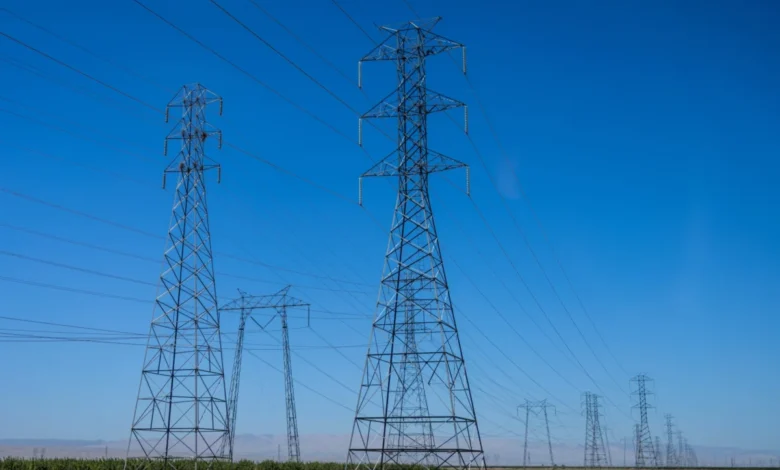
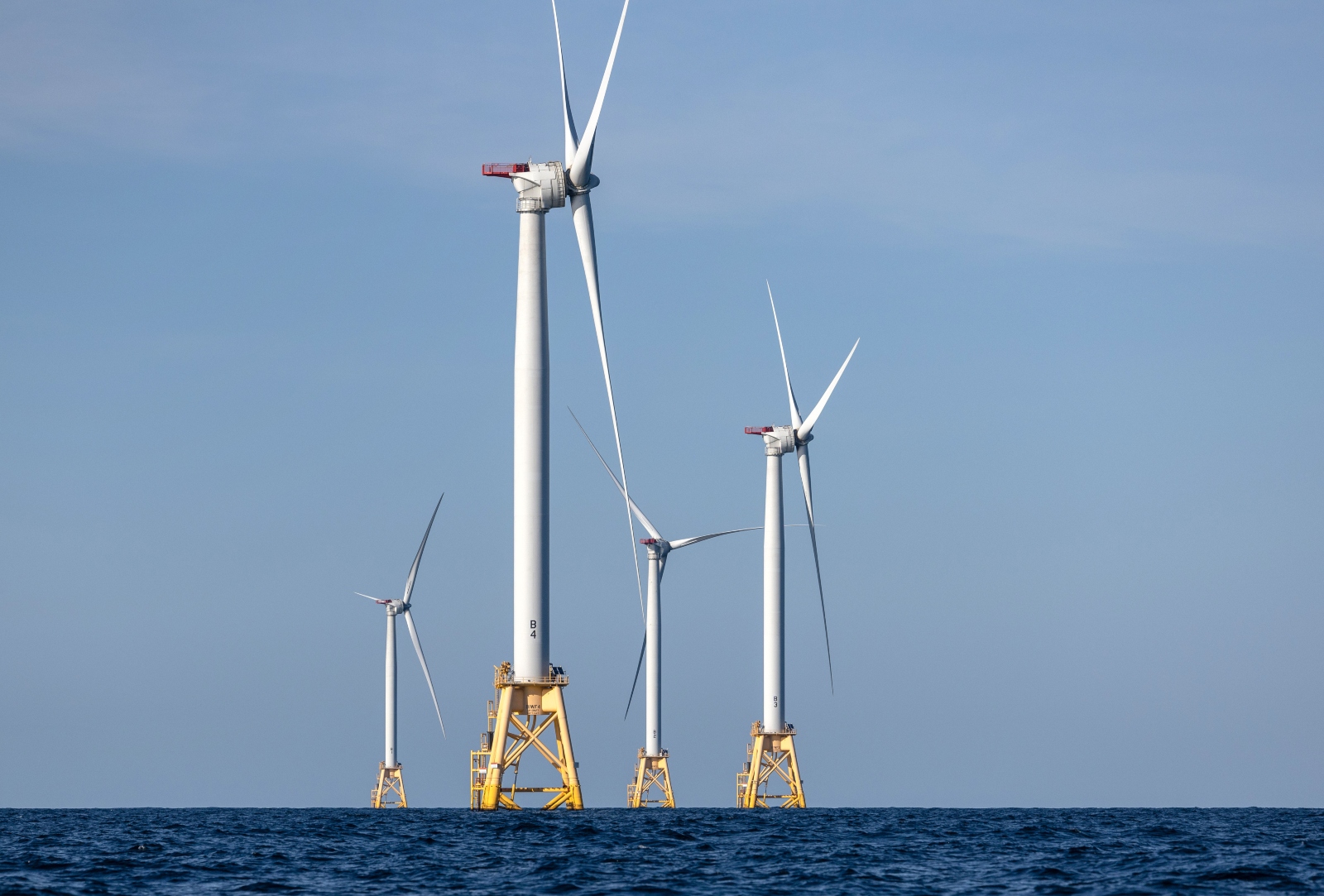
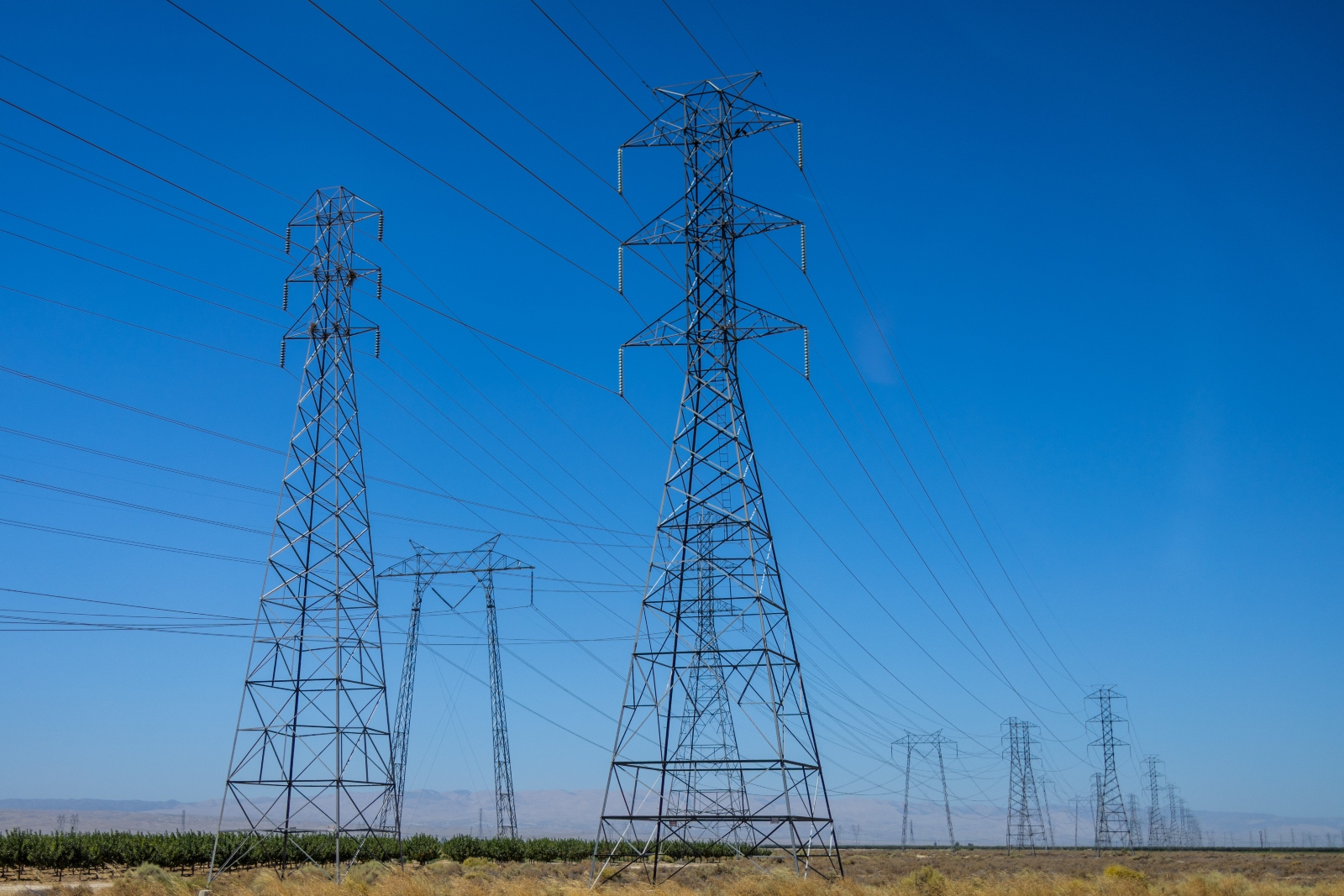
The argument for BAAJA is rooted in the sheer scale of the transition required. To meet net-zero emissions targets by 2050, the United States must triple its current electrical transmission capacity. A 2025 study published in the Environmental Law Review noted that 64 percent of solar projects, 38 percent of wind projects, and 31 percent of transmission lines face litigation under NEPA. These lawsuits, regardless of their ultimate outcome, introduce significant financial risk that can cause private investors to abandon projects entirely.
"It is a mathematical reality that we cannot build a clean energy grid at the speed required to combat climate change if every project is subject to half a decade of judicial review," says a policy analyst at a major clean energy trade association. "We are currently losing more capacity to administrative delay than to technological failure."
Conversely, the data presented by opponents—including groups like the Center for Biological Diversity—focuses on the cumulative environmental cost. Critics point out that the legislation weakens the Clean Water Act and reduces the influence of tribal nations in the permitting process. For these groups, the "efficiency" gained by the bill is a mirage that prioritizes corporate interests over the health of local ecosystems. They argue that the legal framework of NEPA is not a "roadblock" but a necessary safeguard that ensures the voices of those living near industrial sites are heard.
Official Responses and Internal Fractures
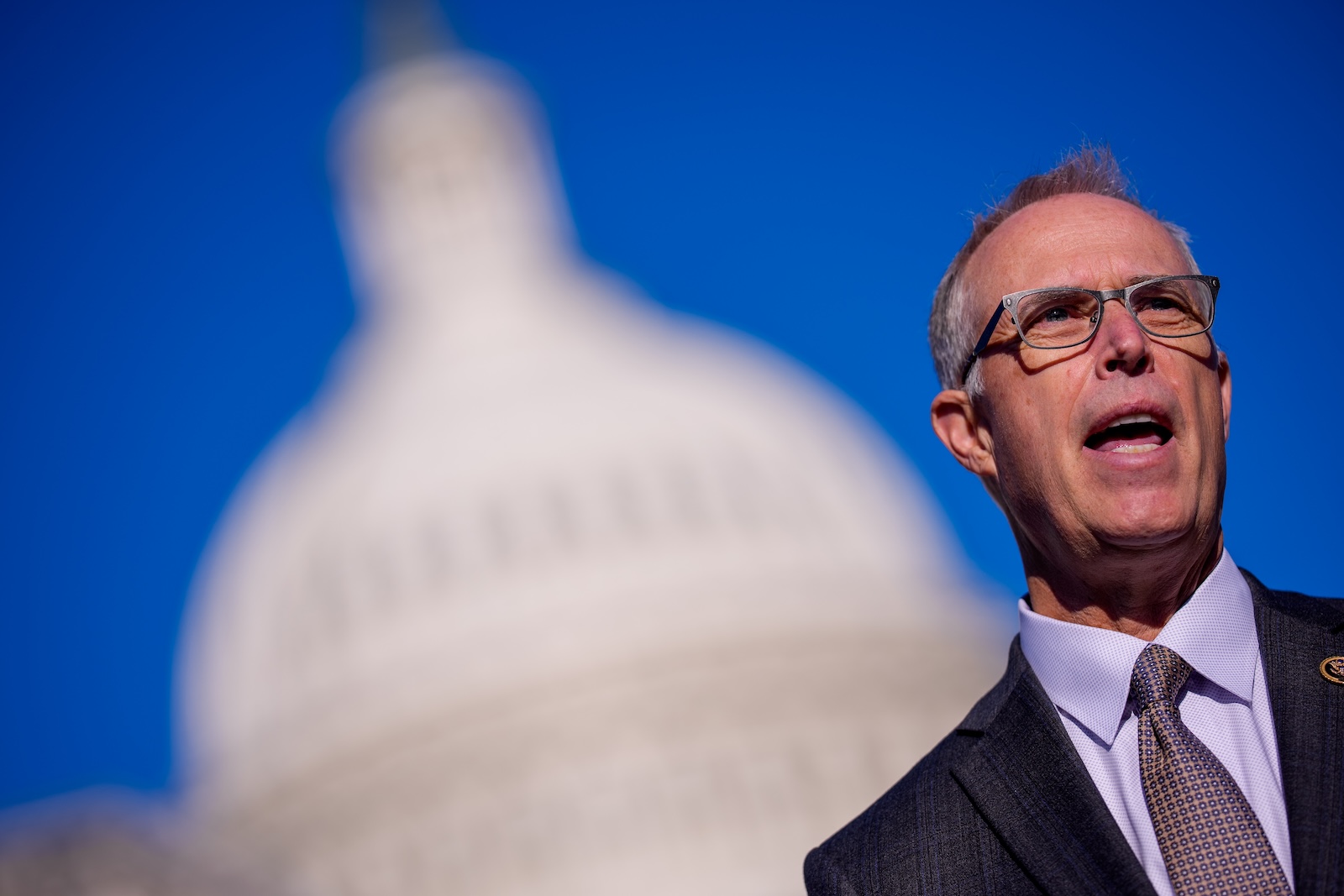
The reaction to BAAJA has been anything but monolithic, exposing deep fault lines within the environmental community. Representative Jared Huffman of California has been one of the most vocal critics within the Democratic caucus. "This is not a balanced compromise," Huffman noted in a recent interview. "It is a structural change that hands the keys of environmental regulation to the industries that have historically opposed climate action."
However, not all green organizations are aligned with this opposition. The Natural Resources Defense Council (NRDC) and other prominent environmental NGOs have maintained a cautious stance, neither fully endorsing the bill nor joining the ranks of the hardline protesters. This silence from the "big green" groups is telling; it suggests that the establishment wing of the climate movement is beginning to prioritize the physical expansion of renewables over the traditional strategy of stopping fossil fuel projects.
Meanwhile, industry representatives view the bill as a potential turning point. Ray Long, president of the American Council on Renewable Energy (ACORE), has been vocal about the economic necessity of the reform. "We have the technology, the capital, and the demand," Long stated. "What we lack is the political certainty to deploy these assets. This bill provides that certainty."
Broader Implications for the American Landscape
The passage or failure of BAAJA will likely set the precedent for climate policy for the next decade. If the bill passes, it will signal a decisive shift toward a "development-first" model of environmentalism, where the urgency of decarbonization outweighs the traditional protections afforded to land and water rights. This would represent a fundamental change in the American approach to administrative law, effectively prioritizing the construction of green infrastructure over local environmental oversight.
If the bill fails, the climate movement will be forced to confront its own inability to reconcile its internal contradictions. Without reform, the U.S. energy grid remains vulnerable to fragmentation, with clean energy resources in the Great Plains and the desert Southwest stranded from the urban load centers that desperately need them.
The debate also highlights the persistent, lingering influence of the fossil fuel industry. Even as proponents of the bill argue it will help renewables, opponents point out that the "permitting certainty" provisions would also apply to oil and gas infrastructure, potentially entrenching fossil fuel dominance in the U.S. energy mix for decades to come.
As the Senate prepares to reconvene after the midterms, the "builders vs. blockers" narrative has moved from the fringes of political discourse to the very center of the climate policy conversation. The outcome will not only determine how many solar panels or wind turbines are built, but it will also define who is permitted to speak for the environment, and which communities are expected to bear the burden of the energy transition.
Ultimately, the BAAJA conflict underscores a sobering truth: the climate crisis is no longer just about the threat of rising temperatures; it is about the difficult, often ugly choices required to build a new world out of the wreckage of the old. Whether the solution lies in further deregulation or in strengthening the democratic processes that govern the land, the American climate movement finds itself at a crossroads where the path taken will be irreversible. The coming months of lobbying, horse-trading, and public outcry will likely determine the trajectory of U.S. energy policy for a generation.