The parallel section Giornate degli Autori (GdA), a vibrant and independent sidebar of the Venice International Film Festival, has announced its highly anticipated program for the 2026 edition, showcasing a remarkable commitment to female voices and narratives. This year’s selection, meticulously curated from an impressive 1,036 submissions originating from 114 countries, features 25 world premieres, underscoring the GdA’s role as a crucial platform for emerging and established cinematic talent. Notably, 14 of these premieres are directed by women, highlighting a significant and welcome trend in global filmmaking. The competition slate comprises 10 films, with an additional film serving as the closing feature out of competition, alongside five special events and a nine-title showcase within the popular Venetian Nights strand.
This year’s edition carries a profound emotional resonance, as it is dedicated to the memory of Giorgio Gosetti, the GdA’s founder and a tireless champion of independent cinema, who passed away unexpectedly in March. His vision for a "free arena" for filmmakers and audiences has deeply shaped the section, and Artistic Director Gaia Furrer emphasized this legacy in her statement: "This edition carries with it a deep void and a deep gratitude. We owe to Giorgio the very idea for this free arena we inhabit, along with his faith in the new directions of cinema and his stubborn, loving determination to build and consolidate, year after year, a community of men and women filmmakers and audiences. This year, Giornate springs from the desire to honor this legacy by continuing to do what Giorgio taught us: seek out, discover, go wrong, become passionate about, and believe in cinema and in those who make it happen." This dedication imbues the 2026 program with a sense of purpose, aiming to uphold Gosetti’s pioneering spirit.
Opening and Closing Nights Set the Tone
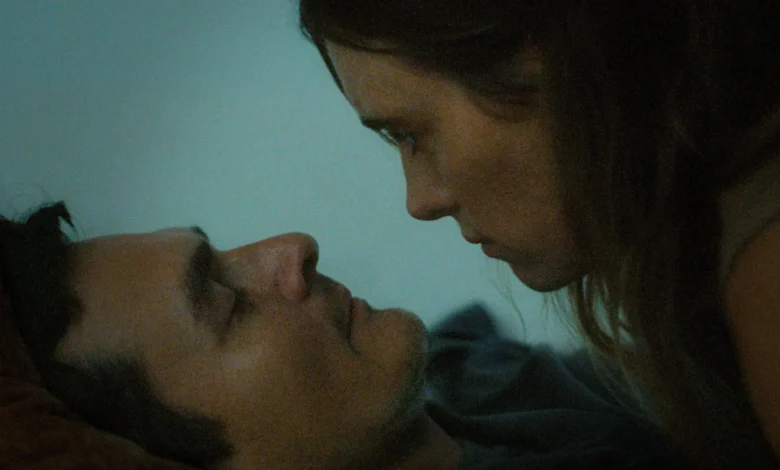
The 2026 edition will be inaugurated by the highly anticipated opening film, My Notes on Mars, the first English-language feature from acclaimed Hungarian director Lili Horvát. This science-fiction romance stars Mackenzie Davis as a scientist who embarks on a solo hiking expedition, only to vanish and reappear on the day of her own memorial service. Stripped of her memories of the intervening period, she must navigate a life she no longer recognizes. Rupert Friend co-stars in this intriguing premise that promises to blend introspective drama with speculative storytelling.
Horvát’s previous work, Preparations to Be Together for an Unknown Period of Time, garnered significant attention and awards, including the Golden Hugo at Chicago’s Film Center’s New Directors Competition. That film, a psychological drama about a surgeon who sacrifices her career for a man who subsequently denies knowing her, also debuted in the GdA’s 2020 edition, demonstrating the section’s consistent track record of identifying impactful filmmaking.
Concluding the GdA’s official selection will be A Man’s Skin, directed by Léa Domenach. Described as a vibrant queer and feminist musical comedy, the film is set against the opulent backdrop of the Italian Renaissance and boasts a star-studded cast including Pomme, Karin Viard, and Catherine Deneuve. This choice signals the GdA’s commitment to diverse genres and perspectives, offering a celebratory and thought-provoking conclusion to the festival sidebar.
A Competitive Field Rich with Diverse Voices
The competition section, the heart of the GdA’s cinematic offering, features a compelling array of films that span continents and explore a multitude of human experiences. Lili Horvát’s My Notes on Mars is among the ten films vying for the coveted awards.
Another significant contender is Agata the Writer, the latest from Polish-born, Australia-based filmmaker Kuba Dorabialski. The film stars Mia Wasikowska as an Australian writer who travels to Sarajevo to research a novel about the Bosnian War. Through her journey, she is compelled to confront the limitations of her own artistic perspective and the complexities of representing historical trauma. This selection highlights the GdA’s interest in films that engage with critical historical events and the ethics of storytelling.
Nathalia Acevedo, known for her role in Post Tenebras Lux, makes her directorial debut with Salón de Belleza. Adapted from Mario Bellatin’s radical novel, the film is set in a beauty salon within a city ravaged by an unexplained epidemic. The salon transforms into a sanctuary for the afflicted, a liminal space where individuals linger between life and death. The film’s exploration of mortality and community in the face of crisis, featuring Sam Louwyck and Erwan Kepoa Falé, promises a powerful and resonant cinematic experience.
The inclusion of established directors like Robert Guédiguian further solidifies the GdA’s reputation. His new film, A Woman Today, stars newcomer Marilou Aussilloux as a young woman grappling with the perceived distance between her personal ideals of freedom and the persistent realities of violence and inequality in contemporary society. Guédiguian’s long-time collaborators Ariane Ascaride, Jean-Pierre Darroussin, and Gérard Meylan also feature in the cast, lending their considerable talents to this exploration of modern anxieties.
A Global Tapestry of Cinematic Exploration
The GdA’s commitment to global cinema is evident in the diverse origins of the films selected. Beyond the previously mentioned titles, the competition includes:
- Sadness Sometimes, Other Times Revolt by María Aparicio (Argentina, Spain, 2026): This film signals a strong Latin American presence within the competition, promising a potentially introspective and socially conscious narrative.
- Balcanica (debut feature) by Nicola Sorcinelli (Italy, Serbia, Croatia, 2026): The co-production across Balkan nations suggests a film deeply rooted in regional identity and shared history.
- Camouflage (debut feature) by Mykyta Gibalenko (Germany, 2026): A German production, this debut feature could explore themes of identity and adaptation within a contemporary European context.
- Dear Ajayi by Damilola Orimogunje (Nigeria, Germany, 2026, 120 min): The inclusion of a 120-minute runtime for this Nigerian-German co-production suggests an ambitious narrative scope, potentially delving into complex intergenerational or cultural themes.
- I Plant My Hand in the Garden (debut feature) by Boris Hadžija & Hoda Taheri (Germany, Serbia, U.S.): This multi-national co-production hints at a project that transcends borders, possibly exploring themes of displacement, connection, or artistic collaboration.
- The Indies (debut feature) by Pauline Julier, Nicolas Chapoulier (Switzerland, Spain, 2026): Another co-production, this film from Switzerland and Spain could offer a fresh perspective on independent filmmaking or the artistic process itself.
The selection process for the GdA is rigorous, with submissions evaluated not only on artistic merit but also on their potential to spark dialogue and represent diverse perspectives. The high volume of submissions from 114 countries underscores the GdA’s growing international recognition as a vital hub for independent and auteur cinema. The 2026 edition’s focus on female directors, with 14 out of 25 world premieres helmed by women, is a significant data point reflecting a broader industry shift towards greater gender parity in filmmaking. This trend has been gaining momentum over the past decade, with various festivals and organizations actively promoting and supporting female storytellers.
Special Events and Venetian Nights
Beyond the competition, the GdA presents a curated selection of "Special Events" and the popular "Venetian Nights" showcase, offering further opportunities to discover compelling cinema.
The Special Events include:
- Al Baraneya by Ashgan El-Hamus (Netherlands, Egypt, Belgium, Saudi Arabia, 2026): This multi-national production suggests a story with broad cultural relevance.
- Carla Lonzi, A Feminist Story by Francesca Archibugi (Italy, 2026): A documentary focusing on the influential Italian feminist writer and art critic Carla Lonzi, this film promises to shed light on a pivotal figure in feminist thought.
- The Phantom by Ignacio Masllorens, David Lamelas (Argentina, 2026): The involvement of established conceptual artist David Lamelas suggests an experimental or avant-garde approach to filmmaking.
- The Massacre by Cosimo Messeri (Italy, 2026): The title itself hints at a potentially dramatic or historical narrative.
- Even If Hell Came by Samuele Rossi (Italy, 2026): This Italian production’s title evokes a sense of resilience or confronting adversity.
The nine titles featured in the Venetian Nights showcase will offer audiences a more relaxed yet equally engaging cinematic experience, often highlighting genre films or works with broader popular appeal.
The Legacy of Giorgio Gosetti and the Future of Independent Cinema
The passing of Giorgio Gosetti represents a profound loss for the independent film community. His vision for Giornate degli Autori was not merely about showcasing films, but about fostering a sense of community and encouraging a spirit of discovery. He believed in the power of cinema to challenge, to inspire, and to connect people. His dedication to nurturing new talent and championing unconventional narratives has left an indelible mark on the Venice Film Festival and the broader cinematic landscape.
Artistic Director Gaia Furrer’s words encapsulate the spirit with which the 2026 edition will proceed: a blend of mourning for Gosetti’s absence and gratitude for his immense contributions. The emphasis on "seeking out, discovering, going wrong, becoming passionate about, and believing in cinema" is a direct testament to his philosophy. This approach resonates with the inherent risks and rewards of independent filmmaking, where innovation and artistic integrity often take precedence over commercial considerations.
The GdA’s consistent dedication to showcasing films from a wide array of countries and its increasing focus on female directors position it as a crucial barometer for the evolving state of global cinema. As the film industry continues to grapple with issues of representation and diversity, the GdA’s programming choices serve as a powerful statement of intent, signaling a commitment to a more inclusive and multifaceted future for filmmaking. The 2026 edition, in particular, promises to be a poignant and potent celebration of cinematic artistry, honoring a cherished legacy while forging ahead into new territories. The Venice Film Festival, renowned for its prestigious platform, provides the ideal backdrop for this exploration of groundbreaking and diverse cinematic voices.