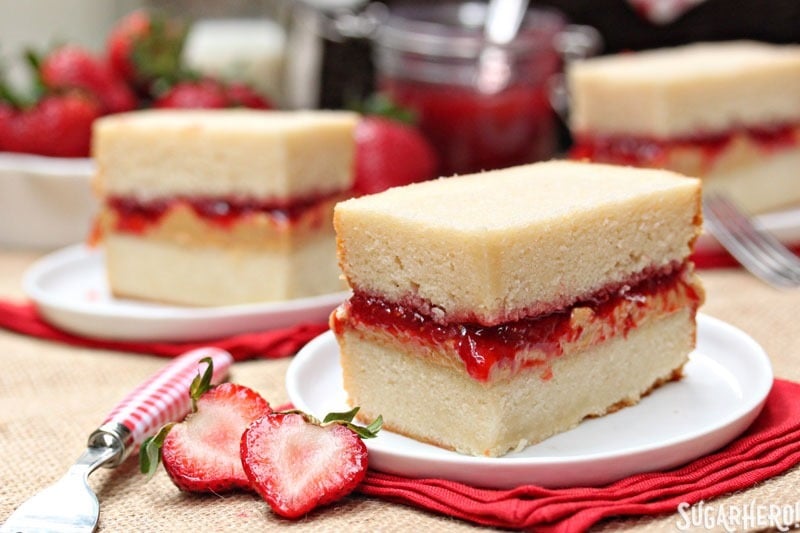
The Ultimate Guide to Peanut Butter and Jelly Sandwich Cakes: A Deliciously Deconstructed Dessert
Peanut Butter and Jelly (PB&J) sandwich cakes represent a delightful and often surprising culinary innovation, merging the nostalgic comfort of a childhood classic with the celebratory elegance of a layered dessert. This article provides a comprehensive, SEO-friendly exploration of PB&J sandwich cakes, delving into their origins, variations, baking techniques, flavor profiles, decorating possibilities, and their growing popularity as a unique party or special occasion dessert. We will explore how to transform the simple components of bread, peanut butter, and jelly into a show-stopping cake that appeals to both children and adults alike.
The concept of a PB&J sandwich cake, while seemingly straightforward, involves a thoughtful deconstruction and reimagining of familiar ingredients. Instead of assembling a sandwich, the elements are utilized as layers within a cake structure. Typically, this involves baking cake layers, creating a peanut butter-infused frosting or filling, and incorporating various forms of jelly or jam. The result is a dessert that captures the essence of a PB&J while offering a richer, more complex textural and flavor experience. The appeal lies in its inherent familiarity, offering a comforting taste profile that is simultaneously elevated into a celebratory confection. This deconstruction allows for greater creative freedom in presentation and flavor combinations, making each PB&J sandwich cake a unique creation.
Several key components are essential to a successful PB&J sandwich cake. The cake base itself can vary significantly. Classic yellow or white cake recipes are common choices, providing a neutral canvas that allows the peanut butter and jelly flavors to shine. However, a chocolate cake base can offer a more decadent contrast, particularly with a smooth peanut butter frosting. Some recipes even incorporate a hint of peanut butter directly into the cake batter for an extra layer of flavor. The quality of the bread component, even if transformed into cake layers, is important. A tender crumb that holds its structure well is ideal. Overly dense or dry cake layers can detract from the overall experience. The moisture content is crucial, as it needs to complement the richness of the peanut butter and the sweetness of the jelly without becoming soggy.
The peanut butter element is arguably the heart of the PB&J sandwich cake. This can manifest in several ways. A classic approach involves a peanut butter buttercream frosting, achieved by creaming butter with powdered sugar and incorporating smooth or crunchy peanut butter. The type of peanut butter used – creamy, crunchy, natural, or a specific brand – will influence the final flavor and texture. Natural peanut butters, which often separate and have a less sweet profile, can require adjustments in the frosting recipe to achieve the desired consistency and sweetness. For a more intense peanut butter flavor, some bakers opt for peanut butter chips melted and folded into the frosting or filling. Alternatively, a peanut butter mousse or a peanut butter ganache can be used for a lighter or richer peanut butter experience, respectively. The key is to achieve a balance where the peanut butter flavor is prominent but not overwhelming, harmonizing with the other components.
The jelly or jam component is equally vital for achieving the authentic PB&J essence. Grape jelly is the quintessential choice, evoking strong childhood memories for many. However, the possibilities are far more extensive. Strawberry jam, raspberry preserves, apricot jelly, or even a more exotic fruit spread like fig jam can be used to create unique flavor pairings. The texture of the jelly also plays a role. Smooth jellies offer a consistent sweetness and fruitiness, while preserves with whole fruit pieces can add an interesting textural contrast. Some recipes opt for a jelly or jam swirl within the cake layers, while others use it as a distinct filling between cake layers or as a glaze. The sweetness of the jelly needs to be carefully considered in relation to the sweetness of the frosting and cake, ensuring no single element dominates excessively.
The assembly of a PB&J sandwich cake is where the deconstruction truly takes form. Typically, multiple cake layers are baked and cooled. These layers are then stacked, with a generous spread of peanut butter frosting or filling between each. The jelly is then strategically placed. This could involve spreading a thin layer of jelly on top of a peanut butter frosting layer, creating distinct flavor pockets. Alternatively, some bakers incorporate a jelly syrup or glaze between the cake layers, allowing it to soak into the cake for added moisture and flavor. The crumb coating of the cake with peanut butter frosting helps to seal in the moisture and flavors before the final outer frosting is applied.
Decorating a PB&J sandwich cake offers a vast playground for creativity. For a playful and literal interpretation, one can decorate the cake to resemble an actual PB&J sandwich. This might involve frosting the top layer in peanut butter-colored frosting and then creating a "crust" effect with chocolate or graham cracker crumbs. A "slice" of jelly can be piped on top or incorporated as a jelly glaze. For a more sophisticated approach, the cake can be adorned with elegant swirls of peanut butter frosting and delicate dollops of colorful jelly. Edible flowers, fresh berries, or even miniature peanut butter cups can be used as embellishments. The presentation can range from whimsical and childlike to refined and artistic, catering to different occasions and preferences.
The popularity of PB&J sandwich cakes can be attributed to several factors. Firstly, it taps into a powerful sense of nostalgia. The familiar taste and aroma of peanut butter and jelly evoke childhood memories and comfort for many adults. This emotional connection makes the dessert inherently appealing. Secondly, it offers a novel and unexpected twist on a beloved classic. The transformation of a humble sandwich into a celebratory cake is inherently intriguing and provides a talking point at any gathering. This element of surprise and delight adds to its appeal. Thirdly, it caters to a wide range of palates. The balanced combination of sweet, salty, and fruity flavors is generally crowd-pleasing, making it a safe yet exciting choice for parties and events. Furthermore, the inherent simplicity of its core components allows for significant customization, making it adaptable to various dietary needs and flavor preferences.
Beyond the traditional peanut butter and jelly, a wealth of variations and flavor extensions can be explored in PB&J sandwich cakes. Consider incorporating different nut butters such as almond butter, cashew butter, or even sunflower seed butter for nut-free options. The jelly layer can be enhanced with liqueurs or spirits for an adult-oriented version, such as a blackberry liqueur with raspberry jam. Adding textural elements like chopped peanuts, toasted almonds, or even crispy rice cereal within the peanut butter filling can elevate the sensory experience. For a healthier rendition, consider using whole wheat cake layers, natural peanut butter with minimal added sugar, and homemade fruit compotes instead of overly processed jellies. Chocolate peanut butter combinations are particularly popular, with chocolate cake layers paired with peanut butter frosting and a dark chocolate ganache drizzled over a berry jelly filling. The possibilities are virtually endless, allowing bakers to tailor the PB&J sandwich cake to their specific desires and dietary considerations.
When it comes to baking techniques for PB&J sandwich cakes, attention to detail is paramount. Ensuring cake layers are baked evenly and cooled completely before assembly is crucial for structural integrity. Overmixing cake batter can lead to tough cakes, so follow recipe instructions precisely. For peanut butter frosting, achieving the right consistency is key; too soft and it will ooze, too stiff and it will be difficult to spread. This can often be adjusted with small additions of milk or powdered sugar. When incorporating jelly, consider using a jelly that has a slightly higher pectin content to prevent it from becoming too runny and making the cake layers soggy. A jelly glaze made by gently heating jelly with a touch of water can provide a beautiful sheen and an even layer of flavor without excessive moisture. For those seeking a more intense peanut butter flavor in the cake itself, incorporating melted peanut butter into the dry ingredients or creaming softened peanut butter with sugar before adding other wet ingredients can be effective. Testing the doneness of cake layers with a toothpick is a standard but essential practice.
The nutritional aspect of PB&J sandwich cakes, while not typically the primary focus, can be addressed. The dessert inherently contains protein from the peanut butter, carbohydrates from the cake and jelly, and fats from the peanut butter and butter in the frosting. For those seeking to manage sugar intake, using unsweetened or naturally sweetened nut butters and opting for fruit compotes made with minimal added sugar can be beneficial. Substituting some of the butter in the frosting with cream cheese or Greek yogurt can reduce fat content and add a tangy counterpoint. Whole grain flours can be used in cake batters to increase fiber content. Portion control is also a significant factor in enjoying these cakes responsibly.
The SEO potential of an article on PB&J sandwich cakes is significant, as the topic appeals to a broad audience searching for unique dessert ideas, nostalgic recipes, and creative party food. Keywords such as "PB&J cake," "peanut butter and jelly cake recipe," "sandwich cake ideas," "nostalgic desserts," "unique party cakes," "easy cake decorating," "kid-friendly desserts," and "adult birthday cakes" can be strategically incorporated throughout the text. High-quality images accompanying such an article would further enhance its visual appeal and shareability, directly impacting its search engine ranking and user engagement. The detailed breakdown of ingredients, techniques, and variations provides valuable content that search engines are designed to prioritize.
In conclusion, PB&J sandwich cakes offer a delectable and innovative approach to dessert creation, successfully bridging the gap between childhood comfort and sophisticated celebration. By deconstructing and creatively reassembling the familiar elements of peanut butter, jelly, and bread, bakers can craft visually stunning and gastronomically delightful cakes. The inherent nostalgia, surprising twist, and universally appealing flavor profile contribute to their growing popularity. Whether aiming for a whimsical, child-friendly design or an elegant, adult-oriented confection, the PB&J sandwich cake provides a canvas for endless culinary creativity, ensuring its place as a beloved and enduring dessert option. The exploration of variations, advanced baking techniques, and nutritional considerations further solidifies its versatility and appeal to a diverse range of bakers and dessert enthusiasts.

