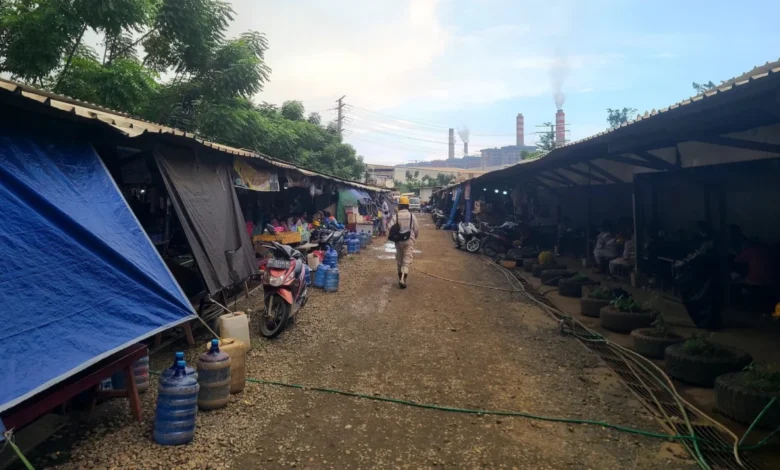
When a young man named Min left the parched, dust-swept plains of central Myanmar for the rugged mountains of the eastern border with China earlier this year, he was not seeking adventure, but survival. In the wake of the 2021 military coup, Myanmar’s formal economy has effectively collapsed, leaving a generation of young people with a choice between starvation, forced conscription into a widely loathed military, or hazardous labor in the country’s lawless borderlands. Min chose the latter, paying a broker 2,000 Chinese yuan ($290) to secure a position for himself and his younger brother at a rare earth mining site in an autonomous region controlled by a powerful ethnic militia.
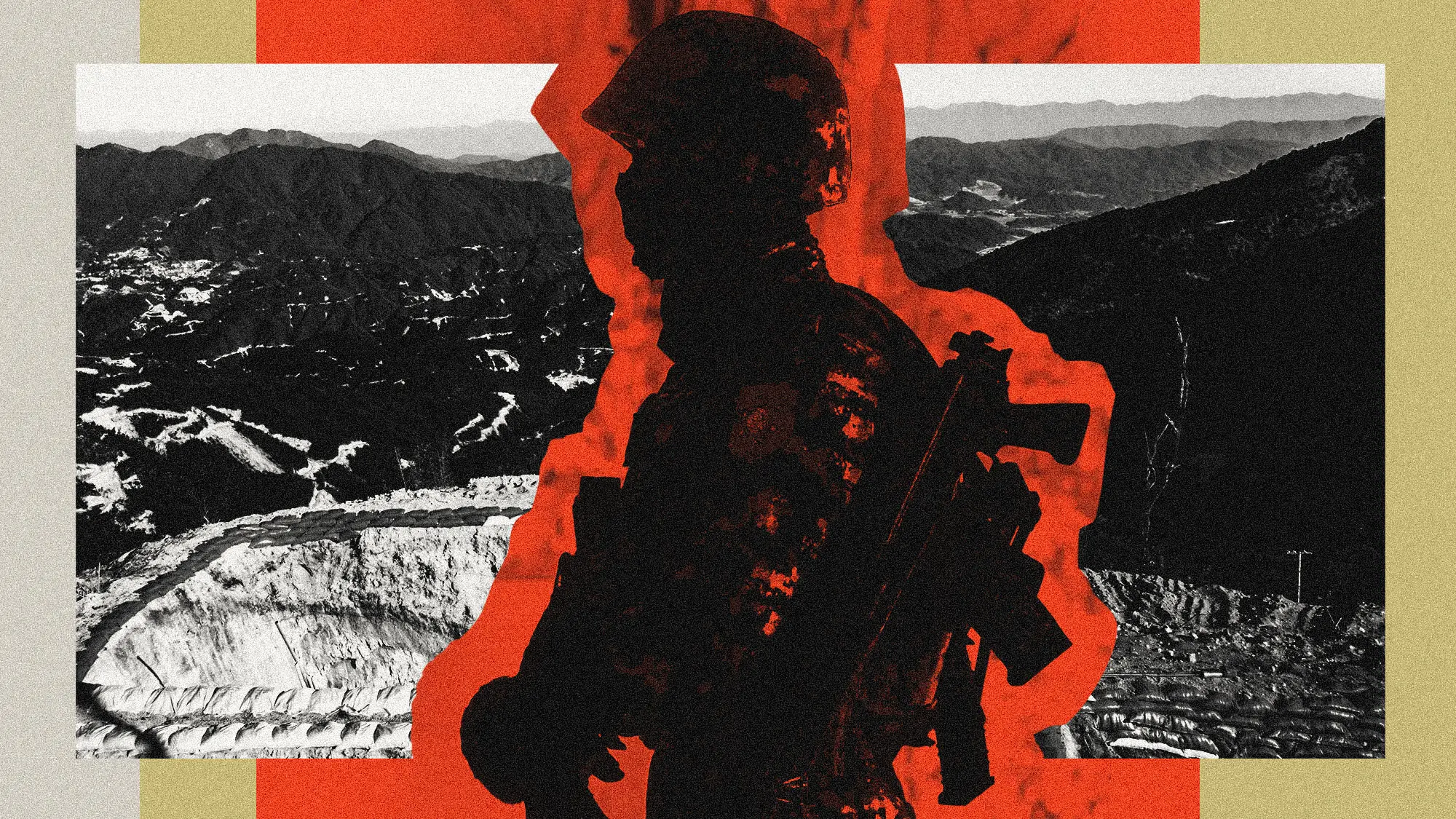
The work was lucrative by local standards, paying approximately 3,000 yuan ($430) per month, but the environmental and physical costs were immediate. Tasked with carving roads into unstable, steep slopes, Min watched as his brother—inexperienced with heavy machinery—struggled against the elements. Weeks into their tenure, a massive landslide buried his brother. While local media have documented at least five fatal landslides at such sites in recent years, including one instance where over a dozen workers were entombed, Min’s brother’s body was never recovered. His family held religious rites over an empty grave. Despite the grief, Min remains at the site. In a country ravaged by civil war and economic ruin, there are simply no other options.
Min’s story is a microcosm of a burgeoning global crisis. As the world pivots toward renewable energy, the demand for rare earth elements—the 17 minerals essential for electric vehicle (EV) motors, wind turbines, and advanced weapons systems—has reached a fever pitch. Myanmar has emerged as the primary source for a particularly coveted subset known as heavy rare earths. However, the "green" revolution driving this demand is currently being fueled by a secretive, toxic, and violent industry that operates in a legal vacuum, funding conflict and devastating some of the most biodiverse regions on Earth.
The Strategic Importance of Myanmar’s Heavy Rare Earths
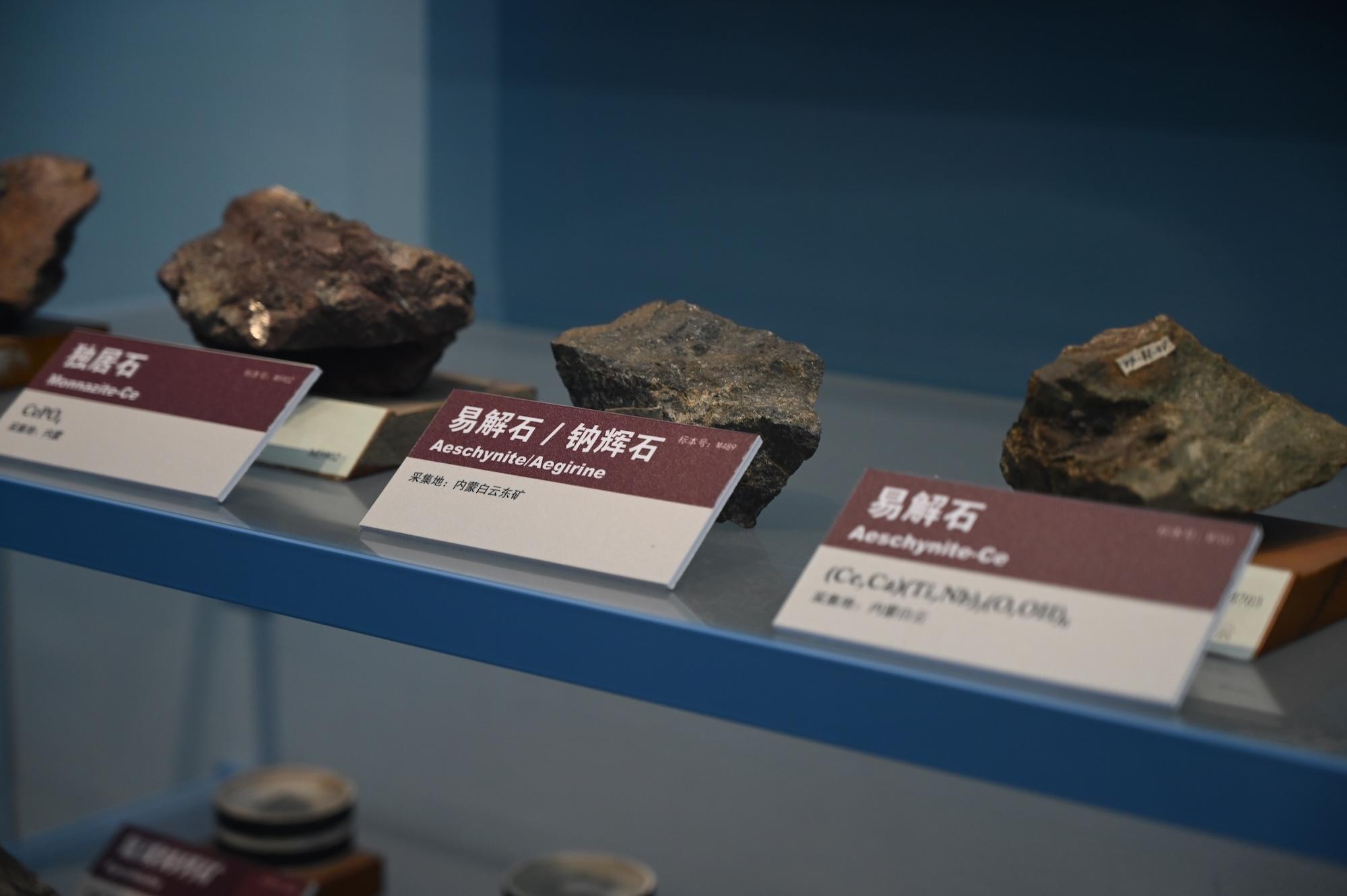
Rare earth elements are not necessarily "rare" in terms of crustal abundance, but they are seldom found in concentrations that are economically viable to mine. Myanmar’s eastern borderlands contain unique ion-adsorption clays that are rich in heavy rare earths like dysprosium and terbium. These specific elements are vital for the production of neodymium-iron-boron (NdFeB) magnets, which can maintain their magnetism at high temperatures—a requirement for EV drivetrains and the generators in offshore wind turbines.
According to data from the environmental nonprofit Global Witness, Myanmar surpassed China as the world’s largest source of heavy rare earths in 2021. Between 2017 and 2024, China imported more than 320,000 tons of rare earths from Myanmar, accounting for roughly two-thirds of its total imports. This dependency has created a geopolitical bottleneck. While China holds 90 percent of the world’s processing capacity, it relies on Myanmar for the raw ore. As the United States and its allies attempt to "de-risk" their supply chains from Chinese dominance, the focus has shifted toward Myanmar, despite the country being under heavy international sanctions.
A Chronology of Conflict and Extraction
The roots of Myanmar’s mining crisis are deeply embedded in its history of ethnic conflict. Since gaining independence from Britain in 1948, the country has been embroiled in the world’s longest-running civil war. Ethnic minorities, such as the Kachin and Shan, have fought for decades for autonomy against a central government dominated by the Burman majority.
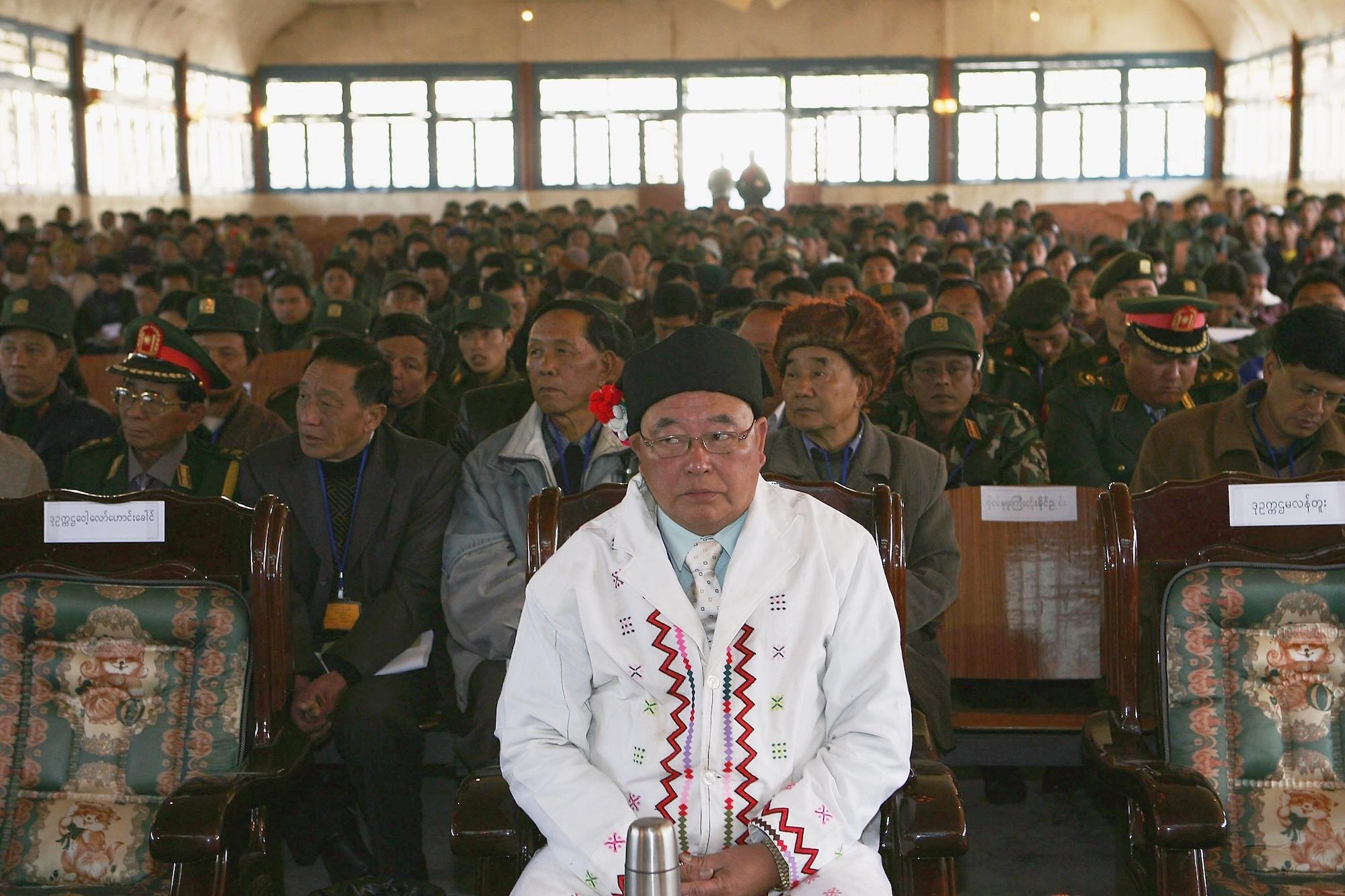
In the late 1980s, the military government began employing a strategy known as "ceasefire capitalism." By granting ethnic warlords autonomy to exploit natural resources in exchange for ending their insurgencies, the military created a series of "Special Regions" along the Chinese border. One of the most prominent figures in this system was Zahkung Ting Ying, a former rebel who established a pro-military militia in 1898. His territory, centered around the border town of Pangwa, became the epicenter of the rare earth boom in 2017.
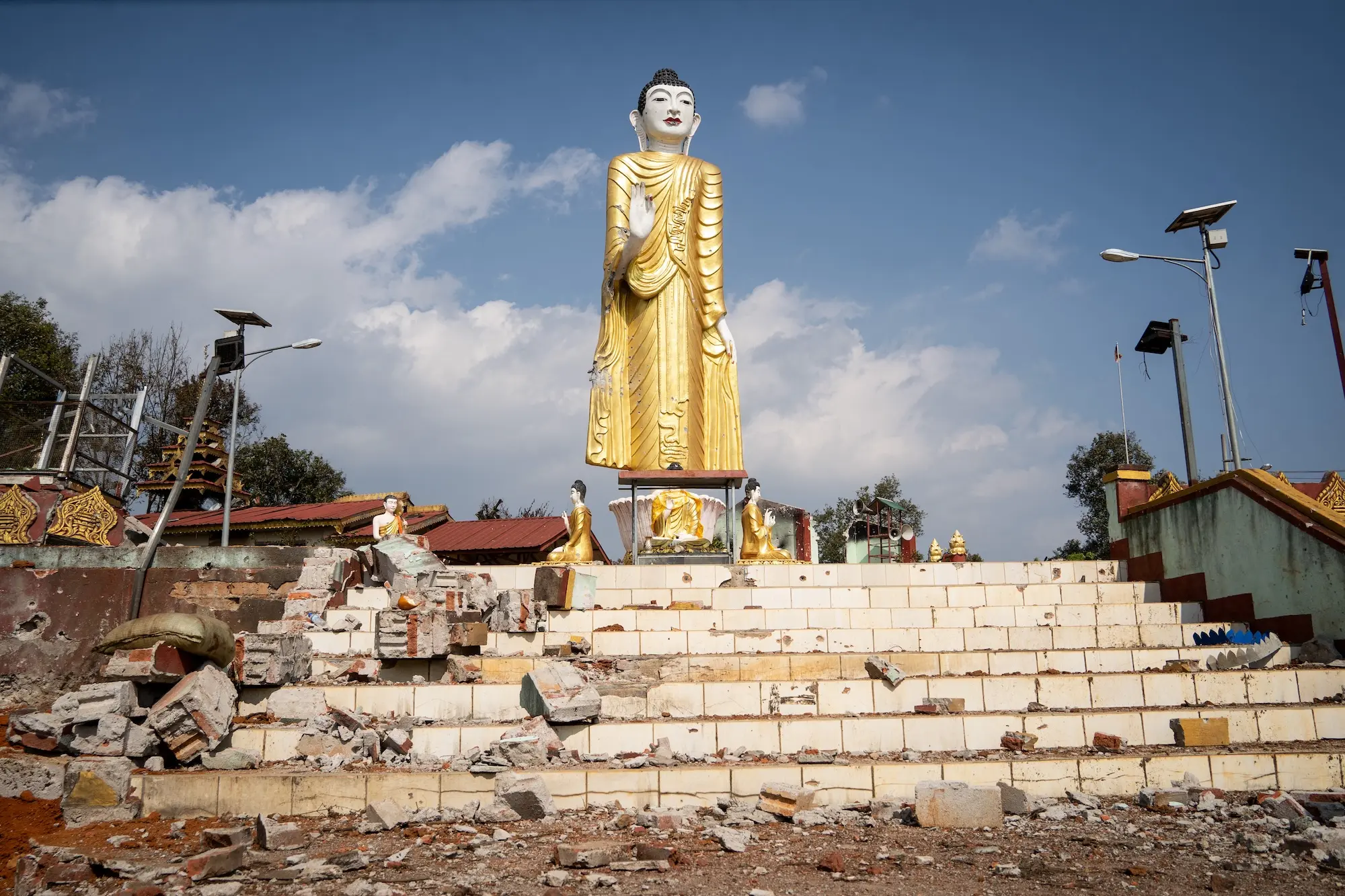
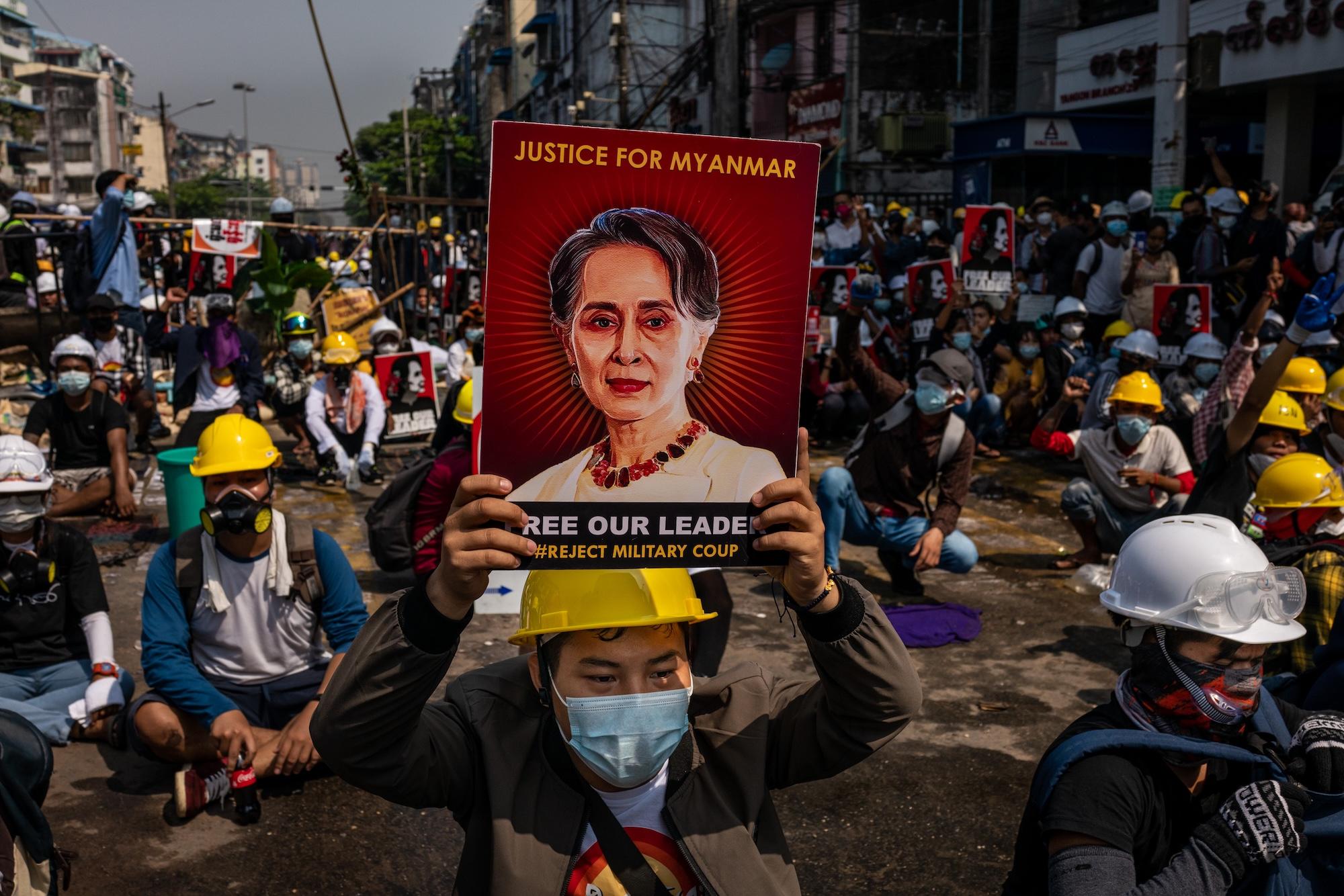
The 2021 coup accelerated this trend. As the military junta faced a widespread armed uprising, its need for foreign currency grew desperate. Simultaneously, the chaos of the war allowed for a total breakdown of environmental and labor oversight. Satellite imagery analyzed by Global Witness showed that by 2022, hundreds of rare earth mining sites had blossomed across Kachin State. When the Kachin Independence Army (KIA) defeated Ting Ying’s forces in late 2024, the industry did not disappear; it simply shifted. Chinese investors moved further south into Shan State, partnering with other militias like the United Wa State Army (UWSA) to maintain the flow of minerals.
The Environmental Apocalypse: In-Situ Leaching
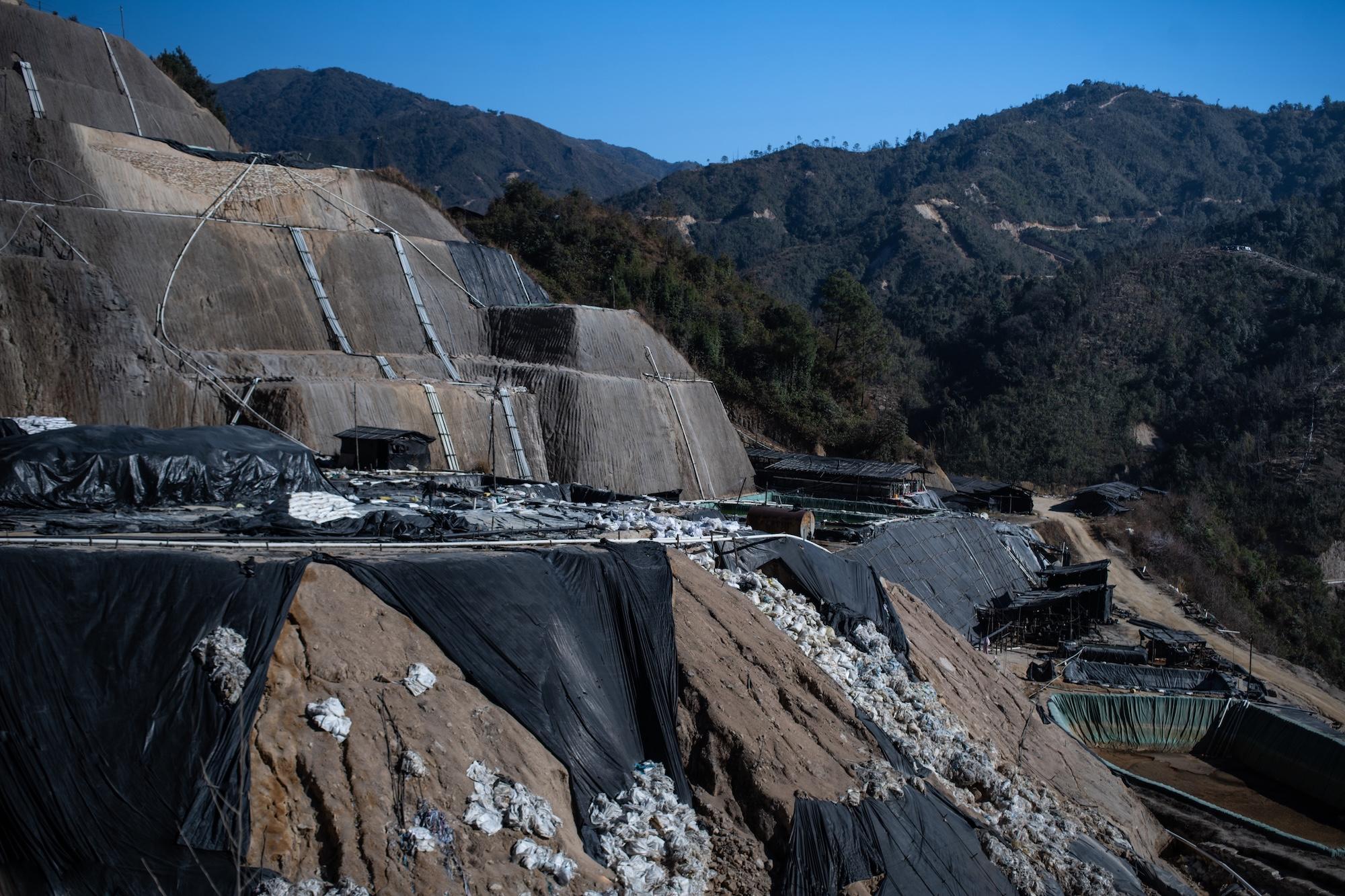
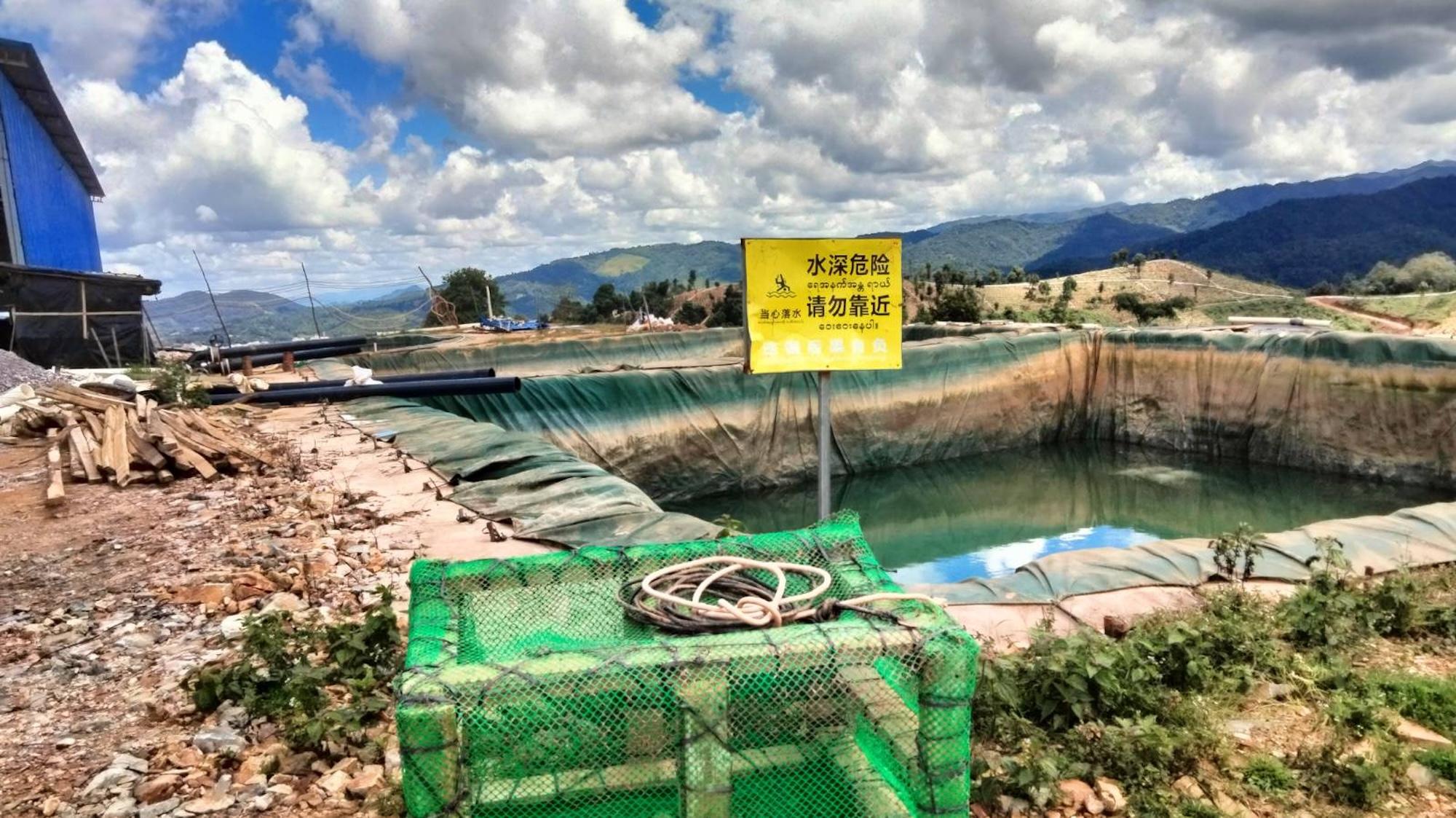
The method used to extract rare earths in Myanmar is known as in-situ leaching, a process so toxic that it has been largely restricted within China’s own borders. The process involves drilling hundreds of boreholes into a mountainside and injecting a mixture of ammonium sulfate and other chemical solvents. These chemicals dissolve the rare earth elements, which are then collected in plastic-lined pools at the base of the mountain.
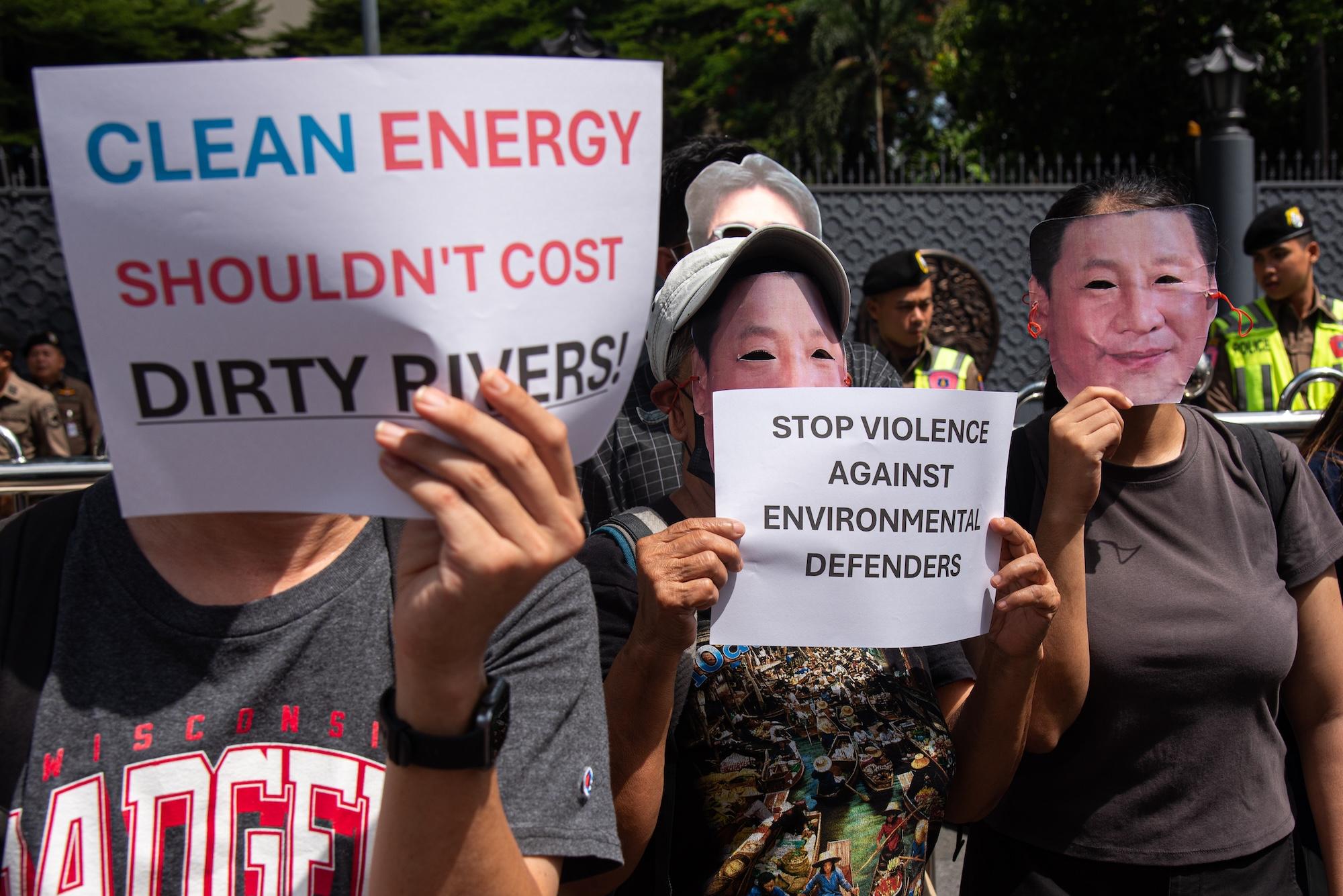
The environmental consequences are permanent. Regan Kwan, a research analyst at the Stimson Center, notes that chemical leaks and wastewater discharge turn local rivers into toxic corridors. "Chronic exposure can affect the brain, liver, bones, and immune systems," Kwan stated. In villages near the mines, the soil has changed from a rich reddish hue to a pale, yellowish dust. Farmers report that crop yields have plummeted, and livestock often fall ill after drinking from local streams.
In Thailand, water testing has revealed that toxic runoff from Myanmar’s mines is now contaminating tributaries of the Mekong River. Despite the cross-border nature of the pollution, there is little the Thai government or international bodies can do, as the mines are located in territories controlled by non-state armed actors who operate outside the reach of international law.

Labor Exploitation and "Laundered" Supply Chains
The human cost of the industry extends beyond environmental degradation to what human rights groups describe as "slave labor." In May 2024, reports emerged of Chinese mining firms in Shan State using prisoners and human trafficking victims. Workers interviewed for this report described a rigid hierarchy where Chinese nationals hold all management positions, while Myanmar laborers are subjected to dangerous conditions without contracts or safety gear.
The compensation for injury or death is starkly unequal. According to Kaung, a former site supervisor, the family of a Myanmar worker killed on the job might receive 80,000 yuan ($11,000), while the compensation for a Chinese national can exceed 2 million yuan ($280,000). Women at the sites face additional risks, including sexual harassment and dismissal for refusing the advances of supervisors.
Once the ore is extracted, it is trucked across the border into China, where it enters a "black box" processing system. Ryan Castilloux, managing director of Adamas Intelligence, explains that the material is blended with rare earths from other sources, making it nearly impossible to trace. "If you’re buying magnets from China, there is a portion of that material that has certainly come from Myanmar," he said. This allows global manufacturers of EVs and wind turbines to claim their supply chains are "clean" while indirectly funding the very conflict and environmental destruction they claim to oppose.
Geopolitical Implications and the Race to the Bottom
The scramble for Myanmar’s minerals has created strange bedfellows. While the United States has sanctioned the Myanmar military for human rights abuses, some American interests have lobbied for the U.S. to pursue access to the country’s rare earths to counter China’s monopoly. In 2026, the Trump administration signed a deal with India to cooperate on securing critical minerals, a move that analysts say is aimed squarely at the resources found in Myanmar’s borderlands.
Meanwhile, the Myanmar junta has attempted to leverage its mineral wealth to gain international legitimacy. Junta leader Min Aung Hlaing recently met with Indian Prime Minister Narendra Modi to discuss "deepening cooperation" in the rare earth sector, despite the fact that many of the mining areas are currently held by rebel forces.
This competition for control is creating a "race to the bottom" in terms of standards. As Julie Michelle Klinger, an associate professor at the University of Wisconsin-Madison, points out, there are currently no mechanisms to ensure that minerals mined for the "energy transition" are actually used for that purpose. In a world of global rearmament, a significant portion of Myanmar’s rare earths likely ends up in the guidance systems of missiles and the engines of fighter jets.
Conclusion: The Sacrifice Zone
For the people living in the shadow of the mines, the global debate over the green energy transition feels like a cruel abstraction. Nyi Tun, a village elder in his 50s, has watched his ancestral lands turn into what geographers call a "sacrifice zone." "Some people call this development, but I don’t see it that way," he said. "I feel sad seeing our ancestral lands and farms damaged."
As the international community pushes for a "just transition" to a low-carbon economy, the reality in Myanmar suggests that the transition is currently anything but just. Without rigorous, transparent supply chain mapping and a willingness to confront the role of conflict minerals in the green economy, the world risks saving the climate at the cost of destroying the very communities and ecosystems it intends to protect. For workers like Min, the choice remains a grim one: risk death in the mines of the east, or face the violence of the war in the heartland. Until the global demand for rare earths is decoupled from the lawlessness of Myanmar’s borderlands, the "green" future will continue to be written in toxic yellow dust and the blood of the desperate.