As Tadej Pogačar prepares to make his final ceremonial ride onto the Champs-Élysées in Paris this Sunday, the cycling world is bracing for a coronation that feels as much like a relief as it does a celebration. While the Slovenian’s commanding performance throughout the three-week race has left little doubt regarding his athletic supremacy, the 2026 Tour de France will be remembered less for the individual brilliance of its yellow jersey wearer and more for the environmental gauntlet the peloton was forced to navigate. The 23-day trek through the heart of France was besieged by a relentless barrage of emissions-driven climate extremes, ranging from uncontrollable wildfires to a record-breaking European heatwave that threatened the very continuity of the world’s most prestigious bicycle race.
The journey from the Grand Départ to the final sprint in Paris has been a stark illustration of the "new normal" for outdoor athletics in a warming world. Throughout the race, organizers were forced to implement unprecedented safety measures, including the banning of smoking for TV crews in tinder-dry regions and the historic shortening of race stages. The conditions were so severe that Pogačar himself, a rider known for his resilience, broke the traditional stoicism of the peloton to suggest a radical overhaul of the cycling calendar. If he held the power, the champion noted, he would move the race out of the increasingly lethal summer months of July and August.
A Chronology of Crisis: From Wildfires to Red Alerts
The logistical and safety challenges began early in the event, specifically during the third stage as the race entered the Pyrenees-Orientales region. This area, already suffering from a prolonged drought, became a flashpoint for wildfires that jeopardized the finish line. For the first time in recent memory, race director Christian Prudhomme and local authorities seriously considered the total cancellation of a stage due to fire risk. While the race ultimately proceeded, it did so under "exceptional measures."
The traditional publicity caravan—a massive procession of branded vehicles that precedes the riders and distributes souvenirs to fans—was stripped down to only essential security and support vehicles to minimize ignition risks and traffic congestion in fire-prone zones. In a move that struck at the heart of the Tour’s culture, fans were asked to stay away from the final 27 miles of the 121-mile stage. This restriction turned the usually raucous mountain passes into eerie, silent corridors, emphasizing the gravity of the environmental threat. Prudhomme emphasized that the protection of the public and the local environment had to take precedence over the spectacle, marking a shift in the race’s operational priorities.
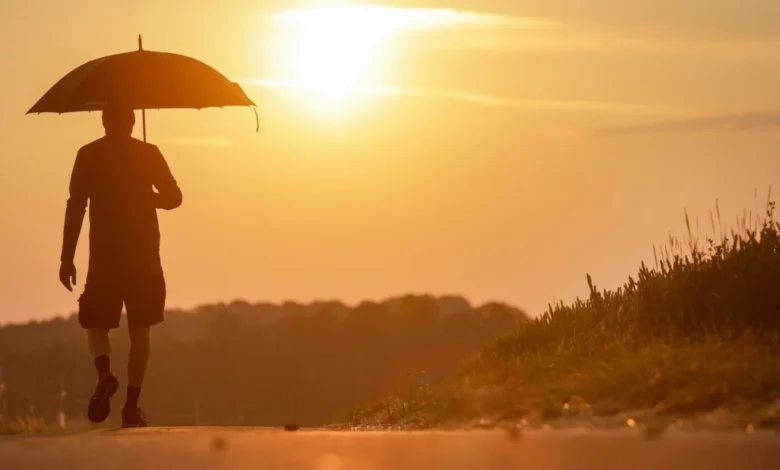
By the second week, the primary threat shifted from fire to ice—or rather, the lack of it. A persistent heatwave gripped Western Europe, pushing temperatures to levels that tested the limits of human thermoregulation. Data from ProCyclingStats.com revealed that the first two weeks of the 2026 Tour saw an average temperature of 87 degrees Fahrenheit, a significant jump from the 79-degree average recorded just four years prior in 2022. On several days, peak temperatures on the asphalt exceeded 100 degrees Fahrenheit, creating a "radiant oven" effect for the riders.
The Physiological Toll on the Peloton
The physical demands of the Tour de France are legendary: riders cover approximately 100 miles daily, often maintaining speeds of 30 mph while climbing some of the steepest paved roads in the world. Under normal conditions, this requires a caloric intake and hydration strategy that would overwhelm an average person. Under the 2026 heatwave, the requirements became superhuman.
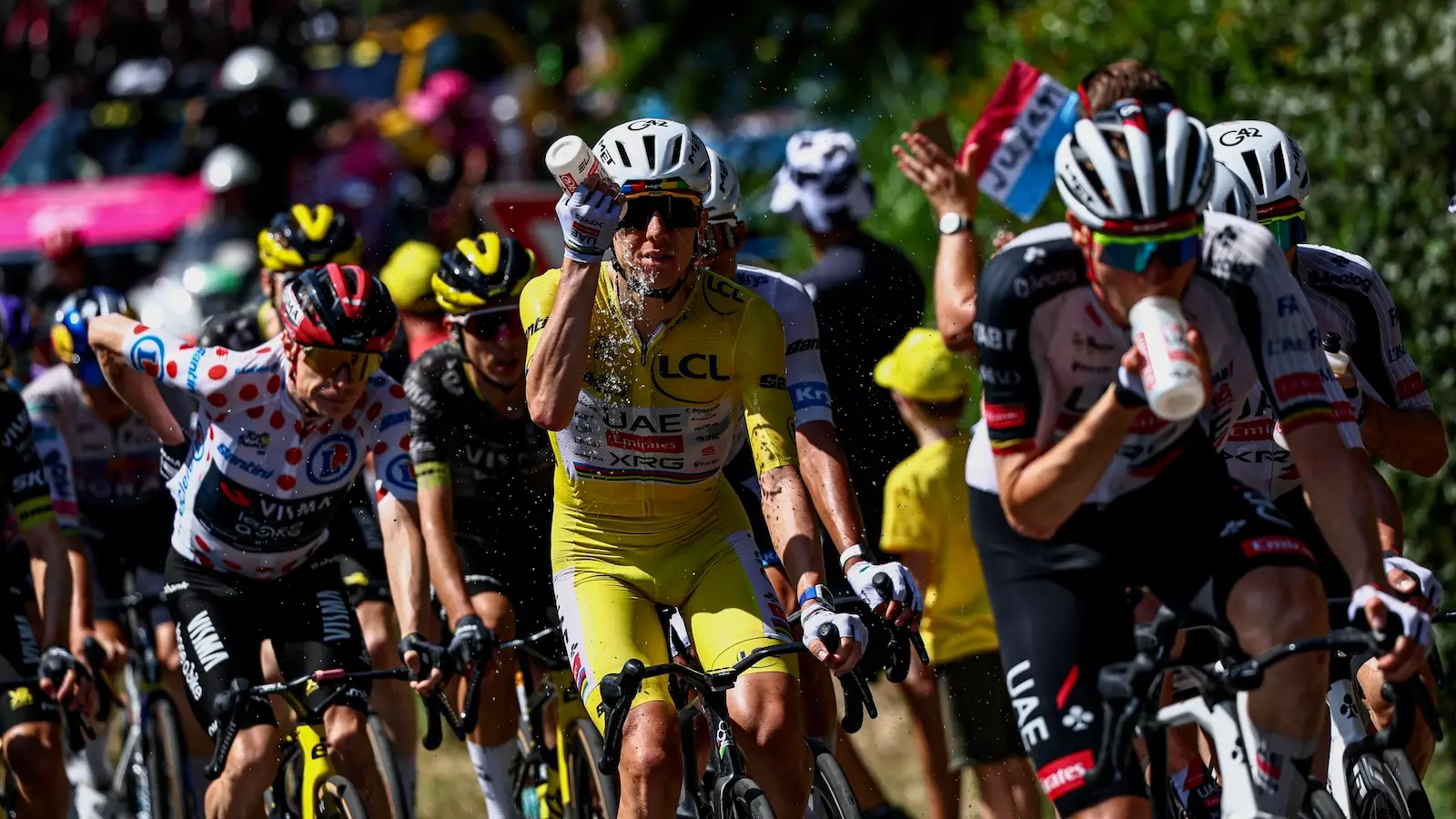
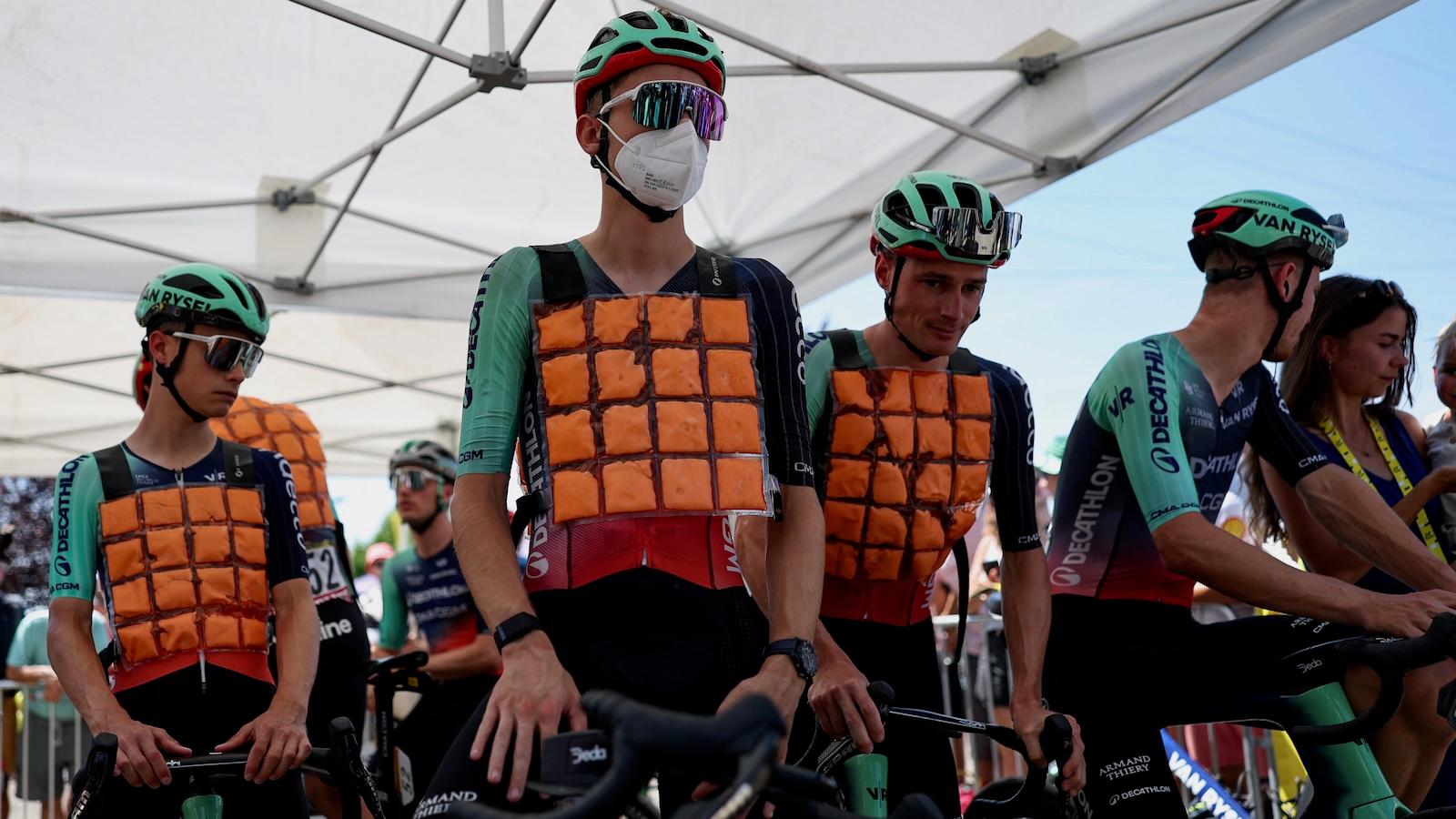
Teams reported that individual riders were consuming upwards of 28 bottles of water and electrolyte solutions per day—nearly four times the standard intake for a typical mountain stage. Despite this, the symptoms of heat exhaustion were prevalent. Pogačar admitted to suffering from a "full headache" at the start of Stage 4, a classic early sign of heat stress. To combat the rising core temperatures, the peloton adopted technology usually reserved for extreme industrial environments. Riders were seen wearing "ice vests" lined with frozen gel packs until the very moment the starting flag dropped, and "ice socks"—nylon stockings filled with ice cubes—were tucked into the back of jerseys to provide conductive cooling against the spine during the race.
The Union Cycliste Internationale (UCI), the sport’s governing body, was forced to relax its stringent "feed zone" rules, allowing teams to hand out bottles more frequently and closer to the finish lines than typically permitted. However, the most significant intervention occurred during Stage 9, when organizers took the historic step of cutting 30 kilometers (18.6 miles) from the route to protect the riders from a forecasted temperature peak. This marked the first time in the Tour’s century-long history that a stage was shortened specifically due to heat, rather than snow or landslides.
Scientific Context and the Failure of Recovery
Climate scientists argue that the conditions witnessed during this Tour are not an anomaly but a predictable outcome of global temperature trends. Ivana Cvijanovic, a leading climate scientist at the French National Research Institute for Sustainable Development, noted that the 2026 summer offered no "luck" for the organizers. Persistent high-pressure systems over France and Spain have made heatwaves more frequent, longer-lasting, and more intense.
A critical factor in the exhaustion of the peloton was the lack of nighttime recovery. In many parts of rural France, the historic hotels used by the teams are not equipped with air conditioning. When nighttime temperatures fail to drop below 75 or 80 degrees Fahrenheit, the human body cannot shed the heat accumulated during six hours of racing. Kurt Shickman of the World Resources Institute pointed out that this lack of "thermal respite" means athletes begin each subsequent day with a physiological deficit. The cumulative effect of 21 days of such conditions raises the risk of exertional heat stroke, a potentially fatal condition, even for elite athletes.
The Sponsorship Paradox: Fossil Fuels and the "Rule of Silence"
As the race struggled against the effects of climate change, a burgeoning controversy regarding its financial foundations took center stage. The Tour de France remains heavily reliant on sponsorship from industries directly linked to carbon emissions. French energy giant TotalEnergies not only sponsors a competing team but also holds a major multi-year deal to underwrite the race itself. Similarly, other major events in the cycling calendar, such as the Tour Down Under, receive significant backing from fossil fuel companies like Santos.
This creates a paradox: the very entities funding the survival of the sport are the ones driving the climatic shifts that make the sport’s traditional format impossible to maintain. An anonymous rider speaking to Cycling Weekly compared the current climate around fossil fuel sponsorship to the "omertà," or code of silence, that once shielded systemic doping in the 1990s and early 2000s. There is a sense among the peloton that while the heat is discussed constantly, the root causes are treated as a taboo subject due to the financial dependency of the teams and organizers.
Advocacy groups have begun to point out that cycling, a sport that markets itself on the beauty of the natural landscape and the "green" nature of the bicycle, is increasingly acting as a billboard for companies that threaten that very landscape. This "sportswashing" debate is not unique to cycling—similar criticisms have been leveled at FIFA for its partnership with Aramco—but the direct physical impact of the climate on the Tour de France makes the contradiction particularly visible.
Looking Ahead: A Transformed Racing Calendar?
The 2026 Tour de France has sparked an existential conversation about the future of the "Grand Tours." Pogačar’s suggestion to move the race away from July would require a total dismantling of the professional cycling season. Currently, the Giro d’Italia takes place in May, the Tour in July, and the Vuelta a España in August and September. Moving the Tour would create a domino effect, potentially pushing other races into windows where they would face their own weather risks, such as spring floods or early winter snow in the high mountains.
Alternative solutions include shifting race start times to the early morning—at dawn—to avoid the mid-afternoon heat peaks. However, this poses significant challenges for global broadcast schedules, which rely on afternoon finishes in Europe to capture peak television audiences in both the EU and the Americas. Furthermore, the logistics of moving thousands of people, including the caravan, media, and security, on a daily basis are predicated on a specific daylight window.
As the peloton reaches Paris, the mood is one of somber reflection. The 2026 Tour proved that the sport can adapt in the short term through "exceptional measures," but it also highlighted the fragility of outdoor events in an era of environmental instability. The "inevitably sweaty conclusion" on the Champs-Élysées is more than just the end of a race; it is a signal that the traditional July Tour de France may soon be a relic of a cooler past. The challenge for the UCI and race organizers in the coming years will be to decide whether they will continue to race against the climate or lead the way in adapting the sport to a world that is fundamentally changing.