The global climate crisis is frequently framed through the lens of carbon dioxide (CO2) emissions, yet an invisible, odorless, and far more potent gas is increasingly dominating the scientific and policy discourse. Methane (CH4), a simple hydrocarbon consisting of one carbon atom and four hydrogen atoms, has emerged as the second-most significant contributor to anthropogenic global warming. While CO2 persists in the atmosphere for centuries, methane is a short-lived climate pollutant with an atmospheric lifespan of approximately 12 years. However, its ability to trap heat is vastly superior to that of carbon dioxide; over a 20-year period, methane is 86 times more potent than CO2 on a mass-for-mass basis, and roughly 28 times more potent over a century.
As of late 2023, atmospheric methane concentrations reached a record-breaking 1,934 parts per billion (ppb), representing a 265 percent increase over pre-industrial levels. According to the World Meteorological Organization (WMO), human activities are responsible for approximately 60 percent of these emissions. Because of its high potency and relatively short lifespan, scientists argue that reducing methane emissions offers the single fastest way to slow the rate of global warming in the near term. The Intergovernmental Panel on Climate Change (IPCC) has underscored this urgency, stating that methane emissions must be slashed by at least 34 percent by 2030 to keep the 1.5-degree Celsius warming target within reach.

Understanding Methane: Biological and Geological Origins
Methane is a naturally occurring gas formed through two primary pathways: geological and biological. Geologically, methane is produced deep underground when organic matter is subjected to intense heat and pressure over millions of years. This process creates the natural gas deposits that currently generate approximately 25 percent of the world’s electricity. Biological methane, on the other hand, is the product of methanogenesis—a form of anaerobic respiration conducted by microorganisms known as archaea. These microbes thrive in oxygen-poor environments, such as the waterlogged soils of wetlands, the digestive tracts of ruminant animals like cattle, and the depths of landfills.
In the modern era, the balance between natural methane "sinks"—such as soil bacteria and chemical reactions in the troposphere—and methane sources has been disrupted. Industrial-scale agriculture, fossil fuel extraction, and mounting piles of municipal waste have overwhelmed the planet’s natural capacity to break down the gas, leading to the current atmospheric surge.
The Measurement Revolution: Bridging the Data Gap
Accurately quantifying methane emissions has historically been a challenge for regulators. Traditional "bottom-up" accounting methods rely on ground-level estimates, often involving the multiplication of a standard emission factor (such as the average methane produced by one cow) by the total number of sources (the total cattle population). However, these estimates frequently fail to account for "super-emitters"—specific facilities or incidents where leaks are exponentially higher than the norm.

The advent of "top-down" measurement, powered by high-altitude aircraft and advanced satellite technology, has revealed a significant discrepancy in official data. In the United States, research has indicated that actual methane emissions from oil and gas operations may be 60 percent higher than estimates provided by the Environmental Protection Agency (EPA). In 2024, the launch of MethaneSAT, a satellite developed by an affiliate of the Environmental Defense Fund, marked a turning point in transparency. This technology allows for the identification of specific leak sources across the globe in near real-time, making it increasingly difficult for industrial actors to ignore fugitive emissions.
Primary Drivers of Human-Caused Emissions
Anthropogenic methane emissions are largely concentrated within three industrial sectors: agriculture, fossil fuels, and waste management. Together, these sectors account for over 90 percent of human-related methane output.
The Impact of Industrial Agriculture
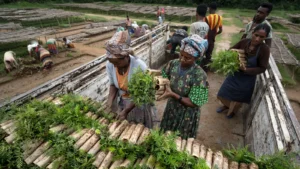
Agriculture remains the largest source of human-caused methane, contributing roughly 40 percent of the total. Livestock, particularly cattle and sheep, are responsible for 32 percent of this figure through enteric fermentation. As global demand for meat and dairy continues to rise, especially in developing economies, these emissions are projected to increase significantly by the end of the decade. Additionally, rice cultivation in flooded paddies creates an anaerobic environment ideal for methane-producing microbes, contributing another 8 percent to the global total.

Fossil Fuels and the "Super-Emitter" Phenomenon
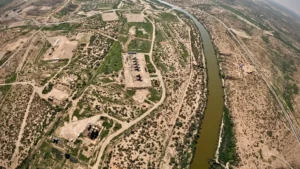
The energy sector is responsible for 35 percent of human-caused methane emissions. This occurs during the extraction, processing, and transport of oil, gas, and coal. Methane is often intentionally "vented" or "flared" during oil production, but accidental leaks from aging infrastructure represent a massive and often invisible loss. In 2022, satellite imaging identified over 1,000 "super-emitter" events. One such incident in Turkmenistan released methane at a rate equivalent to the total hourly emissions of the nation of France. Coal mining also contributes 12 percent of the sector’s total, as methane trapped within coal seams is released during the excavation process.
The Growing Challenge of Waste
Landfills and wastewater treatment systems contribute approximately 20 percent of human-caused methane. As organic waste—such as food scraps and paper—decomposes in the oxygen-free environment of a landfill, it releases significant quantities of biogas. With global solid waste production expected to rise by 73 percent by 2050, the waste sector is currently the fastest-growing source of methane emissions.
The LNG "Bridge Fuel" Controversy
For years, the fossil fuel industry has marketed liquefied natural gas (LNG) as a "bridge fuel" that can help transition the world away from coal. The argument is based on the fact that natural gas emits about 50 percent less CO2 than coal when burned for electricity. However, recent scientific analysis suggests this "bridge" may be built on a flawed premise.

A 2023 study found that if as little as 0.2 percent of methane leaks during the extraction and transport of LNG, its total climate impact becomes equal to or worse than that of coal. When accounting for the entire lifecycle of LNG—including the energy-intensive process of liquefaction and transoceanic shipping—some researchers estimate its global warming potential is 33 percent greater than coal over a 20-year horizon. This has led to increased scrutiny of planned LNG export terminals in the United States and Australia, with climate advocates warning that a continued build-out of gas infrastructure could lock in decades of high-potency emissions.
Positive Feedback Loops and Tipping Points
One of the most alarming aspects of methane emissions is their role in "positive feedback loops." As the planet warms due to human activity, natural systems begin to release their own stored methane, further accelerating the warming process.
- Wetland Feedback: Higher temperatures and altered rainfall patterns are causing tropical wetlands to expand and emit more methane. Between 2000 and 2020, wetland emissions grew at a rate exceeding the most pessimistic scientific models.
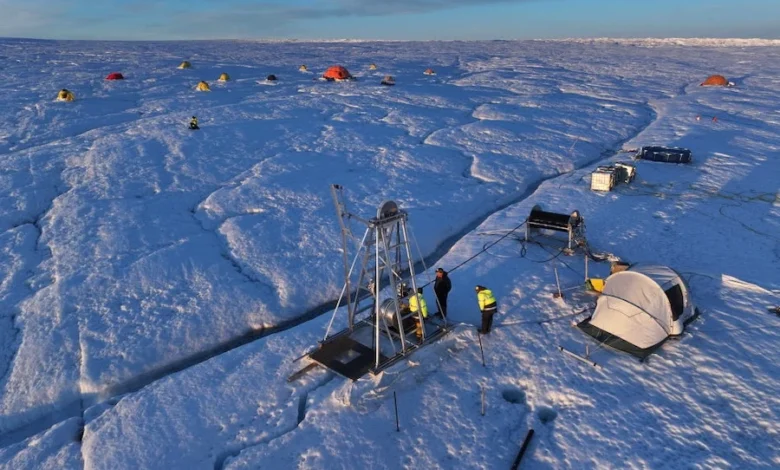
- Permafrost Thaw: The Arctic permafrost contains roughly 2.5 times more carbon than is currently in the atmosphere. As this frozen ground thaws, microbes break down long-dormant organic matter, releasing both CO2 and methane. Arctic methane emissions have already increased by 9 percent since 2002.
- Wildfire Escalation: Record-breaking wildfire seasons, fueled by heat and drought, are becoming significant methane sources. California’s 2020 wildfires, for example, accounted for 14 percent of the state’s total methane emissions for that year.
Public Health and Economic Consequences
The impact of methane extends beyond temperature rise. Methane is a primary precursor to the formation of ground-level ozone (smog), a hazardous air pollutant. Ozone damages lung tissue, exacerbates asthma, and is linked to approximately 500,000 premature deaths annually worldwide. Furthermore, ground-level ozone is toxic to vegetation, reducing global crop yields for staples like wheat, soy, and rice. The International Energy Agency (IEA) estimates that every million metric tons of methane reduced would prevent thousands of emergency room visits and save hundreds of thousands of tons of crops from ozone damage.

Global Policy Responses and Mitigation Strategies
In response to these findings, international policy has begun to pivot. At the COP26 summit in 2021, the United States and the European Union launched the Global Methane Pledge, which now includes over 150 countries committed to reducing global methane emissions by 30 percent by 2030.
Technological Solutions
In the oil and gas sector, the IEA suggests that 70 percent of methane emissions can be eliminated using existing technology, often at little to no net cost, by simply repairing leaks and ending routine venting. In agriculture, innovations such as seaweed-based feed supplements (like Asparagopsis) have shown the potential to reduce enteric methane from cattle by over 80 percent. In the waste sector, capturing landfill gas to use as a renewable energy source—known as "biogas"—can prevent methane from entering the atmosphere while displacing fossil fuels.
Direct Atmospheric Removal
Emerging research is also exploring "methane removal" technologies. Some scientists are investigating the use of iron salt aerosols to enhance the natural breakdown of methane in the atmosphere, while others are looking at the methane-absorbing properties of tree bark. However, experts emphasize that these "techno-fixes" are not a substitute for stopping emissions at the source.

Conclusion: The Path Forward
The data is clear: methane is a significant threat to climate stability, but it also represents a unique opportunity. Because methane does not linger in the atmosphere as long as CO2, aggressive action taken today will yield tangible results within our lifetime. Achieving the goals set out in the Global Methane Pledge requires a multifaceted approach: phasing out fossil fuel dependence, transforming global food systems, and modernizing waste infrastructure. While the challenge is immense, the "methane moment" offers a critical window to prevent the most catastrophic outcomes of the climate crisis and protect global public health for future generations.