The return of the critically acclaimed series Ted Lasso for a fourth season has prompted a significant critical reassessment regarding the viability of reviving a narrative that had previously reached a definitive conclusion. Originally conceived as a three-season arc, the show’s transition into a fourth installment has been met with mixed reviews, as critics and audiences alike grapple with pacing issues, the introduction of underdeveloped characters, and a reliance on narrative tropes that feel disconnected from the series’ established ethos. While the initial run of the series—which concluded with an emotionally resonant finale—garnered widespread praise for its character-driven storytelling, the current season struggles to recapture the delicate balance of humor and sentimentality that defined the AFC Richmond journey.
The Evolution of the Ted Lasso Narrative Arc
To understand the current friction, one must examine the production timeline of the Apple TV+ juggernaut. Following the series’ finale in May 2023, there was immense industry speculation regarding a potential continuation. The creative team, led by Jason Sudeikis and Bill Lawrence, initially framed the show as a finite story. However, the commercial pressure to leverage a global franchise led to the greenlighting of a fourth season, a decision that has fundamentally shifted the show’s structural integrity.
The transition from a closed-loop narrative to an open-ended serial format has exposed the limitations of the writing room’s current approach. Where the first three seasons meticulously built the emotional intelligence of characters like Ted Lasso, Roy Kent, and Jamie Tartt, the current episodes appear to prioritize plot-driven conflicts—such as forced love triangles and situational misunderstandings—over the organic character growth that fans have come to expect.
Analyzing the Episode Six Narrative Lapses
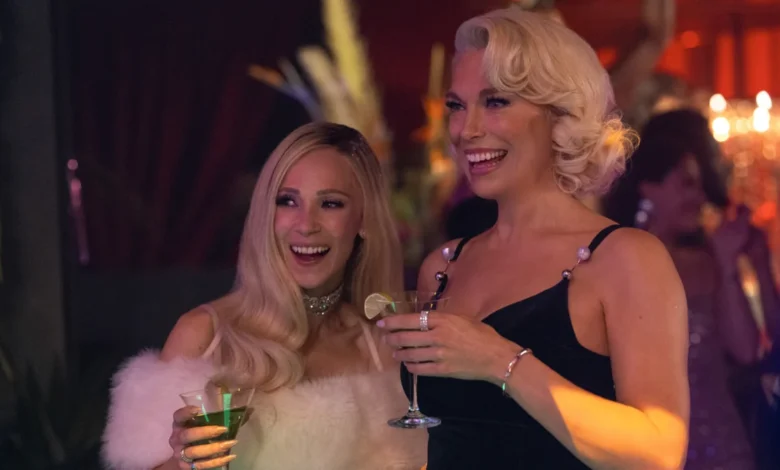
The sixth episode of the current season serves as a primary case study in the show’s struggle to maintain its former narrative quality. Set against the backdrop of a New Year’s Eve celebration aboard a vessel owned by the character Zelda, the episode relies heavily on the "bottle episode" trope. This format, while common in television production to manage budgets and focus on internal dynamics, has backfired in this instance by highlighting the lack of depth in the show’s expanded roster.
The central conflict involving Roy Kent, Keeley Jones, and the character Erin exemplifies a narrative reliance on tired sitcom mechanics. The "eavesdropping misunderstanding"—a device that has become increasingly scrutinized by modern television critics for its lack of sophistication—serves as the primary catalyst for drama. By having a character overhear a truncated declaration of love, the writers have defaulted to a mechanical plot advancement that feels at odds with the show’s history of honest, albeit difficult, communication between its leads.
Furthermore, the secondary plot involving Rebecca Welton and Jamie Tartt, while serving as a vehicle for minor comedic relief, has drawn criticism for its lack of thematic coherence. Placing these characters in a "will-they-won’t-they" scenario, particularly given their established history and personal trajectories, feels like a regression. Data from viewer engagement analytics suggests that audiences are increasingly wary of "fan-service" moments that sacrifice character consistency for short-term tension.
The Gender Inequity Critique
One of the most significant aspects of the current season is the attempt to shift the spotlight onto the "Lady Greyhounds." While the move to address the systemic inequities between men’s and women’s sports is laudable, the execution has been criticized for failing to provide the women of the show with the same depth of characterization afforded to the men.
In the first three seasons, the male players were defined by complex backstories, professional aspirations, and distinct psychological hurdles. Conversely, the introduction of new female characters has thus far relied on superficial traits—such as minor comedic gags or brief, isolated vignettes—rather than sustained narrative arcs. This creates a disparity that feels incongruous with the show’s progressive message. If the series intends to broaden its scope to include the women’s team, it must commit to the same rigorous development that allowed the audience to connect with the original cast. Failure to do so risks alienating the core viewership and undermining the show’s stated mission to highlight professional and personal growth within the sporting world.
Industry Context: The Difficulty of Revivals
The struggles faced by Ted Lasso are emblematic of a broader trend in the "Peak TV" era, where successful shows are often extended beyond their natural lifespans. Industry analysts note that reviving a series after a "tidy wrap-up" carries significant risks. A report from the Television Producers Association suggests that sequels or extended seasons face a "confirmation bias" hurdle; audiences are often searching for the same emotional high they experienced during the initial run, and when the creative team attempts to pivot to new dynamics, the result is frequently perceived as a decline in quality.
Furthermore, the scheduling demands of modern streaming platforms often result in truncated production cycles. With shorter lead times, writing rooms may be pressured to rely on established tropes rather than developing original, innovative storylines. This is clearly visible in the current season of Ted Lasso, where the inclusion of caricature-style roles—such as those played by Tracey Ullman—feels like an attempt to capture lightning in a bottle rather than a natural extension of the series’ established world.
Looking Ahead: The Need for Pivot
As the season progresses, the production team faces a critical juncture. The narrative surrounding Ted Lasso himself—who has been sidelined for significant portions of the recent episodes to focus on his personal life and his relationship with his ex-wife, Michelle—is reaching a breaking point. While exploring the protagonist’s life outside of football is a necessary evolution, the current pacing has left the team dynamic feeling orphaned.
For the series to regain its status as a critical darling, it must pivot away from the reliance on sitcom tropes and return to the character-first approach that made it a cultural phenomenon. The audience’s patience is not unlimited, and the show’s legacy is currently being tested by a series of choices that prioritize convenience over substance.
Implications for the Franchise
The implications of this season’s reception are far-reaching. For Apple TV+, the success of Ted Lasso was a cornerstone of its streaming strategy. A decline in critical reception and audience sentiment could impact the long-term value of the intellectual property. Furthermore, the creative team now faces the challenge of justifying the necessity of these additional episodes. If the remainder of the season fails to address the identified issues—specifically the under-utilization of the expanded cast and the reliance on outdated narrative devices—it may irrevocably damage the brand’s reputation.
Ultimately, the goal for any revival should be to add to the existing foundation rather than dilute it. The current state of Ted Lasso serves as a reminder that even the most well-intentioned creative projects can stumble when they lose sight of the foundational elements that initially made them successful. Whether the writers can course-correct before the season concludes remains the primary question for fans and critics alike. As the clock ticks down on the current arc, the pressure is on for the team behind the scenes to deliver a conclusion that honors the legacy of the AFC Richmond story, rather than simply extending it for the sake of the platform.