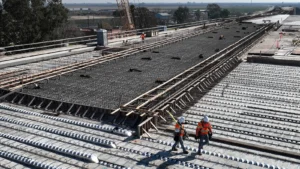
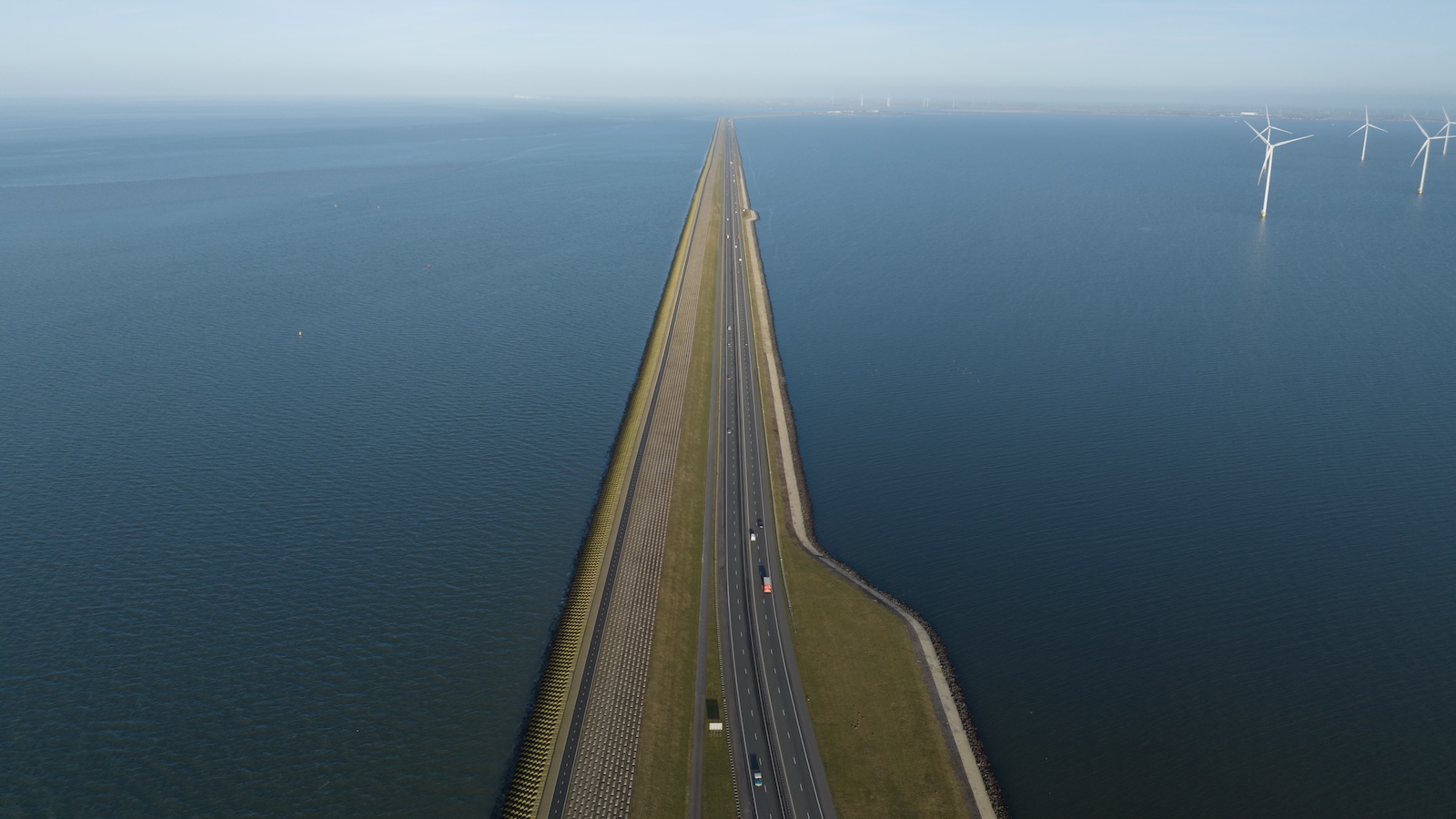
The Afsluitdijk, a monumental 32-kilometer causeway that has shielded the Netherlands from the North Sea since 1932, stands as a testament to human engineering and the enduring struggle against rising tides. For nearly a century, this primary bulwark has protected the low-lying Dutch heartland, but by the early 21st century, the aging structure faced a modern existential threat: climate change. Recognizing that the dam required hundreds of millions of dollars in structural upgrades to withstand projected sea-level rises, the Dutch government opted for an unconventional financial path. Rather than funding the massive overhaul through traditional up-front public expenditure, the agency leading the project entered into a 25-year contract with a private consortium of contractors. This arrangement allowed the government to distribute payments over decades, effectively utilizing private financing to secure a vital public asset.
As climate-related risks intensify across the globe, the Afsluitdijk model is increasingly seen not as an outlier, but as a potential blueprint for survival. Cities from the Global North to the Global South are confronting a staggering financial reality: the cost of defending urban centers from extreme weather, storm surges, and heatwaves is projected to reach hundreds of billions of dollars. This figure far exceeds the current fiscal capacity of most municipal and national governments. A landmark report recently released by C40 Cities, a global network of mayors representing the world’s leading urban centers, argues that closing this "adaptation gap" requires a fundamental shift in how cities interact with the private sector. The report, unveiled during the World Bank’s spring meetings, suggests that the only viable path forward involves mobilizing outside investors to bankroll the resilience of the world’s most vulnerable populations.
The Massive Scale of the Climate Funding Gap
The financial requirements for urban climate adaptation are daunting. According to research highlighted in the C40 report, low- and middle-income countries alone will need between $256 billion and $821 billion by the year 2050 to protect their cities from climate impacts. Despite the urgency, the current flow of capital toward these needs remains a mere trickle. At present, no more than 1 percent of all global climate funding is directed toward urban adaptation. The vast majority of climate finance continues to flow toward mitigation—projects such as renewable energy installations and electric vehicle infrastructure—which offer clear, measurable returns on investment.
This disparity exists because adaptation is fundamentally a "harder sell" to traditional financial institutions. In the world of finance, mitigation projects are often "bankable" because they generate a tangible product, like electricity, which can be sold to repay loans. Adaptation, by contrast, is often focused on "avoided loss." Building a sea wall or restoring a mangrove forest prevents future damage, but it does not necessarily generate a monthly revenue stream. "Avoiding future damages is not a financing stream you can take to the bank in the way that you can energy efficiency and decarbonization," explains Dan Zarrilli, the former chief resilience officer for New York City and current chief climate and sustainability officer at Columbia University. "Projects need to be bankable to attract the scale of capital required."
Case Studies in Innovation: From Washington to Kuala Lumpur
To bridge this gap, the C40 report provides ten detailed case studies illustrating how cities are successfully partnering with private entities to fund resilience. These examples span a diverse range of geographies and economic contexts, demonstrating that creative financing is possible regardless of a city’s starting point.
One of the most innovative examples cited is the Stormwater Management and Road Tunnel (SMART) in Kuala Lumpur, Malaysia. This project addresses two urban challenges simultaneously: frequent flash flooding and chronic traffic congestion. The designers paired a massive stormwater diversion system with a revenue-generating toll road located inside the tunnel. During dry weather, the tunnel serves as a motorway. During moderate storms, the lower level carries water while the upper level remains open to traffic. During extreme floods, the entire tunnel is closed to vehicles and used to divert millions of cubic meters of water away from the city center. The toll revenue provides a consistent stream of income that makes the project attractive to private investors, proving that adaptation can be coupled with revenue-generating infrastructure.
In the United States, Washington, D.C., has pioneered the use of Environmental Impact Bonds (EIBs). This performance-based financing model was used to fund "green infrastructure" designed to manage stormwater runoff. In this arrangement, the city’s water authority pays investors based on the actual performance of the project. If the green infrastructure manages more water than expected, the investors receive a higher return; if it underperforms, the investors take a loss. This model shifts some of the technical risk from the public sector to the private sector, allowing the city to experiment with innovative climate solutions without bearing the full financial burden of potential failure.
Other models highlighted in the report include:
- Mexico’s Coral Reef Insurance: A parametric insurance policy that triggers immediate payouts for reef restoration after major hurricanes, recognizing that healthy reefs are the first line of defense against storm surges for coastal tourism hubs.
- São Paulo’s Wastewater Recovery: A public-private partnership (PPP) focused on expanding wastewater treatment and water reuse, ensuring the city’s water security in the face of increasingly frequent droughts.
- Dakar’s Coastal Protection: Collaborative efforts in Senegal to utilize private expertise and funding to stabilize shorelines threatening vital economic districts.
Navigating Political and Economic Hurdles
The push for private investment comes at a time of significant political flux, particularly in the United States. Historically, the federal government has been the primary source of funding for large-scale climate adaptation. However, shifts in federal policy have left many municipalities feeling abandoned. Dakota Fisher, an adaptation specialist with the Natural Resources Defense Council (NRDC), notes that smaller municipalities often lack the tax base to fund multi-million-dollar resilience projects on their own.
"Whenever you’re in government, you’re trying to ensure confidence," Fisher says. He points out that for many local officials, the retreat of federal support under changing political administrations has forced a collective rethinking of how to secure the necessary dollars for survival. This is especially true for rural communities and smaller towns that may not have the credit ratings or technical staff required to navigate complex private finance deals. While the C40 report focuses on major metropolises, the lessons of "bundling" projects—grouping several smaller adaptation initiatives together to create a single, larger investment package—could eventually help smaller towns attract interest from multilateral development banks or green bond funds.
The Risks of Privatizing Resilience
While the infusion of private capital is seen as a necessity, it is not without significant risks. Experts warn that the profit motive inherent in private investment could clash with the public’s need for equitable and long-term protection. A report from the Zurich Climate Resilience Alliance cautions that private firms may favor short-term, high-visibility projects over more effective, long-term strategies that don’t offer immediate returns.
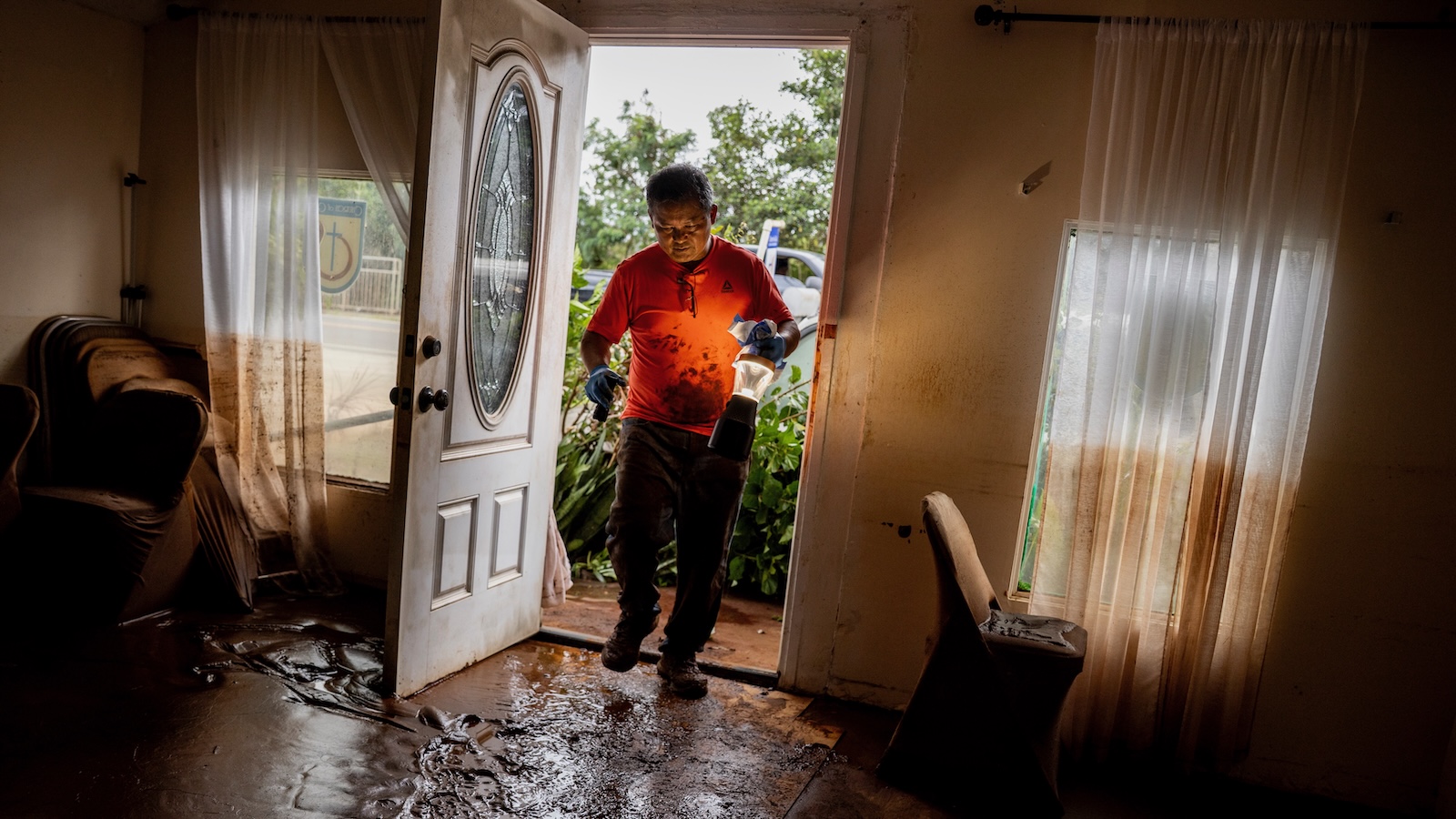
Furthermore, there is the risk of "maladaptation" or inequitable protection. If private investment is directed only toward wealthy districts where the "value at risk" is highest, vulnerable and marginalized communities could be left further behind. "There is a very big difference between mitigation and adaptation," says Barbara Barros, global head of adaptation finance for C40. "Successful experiences depend on how projects are structured—particularly in terms of cost and risk sharing, as well as strong social and environmental safeguards."
Debbie Hillier, head of the Zurich Climate Resilience Alliance, echoes these concerns, emphasizing that the private sector cannot be a panacea. "There is definitely scope there. But what we don’t want is to assume the private sector can do everything," she cautions. "They cannot and they will not."
A Shifting Paradigm for Urban Governance
The ultimate goal of the C40 initiative is to foster a "shared vocabulary" between city planners and the financial community. For decades, these two groups have operated in different spheres, with mayors focused on public safety and social equity, and investors focused on risk-adjusted returns. The report argues that by engaging private funders early in the design process—rather than presenting them with a fully formed, unfunded plan—cities can create projects that satisfy both public needs and private investment criteria.
As the World Bank and other international financial institutions look to reform their lending practices to account for climate change, the pressure on cities to innovate will only grow. The transition from a purely public-funded model to a hybrid model is already underway, driven by the sheer scale of the environmental crisis.
"It will take some years for cities to think differently," Barros admits, but she remains optimistic that the narrative is shifting. The transition is not merely about "capitalism" in the traditional sense, but about leveraging every available tool to ensure that urban centers remain habitable in an era of unprecedented climatic instability.
The success of projects like the Afsluitdijk overhaul suggests that while the cost of adaptation is high, the cost of inaction is infinitely higher. By treating climate resilience as a bankable investment rather than an insurmountable debt, cities may find the resources they need to keep their heads above water. The path forward involves a delicate balance of public oversight and private efficiency, ensuring that the walls built today are strong enough to protect all citizens, regardless of their economic standing, for the century to come.