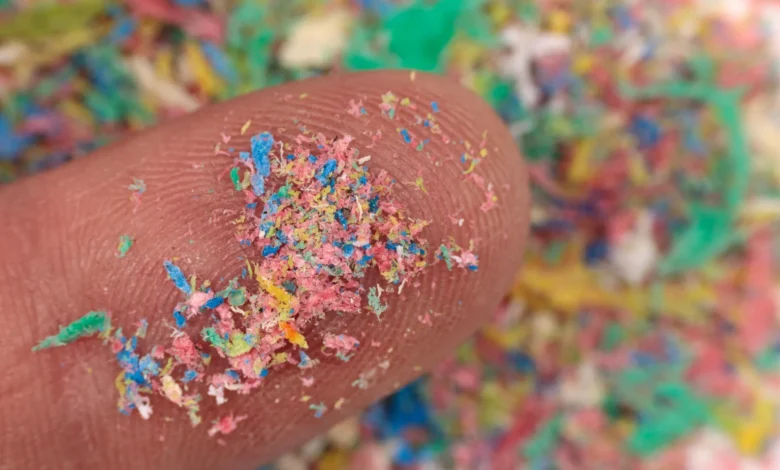
The modern world is increasingly saturated with synthetic materials, leaving microscopic footprints in our environment and, more concerningly, within our bodies. Among the most pervasive and insidious of these modern pollutants are nanoplastics—ultrafine plastic particles measuring less than one micrometer in diameter. These invisible fragments, born from the slow degradation of larger plastic debris in oceans, soils, and consumer goods, have quietly infiltrated the global food chain, drinking water supplies, and even the air we breathe. Once inside the human body, their infinitesimal size allows them to breach cellular barriers, translocating from the gut into the bloodstream and accumulating in sensitive organs such as the brain, liver, and kidneys.
Amid growing global anxiety over the cumulative health impacts of these environmental micro-pollutants, a groundbreaking scientific discovery has emerged from South Korea. The World Institute of Kimchi (WiKim), a prominent government-funded research institution operating under the Ministry of Science and ICT, has officially announced that a specific strain of lactic acid bacterium isolated from traditional kimchi possesses a remarkable capability: it can bind to nanoplastics within the human intestine, actively promoting their safe removal from the body through natural excretion.
This revelation not only bridges the gap between traditional dietary culture and modern biotechnology but also offers a potentially transformative biological strategy for mitigating the internal accumulation of synthetic polymers in humans. Led by a dedicated team of microbiologists, the research marks a significant milestone in nutritional science, toxicology, and environmental health.
Understanding the Invisible Threat: The Nanoplastic Crisis
To fully appreciate the significance of the World Institute of Kimchi’s findings, one must examine the escalating crisis of plastic pollution from a physiological perspective. While macroscopic plastics—such as bottles, bags, and packaging materials—have long been recognized as a visual blight on landscapes and marine ecosystems, their transformation into microplastics (particles under 5 millimeters) and subsequently into nanoplastics represents a far more stealthy hazard.
Nanoplastics are generated through the mechanical abrasion, photo-oxidation, and biological weathering of larger plastic items exposed to UV radiation and wave action. Because of their microscopic dimensions, these particles bypass standard municipal water treatment facilities and easily evade the human body’s primary mechanical defense mechanisms. When ingested via contaminated seafood, agricultural crops grown in polluted soils, or bottled and tap water, nanoplastics encounter the gastrointestinal tract.
Scientific studies conducted over the past decade have demonstrated that these particles are capable of crossing the intestinal epithelial barrier. Once translocated, they can induce oxidative stress, trigger inflammatory responses, disrupt endocrine function, and cellular cytotoxicity. Despite the alarming accumulation of data regarding their toxicity, biological strategies designed to capture, neutralize, or accelerate the clearance of nanoplastics from the human gastrointestinal tract have remained sparse, with research largely confined to early-stage in vitro models. Until now, medical science had offered few viable, non-invasive methods to purge these synthetic invaders from living tissues once ingested.
The Journey of Discovery: Research Methodology and Chronology
The path to this discovery is rooted in rigorous, systematic investigation by researchers at WiKim. The research initiative, spearheaded by Drs. Se Hee Lee and Tae Woong Whon, began with a comprehensive screening process aimed at identifying microorganisms capable of interacting with xenobiotic compounds—foreign chemical substances not naturally produced within an organism.
The team focused their attention on Leuconostoc mesenteroides CBA3656, a specialized lactic acid bacterium naturally occurring in kimchi, a staple Korean fermented vegetable dish. Kimchi harbors an extraordinarily rich and diverse microbial ecosystem developed through centuries of traditional fermentation, making it a prime candidate for bioprospecting beneficial probiotic strains.
The chronological framework of the study unfolded through several distinct phases:
- Strain Isolation and Characterization: Initially, researchers isolated numerous lactic acid bacterial strains from diverse batches of artisanal and commercial kimchi. These strains were cataloged and screened for their probiotic properties, surface adhesion capabilities, and resilience in harsh environments.
- Adsorption Efficiency Screening: The research team tested the selected strains against polystyrene nanoplastics (PS-NPs), one of the most common polymer types found in environmental samples. They evaluated how effectively the bacterial cells could adsorb—or bind to—these microscopic plastic spheres under controlled laboratory settings.
- Simulated Gastrointestinal Stress Testing: Recognizing that any candidate probiotic must survive the grueling journey through the human digestive system, the team subjected the bacteria to simulated gastric and intestinal fluids characterized by extreme pH levels, bile salts, and digestive enzymes.
- In Vivo Animal Validation: Following successful laboratory assays, the research advanced to animal trials utilizing germ-free murine models to observe the real-world physiological interactions between the ingested probiotic and nanoplastics inside a living digestive tract.
Comparative Performance: The Resilience of Strain CBA3656
The breakthrough in the laboratory came when researchers compared Leuconostoc mesenteroides CBA3656 against a recognized reference strain, Latilactobacillus sakei CBA3608, to measure their respective capacities for binding polystyrene nanoplastics.
Under standard, optimal laboratory conditions, both strains exhibited impressive adsorption capabilities. Strain CBA3656 achieved a high adsorption efficiency of 87%, closely matching the reference strain Latilactobacillus sakei CBA3608, which recorded an 85% efficiency rate. At this preliminary stage, the kimchi-derived bacterium performed comparably to established probiotic benchmarks.
However, the true test of a probiotic’s utility lies in its performance under physiological stress. When the experimental environment was adjusted to replicate the harsh, fluctuating conditions of the human gastrointestinal tract—complete with enzymatic degradation pressures and bile acid exposure—a dramatic divergence in performance occurred.
While the adsorption rate of the reference strain Latilactobacillus sakei CBA3608 plummeted precipitously to a negligible 3%, Leuconostoc mesenteroides CBA3656 demonstrated exceptional resilience. The kimchi-derived strain maintained a remarkably high adsorption level of 57%. This stark contrast proved that strain CBA3656 possesses unique structural and biochemical surface properties—likely involving specific cell-wall proteins, exopolysaccharides, or electrostatic interactions—that allow it to stably anchor to nanoplastic particles even amid the digestive turbulence of the human gut.
Animal Trials and Excretion Dynamics
Buoyed by robust in vitro data, the research team transitioned to in vivo validation using germ-free mouse models. This controlled biological environment allowed scientists to track the movement and ultimate fate of polystyrene nanoplastics administered alongside the probiotic strain without interference from a complex, pre-existing gut microbiome.
Male and female mice were divided into experimental and control cohorts. The experimental group received oral administration of Leuconostoc mesenteroides CBA3656 coupled with standardized doses of nanoplastics, while the control group received nanoplastics without the probiotic supplementation.
The results of the animal experiments provided compelling empirical validation of the hypothesis. Chemical and microscopic analysis of fecal samples revealed a dramatic change in excretion patterns. Compared to the control group, both male and female mice administered strain CBA3656 exhibited more than a twofold increase in the concentration of nanoplastics detected in their feces.
This statistically significant surge in fecal plastic recovery strongly indicates that the probiotic bacteria act as microscopic scavenging agents. By binding to the nanoplastics in the lumen of the intestine, the bacteria prevent the particles from reabsorbing across the mucosal lining, safely escorting them through the digestive tract and out of the body via natural elimination. This mechanism effectively reduces the residence time of the synthetic pollutants within the gastrointestinal tract, thereby lowering the probability of systemic translocation into vital organs.
Expanding the Horizons of Traditional Fermented Foods
The implications of this study extend far beyond the immediate confines of gastroenterology or plastics research. For generations, traditional fermented foods like kimchi have been celebrated for their nutritional density, immune-modulating properties, and contributions to gut health through the delivery of live beneficial microbes.
This research establishes a new paradigm: that microorganisms shaped by culinary heritage and natural selection may possess secondary functional attributes capable of combating modern anthropogenic pollutants. The interaction between Leuconostoc mesenteroides CBA3656 and synthetic micro-pollutants demonstrates that probiotics can be repurposed or specifically selected to address ecological toxins that have only recently emerged in human history.
Dr. Sehee Lee, the lead researcher of the study, emphasized the broader societal dimensions of the discovery during an official statement following the publication of the findings.
"Plastic pollution is increasingly recognized not only as an environmental issue affecting our oceans and wildlife, but also as an insidious public health concern directly impacting human physiology," Dr. Lee noted. "Our findings suggest that microorganisms derived from traditional fermented foods could represent an entirely new biological approach to address this emerging global challenge. We are committed to continuing our work to expand the scientific value of kimchi microbial resources, ensuring they contribute meaningfully to both public health and environmental remediation solutions."
Fact-Based Analysis: Implications for Public Health and Biotechnology
The publication of these findings opens several critical avenues for future research, commercial development, and public health policy. While the laboratory data and animal trials are undeniably promising, experts emphasize that translational research must proceed methodically before clinical applications become widely available to consumers.
1. Development of Functional Foods and Targeted Probiotics
The most immediate commercial implication lies in the nutraceutical and functional food sectors. The identification of strain CBA3656 paves the way for the formulation of specialized probiotic supplements, yogurts, or fermented food products marketed specifically for individuals seeking to mitigate their internal plastic burden. Urban populations exposed to high levels of atmospheric pollution or seafood-heavy diets could potentially utilize such dietary interventions as a routine preventive measure.
2. Bioremediation and Gastrointestinal Therapeutics
Beyond everyday dietary supplementation, the binding mechanisms discovered by the WiKim team could inspire pharmaceutical applications. Researchers may be able to engineer synthetic or hyper-optimized bacterial derivatives capable of targeting multiple polymer types—such as polyethylene, polypropylene, and polyvinyl chloride (PVC)—which also pervade the human food chain. Furthermore, encapsulating these bacteria in enteric coatings could enhance their delivery to specific segments of the intestine where nanoplastic accumulation is most pronounced.
3. Toxicology and Risk Assessment
From a toxicological standpoint, this study provides a valuable framework for future research evaluating how dietary components influence the toxicokinetics of environmental xenobiotics. Traditional toxicology has largely focused on the inherent toxicity of chemicals in isolation; however, the WiKim study highlights the importance of matrix interactions—how everyday foods can actively alter the absorption, distribution, metabolism, and excretion (ADME) profiles of synthetic micro-pollutants.
4. Regulatory and Consumer Considerations
Despite the enthusiasm surrounding the discovery, researchers caution against premature complacency regarding plastic consumption. Public health officials stress that biological mitigation strategies like probiotic supplementation should complement, rather than replace, systemic efforts to reduce plastic production, improve waste management, and minimize human exposure at the source. Probiotics can assist in clearing what has already been ingested, but stemming the tide of global plastic pollution remains the ultimate necessity.
Conclusion and Future Outlook
The discovery by the World Institute of Kimchi that Leuconostoc mesenteroides CBA3656 can bind to and accelerate the excretion of nanoplastics represents a fascinating convergence of ancient dietary traditions and cutting-edge biotechnology. As humanity grapples with the pervasive legacy of the plastic age, finding biological allies within the microbial world offers a beacon of hope.
Under the continued leadership of President Hae Choon Chang, the World Institute of Kimchi plans to advance its research program through extended clinical trials, broader testing against various plastic polymers, and deeper genomic analysis of kimchi-derived strains. As these scientific endeavors unfold, the humble jar of kimchi resting on dining tables worldwide may come to be viewed not merely as a cultural heritage and a culinary delight, but as an active participant in safeguarding human health against the invisible synthetic tide of the twenty-first century.