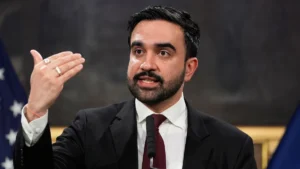
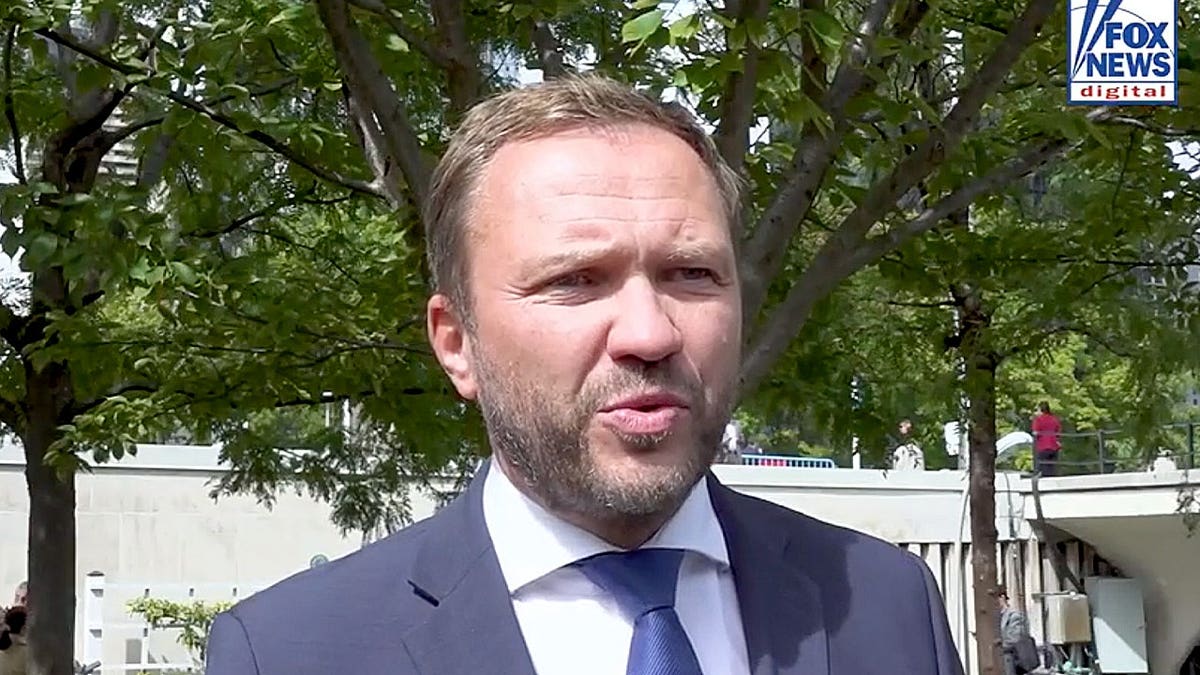
NEW YORK — Amidst a palpable atmosphere of anxiety across European capitals regarding the potential for a direct military confrontation with the Russian Federation, the Estonian government is offering a measured, intelligence-backed perspective. Foreign Minister Margus Tsahkna, speaking on the sidelines of the United Nations General Assembly in New York, has sought to decouple the growing "panic" in Western Europe from the actual tactical realities observed along the 180-mile border shared by Estonia and Russia.
While Estonia has historically served as one of the most vocal members of the NATO alliance regarding the existential threat posed by the Kremlin, Tsahkna emphasized that current intelligence assessments do not support the narrative that Moscow is posturing for a full-scale conventional invasion of the Baltic states or Poland.
"We have more and more this kind of panic in Europe that Russia will invade and will be full-scale aggressive against NATO and Europe and the Baltic states, Poland," Tsahkna noted during his briefing. "But we don’t see it. Our intelligence, we see very, very deep into Russia; we don’t see any change. We don’t see that Russia is preparing a full-scale invasion or aggression. The other side of our borders is pretty empty."
A Decade of Shifting Military Postures
To understand the current state of the border, one must examine the drastic shift in military disposition over the last ten years. Tsahkna, who served as Estonia’s defense minister from 2016 to 2017, provided a historical baseline to contextualize his current assessment. A decade ago, the border region was heavily militarized, with approximately 120,000 Russian troops stationed in immediate proximity, maintaining the capability to launch offensive operations within 48 hours.
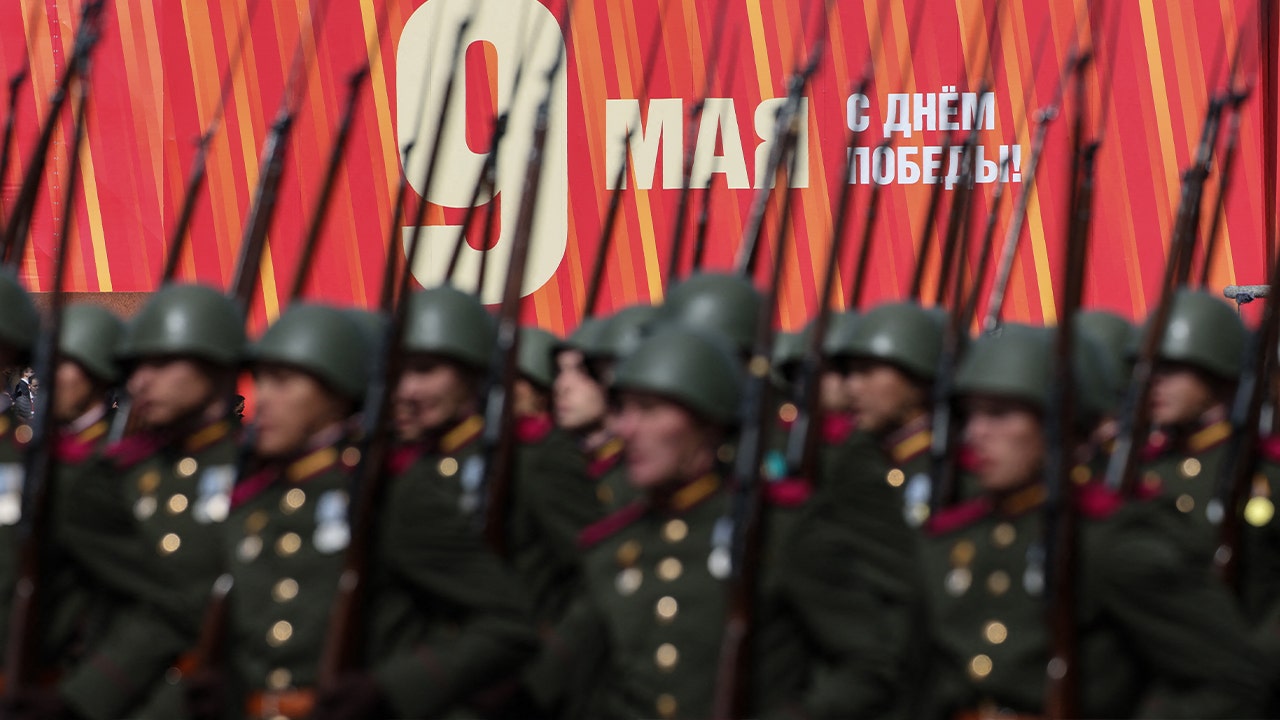
Today, that concentration of heavy armor and mechanized infantry has been significantly depleted as Russia continues to funnel its resources into the ongoing war in Ukraine. The "emptiness" described by Tsahkna serves as a strategic marker, suggesting that the Russian military machine is currently overextended and focused on territorial consolidation in Eastern Ukraine rather than opening a second front against the collective security of NATO.
The Shift to Hybrid Warfare and Sabotage
While the risk of a conventional tank-led invasion appears diminished in the short term, the Foreign Minister warned that the nature of the threat has evolved into something more insidious. Moscow is increasingly relying on a "shadow war"—a campaign of hybrid tactics designed to destabilize Western cohesion without triggering Article 5, the NATO treaty clause that mandates collective defense when a member is attacked.
These tactics include:
- Cyber-Attacks: Estonia, one of the most digitized nations in the world, reported roughly 40,000 cyber-attacks in the last year alone.
- Airspace Incursions: The frequent violation of sovereign airspace by Russian military aircraft and drones serves as a constant probe of NATO’s air defense readiness.
- Disinformation Campaigns: Sophisticated efforts to exploit internal political divisions within the European Union and NATO member states.
- GPS Interference: Widespread electronic warfare jamming that disrupts civil aviation and regional navigation systems.
Tsahkna described these actions as a deliberate attempt to "boil the frog," a strategy wherein the Kremlin slowly turns up the heat through incremental provocations to test the alliance’s threshold for reaction. By staying just below the threshold of an armed attack, Russia aims to create ambiguity and delay a unified response.
NATO’s Strategic Dilemma and the Threshold of Article 5
The current geopolitical climate has forced a rigorous debate within NATO headquarters in Brussels regarding how to modernize the alliance’s response to non-kinetic warfare. Tsahkna argues that the current framework is too rigid. "NATO must be more flexible and more dynamic," he stated, suggesting that the alliance should prioritize public attribution, targeted economic sanctions, and proactive political countermeasures for incidents that do not cross the high bar of Article 5.
The incident involving a Russian military helicopter crossing into Polish airspace earlier this week exemplifies the challenge. While such incursions are often dismissed as "testing," they carry significant risks of miscalculation. Tsahkna recalled an instance from the previous year, during which three Russian fighter jets violated Estonian airspace for 12 minutes. That event led Tallinn to trigger Article 4 of the North Atlantic Treaty, which allows for consultations among allies when the territorial integrity or security of a member is threatened.
The subsequent firm response—supported by high-level American rhetoric regarding the potential to intercept such incursions—appears to have had a deterrent effect, as no similar fighter-jet violations have been recorded in the region since. However, the rise of drone incursions presents a new, more difficult problem. Conventional fighter jets are prohibitively expensive to use as a primary deterrent for small, low-altitude unmanned aerial vehicles. Estonia is now calling for more cost-effective, innovative technological solutions to neutralize these persistent aerial nuisances.
Pressure on Moscow: The Role of Ukraine
The Foreign Minister remains steadfast in his belief that the ultimate resolution to regional instability lies on the battlefield in Ukraine. He argued that Vladimir Putin only understands the "language of strength." According to Tsahkna, the strategic necessity is to increase the economic and military pressure on Moscow until the cost of the conflict becomes unsustainable for the Kremlin.
He noted that Ukraine’s increasing capacity to conduct deep-strike operations inside Russian territory is already yielding results. By targeting military and economic infrastructure far from the front lines, Kyiv is forcing Moscow to divert resources and rethink its long-term defensive strategy. Tsahkna suggested that if this pressure is maintained, a window of opportunity might eventually open for meaningful negotiations.
Regarding diplomatic efforts to end the war, Tsahkna expressed skepticism about the current state of play. He acknowledged that international leaders, including President Donald Trump, have expended significant political energy in pursuit of a ceasefire. However, he cautioned that these efforts are often exploited by the Kremlin. "Putin has just played with them and is also winning time," Tsahkna said, emphasizing that the Russian leader has the power to initiate a ceasefire at any moment, yet has shown no genuine intent to do so.
The American Commitment to the Eastern Flank
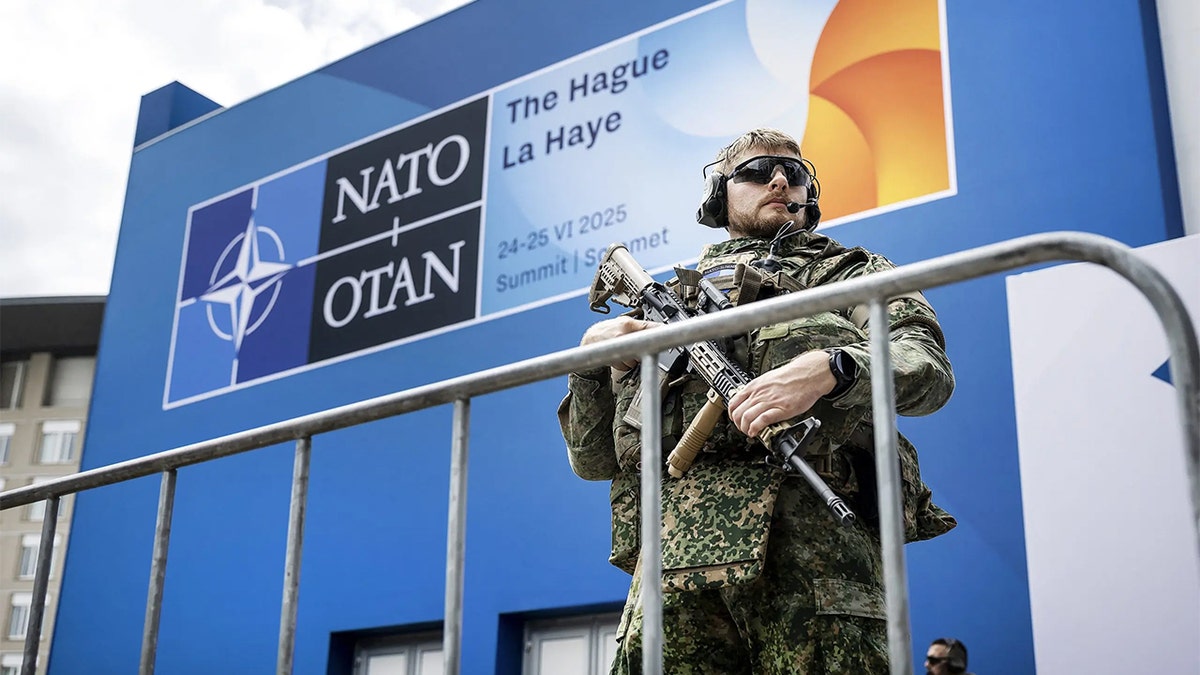
A critical component of Estonian security remains the presence of United States military personnel. As the Trump administration conducts a broader review of the American military footprint in Europe, there have been concerns regarding potential shifts in troop levels.
Tsahkna confirmed that Estonia has received assurances that U.S. forces will continue their presence in the region for the next rotation. For the Baltic states, the presence of American boots on the ground is more than just a logistical deployment; it is a vital psychological deterrent. "The flag of the troops is so important to give the message to President Putin," Tsahkna remarked, noting that the presence of U.S. soldiers clearly defines the red lines that the Kremlin must not cross.
Future Implications for European Security
The assessment provided by Minister Tsahkna paints a picture of a continent in a state of "new normal." While the immediate fear of a third world war or a massive conventional land grab by Russian forces may be overstated by public panic, the reality of a sustained, long-term conflict remains.
As Russia continues its military reforms, intelligence analysts warn that Moscow’s capacity to threaten the alliance will likely increase in the coming years. This necessitates a long-term shift in Western policy:
- Investment in Resilience: Strengthening critical infrastructure, particularly in the cyber and digital domains, to withstand constant low-level attacks.
- Dynamic Deterrence: Moving away from static defense models toward more agile, responsive military postures.
- Unity of Purpose: Maintaining a cohesive political front, as the primary objective of Russian hybrid warfare remains the fragmentation of the Western alliance.
In conclusion, while Estonia remains vigilant, its government is signaling that the path forward involves neither alarmism nor complacency. Instead, it requires a pragmatic, intelligence-driven approach that recognizes the current limits of Russian military power while simultaneously preparing for the long-term reality of a hostile neighbor that intends to challenge the European security order through every available non-conventional means. The stability of the Baltic region, and by extension the entire NATO alliance, will likely depend on the West’s ability to maintain its resolve and adapt its strategy to this enduring era of hybrid aggression.