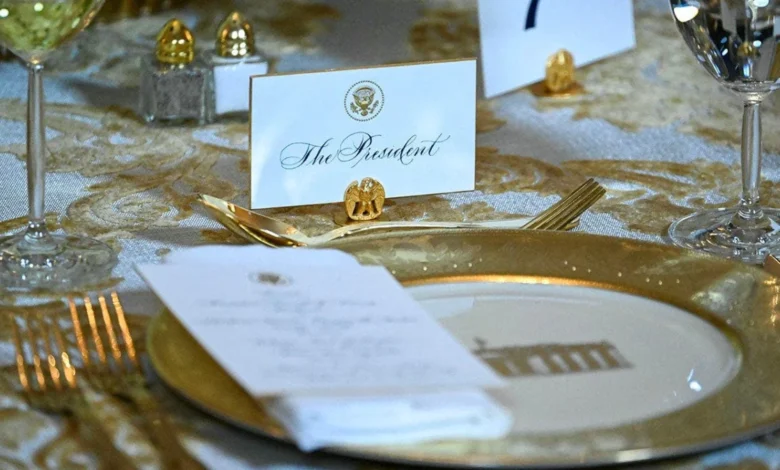
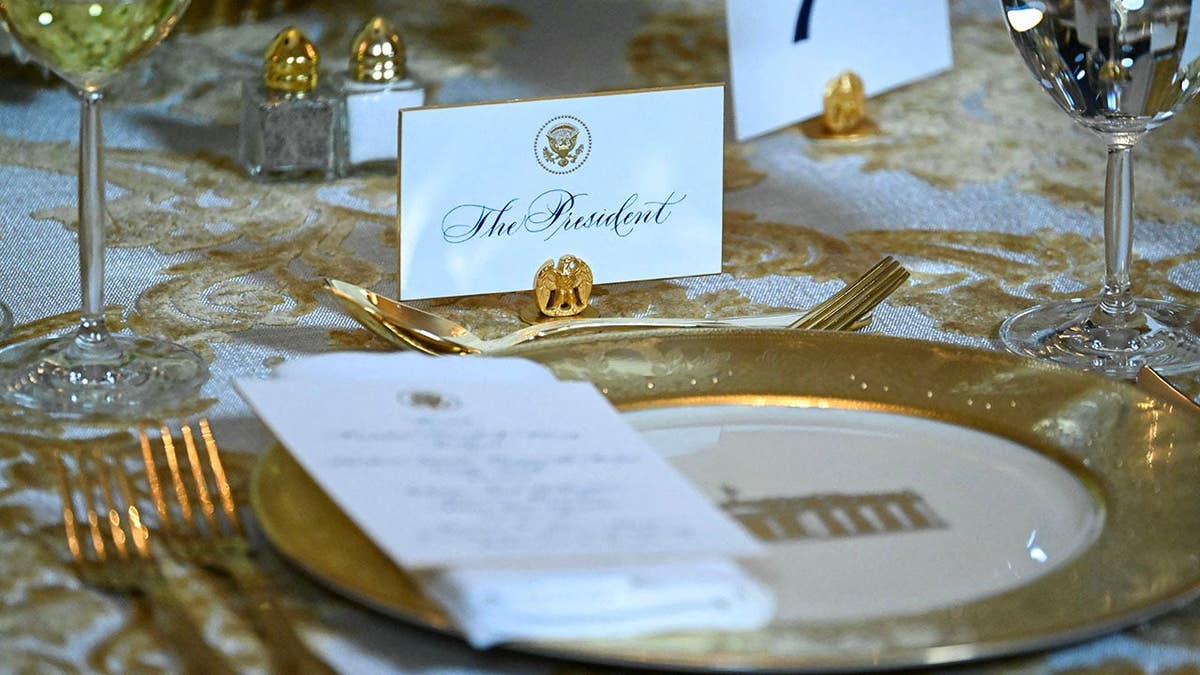
President Donald Trump, an executive often associated with a preference for American fast-food staples, presided over a remarkably refined state dinner on Thursday evening as he welcomed Chinese President Xi Jinping to the White House. The event, which stood in stark contrast to the President’s well-documented penchant for items like Big Macs and Filet-O-Fish sandwiches, served as the centerpiece of a high-stakes diplomatic summit. The evening’s menu, carefully curated under the direction of First Lady Melania Trump’s office, notably eschewed traditional American red-meat heavy plates in favor of a strictly pescatarian selection, signaling a shift in the aesthetic and culinary approach to modern statecraft at the executive mansion.
A Culinary Departure from the Status Quo
The decision to present an entirely meat-free menu—save for seafood—marked a departure from the historical norms of White House state dinners, which typically feature prime beef or lamb as the centerpiece of the main course. Instead, the evening focused on delicate, seasonal ingredients that favored finesse over heartiness.
The meal commenced with a yellow squash velouté, accompanied by a wild mushroom fricassee and accented with crispy pancetta and a drizzle of scallion oil. The inclusion of pancetta—a cured pork belly—provided a savory, smoky contrast to the earthy mushrooms and the lightness of the squash, adhering to a pescatarian standard that emphasizes plant-based foundations while incorporating seafood and small quantities of cured meats for texture and depth.
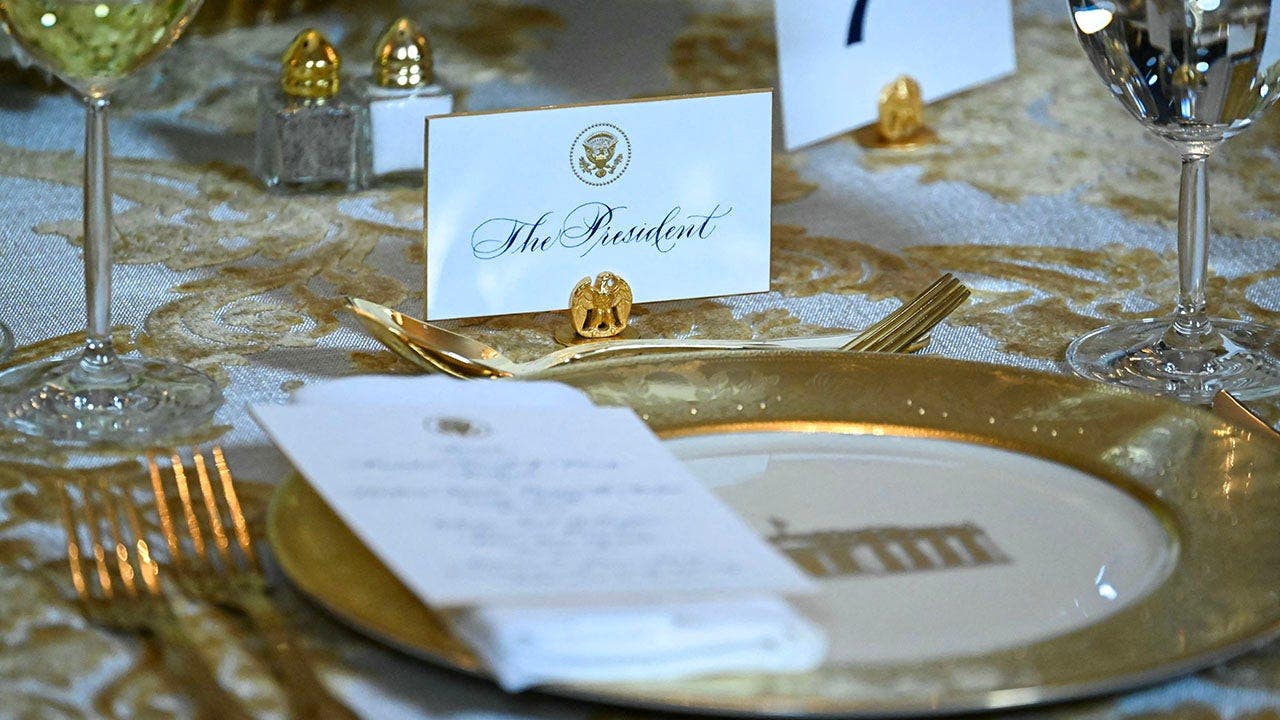
The main course featured sesame-crusted sea bass, served alongside braised bok choy and roasted garden eggplant. The choice of sea bass, a premium fish, combined with a French-inspired sauce verte, highlighted a sophisticated synthesis of East-meets-West culinary philosophy. The meal concluded with a dessert course featuring vanilla crèmeux, a walnut frangipane base, and a sour cherry confit. Notably, the dish was served with an iced cream infused with honey harvested directly from the beehives installed on the White House South Lawn by the First Lady earlier this year.
Diplomatic Symbolism and Aesthetic Choices
The décor of the evening was as calculated as the menu. The White House utilized the color red as a central theme, not merely as a nod to domestic political symbolism, but as a deliberate homage to its cultural significance in Chinese history. Tables were draped in red linen and adorned with arrangements of dahlias and ranunculus, while large urns filled with red blossoms served as the primary floral installations.
This emphasis on cultural bridging through design serves to underscore the complex nature of the current U.S.-China relationship. As the two leaders navigate a myriad of economic and geopolitical tensions—ranging from the global race for artificial intelligence supremacy to fluctuations in energy costs—the symbolic environment of the White House serves as a secondary layer of communication.
Timeline of the High-Stakes Summit
The state dinner is the anchor of a multi-day visit that carries significant weight for the global economy. The schedule for the summit is as follows:
- Thursday, Morning/Afternoon: Preliminary meetings focused on trade, energy, and bilateral relations.
- Thursday, Evening: The formal state dinner in the East Room of the White House, featuring performances by tenor Christopher Macchio and military musicians from the U.S. Army and Marine Corps.
- Friday, Morning: A scheduled visit to the National Archives, where the two leaders are expected to view foundational American documents, emphasizing the historical narrative of the United States.
- Friday, Afternoon: President Xi Jinping’s departure from the United States, concluding the brief but high-intensity diplomatic engagement.
Economic and Political Context
The timing of the summit coincides with a period of intense public and political scrutiny regarding the U.S.-China economic relationship. GOP leadership has suggested that the success of these talks could be a vital lever in addressing domestic concerns, such as the volatility of gas prices and the stability of global supply chains.
The broader implications of the summit extend into the ongoing debate over the U.S. industrial base. While the dinner itself was a moment of diplomatic pageantry, the substantive talks held in the Oval Office and the Cabinet Room focused on the “AI supremacy” battle. The United States remains in a fierce competition with China to define the parameters of next-generation technology, and the outcome of these discussions will likely influence regulatory frameworks for years to come.
Furthermore, the summit has drawn attention from various interest groups, including advocates for human rights. Reports have emerged regarding emotional appeals made by the families of detainees, adding a layer of human rights advocacy to the formal economic agenda. The presence of such voices on the periphery of the summit illustrates the balancing act the Trump administration must perform: maintaining a channel for economic negotiation while addressing persistent domestic and international concerns regarding China’s governance.
Architectural Transformations at the White House
The venue for the dinner, the East Room, is currently part of a broader, multi-year renovation project initiated by the Trump administration. The President has made the modernization and expansion of the White House a personal priority, with plans underway to construct a massive new ballroom. This project represents one of the most significant physical modifications to the executive mansion in over a century.

The renovation aims to create a world-class facility capable of hosting large-scale state receptions, reflecting a desire to modernize the presidency’s ability to engage in "soft power" diplomacy. The transition from the White House’s traditional, more constrained event spaces to a larger, purpose-built ballroom signifies a shift toward a more grandiose style of diplomatic entertaining.
Professional and Public Reaction
Political analysts have noted that while the menu and the décor are of minor consequence in the grand scope of geopolitics, they often serve as "signals" in international diplomacy. The selection of a pescatarian menu, for instance, is often viewed as a move toward a more "international" or "universal" palate, reducing the potential for dietary friction during delicate negotiations.
"The tone of these dinners is designed to convey stability and hospitality," says one Washington-based political strategist. "When you strip away the politics, you have two leaders who need to demonstrate that they can sit at the same table. The specific food choices are less about the ingredients and more about the message of comfort and shared respect."
Looking Ahead: The Path Forward
As the summit concludes on Friday with the visit to the National Archives, the administration will face the challenge of translating these high-level talks into tangible policy outcomes. The White House has emphasized that the goal of the summit is to foster a more predictable and mutually beneficial relationship, though critics remain skeptical that a single dinner and a series of meetings can resolve the deep-seated structural issues between the two superpowers.
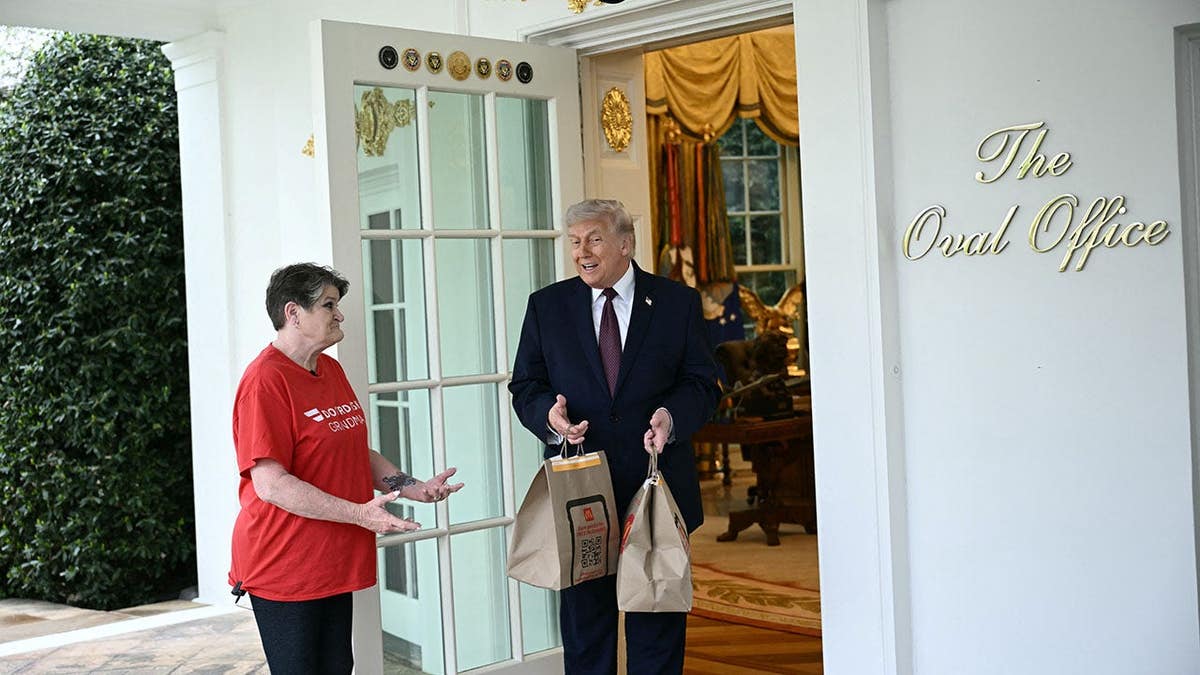
For President Trump, the evening represents a continuation of his approach to personal diplomacy—one that relies on high-profile events and face-to-face rapport. By moving away from his personal culinary habits and embracing the formality of a state dinner, he underscores the seriousness of his administration’s diplomatic efforts. As the world watches, the outcome of the discussions held behind the closed doors of the White House will resonate far beyond the walls of the East Room, impacting global markets, energy policy, and the trajectory of the U.S.-China relationship for the remainder of the term.