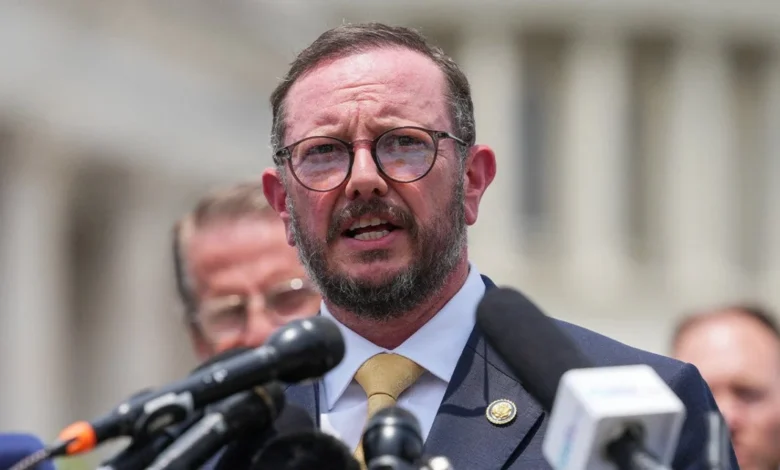
With the United States national debt having officially eclipsed the $40 trillion mark, a growing chorus of fiscal conservatives in the House of Representatives is intensifying its critique of legislative spending patterns. Among the most vocal is Missouri Republican Rep. Eric Burlison, who has leveled sharp criticism at his colleagues in both parties, characterizing the current climate in Washington as being "drunk on spending." This assessment comes as the nation faces a volatile economic landscape, defined by persistent inflation, rising interest rates, and an increasingly precarious fiscal outlook that Burlison argues is placing an undue burden on the American working class.
The intensity of this debate is heightened by the approach of the midterm elections, now just six weeks away. As both parties jockey for position, the disconnect between federal spending levels and the daily economic realities of average families has emerged as a central, if contentious, campaign issue.
The Anatomy of a Fiscal Crisis
The $40 trillion debt threshold is not merely a symbolic milestone; it represents a fundamental shift in the nation’s long-term economic stability. Economists note that when debt-to-GDP ratios reach historic highs, the government’s ability to respond to future crises—whether they be pandemics, geopolitical conflicts, or domestic natural disasters—becomes severely constrained by the sheer volume of interest payments required to service the existing debt.
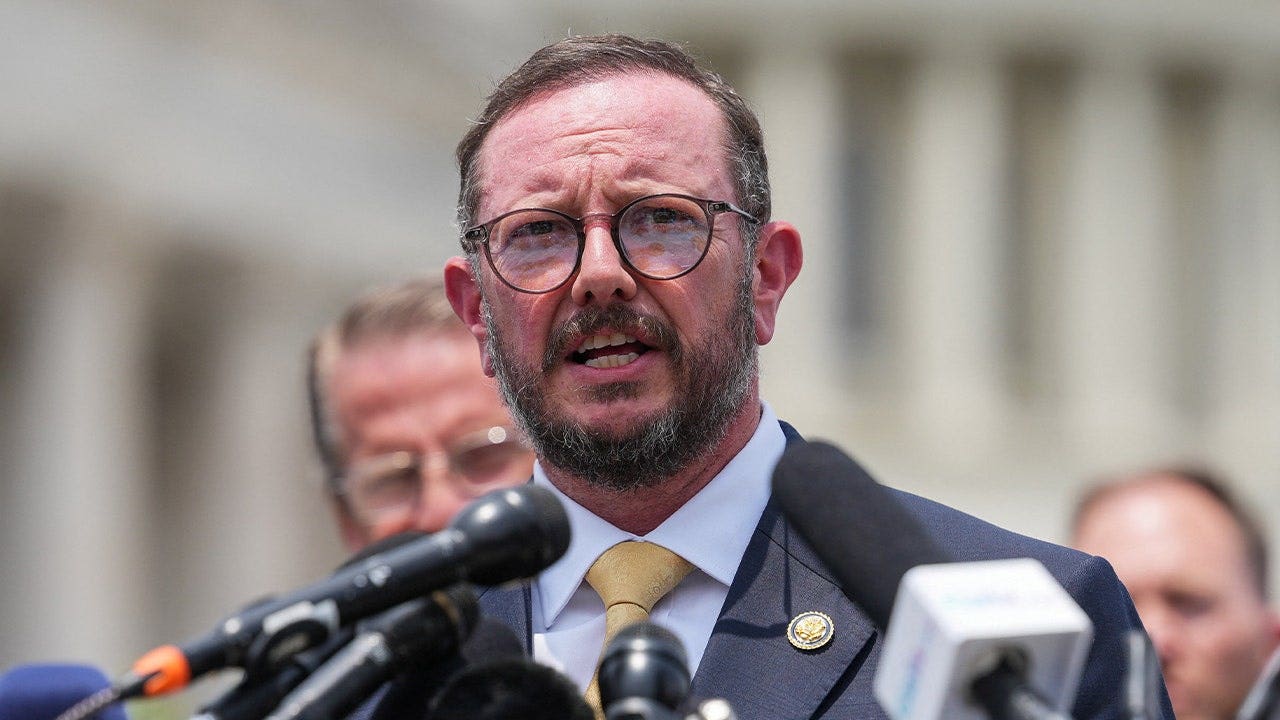
Rep. Burlison’s critique centers on what he describes as a pervasive culture of fiscal irresponsibility. In an exclusive interview, he argued that the impulse to authorize new federal spending remains unchecked by either party. "Most of my colleagues like to spend money… they like to spend other people’s money," Burlison stated. He contends that even within the GOP, which typically campaigns on a platform of fiscal restraint, there has been a notable reluctance to implement the aggressive, and often politically unpopular, spending reductions necessary to stabilize the national ledger.
A Chronology of Legislative Friction
The tension surrounding federal appropriations has been brewing for several years. Since the post-pandemic recovery phase began in 2021, the legislative landscape has been marked by repeated, high-stakes negotiations over the debt ceiling and omnibus spending bills.
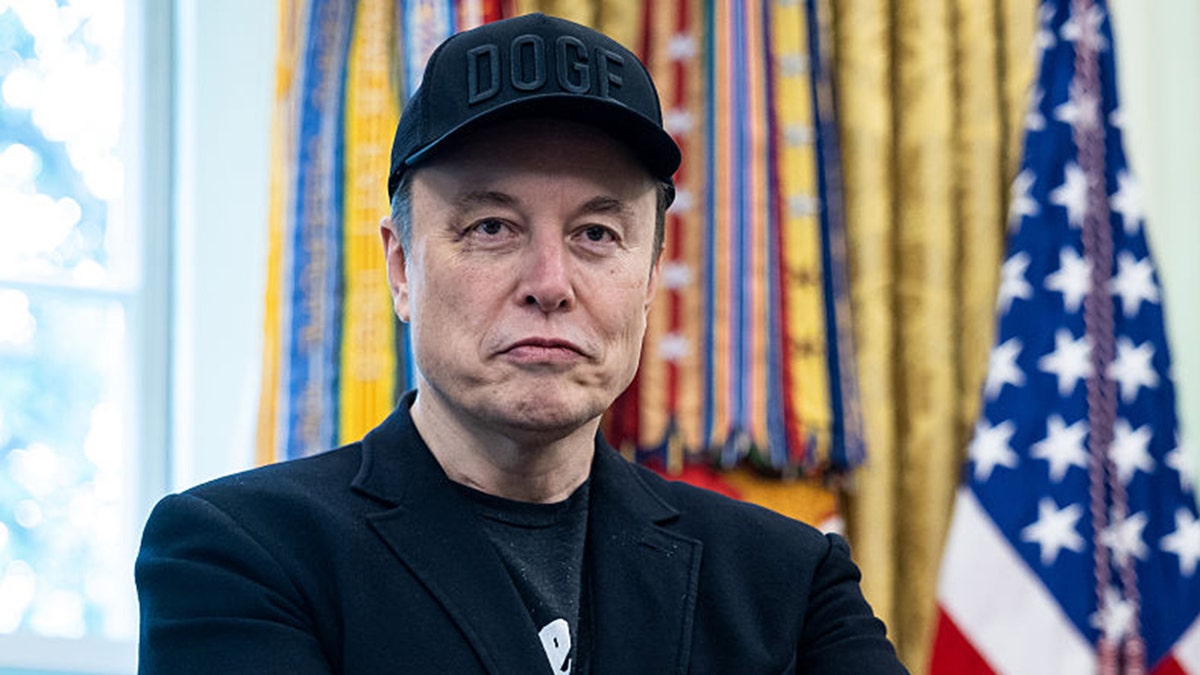
- Early 2025: The introduction of the Department of Government Efficiency (DOGE) initiative, supported by Elon Musk, generated significant momentum for the prospect of massive federal budget audits and potential spending cuts.
- Mid-2025: Initial enthusiasm among some members of the House Freedom Caucus regarding DOGE gave way to frustration as legislative efforts to implement deep cuts were stymied during the appropriations process.
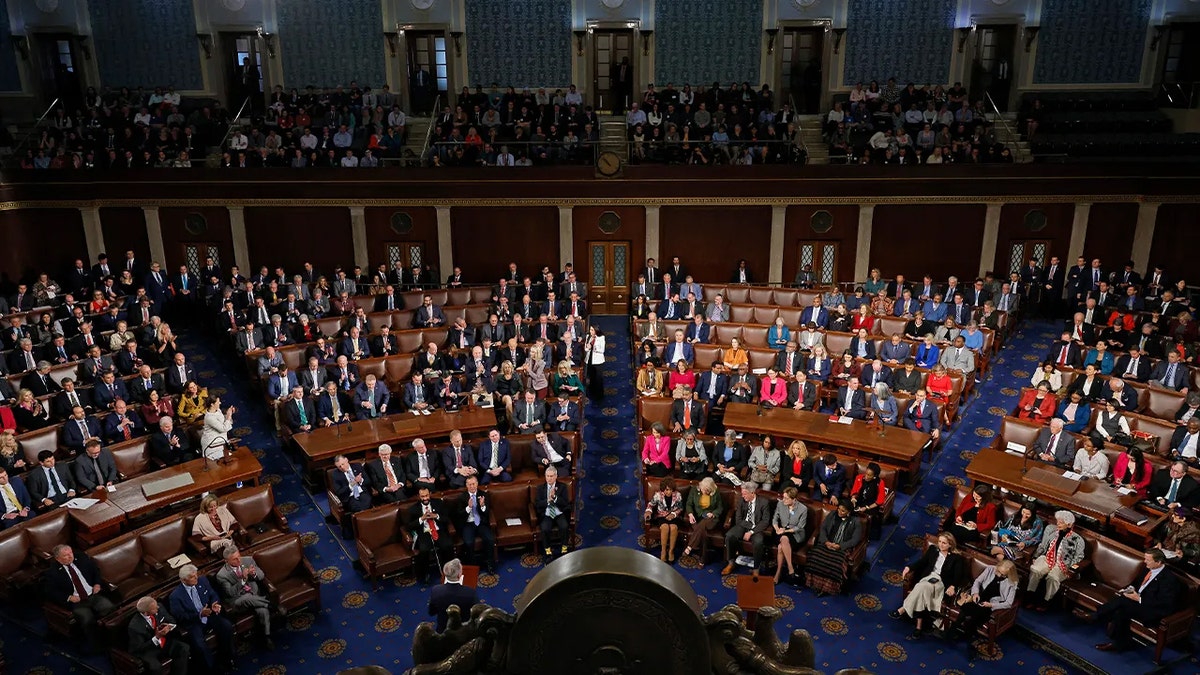
- Late 2025 – Early 2026: The passage of the National Defense Authorization Act (NDAA) and other major spending measures highlighted deep divisions within the Republican caucus regarding the balance between national security funding and domestic fiscal discipline.
- June 2026: The current period, where debates over the "Big, Beautiful Bill" and other legislative packages have left members like Burlison publicly expressing disillusionment with the legislative process.
Burlison points to these events as evidence that while rhetoric regarding "draining the swamp" or cutting waste is popular, the mechanical reality of passing legislation rarely results in meaningful austerity.
The Healthcare Affordability Gap
Beyond the aggregate numbers of the national debt, Burlison emphasizes that the most immediate impact on American households is the skyrocketing cost of healthcare. The representative highlights a stark disparity between standard inflationary pressures and the disproportionate rise in insurance premiums.
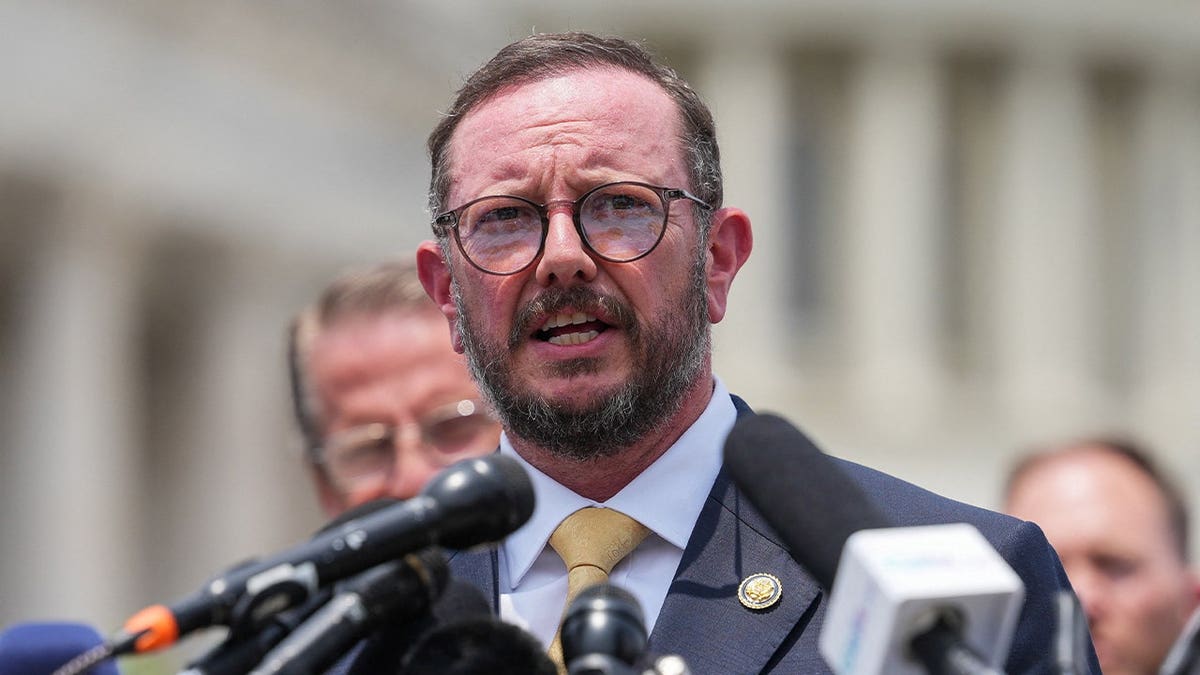
According to data cited by Burlison, the average annual premium for a family of four in the year 2000 was approximately $6,000. Had those costs merely tracked with the Consumer Price Index (CPI), the premium today would be roughly $11,000. Instead, families are currently facing costs closer to $27,000. This $16,000 variance, Burlison argues, is the primary driver of the modern affordability crisis.
"It’s the reason why young people cannot afford to buy a home. It’s the reason why people have a hard time going out to eat," Burlison said. He suggests that the current healthcare system is not only unsustainable but is actively "crowding out" the discretionary income necessary for citizens to participate in the broader economy. His proposed solution involves moving toward a more transparent, free-market healthcare model that prioritizes price clarity for consumers.
Implications of the DOGE Initiative
The launch of the DOGE initiative was heralded by many as a watershed moment for fiscal oversight. However, the subsequent reality has been more complex. Burlison noted that while many members of Congress were quick to align themselves with the initiative’s popularity, they often simultaneously voted against the very spending cuts required to achieve the goals of such an audit.
This behavior, he suggests, points to a deeper "messaging problem" within the Republican Party. If the party continues to campaign on fiscal responsibility while failing to deliver on tangible budget reductions, Burlison warns that the electorate will eventually lose faith in the GOP’s ability to act as a steward of the economy. He argues that voters are looking for a clear, actionable vision—not just a platform of opposition to the current administration.
Policy Proposals and Economic Responses
In addition to his critique of spending, Burlison has offered specific policy prescriptions aimed at providing immediate relief to taxpayers. Chief among these is a proposal to suspend federal fuel taxes during periods of international conflict.
"We love cutting taxes and I think that we should be cutting the fuel taxes during this period of time," Burlison suggested. He specifically noted the ongoing instability in the Middle East, particularly involving Iran, as a factor that continues to impact global oil markets and, consequently, domestic pump prices. By temporarily removing the federal excise tax on diesel and gasoline, Burlison believes the government could provide a tangible, immediate reduction in costs for the logistics and transportation sectors, which would then cascade into lower prices for consumer goods.
The Road to the Midterms
As the midterms approach, the political stakes are higher than ever. The Republican party is currently struggling to reconcile its internal factions. On one side are members advocating for a more traditional, small-government approach; on the other are those who favor maintaining current levels of government involvement to address social and security concerns.
Independent analysts suggest that if the GOP is to succeed in the upcoming elections, it will need to provide a more cohesive narrative regarding economic recovery. Burlison’s message to his colleagues is clear: the era of unchecked borrowing is drawing to a close, and if Congress does not initiate a disciplined, proactive reduction in spending now, market forces will eventually force an even more painful correction later.
"At some point, the party is going to be over and we are all gonna wake up in a drunken stupor with a hangover," Burlison warned. "It’s going to be painful and we’re going to have to figure out how to get our way out of that."
Ultimately, the debate underscores the fundamental challenge facing the American legislative branch: how to balance the demands for government services with the stark, mathematical reality of a $40 trillion debt. For lawmakers like Burlison, the path forward requires not just a change in rhetoric, but a fundamental shift in how the government approaches its role in the lives and finances of its citizens. Whether this shift occurs before the electoral cycle concludes remains an open question for voters and political observers alike.