
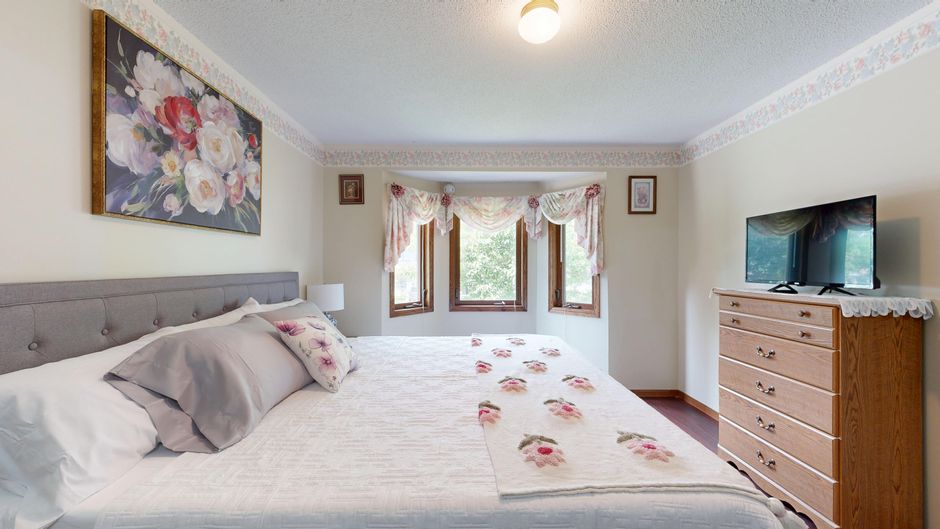
Bright Bedroom Makeover: Maximizing Light and Style for a Revitalized Sanctuary
Achieving a brighter bedroom isn’t just about aesthetics; it’s about cultivating a more energized and welcoming atmosphere that positively impacts your mood and overall well-being. This comprehensive guide details a strategic approach to a bright bedroom update, focusing on maximizing natural light, utilizing strategic artificial lighting, and employing color palettes and design elements that enhance luminosity. From understanding the principles of light reflection to selecting the right paint finishes and furniture, this article provides actionable advice for transforming your bedroom into a radiant sanctuary. We will delve into the science behind light perception in interior design and explore how thoughtful choices can make even the smallest or darkest bedroom feel more spacious and inviting. The objective is to create a space that feels airy, open, and uplifting, reducing the need for harsh artificial lighting during the day and promoting a more serene environment at night. This makeover is an investment in your personal comfort and a testament to the power of light in interior design.
The foundation of a bright bedroom lies in optimizing natural light. This begins with a critical assessment of your windows. Are they obstructed by heavy drapery, overgrown foliage, or perhaps a neglected window cleaning schedule? The simplest and most impactful step is to ensure maximum light penetration by choosing window treatments that allow for unobstructed views and light flow. Opt for sheer curtains, light-filtering blinds (such as Venetian or roller blinds), or Roman shades in lightweight fabrics. During the day, keep these treatments fully open. If privacy is a concern, consider layering sheer curtains with blackout blinds that can be drawn at night. Regularly clean your windows, both inside and out, as dirt and grime can significantly diminish the amount of natural light entering your room. For windows that receive direct sunlight for extended periods, consider the strategic placement of sheer curtains to diffuse harsh rays, preventing glare while still allowing ample light to enter. Analyzing the direction your windows face is also crucial. North-facing windows provide consistent, soft light throughout the day, ideal for a bright and even illumination. East-facing windows offer bright morning light, while west-facing windows provide warm, afternoon sun. South-facing windows offer the most direct and intense sunlight, which can be beneficial for brightness but may require careful management to avoid overheating and excessive glare. Understanding these nuances allows for tailored solutions to maximize the inherent light potential of your bedroom.
Color is a fundamental tool in creating a bright and airy bedroom. Light colors, by their very nature, reflect more light than dark colors, making your space feel larger and more open. When selecting paint colors, think in terms of whites, off-whites, soft grays, pale blues, and gentle greens. These hues create a luminous backdrop that enhances the feeling of spaciousness and serenity. The finish of your paint also plays a significant role. Opt for satin or eggshell finishes for your walls, as they have a subtle sheen that reflects light more effectively than matte finishes. High-gloss finishes can be too reflective and create an uncomfortably glary effect, but they can be used strategically on trim or furniture for subtle accents. Consider a crisp white ceiling; it acts as a large, reflective surface, pushing the light further into the room and making the ceiling appear higher. When choosing your primary wall color, test swatches on different walls of your bedroom at various times of the day to observe how the light interacts with the paint. Natural light can drastically alter the perceived tone of a color. For example, a cool white might appear stark in direct sunlight, while a warmer off-white might offer a softer, more inviting glow. Incorporating lighter furniture and bedding in complementary or coordinating shades will further amplify the brightness. Avoid large, dark furniture pieces that can visually absorb light and make the room feel more confined. Instead, prioritize furniture with lighter wood tones, painted finishes, or upholstered in pale fabrics.
The strategic use of mirrors is a time-honored technique for amplifying light and creating the illusion of greater space. Mirrors reflect both natural and artificial light, effectively doubling the illumination in a room and making it feel more expansive. The placement of mirrors is paramount. Position a large mirror directly opposite a window to reflect the incoming natural light back into the room. This creates a sense of depth and visually extends the window’s reach. Consider mirrored furniture pieces, such as a mirrored dresser or nightstands, which can subtly contribute to the overall luminosity of the space. A floor-to-ceiling mirror can have a dramatic impact, making the room feel significantly larger and more open. When selecting mirrors, consider their frames. Light-colored or metallic frames can further enhance the bright aesthetic, while dark, heavy frames can detract from the desired effect. Think about the reflections themselves. Place mirrors where they will reflect pleasing views, such as a cityscape, a garden, or a piece of art, rather than a cluttered corner. Even smaller decorative mirrors strategically placed can bounce light around the room, creating subtle highlights and increasing the perceived brightness.
Artificial lighting in a bright bedroom update should complement, not compete with, natural light. The goal is to layer lighting to create a warm, inviting, and functional atmosphere. Ambient lighting provides the general illumination for the room. This can be achieved through ceiling fixtures like flush mounts or chandeliers with a higher lumen output. However, avoid overly bright, single overhead lights that can create a stark and uninviting environment. Instead, opt for fixtures that cast a diffused glow or can be dimmed to adjust the intensity. Task lighting is essential for specific activities, such as reading in bed or applying makeup. This includes bedside lamps, desk lamps, or wall-mounted reading lights. Choose bulbs with a warm white color temperature (around 2700K to 3000K) to create a cozy and relaxing ambiance, rather than a harsh, cool white. Accent lighting can highlight architectural features, artwork, or decorative elements, adding depth and interest to the room. Consider wall sconces, picture lights, or even subtle LED strip lighting behind furniture. Incorporate dimmers on as many light sources as possible. This allows you to control the intensity of the light, adapting the room’s ambiance to suit different moods and times of day. Smart lighting systems offer even greater control, allowing you to schedule lights to turn on and off, adjust color temperature, and even control them remotely via a smartphone app. The aim is to create a layered lighting scheme that is both functional and aesthetically pleasing, enhancing the brightness and comfort of your bedroom without resorting to an overwhelming level of illumination.
Beyond paint and lighting, the choice of materials and finishes can significantly contribute to a bright bedroom update. Opt for reflective surfaces and light-colored materials wherever possible. Consider a light-colored rug or carpet to anchor the space and reflect light. Natural wood finishes in lighter tones, such as birch, maple, or light oak, can contribute to a bright and airy feel. If you have darker wood furniture, consider painting it a lighter color or refinishing it with a lighter stain. Upholstered furniture in light-colored fabrics, such as linen, cotton, or a light-toned performance fabric, will enhance the room’s brightness. Avoid heavy, dark fabrics like velvet or brocade unless used as small accent pieces. When selecting bedding, embrace light colors and breathable fabrics like cotton or linen. White, cream, pale pastels, and light neutrals are excellent choices. Layering different textures within these light palettes can add depth and visual interest without compromising the overall brightness. Consider incorporating metallic accents in brushed nickel, chrome, or brass, as these finishes are reflective and can add a touch of subtle sparkle. Even small decorative items, such as vases, picture frames, or decorative trays, in light colors or metallic finishes can contribute to the luminous effect.
Decluttering and organization are crucial, often overlooked, components of a bright bedroom update. A cluttered space visually absorbs light and makes a room feel smaller and more chaotic. Take the time to declutter your bedroom thoroughly, removing anything that doesn’t serve a purpose or bring you joy. Utilize smart storage solutions to keep your belongings organized and out of sight. Consider under-bed storage bins, closet organizers, or stylish shelving units. When everything has its place, the room will feel more open and consequently, brighter. A clear nightstand and dresser create a sense of calm and visual spaciousness. The act of decluttering itself can be transformative, creating a lighter mental as well as physical space. Think about the visual weight of items. Too many small, decorative objects can create visual clutter. Instead, opt for a few well-chosen, larger decorative pieces that have a lighter aesthetic. Open shelving can be utilized, but ensure that the items displayed are curated and visually appealing, rather than simply crammed onto shelves.
The strategic placement of furniture can also enhance the feeling of brightness and spaciousness. Avoid placing large furniture pieces directly in front of windows, as this will block natural light. Arrange your furniture to allow for unobstructed pathways and to maximize the flow of light throughout the room. Consider furniture with a lower profile; tall, bulky furniture can make a room feel more enclosed. Opt for furniture with legs, as this creates visual space underneath and allows light to flow beneath, making the room feel airier. If you have limited space, consider multi-functional furniture, such as a bed with built-in storage or a desk that doubles as a vanity. The overall layout should prioritize an open and uncluttered feel, allowing light to travel freely and creating a sense of expansiveness. Even small adjustments, like rotating a dresser to avoid directly facing a window and instead placing it along a wall, can make a difference in how light is distributed. When arranging your bed, consider its orientation. Placing it against a wall that doesn’t have a window directly behind it can prevent harsh light from shining directly on your face when you wake up, and it also frees up wall space for artwork or other decorative elements.
Incorporating plants can add a touch of life and vibrancy to a bright bedroom, and certain plants can even contribute to air purification. Choose plants with lighter green foliage that don’t cast dense shadows. Plants like the Snake Plant, ZZ Plant, or Spider Plant are excellent choices as they are low-maintenance and have a relatively light visual impact. Place them on windowsills, shelves, or in corners where they can add a touch of color and freshness without overwhelming the space. The vibrant green of the foliage can create a pleasing contrast against a light-colored backdrop, adding a natural element that enhances the overall sense of well-being. Ensure the pots and planters are also in light colors or neutral tones to maintain the bright aesthetic. Avoid dark, heavy planters that can detract from the intended atmosphere. The placement of plants should also be considered in relation to light sources. Place plants that require more light in brighter areas, while those that tolerate lower light can be placed further from windows. The presence of living greenery can make a space feel more inviting and less sterile, contributing to the overall feeling of a revitalized and welcoming sanctuary.
Finally, consider the subtle yet impactful details that tie your bright bedroom update together. This includes the hardware on your furniture and doors. Opt for brushed nickel, chrome, or a light brass finish rather than dark, heavy hardware. Even small details like light-colored drawer pulls or cabinet knobs can make a difference. Think about the art and decorative items you display. Choose pieces with lighter colors, airy subjects, or metallic finishes. Avoid overly dark or heavy artwork that can weigh down the room visually. Even the choice of a light-colored throw blanket or a set of decorative pillows in a pale hue can contribute to the overall bright and uplifting aesthetic. The goal is to create a cohesive and harmonious environment where every element works together to maximize light and create a sense of serenity and spaciousness. The cumulative effect of these small details can be significant, transforming a functional space into a truly inspiring and radiant sanctuary that promotes relaxation and rejuvenation. The journey to a brighter bedroom is a holistic one, encompassing a thoughtful integration of natural light, artificial illumination, color theory, material choices, and meticulous organization, all culminating in a space that feels both visually appealing and deeply restorative.

