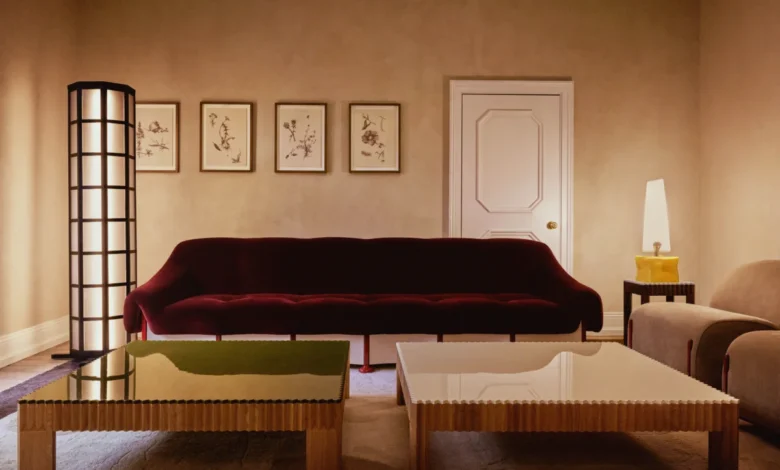
The creative partnership between filmmaker Luca Guadagnino and architect Stefano Baisi has reached a new milestone with the debut of a comprehensive collection for Zara Home. Spanning over 200 items, the collaboration includes furniture, decor, and a ready-to-wear clothing line, marking a significant expansion for both the studio and the retail giant. This venture represents more than a mere product release; it is a synthesis of cinematic storytelling and structural precision that has defined the pair’s working relationship since they officially joined forces in 2017.
A Decade of Creative Synergy
The collaboration between Guadagnino and Baisi is rooted in a shared obsession with environmental atmosphere. Since 2017, when Guadagnino appointed Baisi to lead his interior architecture firm, Studio Luca Guadagnino, the duo has operated at the intersection of high-concept design and functional space. Their portfolio reflects an eclectic range of disciplines: from the technical installation of the Louvre’s pyramid for a Dior fashion show in the Jardin des Tuileries, to the immersive, dreamlike recreations of 1950s Mexico City for Guadagnino’s 2024 feature film, Queer.
The Zara Home collection serves as a distillation of this decade-long dialogue. The creative process began with a collaborative inventory of inspirations—a digital and physical archive of images, art, and intellectual references that the pair synthesized into a cohesive aesthetic language. By anchoring their research in the Vienna Secession movement, the designers sought to imbue mass-market goods with the rigorous intellectualism of early 20th-century European design. Specifically, the delicate, intricate work of Koloman Moser—notably his silver and coral boxes—served as a foundational reference point for the collection’s structural integrity and decorative restraint.

Design Philosophy and Aesthetic Rigor
The collection is characterized by a "highly polished" ethos, where sharpness, angularity, and material honesty mirror the precision of high-end tailoring. The items are not merely domestic objects; they are intended to function as architectural anchors within a room.
Key pieces, such as the Bretonita sofa, exemplify this focus. Upholstered in hunter-green flannel with distinctive burgundy cord piping, the sofa utilizes a scalloped silhouette that manages to be both stately and structurally robust. Conversely, the "Elsewhere" table lamp offers a more modernist, space-age sensibility with its thin, arching steel neck and geometric triangular shade.
Material choices are equally deliberate. Stainless steel chairs and oak coffee tables featuring high-gloss lacquer finishes reflect a commitment to industrial elegance. For the designers, the goal was to create a "constellation of objects" that could exist independently while maintaining a visual dialogue with one another. Baisi notes that the collection’s strength lies in its versatility: the objects are designed to enter diverse domestic spaces, effectively acting as "parallel worlds" that adapt to the lives of their owners.
Chronology of the Collaboration
The project’s development followed a rigorous timeline, reflective of the high-stakes environment in which Studio Luca Guadagnino typically operates:

- 2017: Formation of the formal partnership under Studio Luca Guadagnino.
- 2017–2023: Execution of various high-profile projects, including boutique hotel interiors and global luxury fashion event designs.
- Early 2024: Initiation of the Zara Home collaboration, focusing on the research-heavy "Secessionist" phase.
- September 2024: Official launch of the 200-piece collection, supported by a short film directed by Guadagnino and a physical exhibition at La Pelota in Milan.
Market Positioning and Commercial Strategy
The entry of a high-profile filmmaker into the mass-market home goods sector is part of a broader trend in luxury retail, where brands seek to elevate their aesthetic profile through collaborations with auteurs. With prices ranging from $16.90 to $18,400, the collection is positioned to reach both the aspirational shopper and the high-end design collector.
Zara Home, a division of the Inditex Group, has historically utilized collaborations to bridge the gap between "fast furniture" and high design. By commissioning a figure of Guadagnino’s stature, the brand is leveraging the "halo effect"—using the filmmaker’s credibility to justify a more elevated, conceptual, and premium-priced offering. This strategy also serves to solidify Zara Home’s reputation as a curator of design history, rather than just a manufacturer of trends.
The Role of Cinematic Narrative
To accompany the physical release, Guadagnino directed a promotional short film written by Scott Z. Burns. Starring a cast of notable actors including Jamie Bell, Chase Sui Wonders, Michael Stuhlbarg, and Patricia Arquette, the film functions as a narrative vessel for the collection. By placing the furniture within a cinematic context, the designers have effectively bypassed the traditional "catalogue" approach to marketing, instead inviting consumers to inhabit a specific, curated reality. This approach aligns with Guadagnino’s directorial style, which often emphasizes the physical space as a character in itself.
Analysis: The Convergence of Film and Interior Design
The collaboration highlights a shift in how interior design is perceived by the public. Increasingly, audiences are looking for environments that possess the emotional resonance of a film set. Guadagnino and Baisi’s work acknowledges that the modern home is no longer just a place of utility; it is a stage for daily life.

From an economic perspective, the project represents a low-risk, high-reward model for both parties. For Studio Luca Guadagnino, it provides a massive platform for their design aesthetic, reaching millions of consumers globally. For Zara Home, it provides an infusion of "intellectual capital," distinguishing their inventory from that of competitors who rely solely on mass-production trends.
However, critics of such collaborations often point to the challenge of translating high-concept, bespoke design principles into large-scale manufacturing. The success of this collection will ultimately be determined by how well the physical items replicate the "sharp" and "stately" qualities described by the designers once they are removed from the controlled environment of a Milanese pop-up and placed into actual living rooms.
Broader Implications for the Design Industry
The success of this collaboration may signal a long-term shift in the design world. As the boundaries between high-art and consumer goods continue to blur, design firms are likely to seek out more "crossover" opportunities. The success of the "Uncollected" sofa or the "Sound" chandelier will likely be analyzed by other retailers as a case study for future partnerships.
Furthermore, the emphasis on historical movements like the Vienna Secession suggests a renewed interest in modernist principles that prioritize utility alongside craftsmanship. By bringing these themes to a global audience, the designers are engaging in a form of cultural education, encouraging a consumer base that may not typically seek out archival design influences to appreciate the intersection of history and modern domesticity.

Conclusion and Availability
As the collection officially launches, it stands as a testament to the enduring power of collaborative design. By treating furniture as an extension of architectural space, and by grounding that furniture in the rich history of the early 20th century, Luca Guadagnino and Stefano Baisi have managed to create a collection that feels both nostalgic and contemporary.
The full collection, including the ready-to-wear clothing line, is available for purchase as of September 26, 2024, through the official Zara Home website. For those looking to experience the physical materiality of the objects, the pop-up exhibition at La Pelota in Milan during the final days of September offers a rare, immersive look into the vision that the pair has spent nearly a decade refining. Whether viewed as an artistic endeavor or a retail product, the collaboration undeniably succeeds in challenging the perception of what a "home collection" can be.