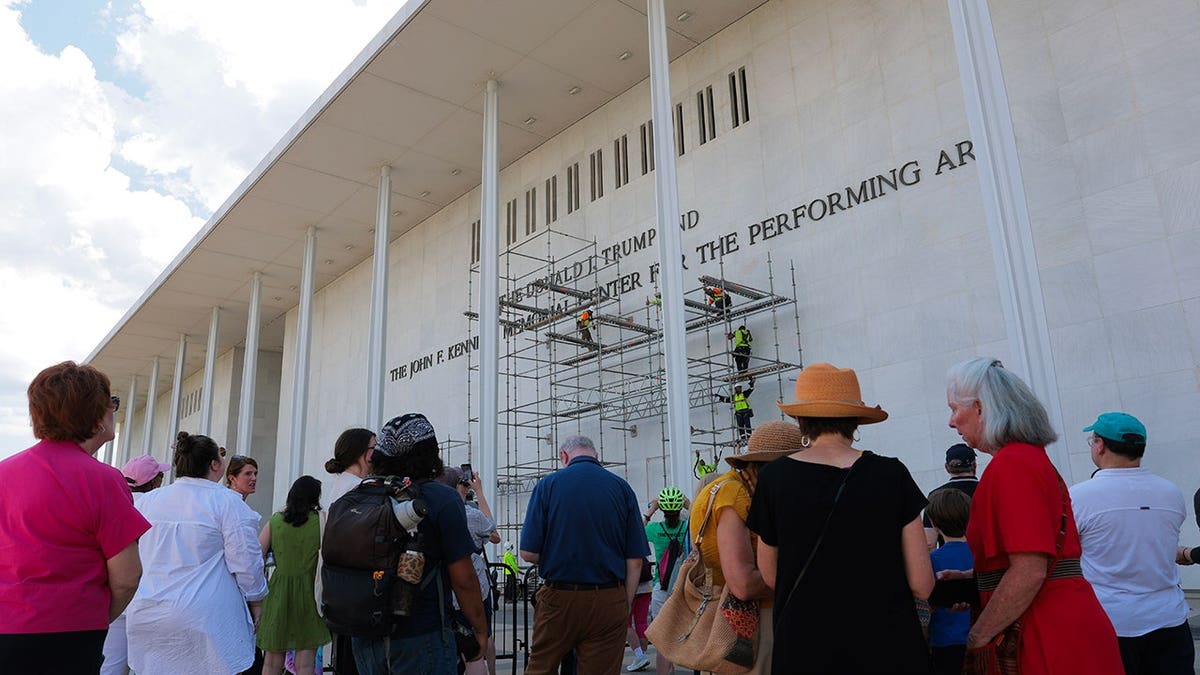
Construction crews began the process of removing President Donald Trump’s name from the facade of the John F. Kennedy Center for the Performing Arts in Washington, D.C., this week, marking the end of a contentious legal and political standoff. The de-installation follows a decisive federal appeals court ruling that denied a last-minute emergency appeal filed by the center’s board of trustees, which had sought to preserve the signage. The court’s decision reaffirmed that the authority to rename federal institutions of this nature rests exclusively with the United States Congress, not the executive branch or administrative boards appointed by the president.
The removal process, which attracted onlookers and media attention in the nation’s capital, effectively reverses a controversial decision made in December by a board handpicked by the Trump administration. That board had voted unanimously to incorporate the president’s name into the official title of the historic performing arts venue, a move that sparked immediate outcry from lawmakers and cultural preservationists alike.
A Chronology of the Renaming Dispute
The attempt to rename the Kennedy Center is part of a broader, ongoing series of efforts by the Trump administration to associate the president’s name with major federal infrastructure and cultural landmarks. The timeline of this specific dispute began in late 2025:
- December 2025: The Trump-appointed board of the Kennedy Center votes unanimously to rename the building to the "Donald J. Trump and John F. Kennedy Memorial Center for the Performing Arts."
- January 2026: Installation crews affix new signage to the building’s exterior, leading to immediate legal challenges from watchdog groups and congressional opponents.
- February 2026: A federal district judge issues an injunction, ruling that the name change exceeds the board’s statutory authority and noting that federal law explicitly designates the building as the John F. Kennedy Center.
- March 2026: The administration attempts to leverage federal funding negotiations to codify the name change, a move met with stiff resistance in the Senate.
- June 2026: The federal appeals court denies the board’s emergency appeal, solidifying the legal requirement for the name’s removal.
The conflict reached a boiling point when a portion of the building’s ceiling partially collapsed earlier this year. The incident, while largely attributed to structural aging and maintenance delays, became a flashpoint in the debate over the center’s management. The board had pushed for a two-year, large-scale renovation and closure, which critics argued was a pretext for further administrative control and branding efforts under the guise of safety concerns.
Legislative Pushback and the "Save America" Proposal
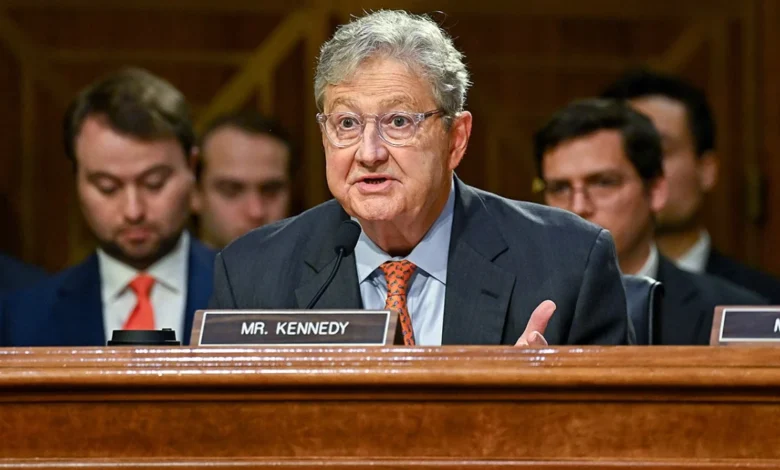
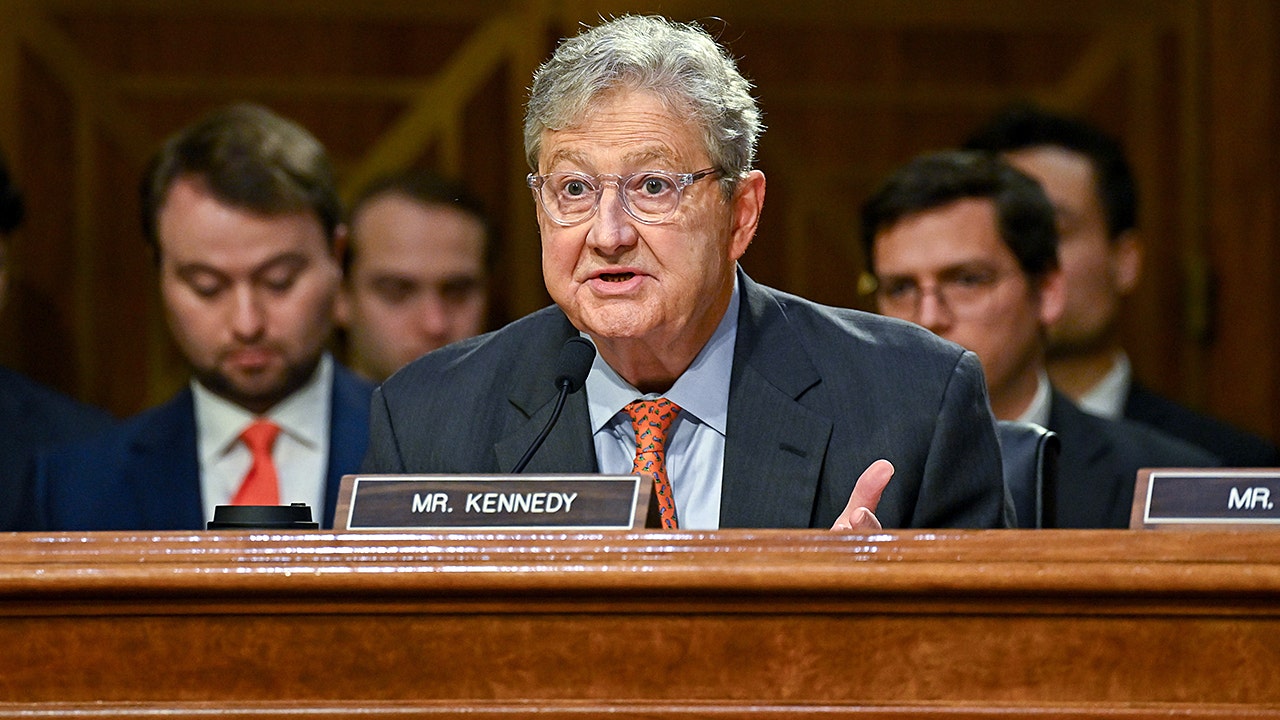
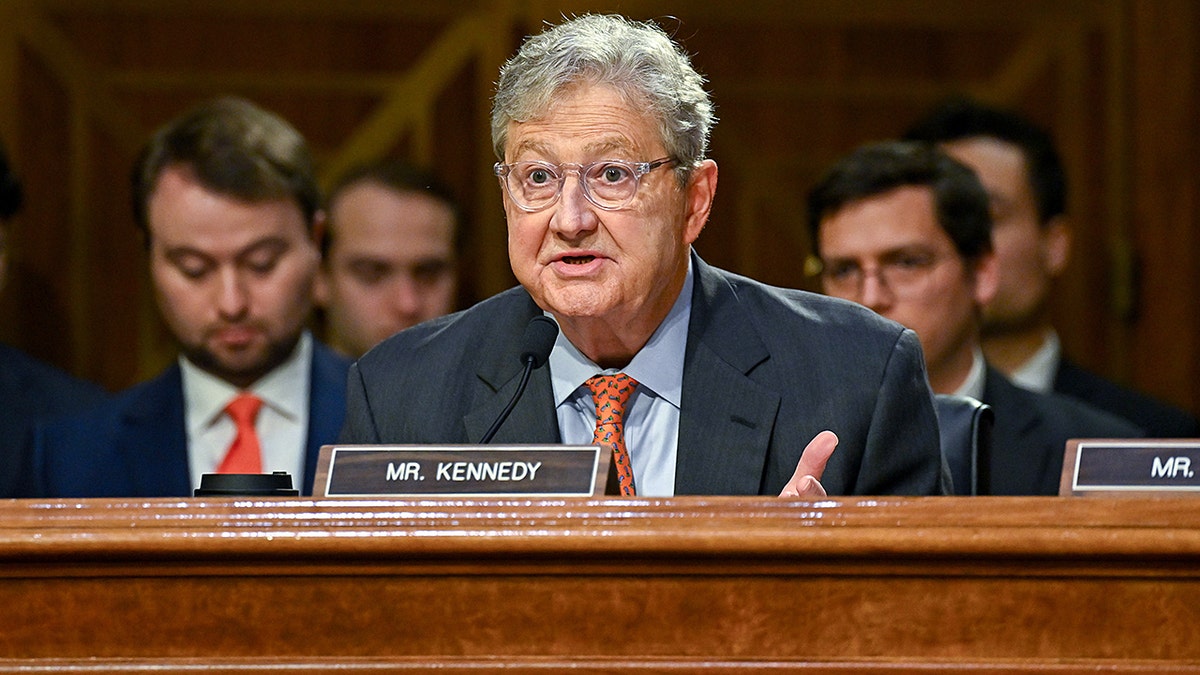
The controversy has prompted a legislative response in Congress, spearheaded by Senator John Kennedy (R-La.). During a high-profile appearance on CBS News’ "Face the Nation," Senator Kennedy expressed strong disapproval of the trend toward naming federal buildings after living political figures. He argued that such actions constitute a misuse of taxpayer funds, suggesting that the practice functions as a form of self-promotion rather than public service.
"You cannot spend public money to promote yourself," Kennedy stated during the interview. "It is a matter of institutional integrity. We ought to have a clear, enforceable rule that no politician can have a federal building named after him while he is still alive."
Senator Kennedy has proposed a legislative framework—colloquially referred to as the "Save America Act" in some circles—that would prohibit the naming of federal property after living public officials. He pointedly referenced the president’s penchant for using artificial intelligence and digital media to mock political rivals, noting that he would support such a measure regardless of the political cost. "I may end up with a sombrero on my head for saying this, but it is the right thing to do," he added, alluding to the president’s previous use of AI-generated imagery depicting Senate Minority Leader Chuck Schumer and House Minority Leader Hakeem Jeffries in traditional Mexican attire.
Broader Patterns of Renaming Efforts
The Kennedy Center is not an isolated case in the administration’s strategy to rebrand federal assets. Since his return to the White House, President Trump has floated or attempted several renaming projects across the United States.
In early 2026, the administration proposed that the modernization and funding deal for the D.C. area’s Dulles International Airport and New York’s Penn Station be contingent upon renaming those hubs in honor of the president. Additionally, at the U.S. Institute of Peace, the State Department moved to install the president’s name on the exterior of the building. This move led to a separate court motion filed by former institute officials, who were ousted by the administration, seeking to block the construction.
Furthermore, the administration has proposed an architectural project to build a grand promenade connecting the Lincoln Memorial to the banks of the Potomac River. While the president has described the project as a "beautiful" addition to the National Mall, supporters have publicly suggested it be dubbed the "Trump Promenade." The president’s own rhetoric on the matter has remained fluid, telling reporters at the time, "They want to call it the Trump Promenade, but I don’t know if I want to do that, but it’s going to be beautiful."
Legal and Constitutional Implications
The federal court’s ruling regarding the Kennedy Center underscores a fundamental principle of administrative law: the separation of powers. By finding that only Congress has the authority to rename a site established by federal statute, the courts have signaled that executive agencies and boards cannot unilaterally alter the identity of national landmarks.
Legal experts suggest that these rulings act as a check on executive overreach, particularly in the realm of "soft power" and historical legacy. The Kennedy Center was established in 1964 as a living memorial to the late President John F. Kennedy; as such, changing its name requires a legislative act that reflects the intent of the original statute. The court’s rejection of the board’s appeal serves as a precedent that may complicate future attempts by the executive branch to claim naming rights over federal property.
Economic and Public Sentiment
Public sentiment regarding the renaming of federal sites remains deeply polarized. Supporters of the president argue that his contributions to the nation’s economy and infrastructure merit recognition through the naming of prominent buildings. Conversely, critics view these efforts as a departure from traditional norms of public service, where monuments are typically dedicated to figures after they have left office or have passed away, ensuring a period of historical perspective.
From an economic standpoint, the cost of these administrative maneuvers has become a subject of scrutiny. The physical removal of the signage from the Kennedy Center—including the assembly of scaffolding and the labor costs associated with the initial installation and subsequent de-installation—represents a non-trivial expenditure of federal funds. Government watchdog groups have pointed to these costs as evidence of the financial inefficiency associated with politically motivated renaming campaigns.
Analysis: The Impact on Institutional Neutrality
The ongoing disputes over building names raise questions about the neutrality of cultural and educational institutions. When federal boards are staffed by political appointees who prioritize the branding of the current administration, the perception of these institutions as non-partisan, public-serving entities can be compromised.
As workers continue to dismantle the signage at the Kennedy Center, the incident serves as a case study in the friction between executive prerogative and established legislative procedure. Whether Congress will ultimately pass the legislation proposed by Senator Kennedy remains to be seen, but the debate has undoubtedly set the stage for a lasting discussion on the appropriate boundaries of executive power and the legacy of political leadership in the United States.
The immediate task for the Kennedy Center, beyond the removal of the sign, involves addressing the underlying safety and structural issues that have necessitated significant investment. As the institution navigates its future, the resolution of the naming dispute provides a temporary return to the status quo, though the broader political environment remains charged with competing visions for how the federal government should represent its leaders in the public square.