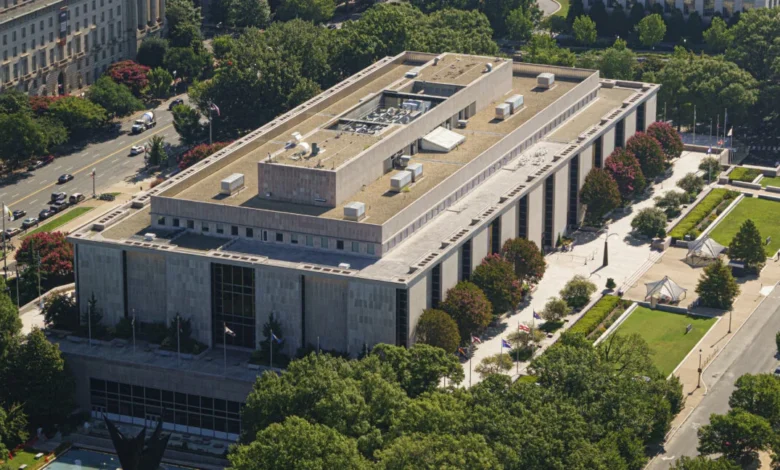
The Smithsonian Institution, globally renowned as the world’s largest museum and research complex, has found itself trapped in an escalating political crossfire. Long insulated from the hyper-partisan currents of Washington, D.C., the sprawling institution of 21 museums and the National Zoo is now facing an unprecedented existential challenge. Propelled by a combination of executive orders, a sweeping 162-page White House report, and contentious congressional hearings, the Trump administration has targeted the Smithsonian for what it labels "ideological capture," casting a harsh light on how America’s premier cultural repository narrates the nation’s history.
This friction has transformed the nation’s capital into a battleground over historical memory. As the United States approaches the milestone of its 250th anniversary—the Semiquincentennial—the fundamental question of how the Smithsonian should present the nation’s heritage has become a focal point of contemporary culture wars. The fallout has already claimed casualties at the leadership level, most notably with the resignation of Smithsonian Secretary Lonnie Bunch, and has introduced profound uncertainty regarding future federal appropriations.
Anatomy of a Cultural Flashpoint
The roots of the current confrontation stretch back several years, accelerated by a national reckoning over race, equity, and identity following the COVID-19 pandemic and the 2020 murder of George Floyd. During this period, the Smithsonian, much like academic and cultural institutions across the Western world, initiated internal shifts aimed at diversifying its narratives. Curators increasingly examined the complexities and darker chapters of American history, including the foundational role of chattel slavery in the lives of historical figures.
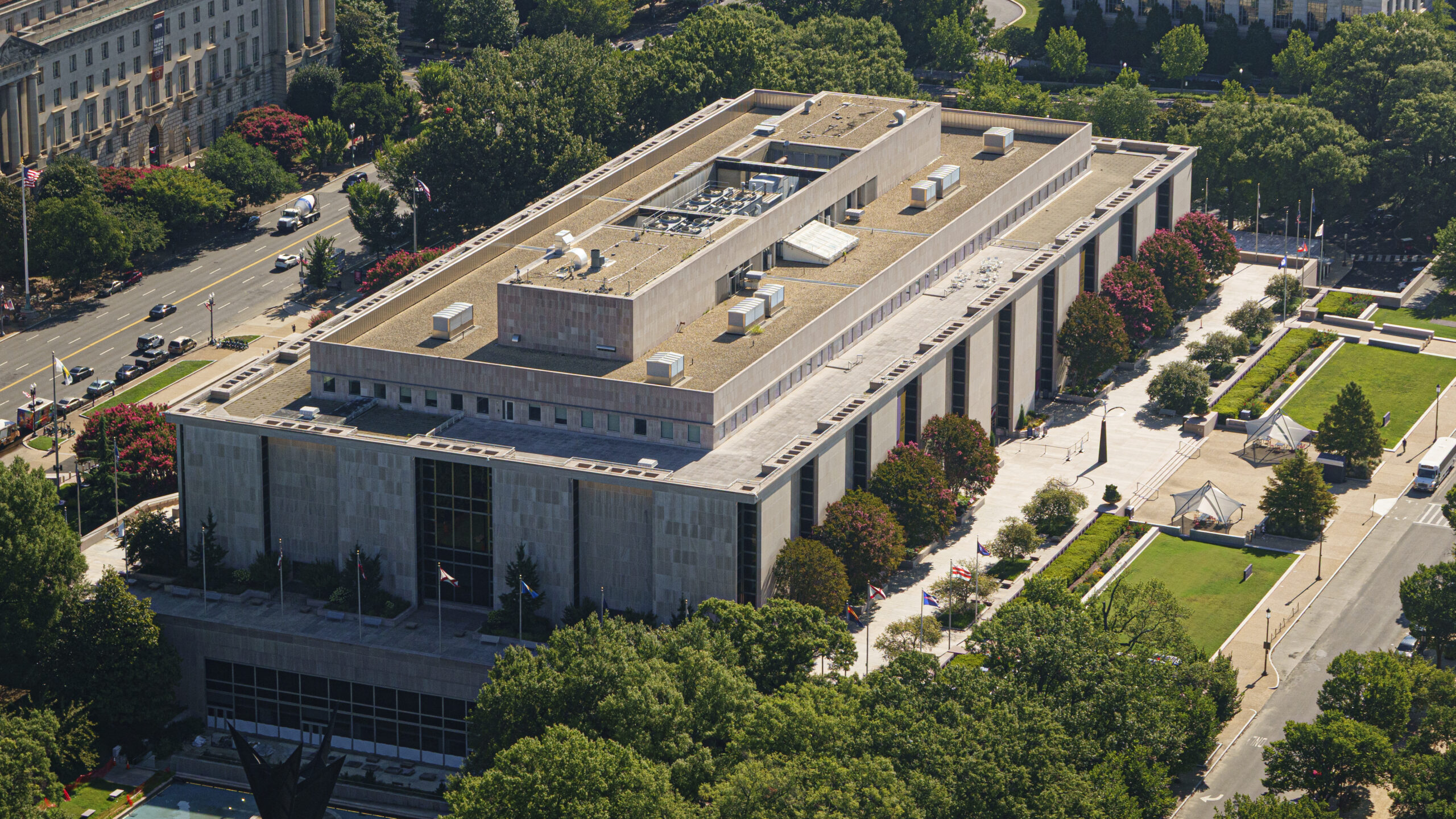
A primary target of administration criticism has been the Smithsonian’s National Museum of American History. Opened in 1964 as the National Museum of History and Technology, the institution has long wrestled with a dual identity: balancing the celebration of American ingenuity and technological progress with the broader, often contentious canvas of socio-political history.
In late 2021, the museum opened an exhibit titled "The Electric Dr. Franklin." While highlighting Benjamin Franklin’s pioneering contributions to electrical science, the exhibit also documented that Franklin had enslaved people in his household prior to becoming an abolitionist, noting that his scientific work was, in part, enabled by slavery and raising the historical conjecture that enslaved individuals may have assisted in his experiments.
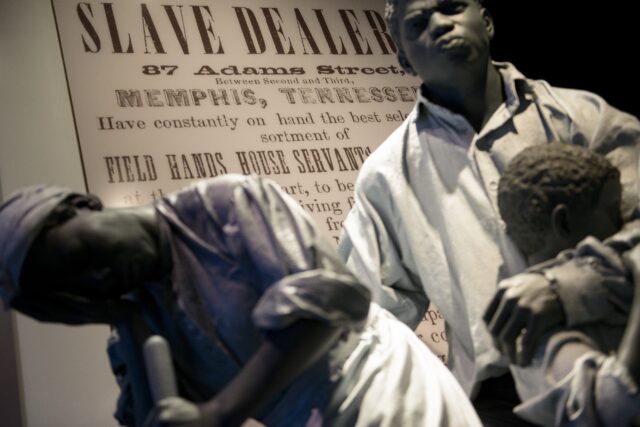
While academic historians frequently view such contextualization as a standard component of modern historiography, critics argue it represents a departure from traditional, unifying historical education. This sentiment crystallized in a July White House report titled "Saving America’s Story," which asserted that the museum had succumbed to a race-centered ideology that prioritizes political activism over straightforward historical scholarship.
A Chronology of Escalation
The friction between the federal government and the Smithsonian shifted from policy debates to direct confrontation in early 2025:
- March 2025: President Donald Trump signs an executive order asserting that the Smithsonian had yielded to a "divisive, race-centered ideology," directing Vice President J.D. Vance to oversee efforts to purge improper perspectives.
- May 2025: The administration pressures the National Portrait Gallery, resulting in the departure of its director, Kim Sajet, whom officials criticized for supporting diversity, equity, and inclusion (DEI) initiatives.
- July 4, 2025: Timed to coincide with the nation’s 250th independence milestones, the White House releases its comprehensive 162-page report condemning specific exhibits and museum staff training tools.
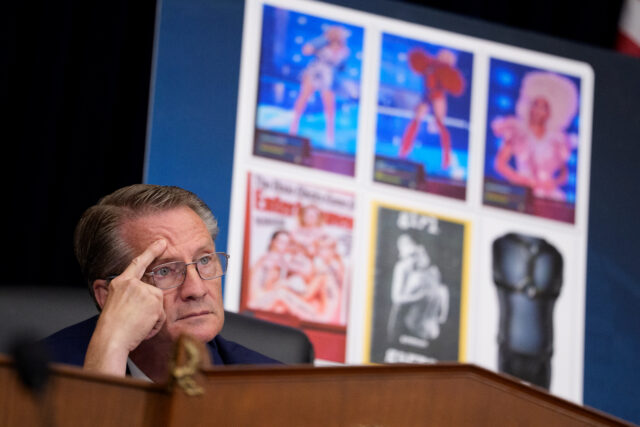
- Late July 2025: The House Oversight and House Administration committees convene back-to-back hearings. Lawmakers subject National Museum of American History Director Anthea Hartig to intense questioning regarding specific artifacts, including a sadomasochistic crotch harness and diary entries concerning gender identity in the "Girlhood (It’s Complicated)" exhibit.
- August 2025: Interior Secretary Doug Burgum sends a formal letter to the Smithsonian’s Board of Regents, warning that other federal agencies cannot justify continued support under the current administrative leadership.
- September 8, 2025: Lonnie Bunch, the first African American secretary of the Smithsonian and former founding director of the National Museum of African History and Culture, announces his resignation at age 73, citing extreme stress.
Funding and Governance Vulnerabilities
Despite its cultural prominence, the Smithsonian occupies a unique structural position within the federal landscape. While legally established as an independent trust instrumentality rather than an executive branch agency, its reliance on public funding is profound. The institution depends on the federal government for roughly 62% of its operating budget, translating to over $1 billion annually.

This financial dependence leaves the Smithsonian vulnerable to legislative pressure. Governance rests in a 17-member Board of Regents, which includes the Chief Justice of the Supreme Court (who traditionally serves as the board’s chancellor), the Vice President, six members of Congress split evenly between parties, and nine citizen members. As vacancies open on the board—with multiple citizen slots expiring or sitting vacant—the appointment process managed by congressional leadership and the White House will heavily influence the selection of Bunch’s successor and the institution’s subsequent strategic direction.
Historically, the Smithsonian successfully navigated partisan divides through ongoing consultations with congressional committees possessing direct oversight, such as Appropriations and House Administration. However, pandemic-related closures, institutional staff turnover, and a hardening political climate frayed these traditional diplomatic channels, leaving the museum exposed to external legislative and executive retaliation.
The Divergent Philosophies of American History
At the core of the institutional crisis lies a fundamental philosophical debate over the purpose of a national museum. Critics, echoing arguments made by commentators like David Brooks in the early 2000s and panels such as the 2002 Richard Darman-led blue-ribbon commission, contend that the American History Museum lacks a cohesive, chronological narrative that celebrates the nation’s foundational ideals and achievements. They argue that an overemphasis on systemic flaws, marginalization, and identity politics fractures the collective identity necessary for a unified citizenry.
Conversely, museum leadership and academic defenders maintain that modern historical scholarship requires nuance, acknowledging the totality of the American experience—including its foundational contradictions, such as the coexistence of liberty and slavery among the Founding Fathers. Proponents of this approach argue that presenting complex and sometimes painful history fosters a deeper, more resilient patriotism, allowing visitors to grapple with how the nation evolved to meet its professed ideals.
John Gray and Brent Glass, former directors of the National Museum of American History, have noted that curators long struggled to synthesize millions of objects into a single overarching story without appearing either overly triumphalist or excessively critical. The resulting pavilion-based design—featuring distinct permanent exhibits on enterprise, democracy, transportation, and war—created a fragmented visitor experience that detractors could easily pick apart.
Broader Implications for Cultural Institutions
The conflict surrounding the Smithsonian extends far beyond the marble halls of the National Mall. It signals a broader test of independence for federal cultural and scientific agencies in an era of heightened political polarization. Observers from both sides of the aisle note that politicizing institutions dedicated to heritage and science threatens their long-term sustainability and public trust.

If funding cuts materialize or leadership is systematically replaced to enforce a specific ideological narrative, the precedent could permanently alter how American history is curated, funded, and discussed at the federal level. For now, millions of visitors continue to pass beneath the dim lights of the Star-Spangled Banner and view the desk where Thomas Jefferson drafted the Declaration of Independence. Yet the institutional framework preserving these treasures navigates an uncertain future, where the definition of American history itself remains up for grabs.