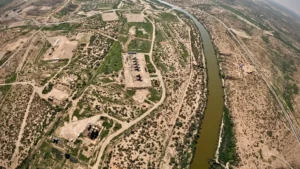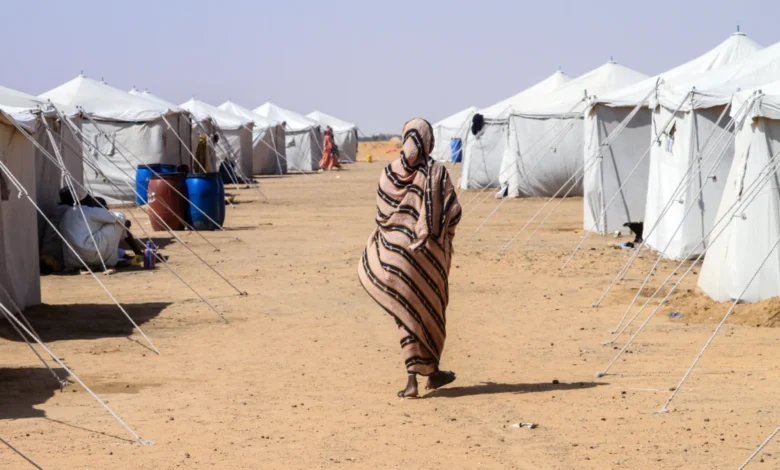
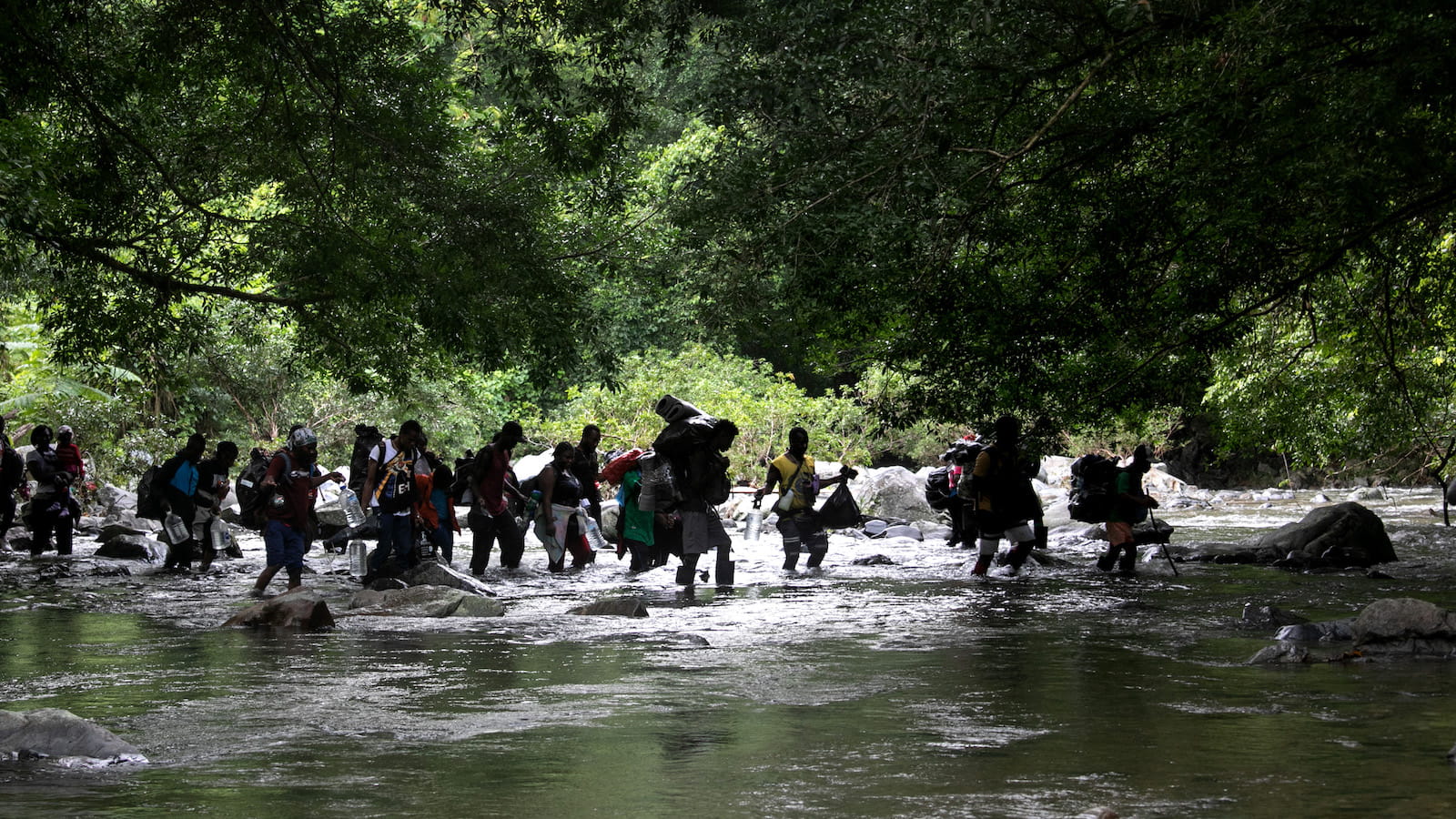
Every year, climate-induced disasters—ranging from catastrophic flooding and uncontrollable wildfires to prolonged, punishing droughts—force millions of people to abandon their homes in search of stability. This growing population of climate migrants occupies a precarious legal space, lacking the specific protections afforded to political refugees under international law. While most of these individuals relocate within their own national borders, a significant portion seeks refuge across international lines. As the planet continues to warm, the frequency and intensity of these displacement events are projected to rise, creating a global phenomenon of human movement that threatens to overwhelm current infrastructure and social support systems.
According to projections from the World Bank, at least 44 million people could be internally displaced globally by 2050 due to the cascading effects of climate change. Some estimates suggest this number could climb much higher, potentially reaching 216 million in the same timeframe. This scale of migration is equivalent to the mass relocation of the entire population of Argentina, yet, despite the gravity of these figures, few governmental bodies are actively planning for the systemic shifts required to accommodate such a surge.
The Rise and Stall of the Climate Displacement Act
Last autumn, Illinois positioned itself at the forefront of this emerging crisis when Governor JB Pritzker signed the Climate Displacement Act. The legislation was designed to make Illinois the first state in the nation to proactively anticipate how climate-driven migration would alter the social and economic landscape for both existing residents and new arrivals. The law mandated the creation of a 17-member task force charged with investigating how domestic and international migration patterns might stress the state’s infrastructure, public resources, and social services.

The mandate required the task force to publish two comprehensive reports over the coming year, providing a roadmap for state readiness through 2050. Proponents of the bill hoped that if the Midwestern state succeeded in this endeavor, it would serve as a critical blueprint for other states facing similar demographic and environmental pressures.
However, just one year after the law’s inception, the initiative has effectively ground to a halt. Despite the legislative requirement that the Governor, top lawmakers, and agency heads appoint members to the board within 90 days of the law’s enactment, only one appointment has been made to the 17-seat task force in over a year. The failure to populate the committee has resulted in missed deadlines and a lack of clear direction, casting doubt on the state’s ability to deliver the first mandated report, which is due this December.
A Chronology of Inaction
The path to the current stalemate reveals a disconnect between legislative intent and administrative execution. The Climate Displacement Act was introduced in February 2025 by state Senator Graciela Guzman, a Chicago Democrat. Her push for the legislation was deeply personal, motivated by the devastating wildfires that ravaged Southern California earlier that year—fires that destroyed thousands of homes and prompted urgent discussions among families, including her own, about the necessity of relocation.
The bill moved through the legislative process with significant support, reflecting an acknowledgment that Illinois—with its temperate climate, vast freshwater resources, and relative protection from hurricanes—might eventually serve as a "climate haven." Yet, once the bill was signed into law, the sense of urgency seemingly evaporated.
Key milestones in this timeline include:
- February 2025: Senator Guzman introduces the Climate Displacement Act following historic wildfire destruction in California.
- Fall 2025: The Act is signed into law by Governor Pritzker, establishing the 17-member task force.
- Winter 2025–2026: The 90-day window for appointing task force members passes with minimal action from the Governor’s office and state agencies.
- Summer 2026: Chicago experiences unprecedented extreme weather, including near-capacity flooding in the city’s tunnel systems and record heatwaves, underscoring the necessity of the law.
- Fall 2026: WBEZ and Grist inquiries reveal that only one member, Senator Guzman, has been appointed to the task force.
The Myth of the Climate Haven
The term "climate haven" has frequently been used to describe Chicago and the broader Midwest, given the region’s geographic advantages. An analysis by the climate-risk modeling firm AlphaGeo recently ranked Chicago as the most climate-resilient large city globally, citing its "robust urban infrastructure" and proximity to 20 percent of the world’s unfrozen surface freshwater.
However, scientific consensus has increasingly challenged the "haven" narrative. Experts argue that climate change is a global systemic issue, and no region is truly insulated from its effects. The past year in Illinois serves as a sobering case study: the state has faced significant, widespread flooding that tested the limits of the Chicago Deep Tunnel and Reservoir Plan, a series of record-breaking tornadoes, and weeks of hazardous air quality caused by regional wildfire smoke. These events have proven that even regions with "resilient" infrastructure are vulnerable to the cascading effects of a warming climate.
Senator Guzman noted that these recent weather extremes have made the conversation around the Climate Displacement Act more pressing than ever. "It’s really laying bare why this kind of planning is important," she said.
Official Responses and Institutional Roadblocks
When questioned about the delays, the Governor’s office maintained a commitment to the project, though it offered no concrete timeline for completion. Jose Correa, a spokesperson for the Governor, stated that the administration remains "committed to fighting climate change and preparing Illinois for its impacts," and that it would continue working with stakeholders to "establish a timeline and move the task force forward."
For proponents like Senator Guzman, the lack of a clear timeline is frustrating. "We haven’t received a clear answer," she admitted. The structural issue, however, may be partially rooted in the law itself: while the legislation outlines the required content of the reports—including the latest scientific data on migration and recommendations for state agencies—it fails to include enforcement mechanisms or consequences for failing to meet the mandate.
The Complexity of Climate Migration
The difficulty of implementing the law is compounded by the lack of a universally accepted definition for "climate migrant." Under the 1951 Refugee Convention, legal protections are strictly reserved for individuals fleeing persecution based on race, religion, nationality, or political opinion. Climate change does not currently qualify as a basis for refugee status, leaving millions in a legal limbo.
Furthermore, migration is a multi-causal phenomenon. Disentangling the role of climate change from economic, social, and personal factors is a monumental task for demographers and policymakers. Bryan Jones, a geographer and professor at Baruch College, suggests that while the task is daunting, the state can leverage existing data to create models based on its unique economic strengths, such as its massive agricultural sector and metropolitan resources.

"It would be of tremendous service and certainly help to get the conversation started where there’s been limited conversation in this country, to this point," Jones stated.
Implications for the Future
The current paralysis in Illinois reflects a broader national struggle to address the long-term, non-linear threats posed by climate change. While other states like Maine have begun incorporating migration into resilience planning, and states like Alaska are dealing with the immediate reality of relocating coastal communities, Illinois remains the only state with an explicit, comprehensive mandate to prepare for large-scale population shifts.
The implications of failing to act are significant. If Illinois is, in fact, a future destination for displaced populations, the lack of a proactive strategy could lead to housing shortages, overwhelmed public services, and increased social friction. Conversely, a successful implementation of the Climate Displacement Act could turn the state into a national leader, demonstrating how to integrate new populations effectively while building a more resilient, equitable infrastructure for all residents.
As the December deadline for the first report approaches, the silence from the Governor’s office and the lack of appointments suggest that the state is not yet ready to confront the reality of its future. The challenge for Illinois now is not just to address the climate itself, but to address the political inertia that prevents the state from preparing for a world that is already in motion. Without a coherent roadmap, the state risks being reactive in the face of a crisis that demands, at minimum, a proactive framework for survival.