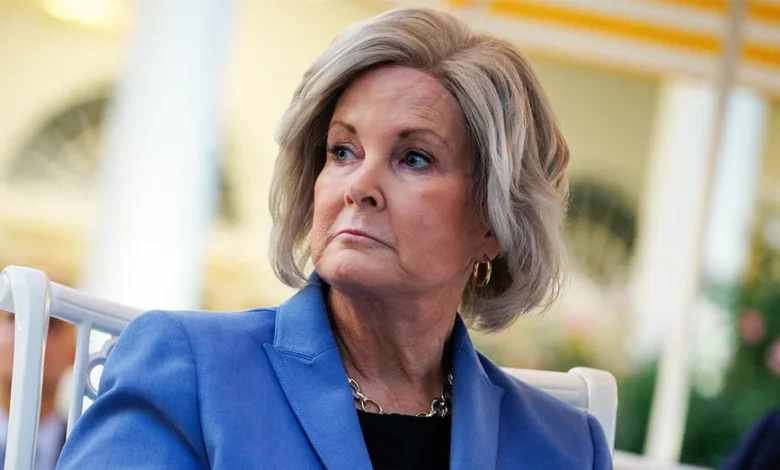
In a deeply personal and candid op-ed published this Sunday, White House Chief of Staff Susie Wiles has provided a rare glimpse into the logistical and emotional toll of navigating a high-stakes political career while undergoing treatment for early-stage breast cancer. Serving as the primary gatekeeper for President Donald Trump, Wiles described the taxing reality of managing one of the most demanding roles in the federal government while simultaneously confronting the physical and psychological onslaught of chemotherapy.
The account, featured in USA Today, marks a pivotal moment of transparency for the veteran political strategist. Wiles, who was appointed as the first female Chief of Staff in U.S. history, detailed how her professional responsibilities became a necessary anchor during her medical journey. Her public disclosure offers a candid look at the intersection of modern leadership and the quiet, often grueling realities of chronic illness.
A Chronology of the Diagnosis and Recovery
The public became aware of Wiles’ medical situation in March 2026, when she disclosed that she had been diagnosed with early-stage breast cancer. Despite the gravity of the diagnosis, Wiles maintained a rigorous schedule, often appearing alongside President Trump at formal events and high-level meetings.
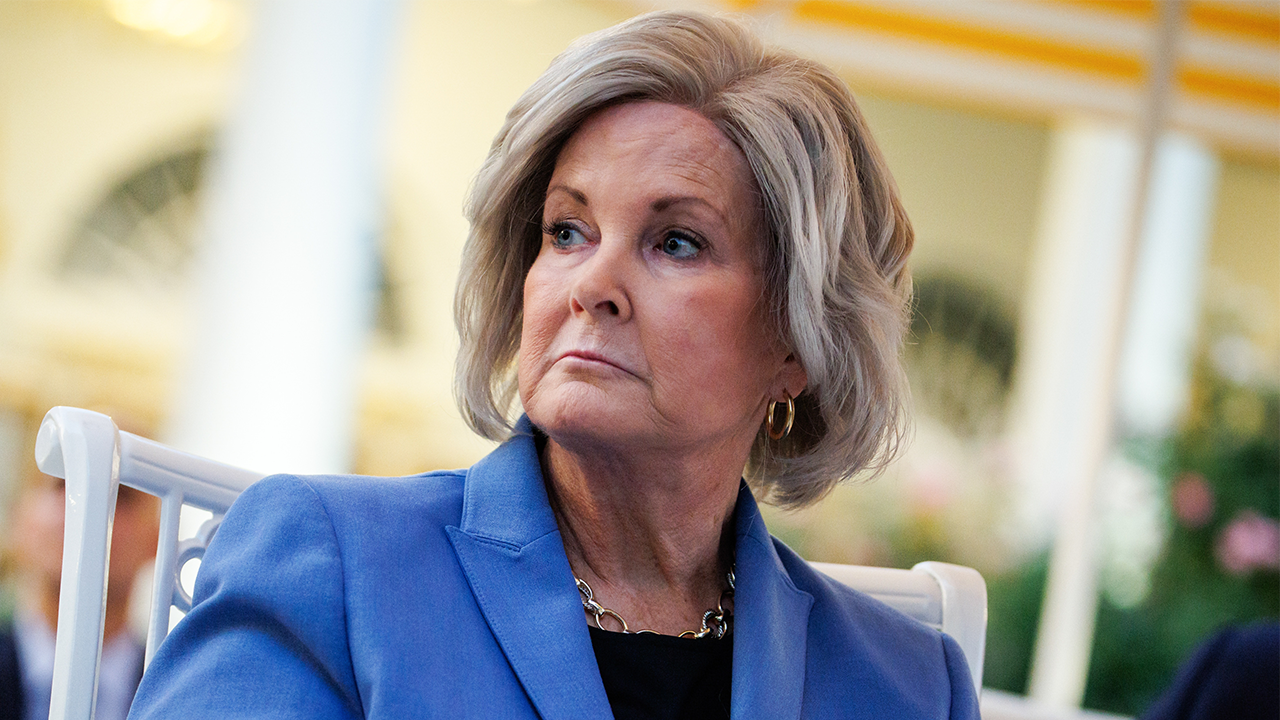
The following timeline tracks the development of her public disclosure and the subsequent medical milestones:
- March 2026: Wiles publicly discloses her diagnosis of early-stage breast cancer.
- May 2026: President Trump acknowledges Wiles’ health battle in a prerecorded tribute at a gala, publicly commending her resilience and stating she was "winning" the fight.
- September 16, 2026: Wiles announces that she is officially cancer-free following successful surgery and treatment protocols managed at the Mayo Clinic.
- Late September 2026: In an op-ed, Wiles provides a detailed reflection on the experience, describing the struggle to maintain professional focus while navigating the side effects of chemotherapy.
The Duality of Duty and Disease
For Wiles, the challenge was not merely physiological—involving the fatigue and side effects associated with chemotherapy—but also existential. In her writing, she noted that the disease had a tendency to dominate her cognitive landscape, creating a "small world" centered on scans, appointments, and test results.
"Fighting cancer is brutal and unrelenting," Wiles wrote, explaining that the mental strain often persisted even in her sleep. She described the daily ritual of preparing for work as a tactical operation in itself. There were mornings when the physical act of getting out of bed and dressing for the White House required every ounce of her available strength. However, she emphasized that the office provided a sense of purpose that acted as a counterbalance to the isolation of illness.
By choosing to remain in her post, Wiles faced the scrutiny that accompanies any high-profile official. She acknowledged that she was aware of internal and external questions regarding her capacity to lead effectively while undergoing medical intervention. Her response was to push forward, relying on a support system that included her two daughters, close friends, and her medical team.
Broader Implications of Working Through Illness
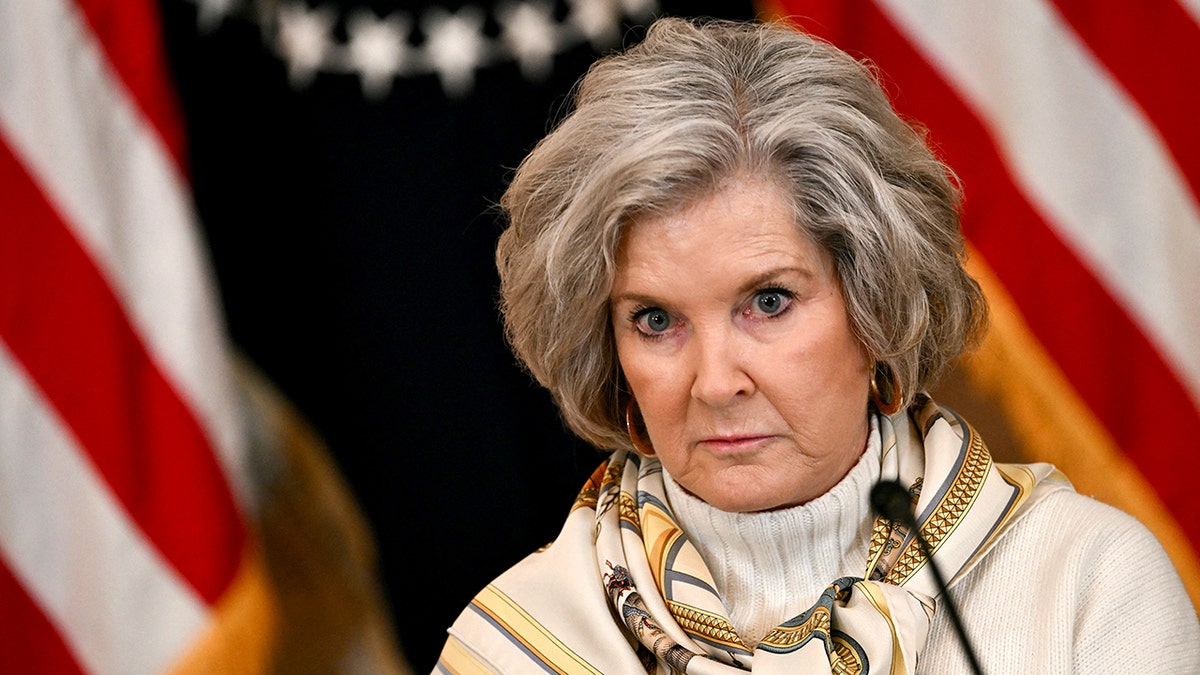
Wiles’ experience brings into focus the broader conversation regarding how public officials and high-ranking executives manage significant health crises. Unlike the private sector, where FMLA (Family and Medical Leave Act) provides certain protections and accommodations, the office of the White House Chief of Staff is characterized by 24/7 availability and immense pressure.
Medical professionals often emphasize that the ability to work during cancer treatment varies wildly based on the stage of the disease and the specific treatment regimen. While Wiles noted that her path would not be suitable for everyone, she framed her decision as a personal choice to retain her identity beyond the label of "patient."
Supporting data from the American Cancer Society indicates that many cancer survivors report that maintaining professional routines can significantly improve psychological outcomes and overall quality of life. The "purpose-driven" approach, as described by Wiles, aligns with findings that suggest that continued cognitive engagement can mitigate some of the "brain fog" often associated with chemotherapy.
Political and Personal Reactions
The disclosure of her status as cancer-free has been met with widespread support across the political spectrum. President Trump, who has consistently relied on Wiles for strategic navigation, has frequently highlighted her toughness. In his May 2026 remarks, he underscored her resolve, a sentiment that reflected the administration’s internal reliance on her leadership.
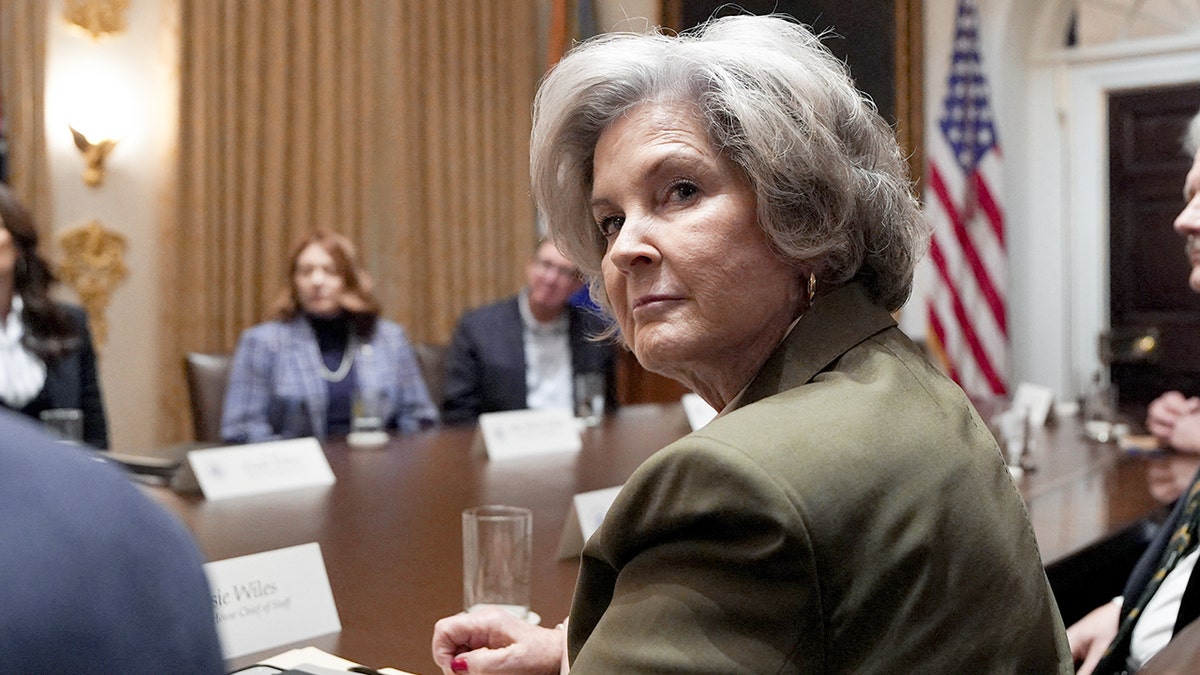
Perhaps most poignant was the response from her daughter, Katie Wiles, who took to social media to celebrate her mother’s resilience. "A strong woman isn’t loud in her strength; she’s steady and unshakable," Katie wrote. "You are our champion."
Addressing the Stigma and Reality of Cancer
Wiles’ decision to speak out serves as a significant contribution to the national discourse on cancer awareness. By framing chemotherapy as a "brutal and unrelenting" experience, she stripped away the polished veneer often associated with political life to reveal a raw, human struggle.
Her narrative serves as a counterpoint to the tendency of public figures to minimize health issues. In doing so, she joins a growing list of public figures, including members of the Trump family, who have used their platforms to discuss the realities of cancer. The ongoing public discussion regarding breast cancer, supported by stories like Wiles’, helps to destigmatize the process of treatment and recovery.
The Path Forward
With her pathology reports now clear of residual cancer, Wiles is currently focused on the recovery phase. She describes this period as the work of "rebuilding what treatment took from her," an acknowledgment that the conclusion of active treatment is only the beginning of a return to baseline.

The implications for the White House are clear: the Chief of Staff remains at her desk, having navigated a personal crisis that would have sidelined most individuals. As she continues her tenure, her story serves as a reminder that the individuals tasked with the governance of the nation are subject to the same human vulnerabilities as the citizens they serve.
Wiles concluded her op-ed with a message directed at those currently in the trenches of their own medical battles. "Cancer does not have to take away who you are," she asserted. By linking her professional duty to her personal identity, she has defined her tenure as much by her endurance as by her political strategy. As she returns to the full scope of her duties, Wiles remains a symbol of the intersection of personal resilience and public service, proving that even under the weight of a cancer diagnosis, one can continue to lead with stability and focus.
As the political landscape looks toward the future, Wiles’ return to full strength is viewed as a stabilizing force within the administration. Her story provides a framework for understanding how resilience in the face of physical trauma translates into professional longevity, offering a model for navigating the impossible demands of public office while managing the most intimate of human challenges.