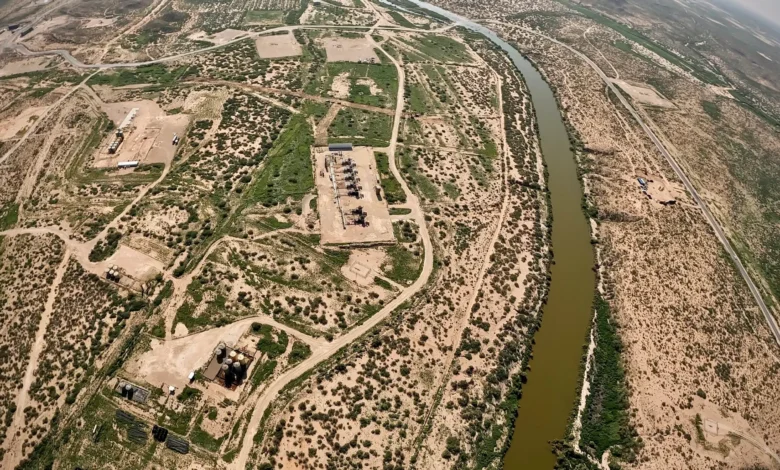
On an unseasonably warm afternoon in early May, Charlie Barrett, a field thermographer with the environmental watchdog group Oilfield Witness, maneuvers his pickup truck into a nondescript pullout adjacent to a county road in southern New Mexico. Just a few hundred yards away, the Black River meanders toward its confluence with the Pecos River. Barrett is not here for the scenery; he is here to document the invisible costs of the Permian Basin’s relentless oil and gas production.
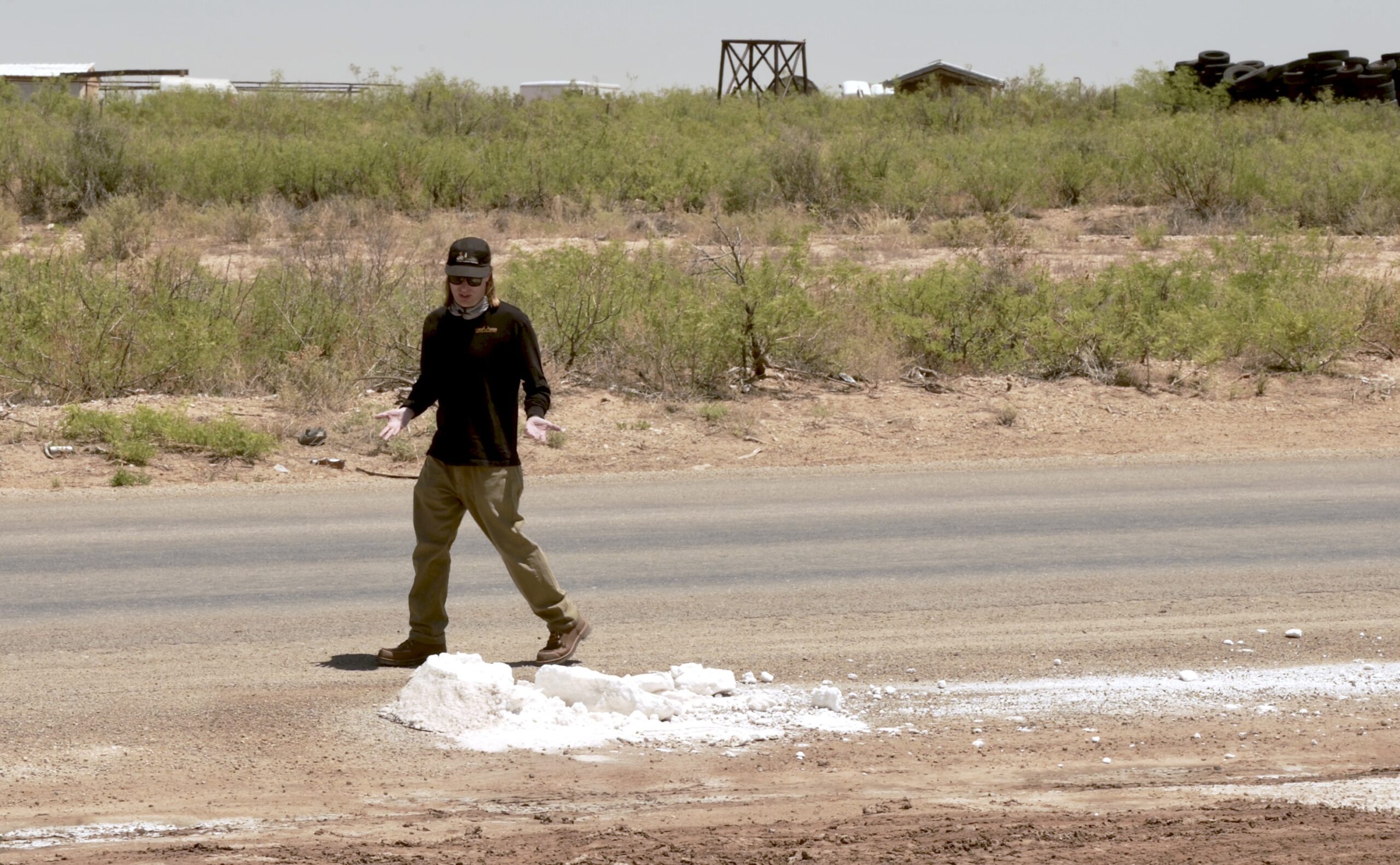
As he steps out of his vehicle, the ground is uncharacteristically muddy. In a region suffering from a multi-year, climate-driven drought, such moisture is an anomaly. A large, gray chunk of crystallized salt—the size of a medicine ball—rests near a puddle flecked with iridescent, white mineral deposits. Barrett, who holds a background in ecology and wildlife management, immediately identifies the signs of a common, hazardous occurrence: an illicit dumping site for produced water.
Produced water is the toxic, saline byproduct of hydraulic fracturing and conventional oil extraction. For every barrel of oil harvested in New Mexico, producers pull an average of three barrels of this wastewater from the earth. It is a cocktail of heavy metals, radioactive materials, petroleum hydrocarbons, and proprietary chemical additives. When improperly disposed of—or spilled during transport—this byproduct creates "dead zones" in the desert, threatening local groundwater and soil health.
The Anatomy of an Industrial Crisis
The Permian Basin, which spans 75,000 square miles across New Mexico and Texas, is the engine of American energy production. However, as the basin’s wells age, they experience a process known as "watering out," where the ratio of water to oil increases significantly. This has created a logistical nightmare: a constant stream of tanker trucks traversing rural roads to move millions of gallons of toxic waste to disposal sites or deep-well injection facilities.
The reliance on injection wells—where wastewater is pumped deep into the earth—has introduced a new, systemic risk: induced seismicity. As injection volumes have surged, so too have tremors in the region. Furthermore, when these wells fail, the results are catastrophic. Recent years have seen massive blowouts, including instances where high-pressure wastewater geysers have erupted from the ground, spewing contaminants across the landscape.
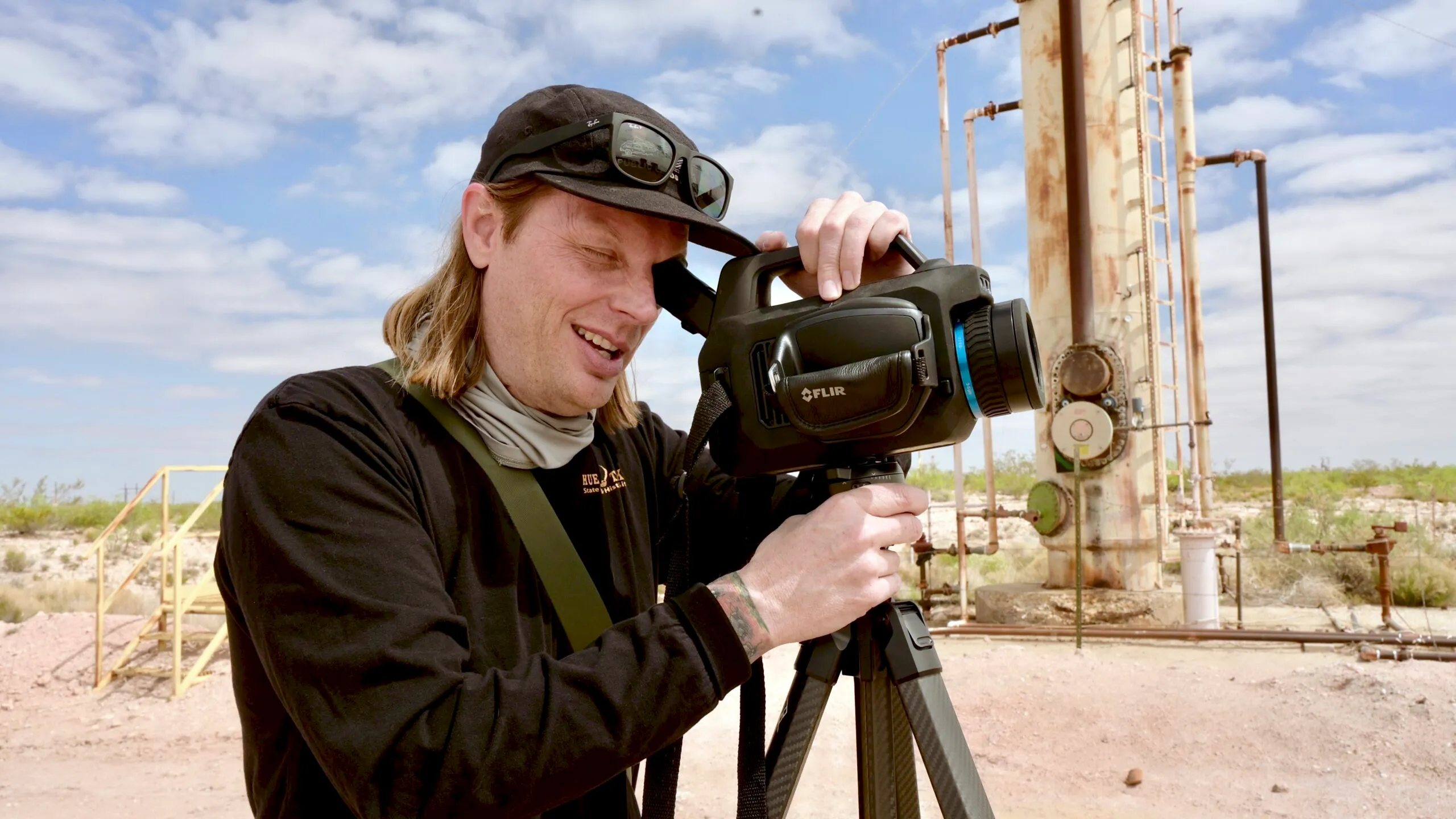
Barrett’s work involves using high-end thermal imaging cameras to peer into the invisible plumes of emissions that characterize these sites. As he monitors an oilfield operation near the Pecos, his camera reveals the stark reality of the industry’s footprint. Even under clear blue skies, the screen displays wavy, multi-colored heat signatures emanating from active flares. These flares, intended to burn off excess methane and natural gas, are releasing carbon dioxide and volatile organic compounds (VOCs) into the air—often within spitting distance of residential homes. Despite state regulations implemented in 2022 to curtail flaring, Barrett’s footage captures four distinct flares in a single frame, highlighting a persistent gap between regulatory intent and field compliance.
A River Under Siege
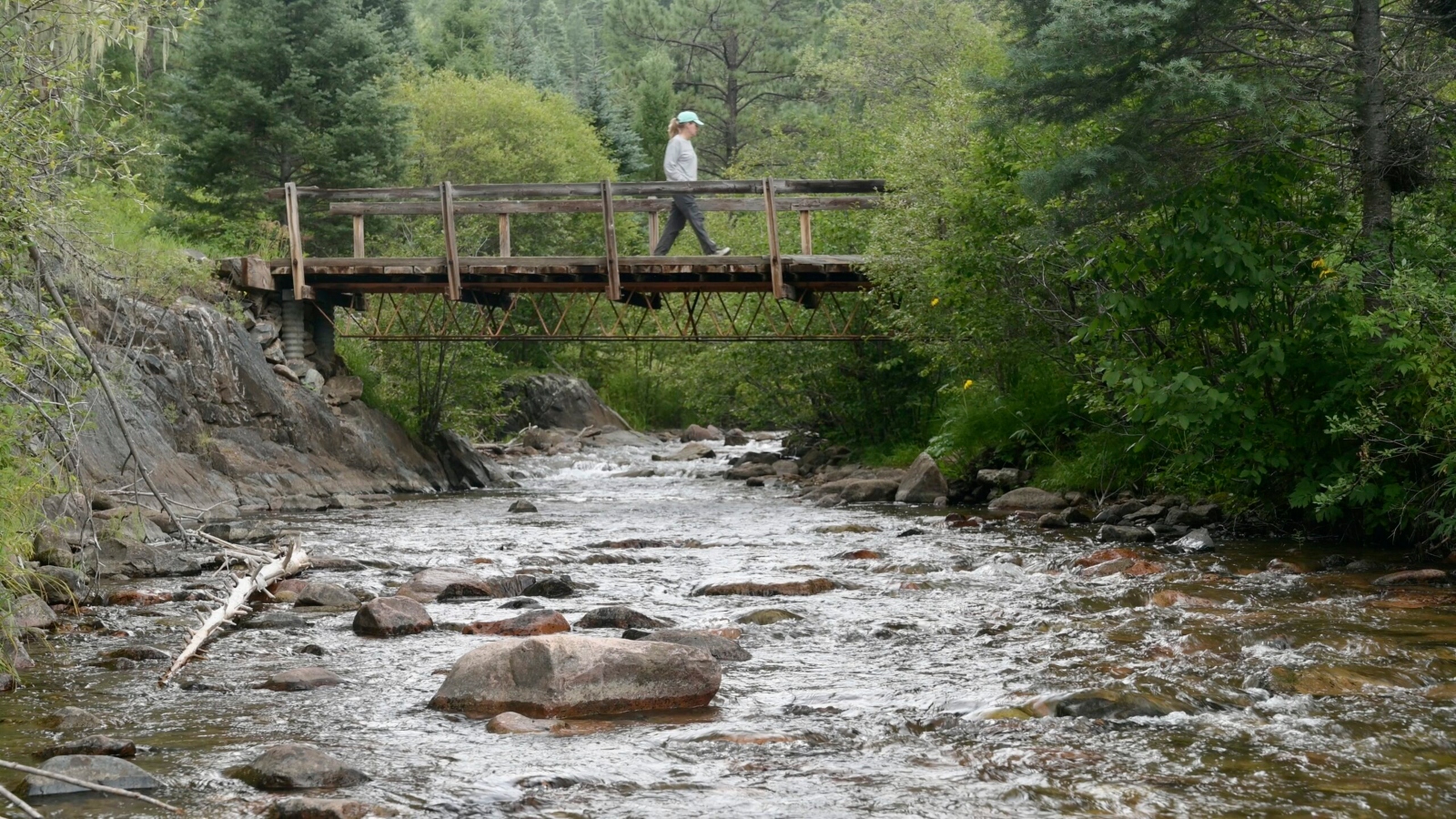
The Pecos River, once the iconic boundary of the American Wild West, is currently caught in a vice grip between industrial demand and climate-driven aridification. The river originates in the high, pine-covered mountains east of Santa Fe and flows 500 miles south, serving as a critical artery for agriculture and ecosystems. Yet, by the time it reaches the Permian Basin, it is a shadow of its former self.
According to data from the U.S. Geological Survey (USGS), snowpack in the Pecos headwaters has seen a steady, decades-long decline. This trend is exacerbated by the broader warming of the planet, which has fundamentally altered the hydrology of the American Southwest. Hannah Riseley-White, director of the New Mexico Interstate Stream Commission, characterizes the situation as "totally terrifying."
"The snowpack figures for the basins we manage didn’t just break records; they fell off a cliff," Riseley-White noted. Current projections from the Governor’s 50-Year Water Action Plan estimate a 25% to 30% reduction in available river water by 2070. As the river shrinks, the tension between the energy sector’s need for water and the agricultural/ecological need for streamflow has reached a breaking point.
The Debate Over Wastewater Recycling
In an attempt to address the water scarcity, there is an ongoing, contentious effort to treat produced water for reuse outside of the oil and gas industry. Proponents, including some in the state government, argue that recycling this water could alleviate pressure on freshwater sources. However, the proposal faces fierce opposition from environmental groups, who contend that current technology cannot guarantee the complete removal of toxic, radioactive, and chemical contaminants.
The legal landscape is equally volatile. New Mexico’s regulatory bodies have been the sites of intense maneuvering, with allegations of political influence affecting rulemaking deliberations. Meanwhile, across the border, the Texas chapter of the Sierra Club has identified at least five proposals to discharge treated produced water into the Texas portion of the Pecos watershed. To date, none of these projects have secured final approval, leaving the future of the river’s water quality in a state of precarious limbo.
Ecological Impacts and Regulatory Rollbacks
The Pecos River watershed is a critical habitat for endangered species, including the Texas hornshell mussel and the dunes sagebrush lizard. The recent removal of the lesser prairie chicken from the Endangered Species Act (ESA) protection list in early 2026, despite data showing population declines, has alarmed conservationists.
This policy shift is part of a broader trend in federal environmental oversight. In July, the Department of the Interior moved to rescind the "blanket rule," which had previously extended core protections to threatened species. Furthermore, new regulations now require the consideration of the "economic cost" to industries when determining whether to protect a species. For the 380 oil and gas wells located within a half-mile of the Pecos River, these regulatory changes provide a significant shield against the enforcement of protective measures.
Barrett, who has spent his career studying ecology, notes that the impact of the oilfield is not limited to chemical contamination. "The sound and light pollution alone drive many species out of their natural habitats," he explained. "When you lose the corridor for these animals, you are looking at regional extirpation."
Looking Toward an Uncertain Horizon
The challenge facing the Pecos River is emblematic of the global conflict between fossil fuel extraction and the preservation of natural resources in a warming world. While state officials like Riseley-White remain committed to finding a "seat at the table" for all stakeholders, the reality on the ground remains stark.
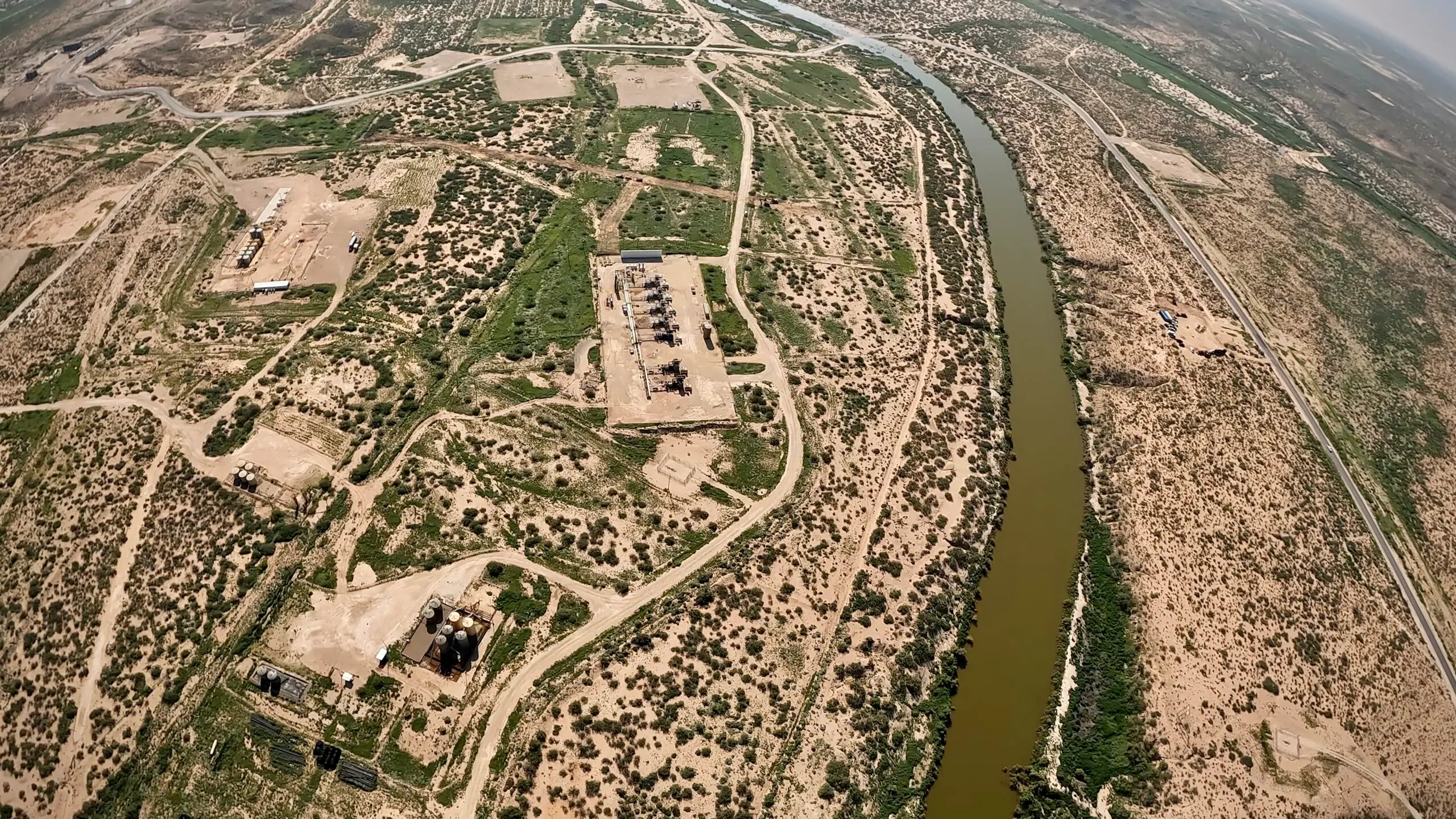
For Barrett, sitting on a rock near a bend in the river, the dichotomy is inescapable. The river continues to flow, dragonflies hover over the reeds, and the grass rustles in the breeze—all while the steady, heavy rumble of tanker trucks carrying toxic waste continues on the bridge nearby. The juxtaposition of a fragile, historic river against the massive, industrial scale of the Permian Basin serves as a grim reminder of the costs of energy production.
As the state moves forward with its 50-year plan, the question remains whether technology and policy can mitigate the damage or if the Pecos River, like many other water bodies in the Southwest, will continue to decline as an unintended casualty of the energy transition. For now, the river remains a beautiful, struggling lifeline in the center of an industrial landscape, a testament to the persistent pressure of human development on the natural world.