Niku Argane’s farm clings to the steep, craggy hillsides of Ethiopia’s Gurage Zone, a landscape once defined by its agricultural abundance but now scarred by the relentless advance of soil erosion. For years, the 32-year-old farmer watched as deep gullies carved through his fields, stripping away the fertile topsoil necessary for his barley and potato crops. What was once a productive surplus that sustained his wife and four children dwindled into a struggle for basic subsistence. His story is not unique; it is a microcosm of a national crisis that has seen millions of hectares of Ethiopian land lose their vitality, pushing the country toward a tipping point of food insecurity and environmental collapse.
Over the past century, Ethiopia has undergone a radical transformation of its topography. The expansion of agriculture, the demand for fuel, and the pressure of grazing livestock systematically dismantled the country’s vast forest reserves. By 1989, estimates suggested that Ethiopia’s forest cover had plummeted to less than 3 percent, a catastrophic decline from the 35 to 40 percent estimated at the dawn of the 20th century. This loss of vegetative cover created a feedback loop of destruction: without root systems to anchor the earth, heavy rains sluiced away topsoil, while the loss of shade accelerated the drying of the land, making the nation increasingly susceptible to the erratic climate cycles that frequently plague the Horn of Africa.
The Scale of the Crisis
The economic and social costs of this environmental degradation are staggering. Land degradation accounts for an estimated $4.3 billion in annual losses for the Ethiopian economy, manifested through diminished harvests, lost income, and the mounting costs of food aid. With more than 100 million people—roughly 80 percent of the population—relying directly on agriculture, the degradation of the soil is synonymous with the degradation of human livelihoods.
The situation reached a flashpoint in 2024, when an estimated 15.8 million Ethiopians required food assistance, representing roughly 12 percent of the country’s population. These figures are increasingly driven by a "double jeopardy" scenario: a baseline of degraded land compounded by the unpredictable, violent swings of a changing climate. Increased frequency of extreme weather, ranging from prolonged droughts to flash floods, has turned the simple act of farming into a high-stakes gamble.
A Chronology of Restoration Efforts
The current push for reforestation did not emerge in a vacuum. It is the culmination of decades of lessons learned from the humanitarian catastrophes of the 1970s and 1980s. Following the devastating famines that drew global attention to Ethiopia, the government and international development partners began prioritizing soil and water conservation.
The 1990s and 2000s saw the initial, localized implementation of terrace construction and the establishment of check dams—small barriers made of rock and logs designed to slow the velocity of rainwater and allow it to infiltrate the ground. These early experiments proved that even severely damaged land could be rehabilitated if given the opportunity to rest.
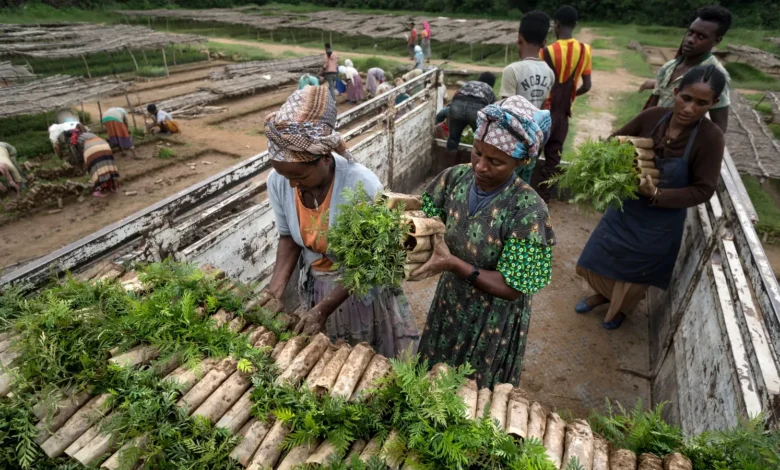
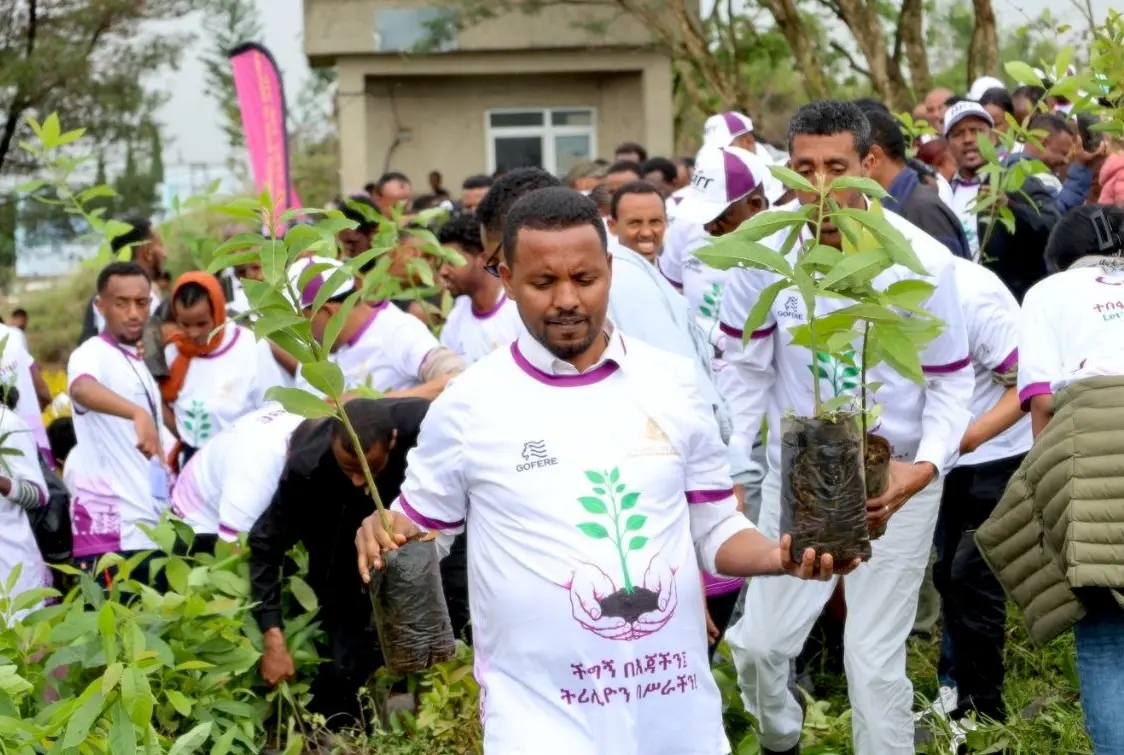
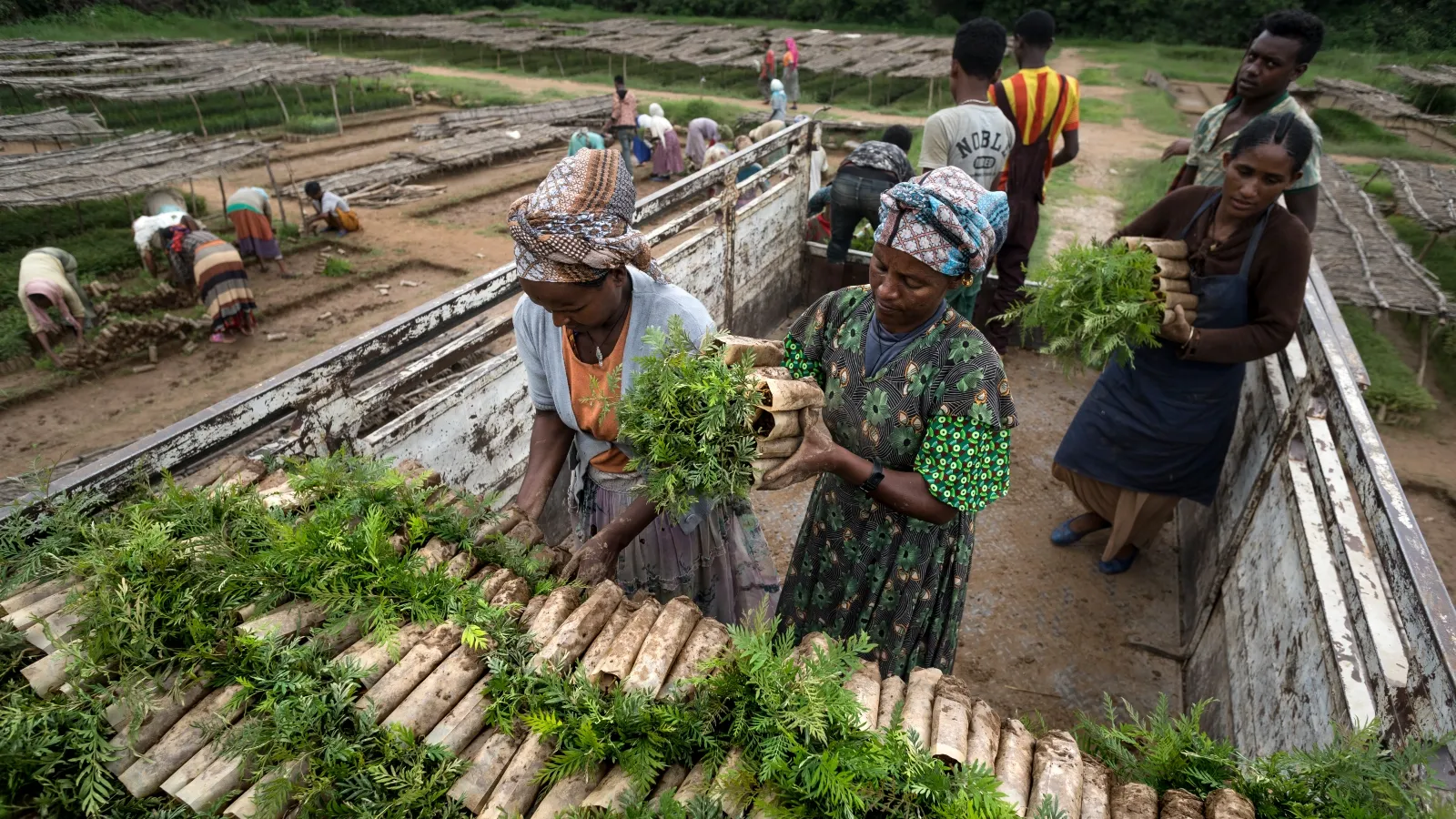
However, the most ambitious chapter began in 2019 with the launch of the Green Legacy Initiative. This government-led, nationwide campaign sought to scale these local successes to a continental level. By mobilizing public servants, schools, religious groups, and millions of private citizens, the government turned tree planting into a civic duty. To date, this initiative has resulted in the planting of more than 47 billion seedlings, with an ultimate goal of 50 billion by 2030. The program is supported by the Green Legacy and Landscape Restoration Special Fund, which allocates between 0.5 percent and 1 percent of the federal budget—amounting to as much as $145 million annually—to the cause.
Analyzing the Impact and Controversies
The sheer scale of the initiative has drawn both global praise and academic scrutiny. Proponents argue that the mobilization of 26.6 million people in a single day—as seen in the record-breaking August 2026 planting drive—creates a national consciousness around environmental stewardship that is difficult to achieve through traditional top-down regulation.
However, researchers remain cautious about the long-term viability of "mass planting" strategies. A 2022 study of reforestation projects across Asia noted that roughly half of all planted trees fail to survive beyond five years. Critics, including restoration ecologists, point out that the political pressure to hit numerical targets can sometimes supersede the biological requirements of the saplings. "The objective is not really just to plant trees," says Endalkachew Wolde-Meskel, a soil scientist at the Center for International Forestry Research. "It is to restore the functioning of the entire landscape."
Despite these critiques, empirical data suggests progress. The government reports that national forest cover increased from 17.2 percent in 2019 to 23.6 percent in 2023. Furthermore, the annual rate of deforestation has dropped significantly, falling from more than 350 square miles to approximately 100 square miles over the last decade.
The ecological benefits are also manifesting in unexpected ways. In Abijata-Shalla National Park, the integration of terracing and tree planting has successfully recharged local water tables. As the soil’s capacity to retain moisture improved, water levels in the park’s lakes began to rise, facilitating the return of diverse fish populations, cormorants, and African darters. Predators like wild dogs and Grant’s gazelles have also begun to reclaim territories from which they had previously been extirpated.
The Climate Change Variable
While the Green Legacy Initiative is a significant step toward restoration, it faces an increasingly volatile climate. The Intergovernmental Panel on Climate Change (IPCC) has projected that East Africa will experience more frequent and intense rainfall as global temperatures rise. These extreme events present a unique threat to newly planted forests, which are vulnerable to being washed away before they can establish deep root systems.
The 2026 summer season served as a stark reminder of these risks. The Famine Early Warning Systems Network reported that El Niño-linked weather patterns resulted in some of the driest June and July conditions on record for parts of Ethiopia. For farmers like Belayneh Mamo in the Amhara region, the delayed arrival of the "Kiremt" rains meant that both food crops and young tree seedlings were stressed from the moment they entered the ground.
Toward a Sustainable Future
The long-term success of Ethiopia’s endeavor likely lies in the integration of traditional knowledge and modern scientific practice. The most successful sites—such as the Humbo and Boloso Sore districts—are those where the government’s seedling program is layered onto long-term, community-managed restoration efforts. In these areas, residents do not simply plant and move on; they maintain check dams, manage grazing rotations, and protect existing vegetation from harvest.
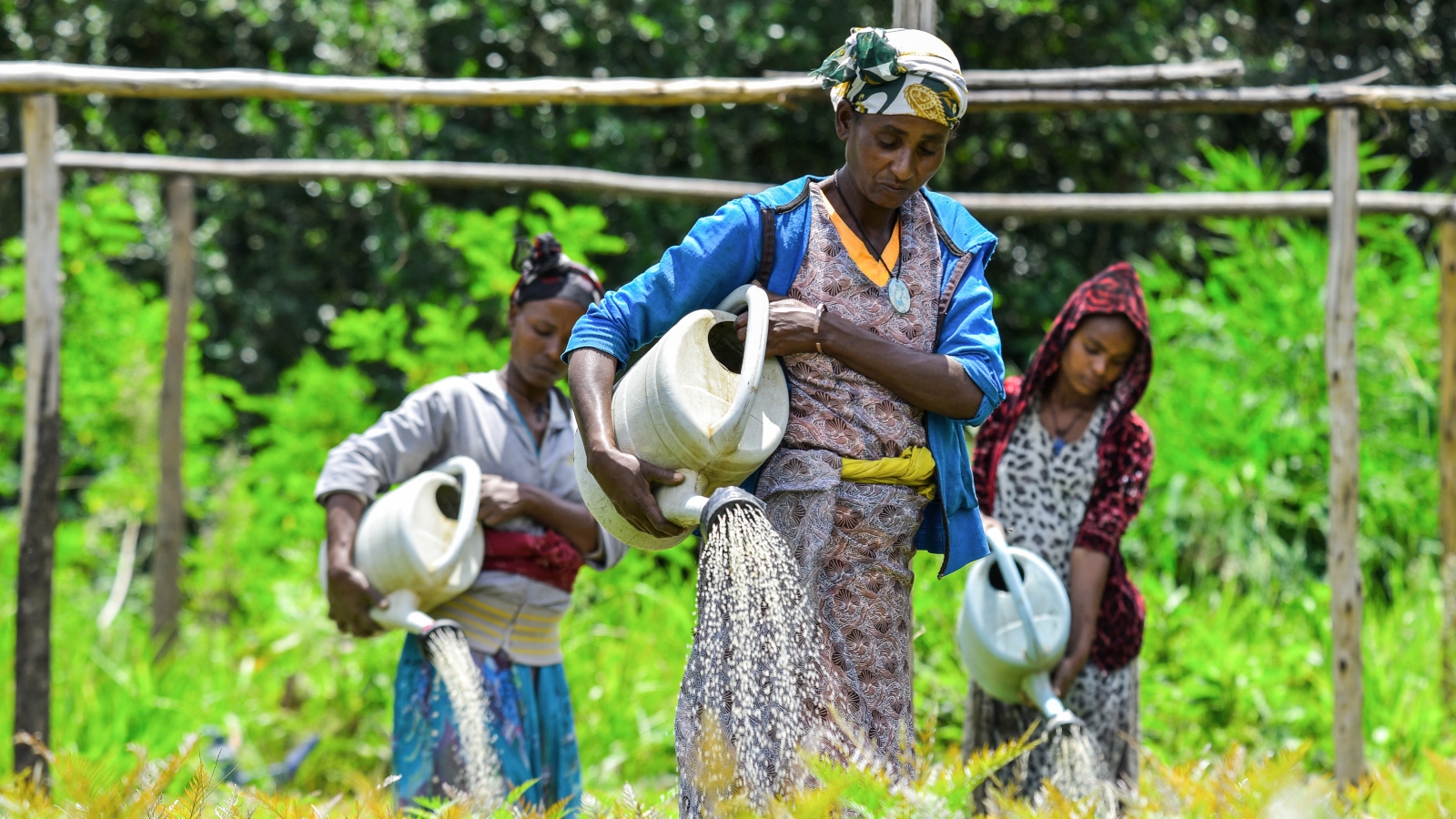
A 2026 study of 44,500 seedlings in southern Ethiopia found an 80 percent survival rate, particularly in areas where planters received hands-on training in site-specific techniques. This suggests that the "Green Legacy" is moving toward a more sophisticated, localized model of land management.
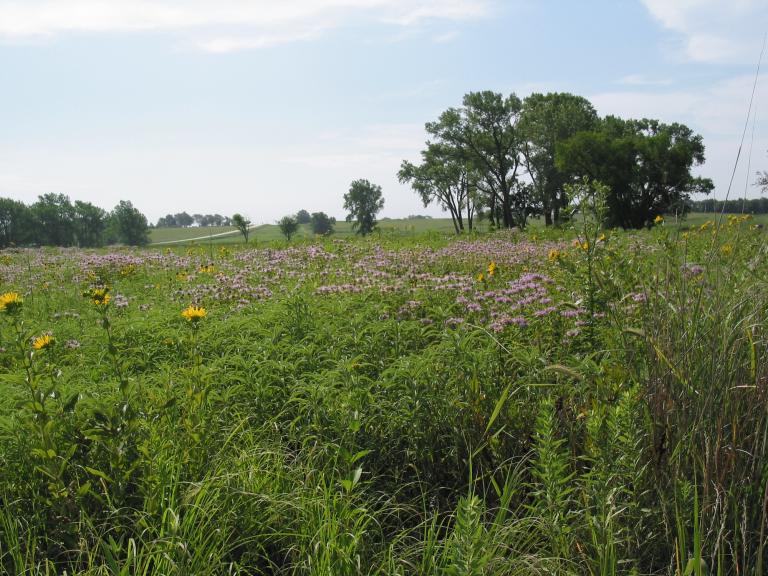
For Niku Argane, the results are already tangible. By planting a mixture of fruit trees, fodder crops, and grasses along the contours of his hillsides, he has seen his barley yields climb from 1,800 pounds per acre to 3,200 pounds. The trees act as a biological break, preventing the erosion that once plagued his land.
As Ethiopia prepares to host the U.N. climate conference next year, it will be under a global spotlight. The nation is currently testing a hypothesis that few others have attempted: that a low-income nation, through sheer political will and mass social mobilization, can reverse the course of ecological destruction. Whether the "Green Legacy" becomes a model for the rest of the world or a cautionary tale of scale over substance will depend on the survival of the trees planted today and the resilience of the millions of farmers who must steward them into the future. For now, the hillsides are slowly turning green again—a testament to a country that has decided it cannot afford the alternative.