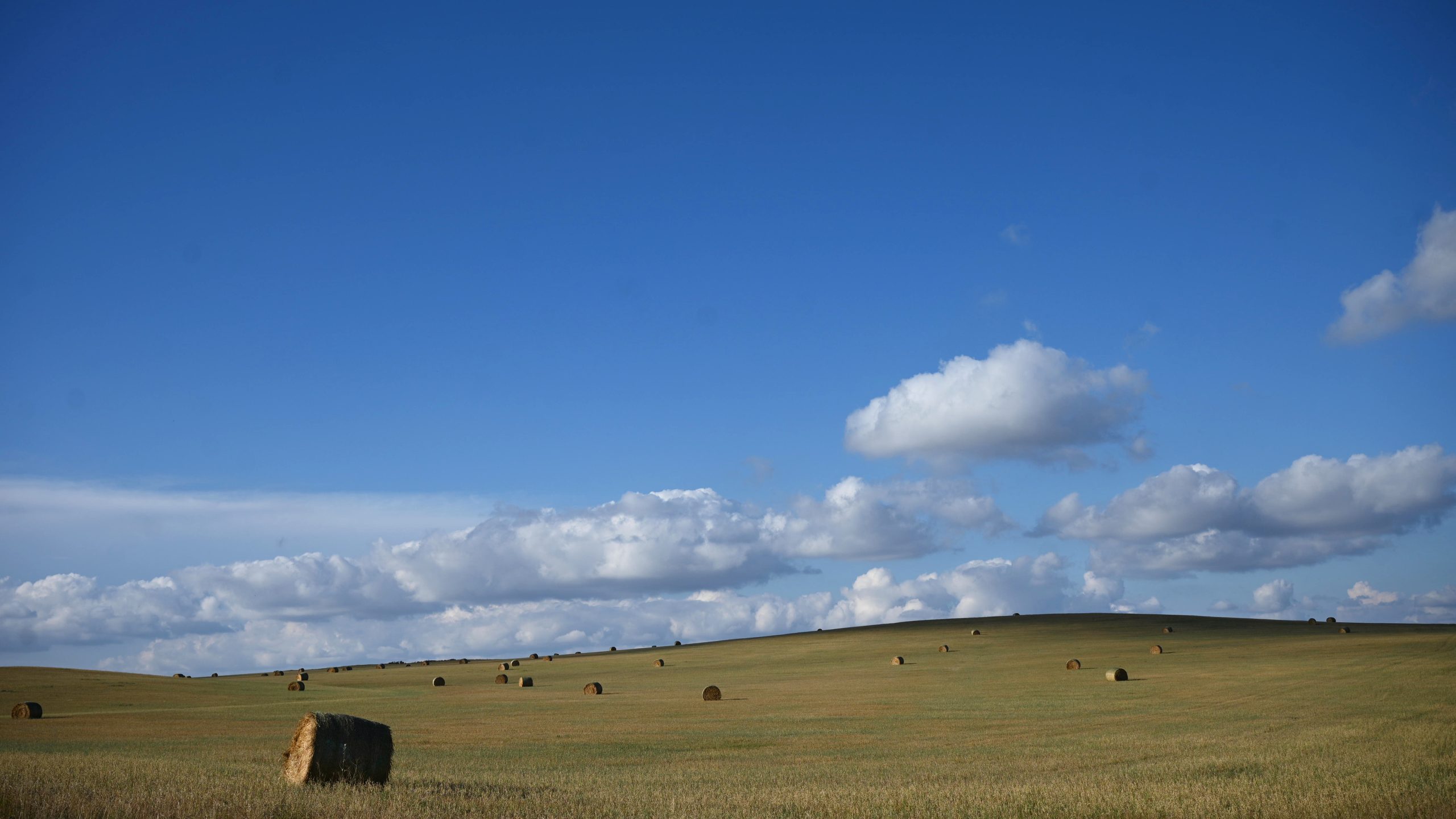
Jerry Arnold stands in a patch of cleared land, his combine idling behind him. To the west, acres of freshly cut grain reveal rolling hills, and to the east, 3-foot stalks of wheat pulse in the wind. Arnold’s sweat-stained baseball cap is coated with fine golden dust after a long day of harvesting at his farm near Opheim, Montana—a town with a population of 72 near the Canadian border. For farmers like Arnold, the landscape is both a source of pride and a volatile financial asset, subject to the whims of weather and global markets.
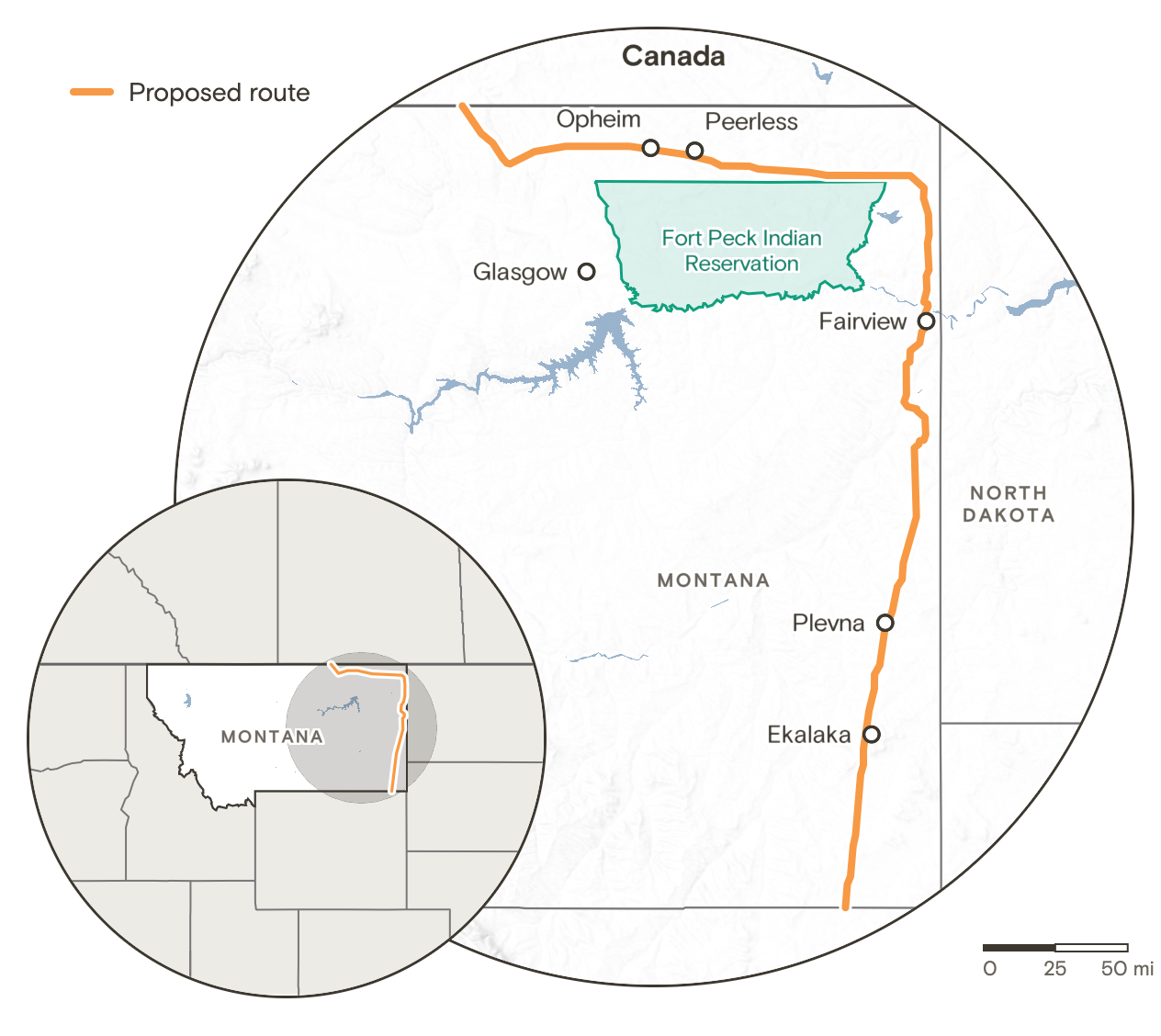
Last year’s warm, dry winter hit his unirrigated farm hard, with record-low snowpack leaving moisture in short supply and stunting crop growth. However, Arnold, like nearly 300 other Montana landowners, is now at the center of a major infrastructure proposal that could alter the economic trajectory of his family business. Bridger Pipeline LLC, a Wyoming-based energy company, is currently moving to secure easements for a 650-mile pipeline designed to transport tar sands oil from Canada to a refinery hub in Guernsey, Wyoming.
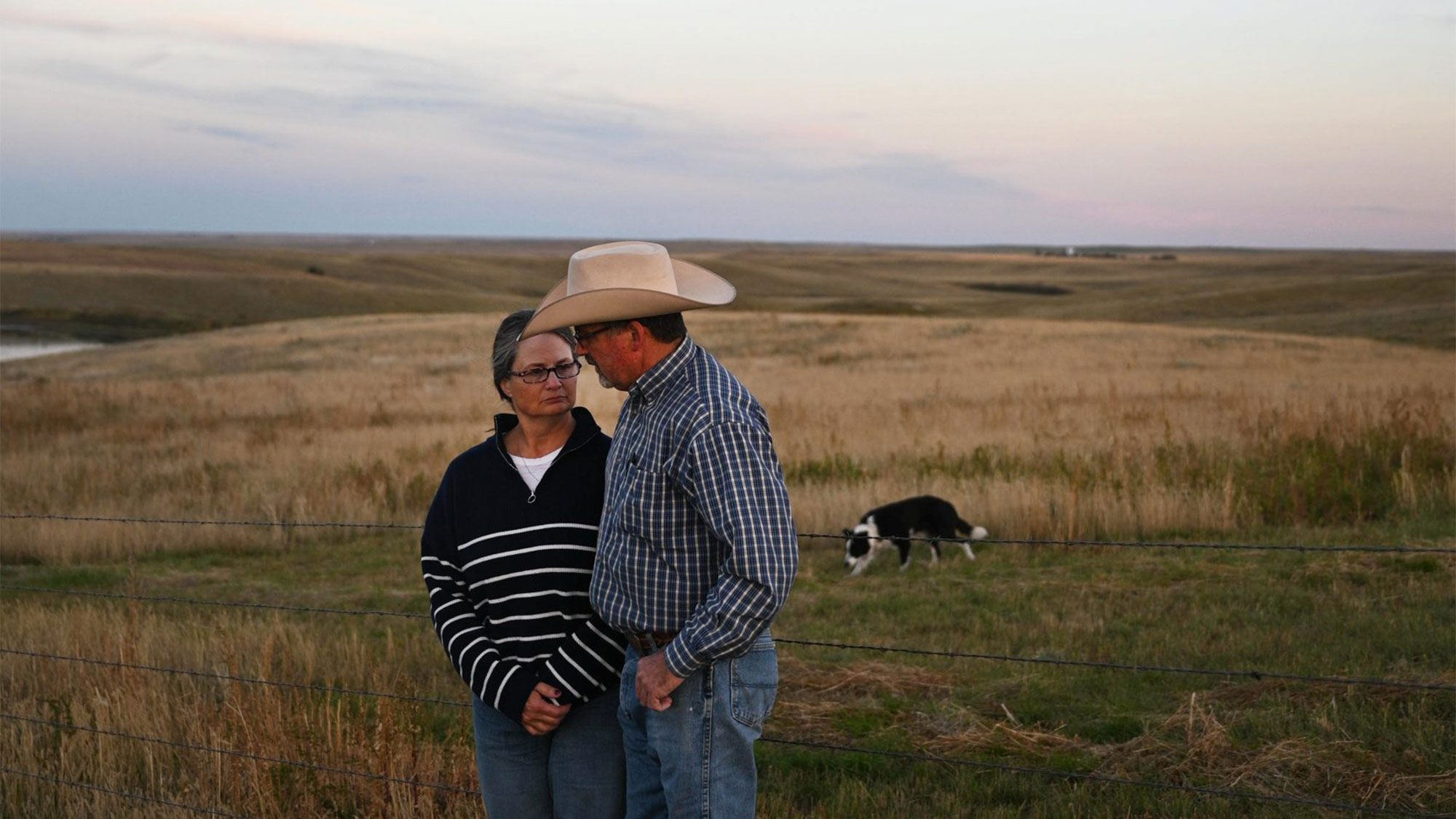
For many in this region, the promise of a "good-size check" for a pipeline easement represents a lifeline. For others, particularly the nearby Fort Peck Tribes, the project evokes deep-seated concerns regarding water security, indigenous sovereignty, and the long-term environmental consequences of fossil fuel expansion.
The Push for Infrastructure and Economic Stability
The proposed Bridger pipeline is designed to facilitate the movement of tar sands oil—a viscous, dense mixture of sand, clay, water, and bitumen. This specific form of petroleum is notoriously carbon-intensive, generating approximately 20 percent more greenhouse gas emissions during extraction and processing compared to conventional light crude oil.
Despite these environmental metrics, the project has gained significant political traction. In the spring of 2026, President Donald Trump granted a presidential permit authorizing the project to cross the international boundary at Phillips County, Montana. This permit is a critical milestone, signaling strong federal support for energy infrastructure projects that prioritize domestic transport and international export capabilities.
For rural landowners, the memory of the canceled Keystone XL project remains fresh. When that project was terminated in 2021 via executive order, many eastern Montana farmers lost a potential revenue stream they had spent years negotiating. Now, with Bridger approaching landowners with easement offers, the mood is one of cautious optimism.
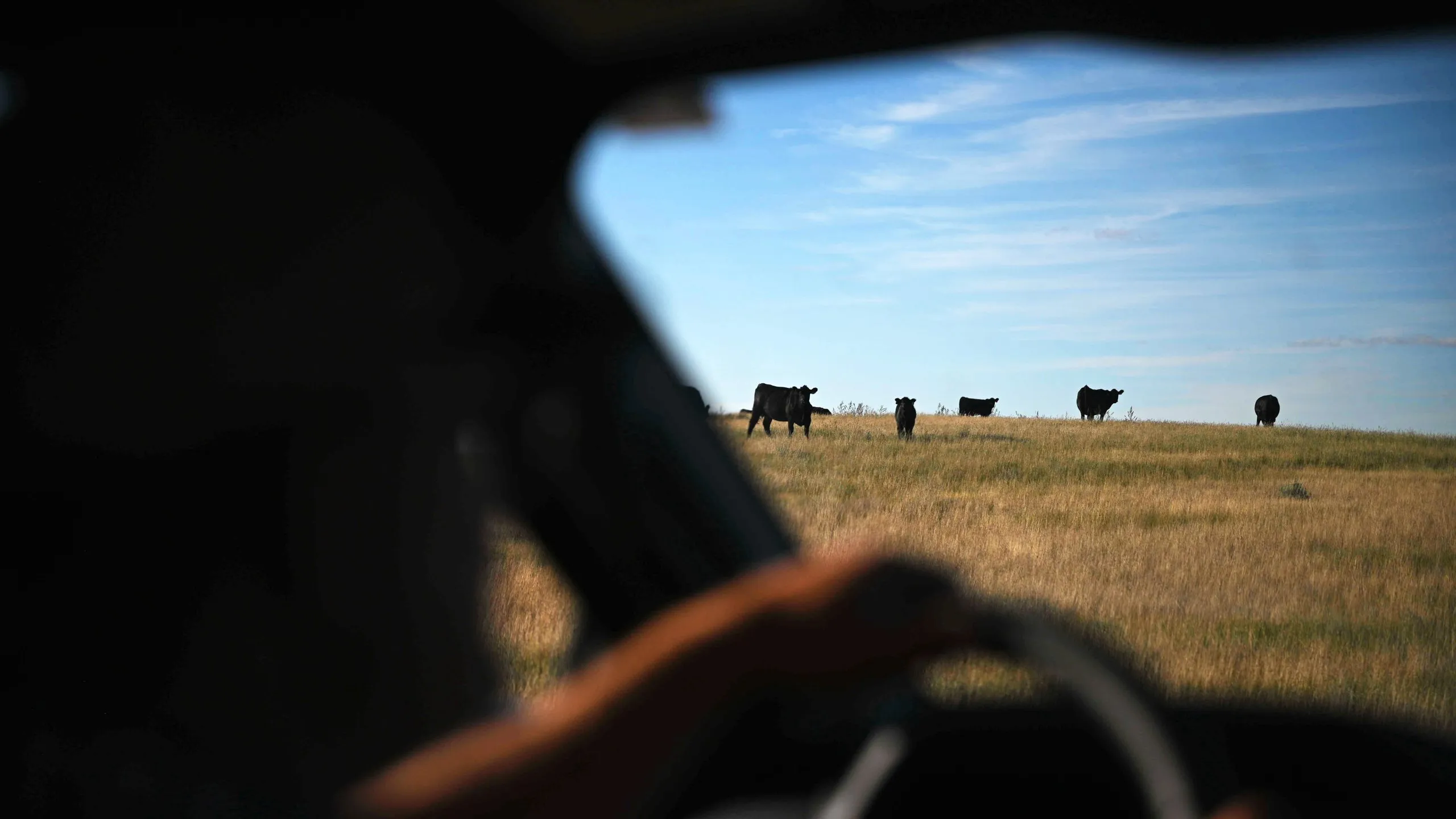
"We’re coming off of two, three bad years," Arnold said, noting that the payments for land access can often bridge the gap between financial solvency and bankruptcy. For farmers, these one-time payments for easements are not just incidental income; they are vital capital used to upgrade machinery, pay down debt, or survive the "razor-thin margins" inherent to modern agriculture.
A Chronology of Pipeline Development
The history of pipeline infrastructure in eastern Montana is long and fraught. The Northern Border Pipeline, which moves natural gas through the state, served as a template for what local landowners expect. Decades ago, those payments helped sustain family farms through periods of intense drought and pest infestation.
- 1950s–1980s: Development of early regional pipeline infrastructure establishes the precedent for private land use agreements.
- 2010–2015: Peak interest in the Keystone XL pipeline project creates a wave of negotiations and economic anticipation across eastern Montana.
- 2015: A significant spill occurs when a Bridger Pipeline ruptures, releasing 30,000 gallons of crude into the Yellowstone River, impacting the drinking water of 6,000 residents in Glendive.
- 2021: President Joe Biden signs an executive order revoking the permit for the Keystone XL pipeline, effectively ending the project.
- 2023: Bridger and Belle Fourche pipeline companies reach a $12.5 million settlement with the EPA for previous safety violations and oil spills.
- 2026: President Trump grants a new presidential permit for the Bridger expansion. Public hearings begin, and the Bureau of Land Management (BLM) initiates environmental review processes.
Official Responses and Regulatory Hurdles
Bridger spokesperson Bill Salvin has emphasized that the company has learned from past failures, including the 2015 Yellowstone River spill. "We build the pipelines today better than they were built in the past," Salvin stated. "They are designed for safety and 24/7 monitoring with multiple leak detection systems, including one that we invented using AI."
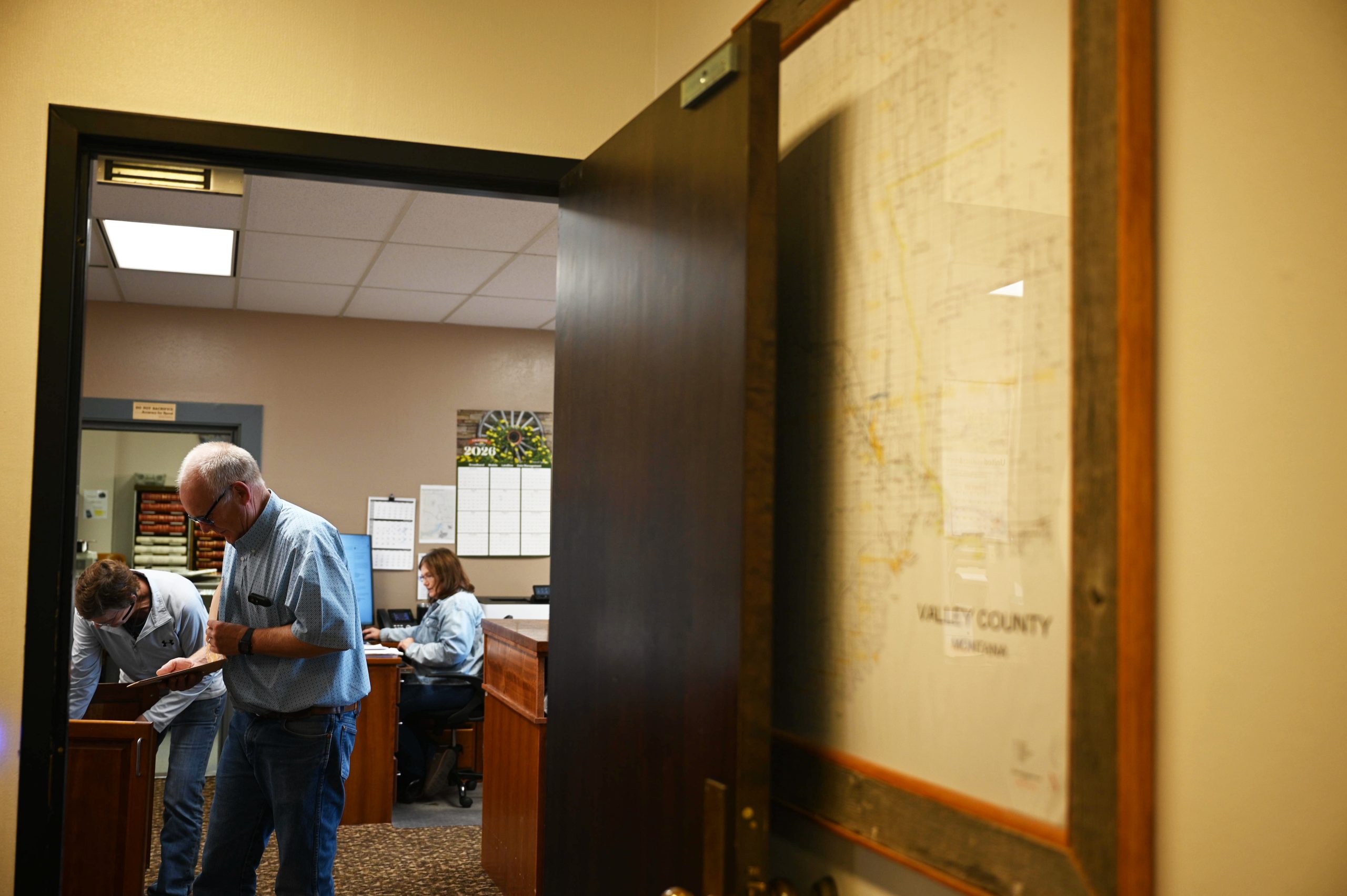
However, the company’s path forward remains complex. Bridger must still secure various state and federal permits, negotiate with hundreds of private landowners, and complete an environmental review led by the BLM. While county commissioners in regions like Daniels County—where poverty rates hover around 11 percent—are largely in favor of the project due to the promise of tax revenue, the regulatory process is far from complete.
"We’re kind of desperate," said Daniels County Commissioner Tammi Fladager. "Anybody that comes with a big check, it’s ‘Where do I sign?’ You don’t want the lottery ticket to walk out the door."
Environmental and Tribal Concerns
The most vocal opposition comes from the Fort Peck Tribes, whose reservation boundary sits within two miles of the preferred pipeline route. For the Tribes, the risk is not hypothetical. The pipeline would cross the Poplar River, a vital tributary of the Missouri River, which serves as the primary water source for thousands of residents.
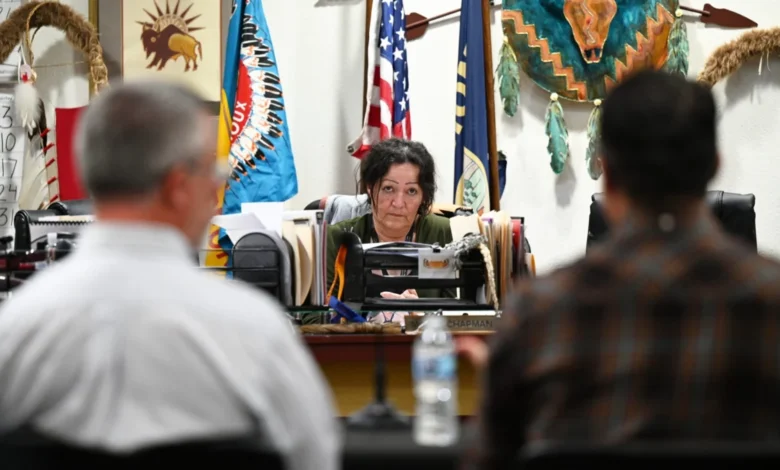
Jestin Dupree, a member of the Fort Peck Tribal Executive Board, has been leading the push for answers from the BLM. During meetings in September 2026, he pressed federal officials on "worst-case scenarios," noting that previous spills have left a legacy of mistrust.
A central point of contention is the scope of the environmental analysis. Phillip Blundell, the BLM’s project lead, stated that under current legal interpretations—influenced by recent Supreme Court rulings—the agency is not required to calculate the downstream emissions caused by the refining and eventual burning of the tar sands oil. Instead, the agency’s review will focus primarily on construction-related impacts.
Tribal leaders argue that this narrow scope ignores the broader reality of the climate crisis and the long-term degradation of regional natural resources. "It’s just a lot of lip service, it seems," Dupree said, expressing frustration that meetings with the company and the BLM have failed to produce concrete mitigation strategies or specific answers regarding emergency response protocols.
The Broader Implications for Rural Montana
The economic disparity between western and eastern Montana creates a unique political dynamic. While western regions focus on tourism and technology-driven growth, eastern Montana remains heavily dependent on the oil and gas sector. For these counties, infrastructure projects like the Bridger pipeline are viewed as the "pork chop" of the regional economy—a significant, albeit risky, source of tax base growth that could fund schools, roads, and emergency services.
However, as rancher Bob Thielen noted, there is a fundamental question of national interest that remains unanswered: "What is the benefit to the American people? The counties might get a little revenue, us ranchers are going to get a little revenue—the American people are going to get absolutely zero from it if it’s just coming in and going out."
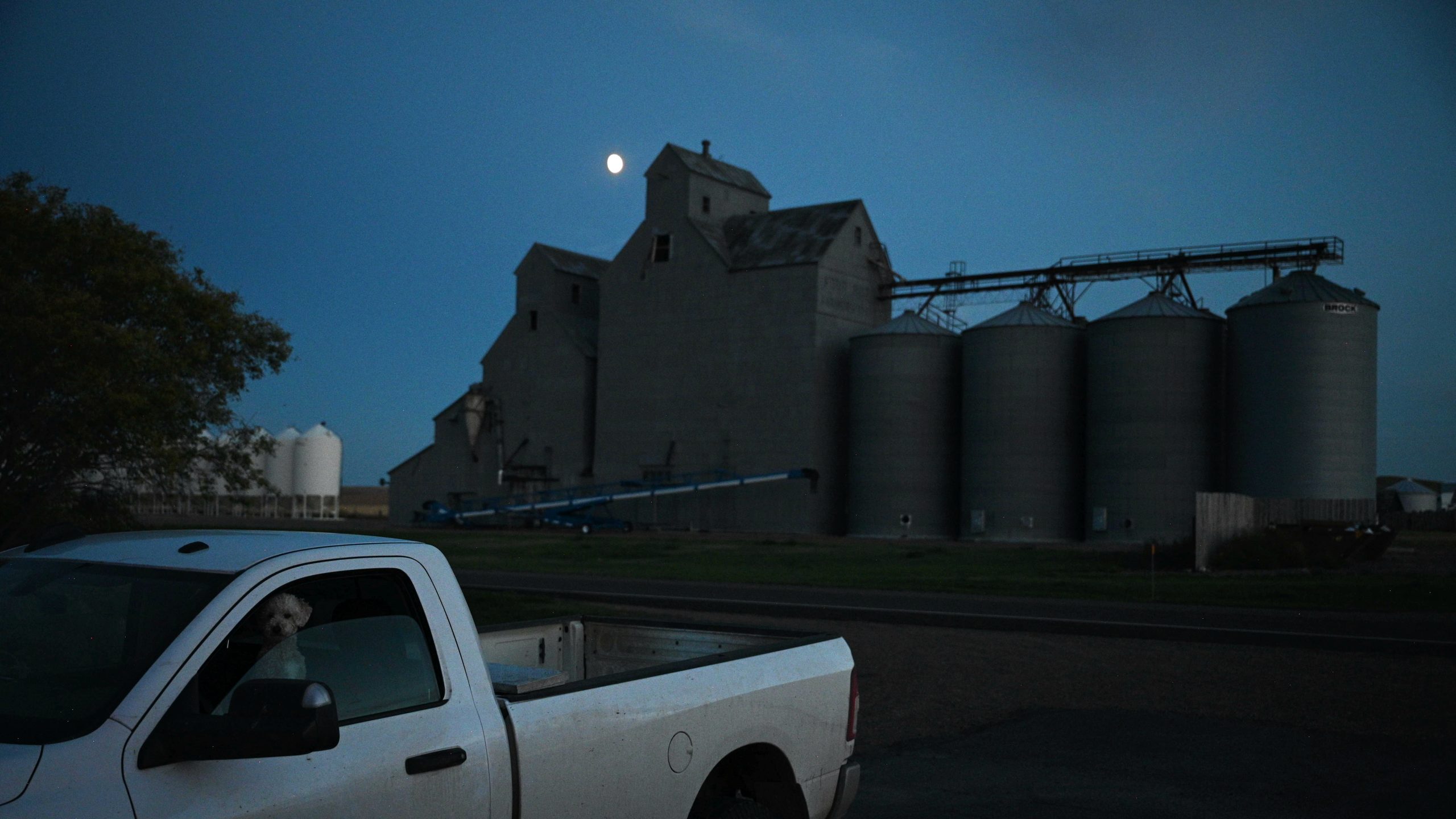
The pipeline, if completed, would transport up to 550,000 barrels per day initially, with the potential to scale up to over a million. Whether this increase in supply will provide the promised "security and stability" for domestic energy markets remains a subject of intense debate among energy analysts.
As the project moves into the next phase of development, the conflict between immediate economic relief for rural landowners and the long-term risks to water and climate remains the defining tension of the project. For residents in the path of the pipe, the coming year will be a test of whether the promise of a "good-size check" outweighs the potential for irreparable environmental damage. For the rest of the nation, the Bridger expansion represents a microcosm of the larger struggle to balance fossil fuel dependency with the mounting pressures of environmental stewardship and indigenous rights.