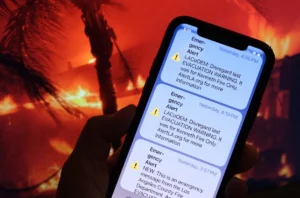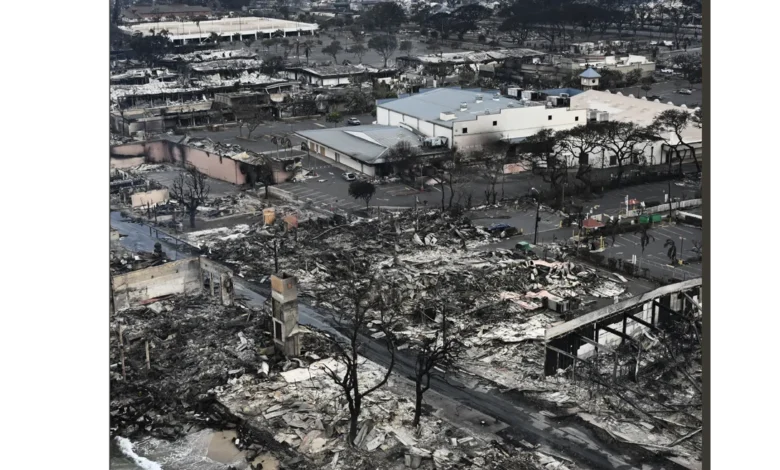
The 2023 Maui wildfires stand as a harrowing case study in the modern era of emergency management. As the fires tore through the historic town of Lahaina, claiming more than 100 lives and destroying nearly 2,000 structures, a second, digital fire was ignited simultaneously. While the actual cause of the tragedy was identified as a broken power pole sparking against dry vegetation, social media platforms were flooded with unfounded claims that the disaster was the result of a "directed energy weapon" or a sophisticated government plot to seize land for a "smart city." This phenomenon—where the velocity of misinformation outpaces the dissemination of verified facts—has become a systemic challenge that emergency managers are struggling to overcome.
The proliferation of conspiracy theories in the wake of climate-related disasters is not merely a nuisance; it is a critical bottleneck that impedes life-saving operations. When disaster survivors are inundated with contradictory reports, their ability to make informed decisions regarding evacuations, medical care, and government assistance is severely compromised. In an environment where institutional trust is at historic lows, the speed and reach of social media allow baseless claims to gain traction before official agencies can even issue a press release.
A Chronology of the Lahaina Conspiracy
To understand how quickly misinformation can metastasize, it is necessary to examine the "anatomy" of the Maui conspiracy. The narrative did not emerge from a single source; rather, it was a modular construction of unrelated imagery.
The foundation of the conspiracy was laid long before the Maui fires. In January 2018, a refinery in Canton, Ohio, performed a routine flare, captured by a resident as a blurry image that included a lens flare. Months later, in May 2018, SpaceX launched a Falcon 9 rocket from California, creating a visual streak in the sky. In May 2023, a transformer explosion in Santiago, Chile, was recorded on video, again showing a lens flare.
When the Maui fires broke out in August 2023, these three unrelated pieces of media were stripped of their context and presented as "evidence" of a coordinated laser attack. Influential social media accounts, including those aligned with fringe health and political movements, began circulating these images. Even when some original posters retracted their claims, the damage was already done. Influential accounts, such as @cultivateelevate, amplified the screenshots, garnering hundreds of thousands of views—far eclipsing the reach of the eventual corrections. This "screenshot-of-a-screenshot" methodology effectively laundering the origin of the information, turning old, innocuous photos into a terrifying new narrative.
The Erosion of Institutional Trust
The current crisis in disaster communications is exacerbated by a precipitous decline in public trust. According to recent data from the Pew Research Center, fewer than 20 percent of Americans believe the government consistently does the right thing. This skepticism creates a vacuum that is rapidly filled by alternative narratives, often curated by bad actors or amplified by algorithmic bias.
The Federal Emergency Management Agency (FEMA) remains the primary target for these narratives. Deanne Criswell, who led the agency under the Biden administration, has noted that FEMA has dealt with conspiracy theories regarding "government camps" since its inception. However, the intensity and danger of these claims reached a new peak during the 2024 response to Hurricane Helene.
The consequences of this erosion are tangible. During the North Carolina recovery efforts, reports of armed individuals threatening aid workers forced FEMA to pause field operations. Additionally, the "swatting" of senior FEMA officials served as a direct assault on the agency’s ability to coordinate. When federal officials are distracted by physical threats and the need to debunk viral rumors, the actual delivery of food, water, and shelter to survivors is delayed.
The Role of Algorithmic Amplification
Social media platforms have transitioned from being tools for community connection to becoming the primary incubators of disaster-related disinformation. Research indicates that false information often travels six times faster than the truth on platforms like X (formerly Twitter).
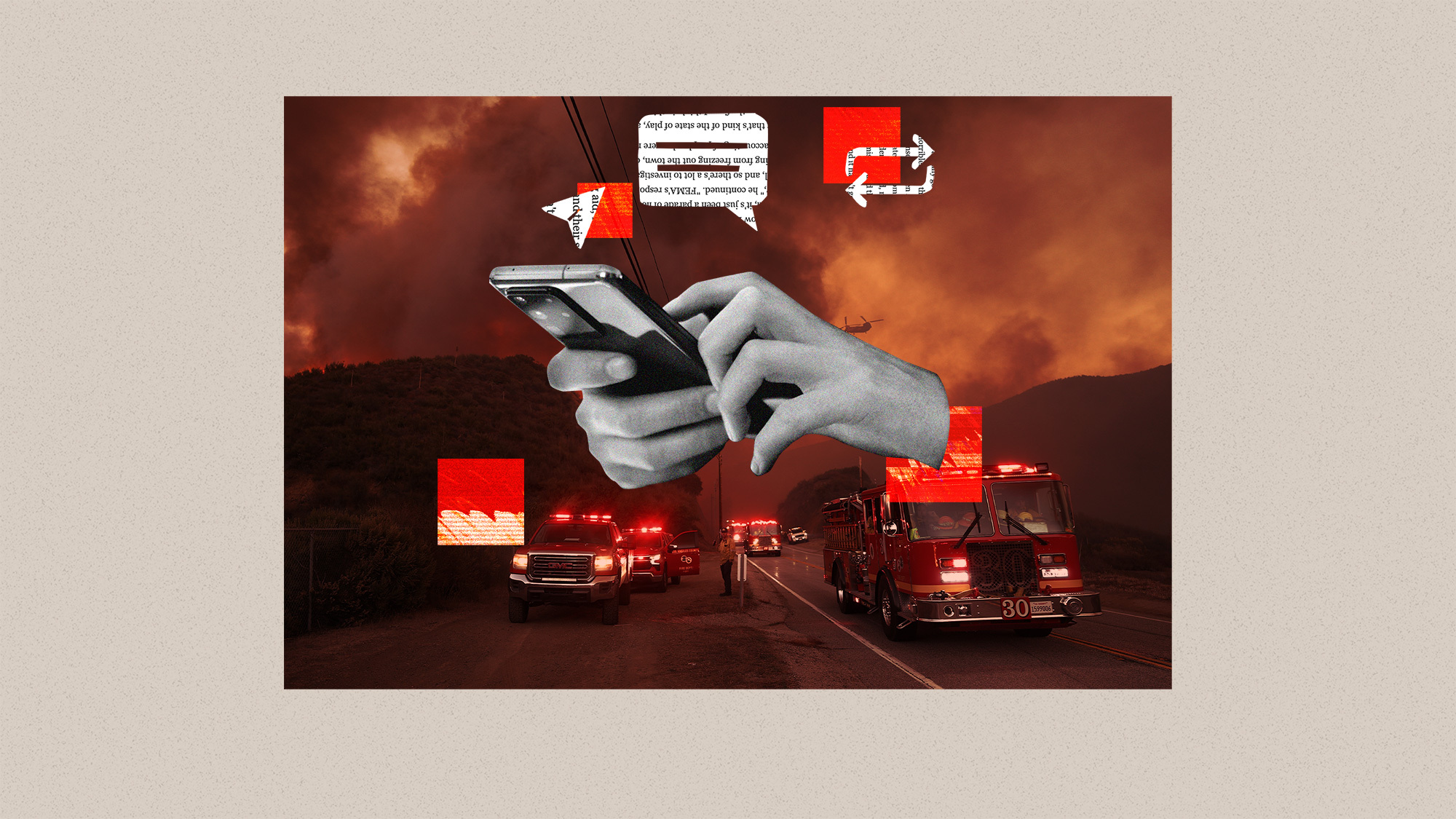
A study from the Center for Countering Digital Hate underscores that a significant portion of these false narratives originates from verified accounts, which are often prioritized by platform algorithms. Even when false claims are debunked by the scientific community or official meteorological agencies, the "correction" rarely achieves the same level of engagement as the original, sensationalized lie. For example, when Elon Musk shared claims that FEMA was restricting private aid flights during Hurricane Helene, his initial post garnered nearly 30 million views. His subsequent, quieter retraction reached only a fraction of that audience, ensuring that millions of users remained under the false impression that the federal government was actively hindering rescue efforts.
The Double-Edged Sword of Generative AI
The integration of artificial intelligence into the information ecosystem adds a layer of complexity that researchers are only beginning to quantify. While AI chatbots like ChatGPT and Gemini are programmed to prioritize verifiable news and debunk common myths, they are not infallible.
The risks are twofold. First, there is the potential for "hallucination," where an AI provides outdated or incorrect information regarding disaster relief eligibility. Second, as AI becomes the default search interface for millions of users, the reliance on these models means that if a model is "poisoned" by the vast amount of misinformation present on the open web, it may unintentionally validate conspiracy theories under the guise of an objective, authoritative answer.
Experts like Anita Atwell Seate at the University of Maryland are currently conducting longitudinal studies to determine if users trust AI-generated disaster information more than traditional government sources. The preliminary findings suggest that the perceived authority of the AI interface can override the accuracy of the underlying data. If a user receives an answer that confirms their existing bias—even if that answer is false—they are likely to act upon it.
Toward a Resilient Communication Strategy
Solving the crisis of disaster misinformation requires a fundamental shift in how government agencies approach community engagement. The "broadcast" model of communication—where an agency pushes information out from a central hub—is increasingly ineffective in a fragmented media landscape.
The most successful interventions occur when agencies identify and empower "trusted messengers" within affected communities. In the Maui recovery, FEMA’s partnership with local Native Hawaiian employees was a pivotal moment. By utilizing voices that were already part of the community’s social fabric, the agency was able to directly counter narratives about land seizures and colonization.
This approach is echoed by risk communication consultants who advocate for building "pre-disaster" relationships. The objective is not to win an argument, but to build a buffer of credibility that can withstand the surge of misinformation when a storm or wildfire hits. As Justin Knighten, a former FEMA external affairs official, noted, agencies are currently operating at a "trust deficit." Closing this gap requires long-term investment in local partnerships, from community leaders and fire station staff to healthcare providers and local journalists.
Implications for Future Recovery
The implications of this information chaos are profound. When misinformation results in unnecessary mass evacuations, it creates logistical nightmares that trap those truly in need. When it leads to a loss of trust in government, it results in lower aid application rates, leaving the most vulnerable populations without the resources necessary for recovery.
Moving forward, the challenge for emergency management is to navigate the "trench warfare" of the information age. As climate change continues to increase the frequency and severity of extreme weather events, the infrastructure of communication must be treated with the same importance as the physical infrastructure of roads and power grids. Without a shared sense of reality, society’s ability to respond to the next great catastrophe will be fundamentally broken, not by the fire or the flood, but by the chaos of the digital environment.
Ultimately, the goal is not to police speech, but to ensure that life-saving information remains accessible and believable. The speed of the next disaster is guaranteed; the speed at which we can build trust in the face of that disaster remains the most critical, and as yet, unresolved, variable in modern emergency management.