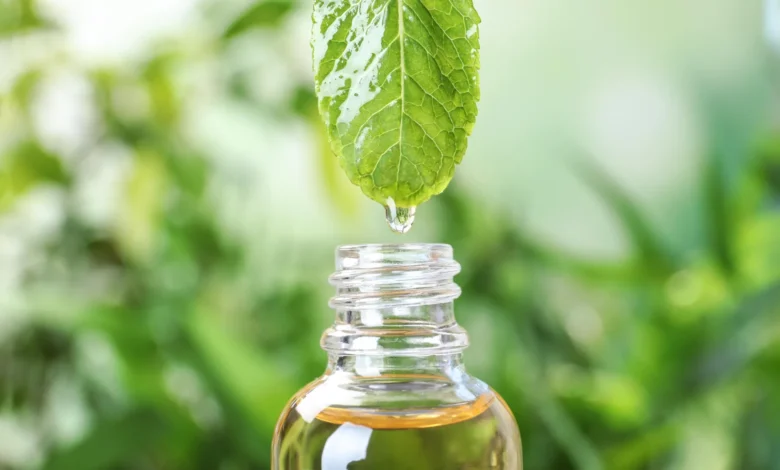
Peppermint, a botanical long celebrated for its culinary versatility, refreshing aroma, and ability to ease gastrointestinal distress, may soon find a place in cardiovascular health management. According to groundbreaking research conducted at the University of Lancashire, daily consumption of a minute quantity of food-grade peppermint oil over a brief 20-day period yielded statistically significant reductions in systolic blood pressure among adults with mildly elevated readings.
The findings, recently published in the peer-reviewed scientific journal PLOS One, introduce a compelling, highly accessible, and exceptionally low-cost dietary intervention for individuals grappling with early-stage hypertension. As healthcare systems globally struggle with the rising economic and logistical burdens of cardiovascular disease, this natural remedy offers a fresh avenue for preventative medicine, though researchers emphasize that it remains a subject for further clinical validation rather than an immediate replacement for conventional therapies.
Understanding the Cardiovascular Crisis
Cardiovascular disease remains the leading cause of mortality worldwide, with hypertension acting as its most prevalent and insidious driver. According to global health metrics, arterial hypertension accounts for millions of deaths annually, serving as a primary risk factor for ischemic heart disease, strokes, heart failure, and renal complications. The financial toll of managing these chronic conditions runs into hundreds of billions of dollars annually, encompassing pharmaceutical costs, hospitalizations, and long-term care.
Standard pharmacological interventions—ranging from ACE inhibitors and beta-blockers to calcium channel blockers and diuretics—have long formed the backbone of hypertension management. While these medications are undeniably life-saving, they are not without limitations. Long-term adherence remains a persistent challenge for clinicians due to complex dosing schedules, out-of-pocket expenses, and a spectrum of potential adverse side effects, including fatigue, dizziness, electrolyte imbalances, and metabolic disturbances.
Against this backdrop, the scientific community has increasingly turned its focus toward lifestyle modifications and natural adjunct therapies that can safely complement conventional treatments. Functional foods and botanical extracts with vasodilatory and anti-inflammatory properties have garnered particular interest. It was within this exploratory research climate that Dr. Jonnie Sinclair and his colleagues at the University of Lancashire resolved to investigate the physiological impacts of peppermint oil on vascular health.
Inside the Clinical Trial: Methodology and Participant Demographics
To rigorously evaluate the hypothesis that peppermint oil could influence systemic blood pressure, the research team designed a controlled trial involving 40 adult participants. The cohort comprised individuals ranging in age from 18 to 65 years who presented with either elevated blood pressure or stage 1 hypertension—a classification defined as a systolic reading consistently between 130 and 139 mmHg or a diastolic reading between 80 and 89 mmHg.
Participants were subjected to a randomized, double-blind, placebo-controlled protocol—the gold standard in clinical research. The cohort was divided evenly, with neither the participants nor the researchers knowing who received the active intervention versus the control substance until the trial concluded.
Over the course of 20 consecutive days, members of the active treatment group ingested a precisely measured daily dose of 100 microliters—equivalent to one-tenth of a milliliter—of food-grade peppermint oil. To ensure safe and palatable consumption, this minuscule dose was divided into two separate administrations, each diluted in water. Conversely, the control group consumed an identical-looking and tasting placebo formulated with a peppermint flavoring agent that completely lacked the active pharmacological compounds found in genuine peppermint oil.
Drilling Down into the Data: Significant Drops in Systolic Pressure
The results of the 20-day intervention exceeded initial expectations. Following the completion of the trial period, participants in the peppermint oil group demonstrated an average drop in systolic blood pressure from approximately 130 mmHg down to 122 mmHg. When adjusted for baseline measurements, those who received the peppermint oil exhibited systolic readings that were, on average, 8.5 mmHg lower than those recorded in the placebo cohort.
Systolic blood pressure represents the maximum pressure exerted against arterial walls each time the heart contracts to pump oxygenated blood throughout the body. Chronically elevated systolic pressure places continuous mechanical stress on delicate endothelial linings, accelerating atherosclerosis—the hardening and narrowing of arteries—and vastly increasing the long-term risk of catastrophic cardiovascular events such as myocardial infarctions and cerebrovascular accidents. An average reduction of 8.5 mmHg in a population with stage 1 hypertension is clinically meaningful, potentially translating to a substantial decrease in relative cardiovascular risk if sustained over the long term.
Beyond systolic blood pressure, the research team conducted a comprehensive battery of physiological and psychological assessments. These included monitoring diastolic blood pressure, resting heart rates, anthropometric body measurements, comprehensive blood panels, self-reported mental well-being scores, and subjective sleep quality evaluations. While the most striking and immediate statistical variance occurred in systolic blood pressure, the secondary metrics provided a holistic safety and wellness profile of the intervention.
The Biochemical Mechanisms: How Menthol and Flavonoids Interact with the Body
To understand how a botanical extract traditionally associated with digestive comfort can exert measurable effects on the cardiovascular system, scientists must examine the complex phytochemical makeup of the peppermint plant (Mentha piperita).
Peppermint naturally synthesizes a rich array of biologically active compounds. Foremost among these is menthol, a cyclic terpene alcohol responsible for the plant’s characteristic cooling sensation and pungent aroma. Menthol is well known for its interaction with transient receptor potential (TRP) channels, which regulate physiological responses to temperature and chemical stimuli.
In addition to menthol, peppermint is abundant in flavonoids—a diverse group of polyphenolic plant secondary metabolites renowned for their potent antioxidant and anti-inflammatory activities. Oxidative stress and systemic low-grade inflammation are fundamental drivers of endothelial dysfunction, a condition in which blood vessels lose their natural capacity to dilate properly in response to physiological demands.
Researchers hypothesize that the combined anti-inflammatory and vasodilatory properties of peppermint oil play a pivotal role in its blood-pressure-lowering effects. Vasodilators are agents that encourage smooth muscle tissue within the walls of blood vessels to relax. When these vascular walls relax and expand, the internal diameter of the arteries increases, allowing blood to flow more freely and with less resistance. This reduction in vascular resistance directly translates to a lower pressure reading against the arterial walls.
While these biochemical pathways offer a plausible scientific framework for the clinical observations, Dr. Sinclair and his colleagues emphasize that the precise mechanisms require deeper, more granular investigation through targeted molecular biology studies.
Expert Perspectives and Clinical Implications
The publication of these findings has sparked considerable dialogue within the fields of cardiology, pharmacology, and preventative medicine. As chronic lifestyle-related diseases continue to strain global healthcare infrastructures, the identification of low-cost, highly scalable interventions is a paramount priority for public health authorities.
Dr. Jonnie Sinclair, Reader in Sport and Health Sciences at the University of Lancashire and lead author of the study, highlighted the broader societal and economic implications of the research during a post-publication statement.
"High blood pressure is unequivocally one of the single biggest underlying causes of heart disease and premature death worldwide, and the financial burden associated with treating it is astronomical," Dr. Sinclair noted. "Although pharmaceutical medicines are commonly prescribed and remain essential for many patients, it is not always clear how consistently they work over extended periods, and they can frequently cause unwanted side effects that compromise patient compliance."
Dr. Sinclair underscored the unique demographic advantages of the intervention tested in the trial. "Our findings were exceptionally positive and carry significant clinical implications, particularly given that arterial hypertension is recognized globally as the most common preventable risk factor for cardiometabolic disease and the leading individual risk factor for global mortality. Because peppermint oil is remarkably low in both caloric content and financial cost, it has the potential to serve as a profoundly simple and cost-effective solution to help manage blood pressure for millions of people around the globe."
Navigating Limitations and Avoiding Misinterpretation
Despite the enthusiastic reception within the scientific and medical communities, the authors of the study are careful to contextualize the scope and limitations of their work. Responsible scientific communication requires acknowledging that a 20-day trial involving 40 participants, while statistically robust enough to demonstrate an initial effect, represents only a foundational first step in clinical research.
Several critical questions remain unanswered. Foremost among these is the question of long-term sustainability. It remains to be determined whether the hypotensive effects observed over a three-week period will persist indefinitely, or if the human body will eventually develop a physiological tolerance to the active compounds in peppermint oil, diminishing its efficacy over months or years. Furthermore, larger-scale, multi-center clinical trials encompassing more diverse demographic groups—including individuals with varying ethnicities, underlying health conditions, and concurrent medication regimens—are mandatory before broad clinical guidelines can be drafted.
Crucially, health professionals have issued strong cautionary warnings to the general public regarding the interpretation of these findings. The researchers specifically utilized food-grade peppermint oil strictly formulated for human consumption and safe oral ingestion. Consumers must not interpret these results as an invitation to self-medicate using generic, over-the-counter aromatherapy essential oils, many of which are intended strictly for topical application or vapor diffusion and can be toxic if ingested.
Moreover, patients currently diagnosed with hypertension who have been prescribed pharmaceutical blood pressure medications must under no circumstances discontinue or alter their treatment regimens based on preliminary botanical studies. Any dietary supplement or integrative health practice should be integrated into a patient’s routine only in direct consultation with a qualified physician or cardiologist.
Looking Ahead: The Future of Botanical Interventions in Cardiology
As the medical community continues to digest the University of Lancashire study, the research opens exciting new pathways for integrative cardiology. The convergence of traditional botanical knowledge with rigorous modern clinical trial methodology continues to validate the therapeutic potential of plant-derived compounds in managing chronic non-communicable diseases.
Future research phases will likely focus on isolating specific bioactive fractions of peppermint oil—such as determining the exact synergistic ratio of menthol to endogenous flavonoids—to optimize dosing parameters. Additionally, researchers aim to explore how peppermint oil might work in tandem with existing antihypertensive drug classes, potentially allowing patients to achieve better blood pressure control at lower pharmaceutical dosages and with fewer side effects.
For millions of individuals navigating the treacherous waters of prehypertension and early-stage cardiovascular risk, the prospect of a low-cost, accessible dietary adjunct offers a renewed sense of agency. While more clinical miles must be traveled before peppermint oil becomes a standard prescription on pharmacy shelves, the humble mint leaf has firmly established its potential to reshape how modern medicine approaches the silent threat of high blood pressure.