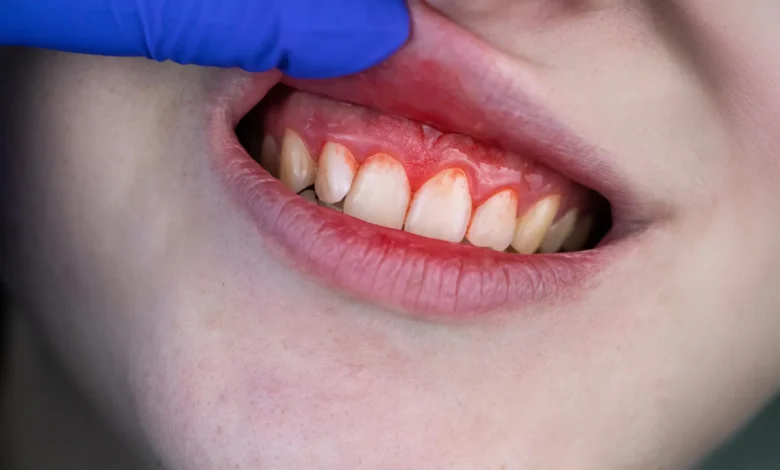
The landscape of dental medicine could be on the verge of a profound paradigm shift following a breakthrough discovery by researchers at Nagoya University in Japan. A multidisciplinary scientific team has successfully developed and tested a highly specialized treatment for severe gum disease that selectively neutralizes pathogenic bacteria while leaving the mouth’s beneficial microbial ecosystem completely undisturbed. Published in the prestigious Journal of Translational Medicine, this innovative therapy adapts cutting-edge cancer-fighting technology to combat periodontitis—a widespread, chronic inflammatory condition that compromises the bone supporting human teeth and stands as a leading cause of adult tooth loss globally.
Traditional interventions for periodontal disease, ranging from broad-spectrum systemic antibiotics to conventional antimicrobial photodynamic therapy (aPDT), have long relied on a scorched-earth methodology. While these conventional treatments effectively eradicate disease-causing agents, they are notoriously indiscriminate, wiping out vital commensal bacteria that maintain oral equilibrium. Furthermore, the mass destruction of microbial cells via traditional methods often triggers the systemic release of lipopolysaccharides (LPS)—potent endotoxins that can exacerbate localized inflammation and delay tissue healing.
The newly engineered technique, designated as near-infrared photo-antibacterial targeting therapy (NIR-PAT²), bypasses these detrimental side effects by deploying precision-guided molecular weapons. Developed collaboratively by a research team including first author Hiroshi Maruyama, Professor Hideharu Hibi, and corresponding authors Kazuhide Sato and Kiyoshi Sakai, the treatment marries immunology with optics to offer a refined, scalable, and economically viable alternative to legacy periodontal therapies.
The Microscopic Battleground: Understanding Periodontitis and the Threat of Porphyromonas gingivalis
To comprehend the significance of the Nagoya University breakthrough, one must examine the delicate microbial ecology of the human oral cavity. The mouth hosts millions of microorganisms comprising hundreds of distinct species. This complex ecosystem functions harmoniously under normal physiological conditions, playing an essential role in digestion, immune defense, and the prevention of opportunistic infections.
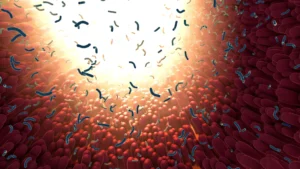
Pathology occurs when this fragile equilibrium is disrupted, allowing pathogenic strains to proliferate. At the center of severe periodontitis is a particularly insidious organism known as Porphyromonas gingivalis (P. gingivalis). Classified by microbiologists as a "keystone pathogen," P. gingivalis possesses the unique capacity to orchestrate profound ecological shifts within the oral microbiome. Even when present in relatively low numbers, this bacterium actively manipulates the host’s inflammatory response, alters nutrient availability, and degrades the structural integrity of the periodontal ligament and alveolar bone—the dense ridge of bone containing the tooth sockets.
Left unchecked, chronic periodontitis results in the formation of deep periodontal pockets, gingival recession, tooth mobility, and, ultimately, total tooth loss. Beyond oral health, epidemiological data increasingly links chronic periodontal disease to systemic pathologies, including cardiovascular disease, type 2 diabetes, rheumatoid arthritis, and certain forms of systemic inflammation. Consequently, finding an effective way to control P. gingivalis without causing collateral damage to the rest of the microbiome has been a paramount goal for dental researchers worldwide.
Adapting Oncology for Odontology: The Genesis of NIR-PAT²
Faced with the limitations of conventional antimicrobial treatments, the research team at the Nagoya University Graduate School of Medicine looked outside the traditional boundaries of dentistry, drawing inspiration from an advanced cancer treatment known as near-infrared photoimmunotherapy.
In oncological applications, this cutting-edge approach utilizes monoclonal antibodies chemically linked to a light-sensitive phthalocyanine dye. The antibody acts as a homing beacon, selectively binding to specific receptors expressed on the surface of cancer cells. Once the molecular complex anchors itself to the target, the localized application of near-infrared (NIR) light activates the dye, inducing rapid physical and chemical stress that destroys the malignant cell membrane without harming surrounding healthy tissue.
The Nagoya team hypothesized that this targeted phototherapeutic framework could be repurposed to address bacterial infections, specifically those driven by P. gingivalis. However, utilizing standard mammalian monoclonal antibodies for large-scale dental applications presented significant economic and logistical hurdles, primarily due to high production costs and complex manufacturing requirements.
To overcome this economic barrier, the researchers innovated by incorporating IgY—immunoglobulin Y, a class of antibodies harvested from the egg yolks of chickens that have been actively immunized against P. gingivalis. Egg-derived antibodies offer distinct advantages in biotechnology: they can be synthesized in substantial quantities at a fraction of the cost of mammalian monoclonal antibodies, exhibit exceptional stability, and can be readily integrated into topical gels, mouthwashes, or specialized dental delivery systems.
By conjugating these P. gingivalis-specific IgY antibodies with a near-infrared light-sensitive dye, the team successfully engineered the foundational components of NIR-PAT².
Rigorous Laboratory Validation: Cell Cultures and Murine Models
To evaluate the efficacy and safety profile of NIR-PAT², the research team subjected the therapy to a battery of rigorous tests involving both in vitro human cell cultures and in vivo murine models of periodontal disease. The experimental design specifically sought to answer two critical questions: Could the therapy selectively eliminate P. gingivalis while sparing beneficial bacteria, and would it protect healthy human gingival tissues from the cellular damage commonly induced by conventional light therapies?
The results, documented in their Journal of Translational Medicine publication, exceeded expectations. In controlled laboratory assays, the IgY-dye conjugates demonstrated absolute specificity, homing exclusively to P. gingivalis cells while completely ignoring other commensal oral bacteria and healthy human gum cells.
When researchers exposed the targeted bacteria to near-infrared light, the activated dye induced precise, localized damage to the outer membranes of the pathogens, resulting in rapid cell death. Crucially, scanning electron microscopy revealed a fascinating structural distinction between NIR-PAT² and standard antimicrobial photodynamic therapy (aPDT). While aPDT caused the bacterial cells to violently rupture and disintegrate—releasing intracellular toxins and inflammatory mediators into the surrounding tissue—the NIR-PAT² treatment induced controlled, microscopic pore formation while preserving the overall structural framework of the bacteria.
This preservation of bacterial architecture is far from trivial. By maintaining the general shape of the neutralized pathogens rather than shattering them, the treatment significantly mitigates the sudden release of lipopolysaccharides (LPS) and other endotoxins that typically provoke acute inflammatory cascades in the host.
Furthermore, cytotoxicity assessments on human gingival cell cultures revealed that NIR-PAT² caused zero detectable harm to healthy host cells. By contrast, conventional antimicrobial photodynamic therapy induced measurable cellular stress, structural damage, and impaired the natural healing capacity of the gum tissue.
Translating Bench Science to Bedside Potential: Reducing Bone Loss
Moving beyond cellular assays, the research team tested the therapeutic translatability of NIR-PAT² in mice afflicted with experimentally induced periodontitis. The primary objective was to observe whether selective bacterial eradication would translate into tangible preservation of alveolar bone—the ultimate metric of success in periodontal therapy.
The outcomes were stark. Mice treated with the NIR-PAT² protocol exhibited a statistically significant reduction in alveolar bone resorption compared to untreated control groups and those treated with conventional broad-spectrum antimicrobials. The structural integrity of the jawbone supporting the teeth was visibly preserved, demonstrating that targeted microbial management is sufficient to halt the destructive progression of the disease.
Salivary analyses conducted post-treatment provided further validation. Microbial profiling revealed that while P. gingivalis populations were severely depleted, beneficial commensal species—such as native Streptococcus strains—remained entirely intact. This preservation of the oral microbiome’s natural diversity stands in sharp contrast to the results seen with traditional antibiotics and standard photodynamic therapies, which non-selectively eradicated both pathogenic and protective flora, leaving the oral ecosystem vulnerable to secondary opportunistic infections.
"Results demonstrated that, unlike antibiotics or standard light therapy, this approach selectively removes the primary pathogenic species while preserving the remainder of the oral bacterial community," stated Dr. Kazuhide Sato, co-corresponding author and lecturer at Nagoya University.
Broader Implications and Future Horizons: The Integration of Artificial Intelligence
While the initial preclinical data surrounding NIR-PAT² is exceptionally promising, the Nagoya University researchers emphasize that periodontitis is rarely a monoculture infection. In clinical reality, severe gum disease involves a complex consortium of interacting bacterial species—often referred to by periodontists as the "red complex" (Porphyromonas gingivalis, Treponema denticola, and Tannerella forsythia). Eliminating P. gingivalis alone represents a major milestone, but comprehensive treatment regimens will ultimately require multi-targeted strategies capable of addressing the full spectrum of periodontal pathogens.
To address this biological complexity, the research team is already mapping out the next phase of development. They plan to harness the predictive power of artificial intelligence (AI) and machine learning to analyze vast troves of publicly available genomic and metagenomic data regarding the oral microbiome. By mapping out the intricate symbiotic and antagonistic relationships between various oral bacterial species, the researchers hope to identify additional high-value microbial targets for future photo-antibacterial iterations.
Beyond purely dental applications, the broader implications of this research extend deeply into systemic medicine. Given the well-documented epidemiological correlations connecting chronic periodontitis to systemic inflammatory conditions like rheumatoid arthritis, cardiovascular disease, and diabetes mellitus, the ability to control oral pathogens without disrupting systemic microbiome health could offer profound preventive benefits.
AI-driven diagnostics may eventually allow clinicians to profile an individual patient’s unique oral microbiome composition, predicting susceptibility to specific inflammatory diseases and tailoring precision phototherapy protocols tailored to their exact microbial imbalance.
Conclusion: A Paradigm Shift on the Horizon
As the medical community continues to grapple with the rising tide of antimicrobial resistance and the unintended consequences of broad-spectrum therapeutics, innovations like near-infrared photo-antibacterial targeting therapy offer a compelling vision of the future.
By substituting the blunt instrument of traditional antibiotics with a guided molecular missile activated by harmless light, the Nagoya University team has charted a new course for periodontal care. Though the therapy remains in the experimental phase and has yet to progress through human clinical trials, the foundational science establishes a robust proof-of-concept.
If successfully translated into human clinical practice, NIR-PAT² could fundamentally transform how dentists approach gum disease—shifting the primary clinical objective from the wholesale destruction of the oral ecosystem to the surgical precision of ecological restoration, ensuring that future generations can combat periodontal infection without sacrificing the delicate microbial harmony essential to human health.