A growing coalition of self-described democratic socialist lawmakers and candidates, who have built their political brands on a platform of dismantling corporate influence in American elections, is now facing intense scrutiny regarding their own campaign finance practices. An investigation into Federal Election Commission (FEC) filings reveals a recurring pattern: candidates who have publicly pledged to reject corporate Political Action Committee (PAC) contributions are nonetheless accepting significant financial support from high-ranking corporate executives and industry leaders.
The investigation, which was prompted by data flagged by the anti-DEI nonprofit 1792 Exchange, highlights an apparent disconnect between the populist rhetoric employed on the campaign trail and the pragmatic realities of modern political fundraising. While these candidates have consistently characterized the influence of the "wealthy elite" and corporations as a primary barrier to working-class representation, their financial disclosures suggest a complex reliance on the very class of donors they frequently criticize.
The Anatomy of the Campaign Finance Pledge
The core of the controversy lies in the precise language of the anti-corporate pledges signed by various Democratic Socialists of America (DSA) members. Groups like End Citizens United have long advocated for candidates to swear off contributions from corporate PACs—a standard practice for many progressives. However, the investigation reveals that while these candidates successfully avoided direct corporate PAC checks, they have readily accepted funds from the individuals who run those corporations.
Critics argue that this distinction is a semantic loophole. By accepting thousands of dollars from CEOs, defense contractors, and technology executives, these candidates are essentially bypassing their own self-imposed restrictions.
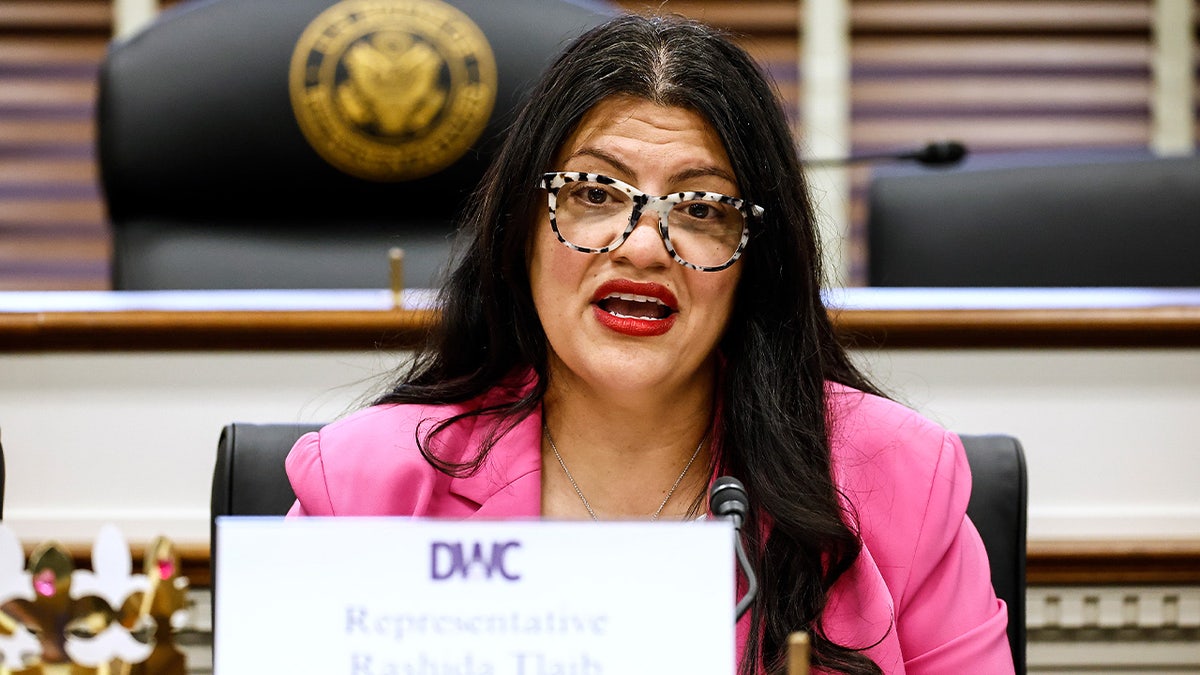
Rep. Rashida Tlaib, D-Mich., serves as a focal point of this scrutiny. Despite authoring a 2025 op-ed that explicitly criticized lawmakers for profiting from the defense industry, FEC records indicate she accepted $10,600 in contributions across 2023 and 2025 from Faisal Munir, an executive at the major defense contractor L3Harris. This discovery has drawn sharp rebukes from across the aisle. Rep.-elect Jerry Carl, R-Ala., characterized the situation as a glaring display of political inconsistency, stating that if lawmakers choose to accept such funds, they should at least be transparent about their financial arrangements rather than maintaining a public posture of total divestment from industry interests.
Chronology of Contributions and Rising Influence
The ascendancy of the radical socialist wing within the Democratic Party has been marked by a series of high-profile electoral victories, but the financial backing behind these wins is becoming a subject of increased analysis.
- 2023-2024 Cycle: As these candidates ramped up their congressional bids, they began securing funds from various tech and industry executives. Omar Tawakol, CEO of the AI advertising platform Rembrand, emerged as a notable donor, contributing $13,600 to Tlaib, $7,000 to Donavan McKinney, and $3,500 each to Claire Valdez and Darializa Avila Chevalier.
- Early 2025: Following the electoral successes of candidates like Valdez and Chevalier, researchers began cross-referencing their "anti-corporate" campaign promises with their actual receipts. The findings suggested that the reliance on executive-level donations was not an isolated incident but a systematic trend among DSA-endorsed candidates.
- Late 2025 to Present: Continued scrutiny from organizations like the 1792 Exchange has forced a broader conversation regarding the efficacy of current campaign finance reform efforts and whether "corporate PAC" bans are sufficient to curb the influence of money in politics.
Supporting Data: A Deep Dive into the Numbers
The scale of the funding is substantial. An analysis of the two previous election cycles shows that 24 corporate executives contributed a combined $675,300 to DSA-endorsed congressional candidates. Of this total, $126,300 was delivered directly to the candidates, while the remaining $549,000 was funneled through progressive PACs such as Justice Democrats, Leaders We Deserve, and the Working Families Party PAC.
These PACs play a critical role in the financial ecosystem of these campaigns. By acting as intermediaries, they allow executives to support ideological allies without necessarily triggering the immediate public backlash associated with direct corporate contributions. For instance, Justice Democrats—a primary financial engine for candidates like Chevalier, Tlaib, and Valdez—has received substantial backing from industry leaders, including $150,000 from Desmos Studio CEO Eli Luberoff and $85,000 from Hims & Hers Health CEO Andrew Dudum. Similarly, the Working Families Party PAC benefited from a $100,000 donation by former Google chief scientist Jeff Dean, while Android co-founder Rich Miner contributed $65,000 to Leaders We Deserve.
The Regulatory Implications of Executive Support
The economic rationale for why corporate executives contribute to socialist candidates—who often advocate for stricter regulations on the private sector—is a subject of significant interest for political economists. E.J. Antoni, a chief economist at the Heritage Foundation, notes that executives often engage in this form of "hedging." By contributing to candidates who are likely to hold future committee assignments or influence legislation, these donors may be positioning themselves to request regulatory "carve-outs, exemptions, and exclusions" that could benefit their specific firms while simultaneously being shielded by the candidate’s populist narrative.
While the current FEC filings do not provide evidence of a quid pro quo arrangement, or that any specific donor sought or received preferential treatment, the optics of the situation present a political vulnerability. When candidates campaign on the promise of "fighting corporate greed" and then accept large sums from the very executives responsible for those corporations, it invites questions about the long-term integrity of their legislative priorities.
Official Responses and Lack of Comment
Despite the gravity of these accusations and the public availability of the data, the response from the targeted lawmakers has been largely silent. Reps.-elect Donavan McKinney, Claire Valdez, Darializa Avila Chevalier, and Rep. Rashida Tlaib have not responded to requests for comment regarding their fundraising sources. Similarly, the DSA and the associated progressive PACs—Justice Democrats, Leaders We Deserve, and the Working Families Party—have declined to offer statements or clarify their vetting processes for large-dollar donations.
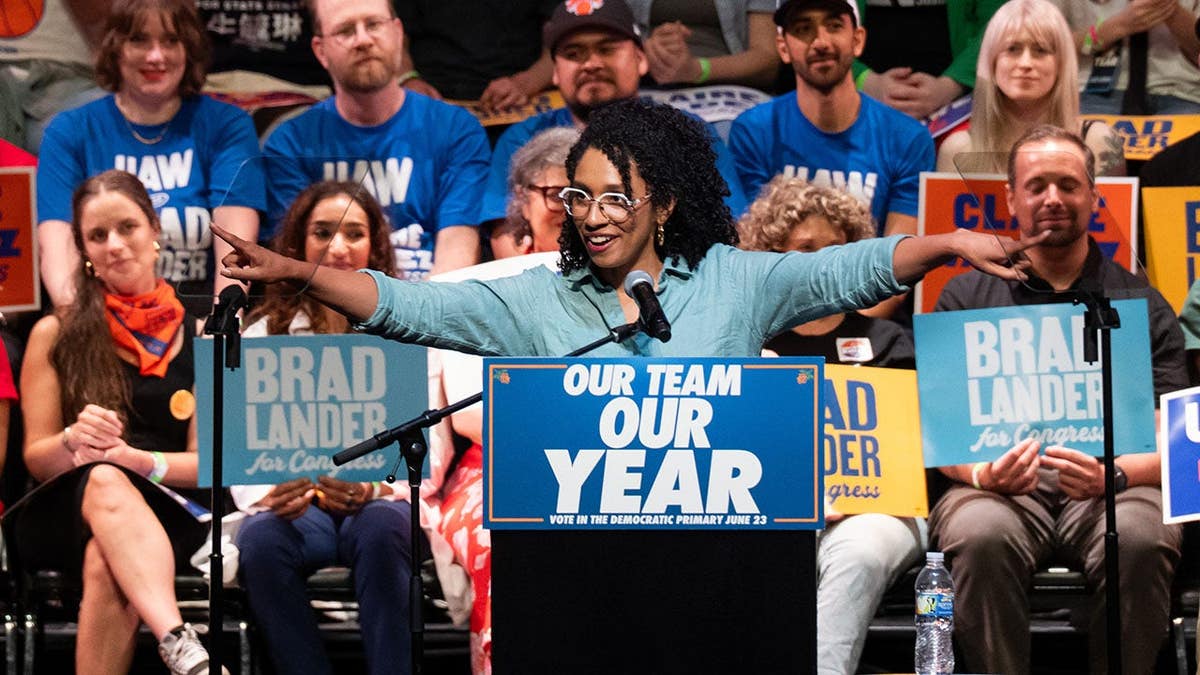
This lack of engagement with the media has only intensified the calls for transparency. Keira Havens, founder of Courage for Democracy, argues that the current state of affairs necessitates a new level of accountability. She contends that if the political system is to function with integrity, candidates must be willing to defend their financial associations with the same vigor they use to attack their political opponents.
Broader Impact and Future Consequences
The implications of this report extend beyond individual campaigns. For the Democratic Party, the tension between the grassroots base and the financial realities of running a modern, competitive campaign is reaching a boiling point. As the party attempts to position itself as the champion of the working class, the reliance on executive-level funding for its most left-leaning members may create friction with rank-and-file voters.
Furthermore, this development suggests that the current campaign finance reform movement may be entering a new phase. Previous efforts focused almost exclusively on the influence of PACs and dark money. However, as candidates find new ways to secure funding while technically adhering to their own rules, critics are likely to pivot toward demanding greater scrutiny of individual donor profiles, regardless of whether the money originates from a personal account or a corporate treasury.
Ultimately, the challenge for these lawmakers is one of credibility. As they prepare to enter office and influence federal policy, they will face the dual pressure of maintaining their ideological purity while navigating a political system that remains fundamentally reliant on the capital of the individuals they have spent their careers criticizing. Whether they will adjust their fundraising strategies or continue to face accusations of hypocrisy remains to be seen in the upcoming legislative session.