China-ASEAN Baise Cao Bang Conference: Industrial & Supply Chain Innovation
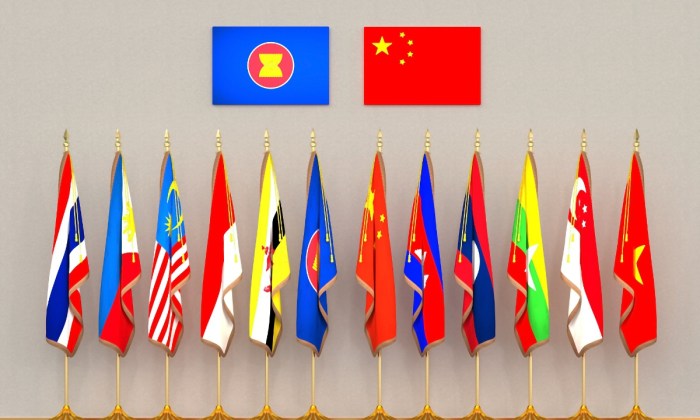
The china asean baise cao bang industrial chain and supply chain cooperation and innovative development conference held in nanning – The China-ASEAN Baise Cao Bang Industrial Chain and Supply Chain Cooperation and Innovative Development Conference held in Nanning was a pivotal event, bringing together key players from China and ASEAN nations to discuss the future of regional collaboration. This conference, held in the vibrant city of Nanning, served as a platform for sharing insights, exploring opportunities, and fostering innovative partnerships.
It was a chance to delve into the intricate web of industrial and supply chains that connect these nations, examining how to strengthen these ties and drive sustainable economic growth.
The conference highlighted the importance of collaboration in key sectors like manufacturing, agriculture, and technology, recognizing the potential for mutual benefit through shared resources and expertise. Discussions centered around the innovative initiatives that are driving this collaboration, from technology-driven solutions to collaborative research and development projects.
This event wasn’t just about exchanging ideas, it was about building concrete partnerships that could translate into tangible results for the region.
Conference Overview
The China-ASEAN Baise Cao Bang Industrial Chain and Supply Chain Cooperation and Innovative Development Conference, held in Nanning, was a pivotal event aimed at strengthening economic ties and fostering collaboration between China and ASEAN nations. This gathering served as a platform for discussing key challenges and opportunities within the industrial and supply chain landscapes, paving the way for innovative solutions and sustainable development.
Key Themes and Objectives
The conference focused on several critical themes, aiming to:
- Promote Industrial Chain and Supply Chain Cooperation:The conference aimed to identify areas of synergy between China and ASEAN countries in industrial and supply chain development, facilitating cross-border collaboration and investment.
- Enhance Innovation and Technological Advancement:Participants explored opportunities for joint research and development initiatives, promoting technological advancements and fostering innovation in key industries.
- Strengthen Infrastructure Connectivity:The conference addressed the importance of seamless infrastructure connectivity between China and ASEAN, facilitating efficient transportation of goods and services.
- Foster Sustainable and Inclusive Growth:The conference emphasized the need for sustainable development practices and inclusive economic growth, ensuring that the benefits of cooperation reach all stakeholders.
Participating Countries and Organizations
The conference brought together a diverse range of stakeholders, including:
- Government Representatives:Officials from China and ASEAN member states participated in high-level discussions and policy dialogues.
- Business Leaders:CEOs and executives from leading companies in various industries, including manufacturing, technology, and logistics, shared their insights and explored partnership opportunities.
- Industry Associations:Representatives from industry associations and chambers of commerce facilitated knowledge sharing and networking opportunities.
- Research Institutions:Academics and researchers presented their findings on key trends and challenges in industrial and supply chain development.
Industrial Chain and Supply Chain Cooperation
The China-ASEAN Free Trade Area (CAFTA) has facilitated a robust industrial chain and supply chain network between China and ASEAN countries. This collaboration has led to increased trade, investment, and economic growth for both regions. This section will delve into the existing collaborations, explore the potential for further cooperation, and examine the strengths and weaknesses of each participating country’s industrial and supply chain capabilities.
Existing Collaborations
The existing industrial chain and supply chain collaborations between China and ASEAN countries are evident in various sectors, including manufacturing, agriculture, and technology.
- Manufacturing:China’s manufacturing prowess has been instrumental in supporting ASEAN’s industrialization. Chinese companies have established manufacturing facilities in ASEAN countries, leveraging their lower labor costs and access to regional markets. For example, Chinese electronics manufacturers have set up production lines in Vietnam and Thailand, while automotive companies have invested in Malaysia and Indonesia.
The China-ASEAN Baise Cao Bang Industrial Chain and Supply Chain Cooperation and Innovative Development Conference in Nanning was a whirlwind of ideas and collaborations. It’s amazing how quickly these international gatherings can bring together experts from different industries, like the ones focused on sustainable development and innovative manufacturing.
I’m reminded of the intricate details and craftsmanship of Emma’s Book Ring Pillow , which embodies the very essence of meticulous design and thoughtful execution. These are the kinds of principles that can drive the success of the China-ASEAN Baise Cao Bang initiative and foster a more prosperous future for the region.
- Agriculture:China’s demand for agricultural products has created opportunities for ASEAN countries. China imports significant quantities of agricultural products like rice, fruits, and vegetables from ASEAN. China has also invested in agricultural infrastructure in ASEAN countries, promoting modern farming techniques and enhancing food security.
The China ASEAN Baise Cao Bang Industrial Chain and Supply Chain Cooperation and Innovative Development Conference held in Nanning was a buzzing hub of ideas and collaboration. From exploring innovative manufacturing processes to forging new partnerships, the conference aimed to strengthen the region’s economic ties.
And speaking of innovative ideas, I’ve been experimenting with some DIY clothing accessories lately, and I found this amazing resource for inspiration: 25 clothing accessory diys. The conference in Nanning highlighted the importance of fostering creativity and entrepreneurship, and these DIY projects are a great way to express your individuality and add a personal touch to your wardrobe.
I’m sure the conference attendees would appreciate these unique and affordable accessories, which perfectly complement the spirit of innovation and collaboration that permeated the event.
- Technology:China’s technological advancements have benefited ASEAN countries. Chinese companies are actively involved in developing infrastructure projects, including telecommunications, transportation, and energy, in ASEAN. The “Digital Silk Road” initiative has facilitated the transfer of technology and knowledge sharing between China and ASEAN, fostering innovation and digitalization in the region.
Potential for Further Cooperation
The potential for further cooperation in key sectors such as manufacturing, agriculture, and technology is significant.
- Manufacturing:The rising labor costs in China have incentivized companies to shift production to ASEAN countries. This trend is expected to continue, with further investments in manufacturing facilities and supply chain integration.
- Agriculture:The growing demand for food in both China and ASEAN presents an opportunity for enhanced agricultural cooperation. This could involve joint ventures, technology transfer, and the development of value chains for agricultural products.
- Technology:The “Digital Silk Road” initiative can be further expanded to promote digital innovation and collaboration in areas like e-commerce, fintech, and artificial intelligence. This will enhance connectivity and create new economic opportunities.
Industrial and Supply Chain Capabilities, The china asean baise cao bang industrial chain and supply chain cooperation and innovative development conference held in nanning
A comparative analysis of the strengths and weaknesses of each participating country’s industrial and supply chain capabilities provides valuable insights for strategic collaboration.
| Country | Strengths | Weaknesses |
|---|---|---|
| China | – Strong manufacturing base
|
– Rising labor costs
|
| Indonesia | – Abundant natural resources
|
– Infrastructure limitations
|
| Malaysia | – Developed manufacturing sector
The China-ASEAN Baise Cao Bang Industrial Chain and Supply Chain Cooperation and Innovative Development Conference in Nanning was a fascinating event, highlighting the interconnectedness of regional economies. It made me think about the creative ways we can connect our own projects, like crafting a DIY denim lace shirt , with global trends. Just as the conference explored innovative solutions for industry, our personal projects can contribute to a larger creative network, showcasing individual talent and fostering collaboration across borders.
|
– Limited natural resources
|
| Thailand | – Developed industrial sector
|
– Limited technological innovation
|
| Vietnam | – Low labor costs
|
– Limited infrastructure
|
Innovative Development Initiatives
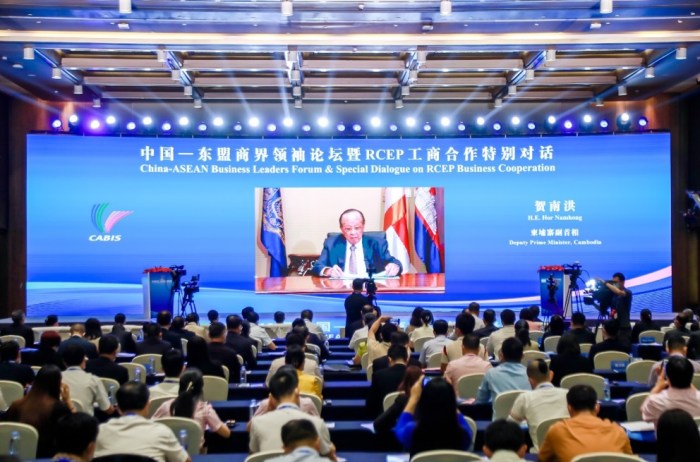
The conference showcased a range of innovative development projects and initiatives aimed at driving sustainable growth and technological advancement within the China-ASEAN industrial and supply chain landscape. These initiatives highlight the commitment to leveraging technology and digitalization to foster collaboration and enhance efficiency.
The Role of Technology and Digitalization
The conference emphasized the critical role of technology and digitalization in promoting industrial and supply chain cooperation. Participants discussed the potential of various technological solutions, including:
- Artificial Intelligence (AI):AI-powered platforms can optimize logistics, streamline production processes, and enhance supply chain visibility. For example, AI-driven predictive analytics can help anticipate demand fluctuations and adjust production schedules accordingly, minimizing disruptions and ensuring timely deliveries.
- Internet of Things (IoT):IoT sensors and devices can collect real-time data from various stages of the supply chain, enabling better monitoring, tracking, and control. This data can be used to optimize inventory management, improve product quality, and identify potential bottlenecks. For example, IoT sensors can track the temperature and humidity of goods during transportation, ensuring optimal conditions for perishable products.
- Blockchain Technology:Blockchain can enhance transparency and security in supply chain operations. It can be used to track the origin and movement of goods, ensuring authenticity and preventing counterfeiting. Blockchain can also facilitate secure and efficient payments and streamline trade documentation processes.
Fostering Innovation and Knowledge Sharing
The conference aimed to create a platform for knowledge sharing and collaboration between Chinese and ASEAN businesses. Participants discussed strategies for fostering innovation and promoting technological advancements. Key initiatives included:
- Joint Research and Development (R&D) Projects:The conference encouraged joint R&D projects between Chinese and ASEAN companies to develop new technologies and solutions for shared challenges. This collaboration fosters innovation and accelerates technological advancements.
- Technology Transfer and Capacity Building:The conference facilitated knowledge transfer and capacity building programs to equip ASEAN businesses with the skills and expertise to adopt new technologies and enhance their competitiveness. These programs promote the transfer of best practices and technological advancements from China to ASEAN.
- Industry Clusters and Innovation Hubs:The conference encouraged the establishment of industry clusters and innovation hubs to foster collaboration, knowledge sharing, and the development of new technologies. These initiatives provide a platform for businesses to connect, share ideas, and jointly develop innovative solutions.
Economic and Trade Benefits
The China-ASEAN Baise Cao Bang Industrial Chain and Supply Chain Cooperation and Innovative Development Conference presents a unique opportunity to unlock significant economic and trade benefits for both China and ASEAN nations. This collaboration holds the potential to foster sustainable growth, enhance regional integration, and create new avenues for investment and joint ventures.
Potential Economic and Trade Benefits
The enhanced cooperation between China and ASEAN promises a multitude of economic and trade benefits. This collaboration will unlock new markets for both sides, fostering increased trade volumes and promoting economic diversification. By leveraging their complementary strengths, China and ASEAN can create a robust regional supply chain, reducing reliance on external markets and enhancing resilience to global economic shocks.
“The China-ASEAN Free Trade Area (CAFTA) has significantly boosted trade between the two regions. The upgraded CAFTA, which came into effect in January 2020, further deepened economic integration and created new opportunities for cooperation.”
Investment and Joint Venture Opportunities
The conference provides a platform for identifying specific opportunities for investment and joint ventures. The focus on industrial chain and supply chain cooperation presents a clear path for businesses to collaborate and establish mutually beneficial partnerships. This includes joint ventures in manufacturing, logistics, and infrastructure development, leveraging China’s manufacturing expertise and ASEAN’s strategic location and access to resources.
- Infrastructure Development:The conference could catalyze investments in infrastructure projects that enhance connectivity between China and ASEAN, facilitating the flow of goods and people. This could include investments in transportation networks, logistics hubs, and border crossings.
- Manufacturing and Processing:Joint ventures in manufacturing and processing industries can leverage China’s advanced manufacturing capabilities and ASEAN’s access to raw materials and labor. This could create new export opportunities and foster economic diversification in both regions.
- Digital Economy:The conference can encourage collaboration in the digital economy, including e-commerce, fintech, and digital infrastructure development. This could create new business models and enhance regional competitiveness in the global digital marketplace.
Impact on Regional Economic Integration and Development
The conference’s focus on industrial chain and supply chain cooperation will significantly contribute to regional economic integration and development. By fostering closer economic ties and promoting collaborative efforts, the conference will pave the way for a more integrated and prosperous ASEAN region.
This will lead to:
- Increased Trade and Investment:The conference will facilitate increased trade and investment flows within the region, fostering economic growth and creating new job opportunities.
- Enhanced Competitiveness:By promoting regional cooperation and collaboration, the conference will enhance the competitiveness of ASEAN nations in the global marketplace.
- Sustainable Development:The conference will encourage the adoption of sustainable practices in industrial and supply chain management, contributing to the region’s environmental and social goals.
Challenges and Opportunities: The China Asean Baise Cao Bang Industrial Chain And Supply Chain Cooperation And Innovative Development Conference Held In Nanning
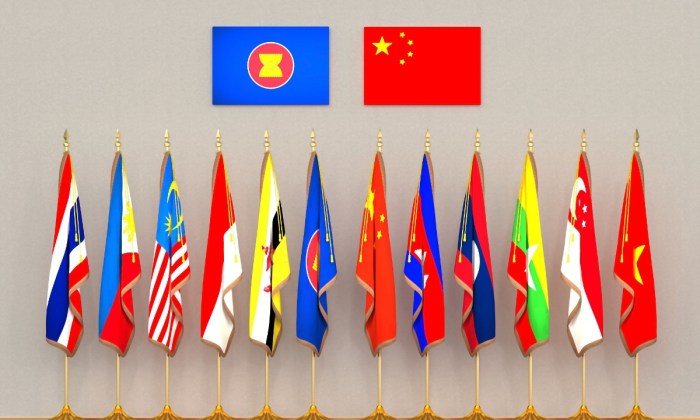
The burgeoning partnership between China and ASEAN in industrial and supply chain cooperation presents a unique set of challenges and opportunities. While the potential for mutual benefit is significant, navigating these complexities is crucial for maximizing the positive outcomes of this collaboration.
Addressing Key Challenges
The successful strengthening of industrial and supply chain cooperation between China and ASEAN requires a proactive approach to addressing key challenges. These challenges can be categorized into several key areas:
- Infrastructure Gaps:Differences in infrastructure development across ASEAN countries can hinder efficient logistics and transportation, impacting the smooth flow of goods and services.
- Regulatory Inconsistencies:Disparities in regulations, standards, and policies across countries can create complexities for businesses operating in multiple markets, leading to delays and increased costs.
- Trade Barriers:Non-tariff barriers, such as customs procedures, technical standards, and product certification, can impede trade flows and limit market access.
- Skills and Capacity Building:Ensuring a skilled workforce with the necessary technical expertise is crucial for supporting the growth of industries and fostering innovation.
- Digital Divide:Uneven access to technology and digital infrastructure can create disparities in the adoption of digital technologies and the development of digital economies.
Recommendations for Maximizing Benefits
Addressing these challenges requires a collaborative approach involving both China and ASEAN member states. Key recommendations include:
- Enhanced Infrastructure Development:Investing in transportation infrastructure, such as roads, railways, and ports, can facilitate seamless movement of goods and people, reducing logistical costs and improving connectivity.
- Harmonization of Standards and Regulations:Collaborative efforts to harmonize standards and regulations across countries can streamline trade processes, reduce bureaucratic hurdles, and create a more predictable business environment.
- Trade Facilitation Measures:Implementing trade facilitation measures, such as simplified customs procedures, electronic data exchange, and streamlined border crossings, can expedite trade flows and reduce transaction costs.
- Skills Development and Capacity Building:Investing in education and training programs to develop a skilled workforce, particularly in areas related to manufacturing, technology, and digitalization, is crucial for sustaining long-term growth.
- Digital Infrastructure Development:Promoting digital infrastructure development, including broadband connectivity, data centers, and digital platforms, can facilitate the adoption of digital technologies and foster innovation across the region.
Long-Term Vision and Future Cooperation
The China-ASEAN partnership holds significant promise for long-term economic growth and development. As global economic trends shift towards regional integration and value chains, the collaboration between China and ASEAN is poised to play a pivotal role in shaping the future of the Asia-Pacific region.
Key aspects of this future cooperation include:
- Deepening Economic Integration:Continued efforts to deepen economic integration through free trade agreements, investment promotion, and trade facilitation initiatives will strengthen regional economic ties and create a more integrated market.
- Promoting Innovation and Technology Transfer:Collaborative efforts in research and development, technology transfer, and innovation will drive economic growth and enhance competitiveness within the region.
- Strengthening Sustainable Development:Joint initiatives to promote sustainable development, including environmental protection, resource management, and climate change mitigation, will contribute to the long-term prosperity of the region.
- Fostering Regional Connectivity:Investing in infrastructure projects that enhance connectivity within the region, such as transportation corridors and energy networks, will promote trade, tourism, and investment flows.