AI Technology Modernizes Warehouse Management
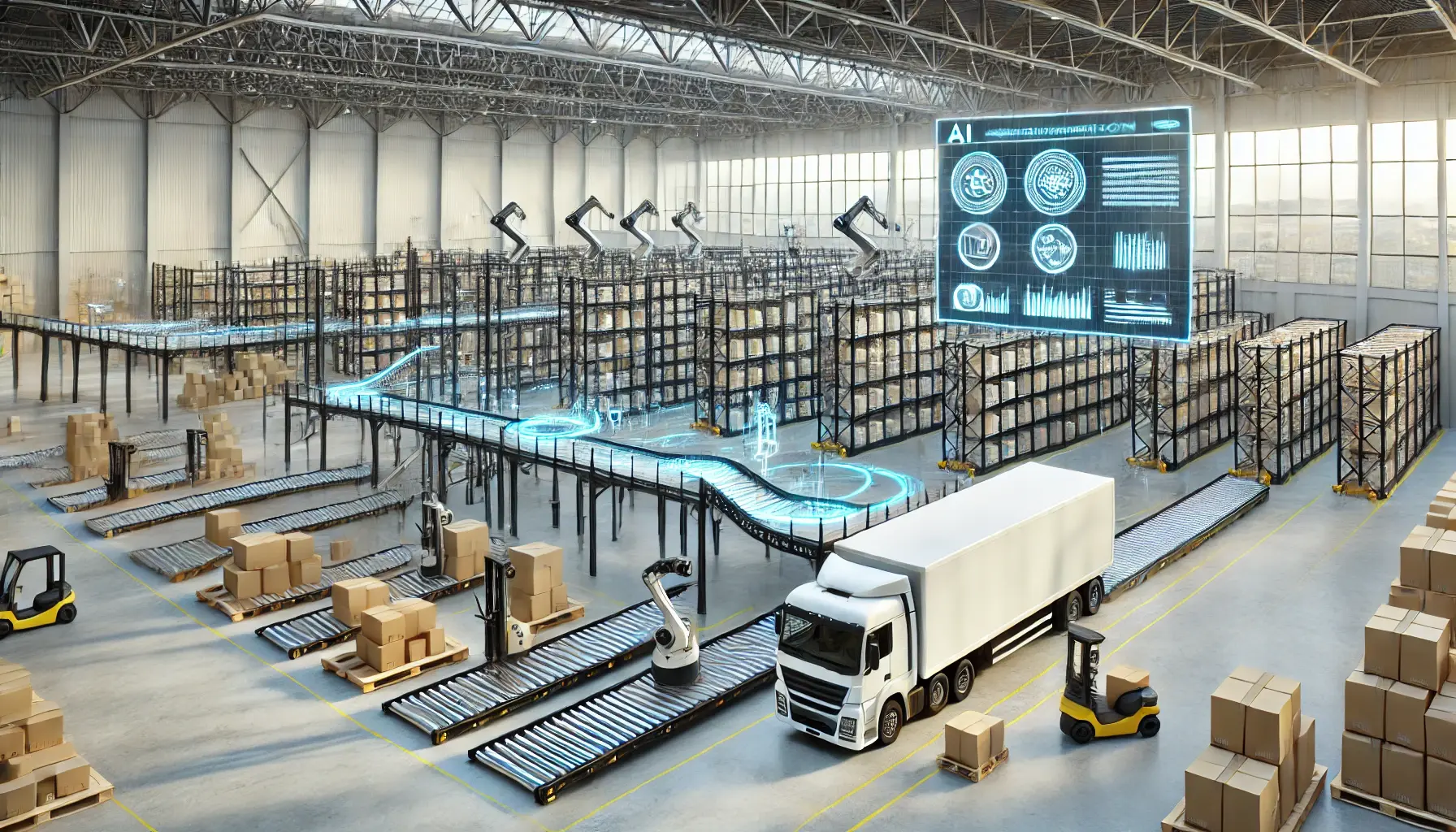
The integration of Artificial Intelligence (AI) is fundamentally transforming the landscape of warehouse management, moving operations from reactive problem-solving to proactive, data-driven optimization. This paradigm shift is driven by AI’s ability to analyze vast datasets, identify patterns, predict outcomes, and automate complex tasks, leading to significant improvements in efficiency, accuracy, cost reduction, and overall throughput. Modern warehouses are no longer simply storage facilities; they are becoming intelligent, interconnected hubs of logistical precision powered by AI. Key areas of AI’s impact include demand forecasting, inventory optimization, automated guided vehicles (AGVs) and autonomous mobile robots (AMRs), warehouse layout and slotting optimization, predictive maintenance, quality control, and enhanced workforce management.
Demand forecasting represents a critical initial application of AI in modern warehousing. Traditional forecasting methods often rely on historical sales data and statistical models that struggle to account for the dynamic nature of modern markets. AI, particularly machine learning algorithms, can analyze a multitude of variables beyond simple sales figures. These include macroeconomic indicators, weather patterns, social media trends, competitor pricing, promotional activities, and even global events. By ingesting and processing this diverse data, AI models can generate significantly more accurate demand predictions. This improved accuracy directly impacts inventory levels, preventing both stockouts (leading to lost sales and customer dissatisfaction) and overstocking (resulting in increased holding costs, obsolescence, and wasted space). Sophisticated AI algorithms can also identify emerging trends and seasonality with greater granularity, allowing for proactive adjustments to procurement and production schedules. The ability to forecast demand at a SKU level and for specific geographic regions further refines inventory placement and allocation within the warehouse, minimizing unnecessary internal transfers and expediting order fulfillment.
Inventory optimization is inextricably linked to accurate demand forecasting, and AI plays a pivotal role here. Beyond simply knowing how much to stock, AI addresses where and when to stock it. AI-powered inventory management systems can dynamically adjust reorder points and safety stock levels based on real-time sales velocity, lead times, supplier reliability, and predicted demand fluctuations. This leads to a leaner inventory, reducing capital tied up in goods and minimizing the risk of depreciation or spoilage. Furthermore, AI can facilitate dynamic slotting strategies. Instead of static placement, AI algorithms analyze product velocity, size, weight, and order correlation to suggest optimal locations for inventory items. Fast-moving items can be placed closer to picking areas, while slower-moving or bulky items can be assigned to less accessible but more cost-effective zones. This continuous optimization process minimizes travel time for pickers and reduces the risk of stock damage during movement. AI also enables sophisticated cycle counting and perpetual inventory systems, reducing the need for disruptive annual physical inventories and ensuring greater accuracy in real-time.
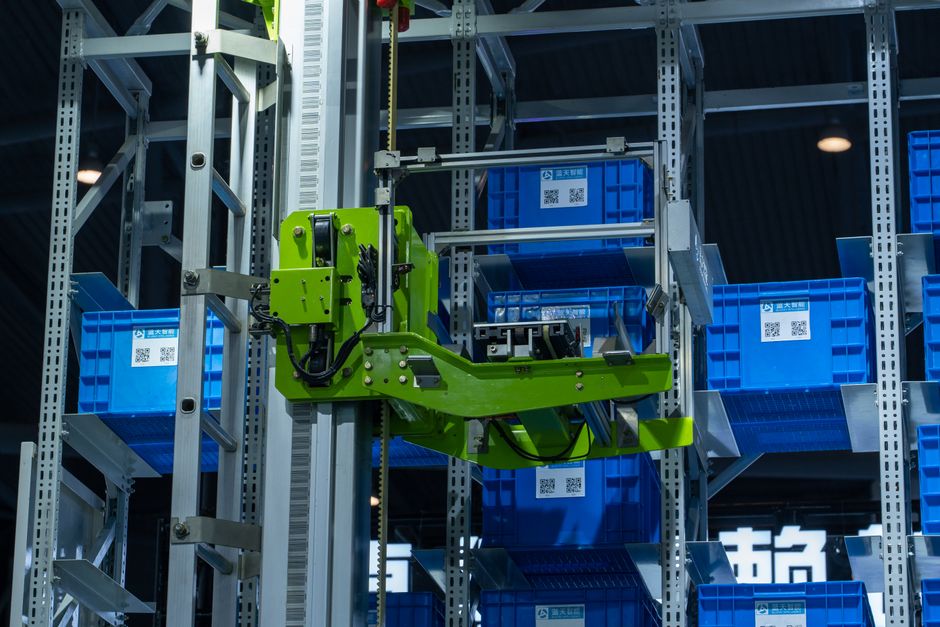
The rise of Automated Guided Vehicles (AGVs) and Autonomous Mobile Robots (AMRs) is one of the most visible manifestations of AI in warehousing. While AGVs typically follow predefined paths, AMRs, powered by advanced AI, computer vision, and sophisticated navigation algorithms, can dynamically navigate complex warehouse environments, identify obstacles, and collaborate with human workers. AI enables these robots to make intelligent decisions in real-time, rerouting themselves to avoid congestion, safely picking up and dropping off goods, and optimizing their routes for maximum efficiency. This automation significantly reduces the reliance on manual labor for repetitive and physically demanding tasks like moving pallets, transporting goods between zones, and even picking individual items. The benefits are manifold: increased speed and throughput, reduced labor costs and associated risks of injury, and the ability to operate 24/7. AI-powered fleet management systems optimize the deployment and utilization of these robots, ensuring that the right robot is in the right place at the right time, coordinating their movements to avoid collisions and maximize productivity.
Warehouse layout and slotting optimization, as mentioned, are continuously refined by AI. Beyond static recommendations, AI can perform real-time simulations of different warehouse configurations and slotting strategies. By analyzing order patterns, picking times, and labor allocation, AI can identify bottlenecks and suggest improvements to flow paths, aisle configurations, and storage unit placement. This data-driven approach moves beyond anecdotal evidence or gut feelings, providing objective recommendations for maximizing space utilization and minimizing operational friction. AI can also predict the impact of changes to product mix or order volume on existing layouts, allowing for proactive adjustments before inefficiencies arise. This dynamic optimization ensures that the warehouse adapts to changing business needs rather than remaining a static entity.
Predictive maintenance is a crucial, often unseen, benefit of AI in modern warehouses. Traditional maintenance is often reactive (repairing equipment after it breaks) or scheduled (performing maintenance at fixed intervals, regardless of actual need). AI transforms this by analyzing sensor data from warehouse equipment such as conveyors, forklifts, robots, and sorters. Machine learning algorithms can detect subtle anomalies and patterns in vibration, temperature, power consumption, and operational performance that indicate potential equipment failure. By predicting when a piece of machinery is likely to fail, maintenance can be scheduled proactively during planned downtime, preventing costly unplanned breakdowns, production delays, and potential safety hazards. This also extends the lifespan of equipment and reduces the need for emergency repairs, saving on both labor and parts costs.
Quality control is another area where AI is making significant inroads. AI-powered computer vision systems can be deployed on production lines, at receiving docks, or during picking and packing operations to inspect goods for defects. These systems can identify imperfections, damage, or incorrect items with greater speed and consistency than human inspectors. For example, AI can analyze images of incoming goods to ensure they match purchase orders, or inspect outgoing packages for damage before they are shipped. This not only improves product quality but also reduces returns, customer complaints, and associated costs. AI can also be used to analyze data from quality control processes to identify root causes of defects, enabling continuous improvement in product handling and storage.
Enhanced workforce management is a less direct but equally important contribution of AI. While AI automates many tasks, it also empowers human workers. AI can provide real-time performance feedback and training recommendations to individual employees, helping them improve their efficiency and accuracy. AI-powered scheduling tools can optimize labor allocation based on predicted workload, ensuring that the right number of staff are available at the right times, minimizing overtime and idle time. AI can also enhance safety by identifying potential hazards in real-time and alerting workers, or by analyzing accident data to pinpoint areas for improved safety protocols. Furthermore, AI can support the integration of human workers with robotic systems, creating a collaborative environment where humans focus on higher-value tasks that require judgment and dexterity, while robots handle repetitive or dangerous operations.
The implementation of AI in warehouse management necessitates robust data infrastructure and cybersecurity. AI models are only as good as the data they are trained on and process. Therefore, modern warehouses are investing in comprehensive data collection systems, including sensors, barcode scanners, RFID tags, and integration with enterprise resource planning (ERP) and warehouse management system (WMS) software. Data lakes and advanced analytics platforms are becoming essential to store and process this information. Cybersecurity is paramount, as a compromised AI system could lead to significant operational disruptions, data breaches, and financial losses. Implementing strong access controls, encryption, and continuous monitoring is critical to safeguarding AI-powered warehouse operations.
The return on investment (ROI) for AI in warehouse management is becoming increasingly clear. Beyond the direct cost savings from reduced labor, fewer errors, and optimized inventory, AI contributes to intangible benefits such as improved customer satisfaction through faster and more accurate deliveries, enhanced brand reputation, and greater operational agility in responding to market changes. The ongoing advancements in AI, particularly in areas like natural language processing (NLP) for voice-directed picking and generative AI for process simulation, promise even more transformative applications in the future. Warehouses that embrace AI are not just modernizing; they are future-proofing their operations, positioning themselves for sustained success in an increasingly competitive global marketplace. The journey towards fully autonomous and intelligent warehouses is well underway, driven by the relentless innovation and demonstrable benefits of AI technology.
