Transforming a Carport into a Dream Outdoor Porch: A Before & After Guide
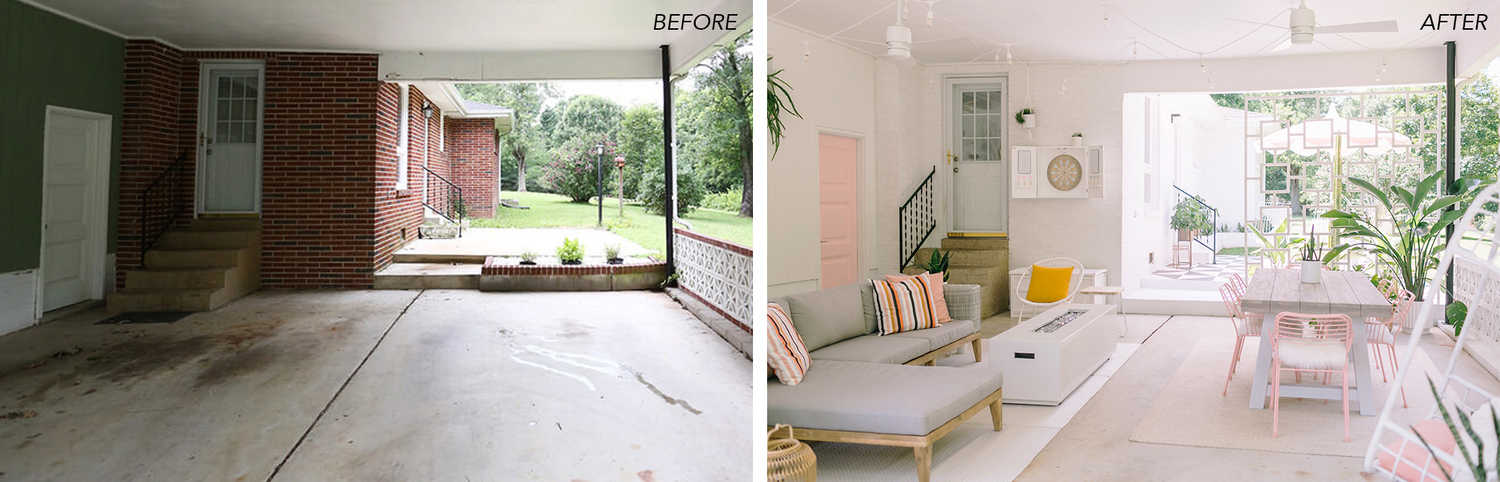
The transformation of a carport into an outdoor porch is a significant home improvement project that can dramatically enhance both the functionality and aesthetic appeal of your property. This comprehensive guide details the process, from initial planning and design to the final finishing touches, offering a practical roadmap for homeowners looking to undertake this rewarding renovation. We’ll explore the "before" state of a typical carport – often a utilitarian, uncovered slab – and walk through the "after" vision of a welcoming, usable outdoor living space, highlighting key considerations and steps involved in making this transition a reality. The goal is to create a seamless extension of your home, providing a comfortable and inviting area for relaxation, entertainment, and enjoying the outdoors. This project typically involves structural changes, material selections, and attention to detail that elevates a basic shelter into a true destination within your property.
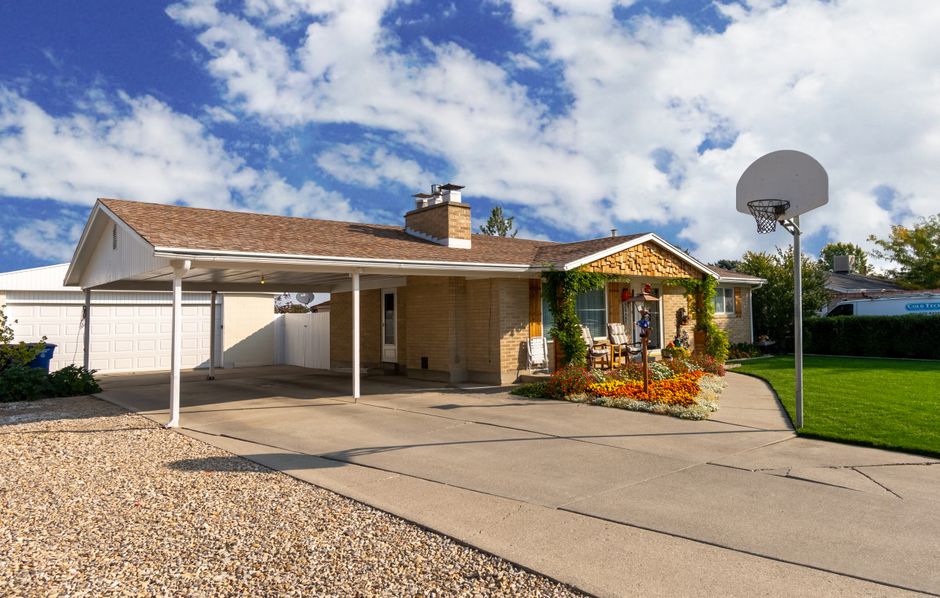
The initial stage of this conversion centers on a thorough assessment of the existing carport. This "before" snapshot usually reveals a concrete slab, possibly with minimal structural support (like posts supporting a roof), and a complete lack of enclosure or finishing. The primary function is shelter for vehicles, not human habitation. We’ll detail how to evaluate the existing foundation for structural integrity, considering factors like concrete thickness, any cracks or damage, and its overall load-bearing capacity. Understanding the current limitations is crucial for planning the necessary upgrades. This might involve reinforcing the slab, extending it, or ensuring it can adequately support the weight of a more substantial porch structure. Furthermore, the existing roof of the carport, if any, will need to be assessed. Is it sufficient for a porch, or will it require replacement or significant modification to provide the desired aesthetic and weather protection? These early evaluations form the bedrock of a successful and safe renovation.
Design and planning are paramount for a successful carport-to-porch conversion. The "before" state offers a blank canvas, and the "after" vision needs to be carefully curated. This involves defining the purpose of your new porch: Will it be a dining area, a lounge space, a combination of both, or something else entirely? This decision will influence the size, layout, and specific features you incorporate. Consider the architectural style of your existing home to ensure the new porch complements its appearance. Researching various porch designs, materials, and functionalities is a vital part of this phase. This might include exploring options for roofing (e.g., pitched roof, flat roof, pergola attachment), flooring (e.g., wood decking, composite decking, pavers), railings, and decorative elements. Creating detailed sketches or utilizing design software can help visualize the final outcome and identify potential challenges before construction begins. Obtaining necessary building permits is also a critical step, ensuring your project complies with local building codes and regulations, which often dictates structural requirements, setbacks, and material specifications.
Structural modifications are often the most significant undertaking in transforming a carport. The "before" carport is designed for vehicular load and basic overhead protection; the "after" porch needs to be a habitable extension of your home. This typically involves building a more robust frame. If the existing carport roof is merely a flat slab, it will likely need to be replaced with a pitched roof system that offers better water runoff and a more aesthetically pleasing appearance. This might involve framing with lumber or steel, depending on the desired span and design. The installation of posts or columns to support the new roof structure is a key element. These should be properly anchored into the ground (e.g., with concrete footings) to ensure stability and safety. If the existing concrete slab is insufficient for the new structure or the intended use (e.g., outdoor kitchen with heavy appliances), it may need to be widened, thickened, or reinforced. This could involve pouring a new concrete slab or adding a subfloor system on top of the existing one. The integration of the new porch structure with the existing home’s foundation and walls must also be carefully considered and executed to ensure a seamless and weather-tight transition.
Material selection plays a crucial role in both the durability and the aesthetic appeal of your new outdoor porch. The "before" carport likely features utilitarian concrete. The "after" porch demands materials that are both functional and attractive. For flooring, consider the longevity, maintenance, and style. Wood decking (cedar, redwood, pressure-treated pine) offers a classic look but requires regular sealing and staining. Composite decking provides a low-maintenance alternative with a variety of finishes. Pavers or flagstone can create a natural, rustic feel. For the roof structure, materials like shingles, metal roofing, or even polycarbonate panels can be used, each offering different levels of durability, insulation, and cost. Railings are essential for safety on raised porches and can be made from wood, metal, vinyl, or glass, allowing for a wide range of design possibilities. Lighting is another critical component; consider ambient lighting for atmosphere, task lighting for specific areas, and safety lighting for steps and walkways. The choice of fasteners, sealants, and finishes will also impact the longevity and appearance of your porch.
The transition from an open carport to a semi-enclosed or fully enclosed porch often involves the addition of walls, screens, or other protective elements. The "before" is completely exposed. The "after" might offer varying degrees of enclosure. This can range from simple privacy screens or partial walls to full-fledged screened-in porch systems. Screened-in porches offer protection from insects while still allowing for airflow and an outdoor feel. This typically involves building a framing system and then installing insect screening, often reinforced with aluminum or fiberglass. Partial walls can provide windbreaks and define specific areas of the porch. Incorporating features like built-in seating, planters, or even outdoor kitchen components can further enhance the functionality and aesthetic of the enclosed space. The connection between the new porch and the existing house should be carefully sealed to prevent water infiltration and drafts.
Finishing touches are what truly elevate a functional space into a welcoming outdoor living area. The "before" carport is stark and unfinished. The "after" porch is designed for comfort and enjoyment. This stage involves painting or staining all exposed wood surfaces to protect them from the elements and enhance their visual appeal. Installing appropriate hardware, such as door handles, hinges, and decorative accents, adds personality and completes the look. The selection and arrangement of outdoor furniture are critical for creating a comfortable and inviting atmosphere. Consider weather-resistant cushions and upholstery. Adding decorative elements like outdoor rugs, potted plants, string lights, and outdoor art can personalize the space and make it feel more lived-in and inviting. This is where the vision of the "after" truly comes to life, transforming a utilitarian structure into a cherished extension of your home, perfect for entertaining guests or simply relaxing in comfort.
The functional benefits of converting a carport into an outdoor porch are substantial. The "before" offered minimal utility beyond vehicle shelter. The "after" provides a versatile, multi-purpose living space. It extends your home’s usable square footage, creating a dedicated area for outdoor dining, entertaining, or quiet relaxation. This can significantly increase your property’s value and curb appeal. A well-designed porch can also provide a buffer between your home and the elements, reducing energy costs by offering an additional layer of insulation. It can create a safe and enjoyable space for children to play outdoors, protected from direct sun or light rain. The psychological benefits are also noteworthy; having a dedicated outdoor retreat can improve quality of life, reduce stress, and encourage more time spent outdoors, fostering a deeper connection with nature and a more relaxed lifestyle. This transformation is not just about adding square footage; it’s about enhancing your lifestyle.
The "before" state of a carport is a utilitarian slab with a roof, primarily serving as a shelter for vehicles. It’s exposed to the elements, lacks comfort, and offers no aesthetic appeal as a living space. In contrast, the "after" vision is a beautifully crafted extension of the home, a designated outdoor room that invites use and enjoyment. This transformation typically involves a complete overhaul of the structure. The concrete slab, if retained, is often enhanced or integrated into a new flooring system. The roof is usually replaced with a more architecturally pleasing and functional design, such as a pitched roof with proper insulation and weatherproofing. Posts are added for structural support and visual appeal. Railings are incorporated for safety and to define the space. The addition of elements like screens, partial walls, or even full windows can create varying degrees of enclosure, from a breezy pavilion to a cozy sunroom. The "after" is characterized by thoughtful design, quality materials, and meticulous craftsmanship, resulting in a space that is both beautiful and highly functional, a true outdoor sanctuary.
The cost of converting a carport into an outdoor porch can vary significantly based on the scope of the project, the materials chosen, and the local labor rates. While the "before" state represents minimal investment beyond the initial construction of the carport itself, the "after" requires a substantial financial commitment. Factors influencing cost include the extent of structural modifications (e.g., foundation work, roof replacement), the type of flooring selected (wood vs. composite vs. pavers), the choice of roofing materials, the inclusion of railings, the complexity of any enclosure (screening, windows), and the addition of electrical outlets or lighting. Obtaining multiple quotes from experienced contractors is essential for accurate budgeting. It’s also important to factor in the cost of permits, design fees (if applicable), and unforeseen issues that may arise during construction. While it is an investment, the increase in property value and the enhanced quality of life often make it a worthwhile endeavor.
Maintenance of the "after" porch is a critical consideration to ensure its longevity and continued beauty. Unlike the minimal maintenance of a "before" carport, the new porch will require ongoing care. For wooden decks, regular cleaning, sealing, and staining are necessary to protect against rot, insects, and UV damage. Composite decking is generally lower maintenance, requiring occasional cleaning with soap and water. Railings, especially those made of wood, will also need regular inspection and refinishing. Regular checks for any signs of wear and tear, loose fasteners, or water damage are crucial. Prompt attention to minor issues can prevent them from becoming major, costly repairs. Keeping the porch clean and free of debris, such as leaves and dirt, will also help maintain its appearance and prevent potential damage. Strategic placement of furniture and planters can also help protect the flooring and structure from excessive wear.
In conclusion, the transformation of a carport into an outdoor porch is a multi-faceted project that moves from a purely utilitarian structure to a vibrant, functional living space. The "before" represents a basic shelter, while the "after" embodies enhanced lifestyle, increased property value, and a dedicated area for enjoyment. This comprehensive guide has outlined the key stages involved, from initial assessment and design to structural modifications, material selection, and finishing touches. By carefully planning, choosing appropriate materials, and paying attention to detail, homeowners can successfully convert their carports into beautiful and inviting outdoor porches, creating a valuable and cherished extension of their homes. The journey from a simple shelter to a sophisticated outdoor oasis is achievable with foresight, effort, and a clear vision of the desired "after" state.

