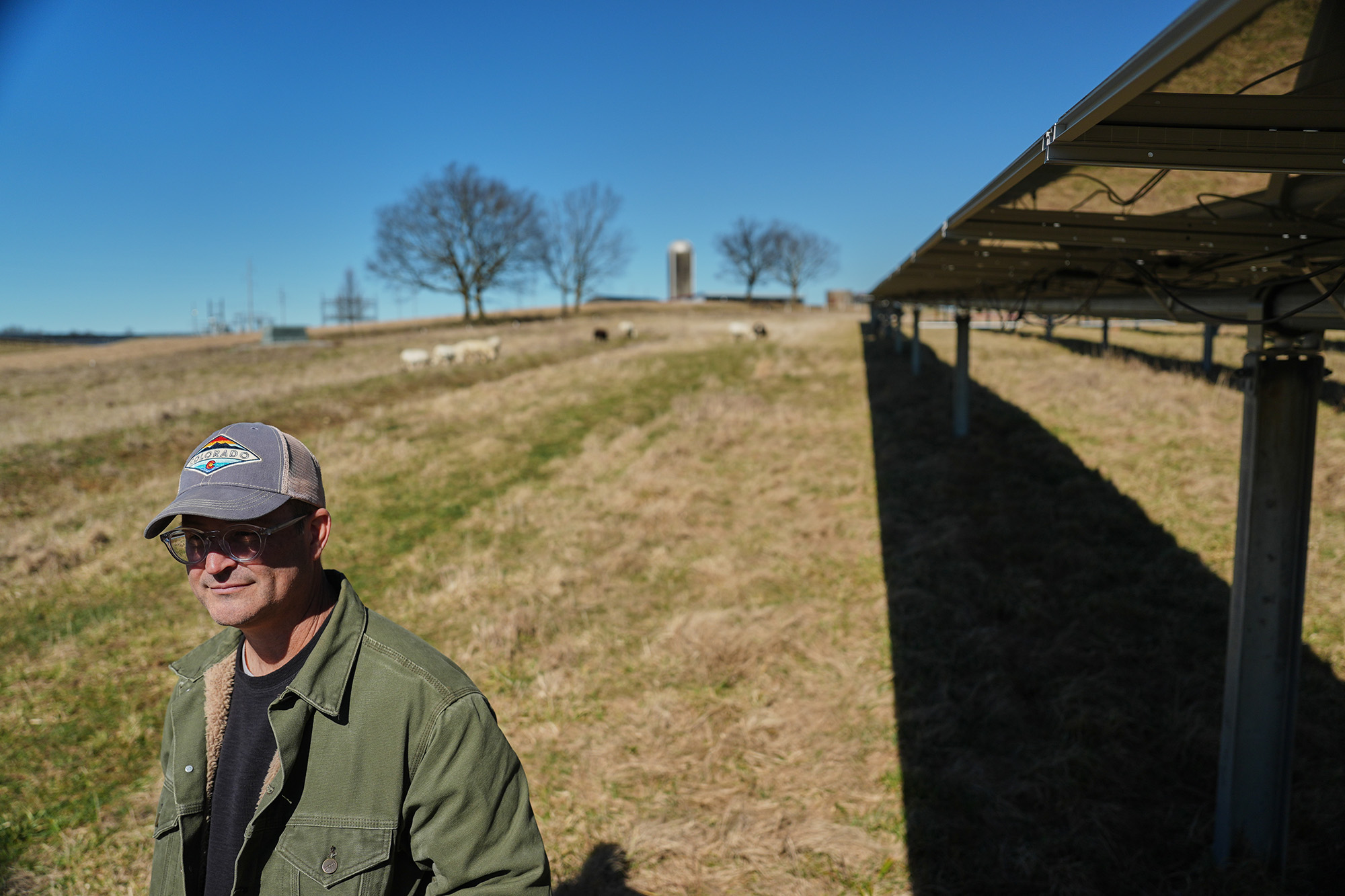
The landscape of American agriculture has long been defined by its resilience and adaptation to shifting economic tides. For Kentucky sheep farmer Daniel Bell, adaptation recently meant expanding his flock and planning a new barn to house them. However, with his acreage situated far from existing power lines, the cost of traditional electrification was prohibitive. Bell’s solution was a common one in modern farming: rooftop solar. By harnessing the sun, he hoped to secure what he called the "freedom to control my own assets" and the "freedom to lower bills."
Bell’s plan relied on a grant from the U.S. Department of Agriculture’s (USDA) Rural Energy for America Program, known as REAP. But his ambitions were halted when he discovered that the federal government had effectively suspended the very grants intended to support such transitions. Bell’s experience is not an isolated incident; it is a microcosm of a broader shift in federal energy policy that is reverberating across the United States, from small family farms to multi-million-dollar commercial energy developers.
The Federal Policy Pivot: From Expansion to Contraction
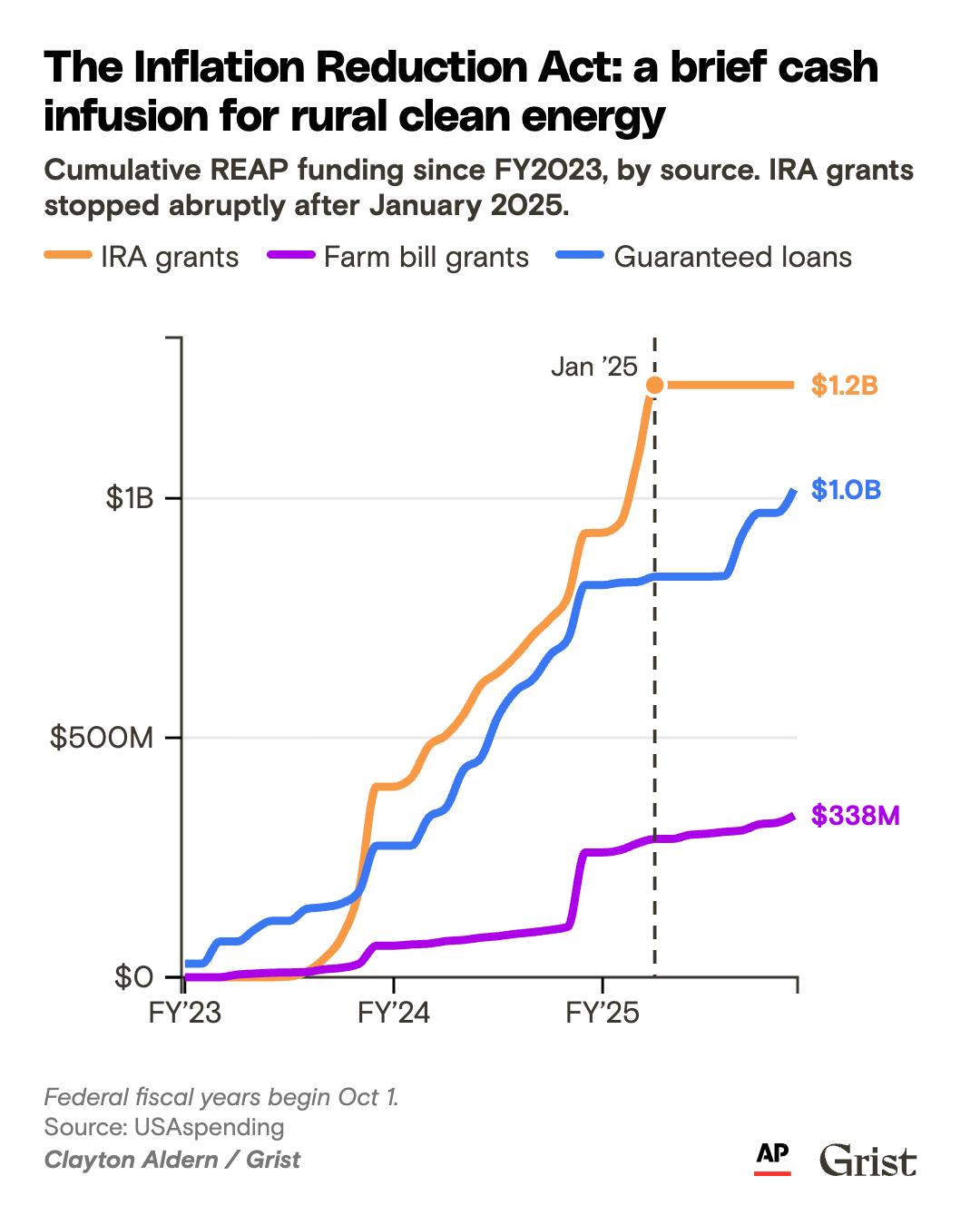
Over the past decade, solar energy has become a vital lifeline for farmers operating on razor-thin profit margins. For some, it is a way to slash overhead costs by powering barns, irrigation systems, and grain elevators. For others, leasing fallow land for commercial solar arrays provides a steady, weather-proof income stream. This growth was supercharged by the Inflation Reduction Act (IRA) of 2022, which funneled billions into rural energy initiatives.
However, the policy environment has shifted dramatically. A dual analysis of federal data by The Associated Press and Grist reveals that two pillars of rural solar growth—the REAP grant program and the clean energy investment tax credit—have been significantly rolled back or restructured. The findings are stark: in the current fiscal year, the USDA has not awarded a single dollar in rural energy grants or loan guarantees. Furthermore, a survey of nearly 300 developers indicates that millions of dollars in investment have already been lost as businesses scramble to adjust to new, truncated timelines for federal tax credits.
A Chronology of Incentives and Interruptions
The federal government’s involvement in solar energy is not a recent phenomenon. The foundation was laid with the Energy Policy Act of 2005, signed by President George W. Bush, which established a 30 percent investment tax credit for large-scale clean energy projects. This credit was viewed as a bipartisan success, receiving extensions under both the Obama and Trump administrations.
In 2022, the Biden administration’s Inflation Reduction Act extended these credits through 2032, providing a long-term horizon for developers to plan complex projects. However, the legislative landscape shifted again in July 2024 when a new tax bill was passed. This legislation effectively accelerated the expiration of these credits. Now, commercial solar projects must be under construction by July 2026 or operational by the end of 2027 to remain eligible.
For many developers, this change turned a marathon into a sprint. Bogdan Micu, CEO of Alpin Sun, a German developer with significant U.S. interests, reported that his company had to abandon projects representing $6 million in investment and 1,000 megawatts of potential power in the Northeast. The primary reason was the inability to meet the new, compressed deadlines due to local permitting and regulatory hurdles that were beyond the company’s control.
The Gutting of REAP: A Vital Resource Under Pressure
While large-scale developers grapple with tax credits, individual farmers are feeling the absence of REAP. Since its inception nearly 20 years ago, REAP has funded more than 19,000 grants totaling $1.8 billion. It has been instrumental in making renewable energy accessible to those who do not have the capital to invest in solar infrastructure upfront.
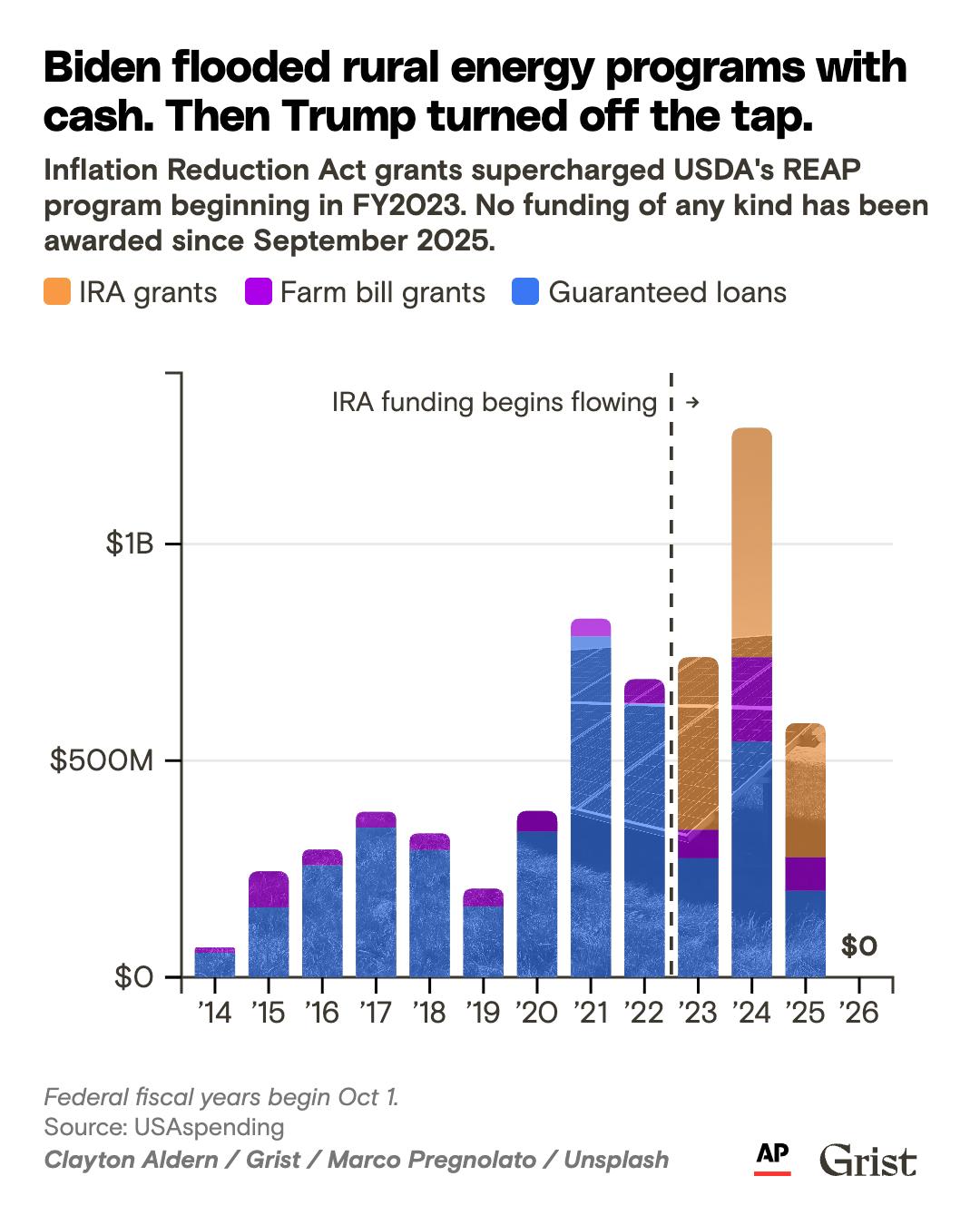
The program’s recent history has been one of "freeze and thaw." In early 2025, many grant recipients, such as Maryland flower farmer Elisa Lane, were notified that their previously awarded funds were being frozen. Lane, who had already contracted a solar company to install a $70,000 system on her farm, faced months of extreme anxiety, fearing she would be responsible for the full cost without the promised $30,576 reimbursement.
In March 2025, the USDA announced it would release some funds, but with a significant caveat: recipients were "invited" to revise their proposals to remove language related to climate mandates and Diversity, Equity, Inclusion, and Accessibility (DEIA) to align with new executive orders. While Lane eventually received her funding after months of delay, the program has since entered a state of total suspension. On March 31, 2025, the USDA officially paused all REAP grant awards to update regulations.
Data Analysis: The Stalled Capacity
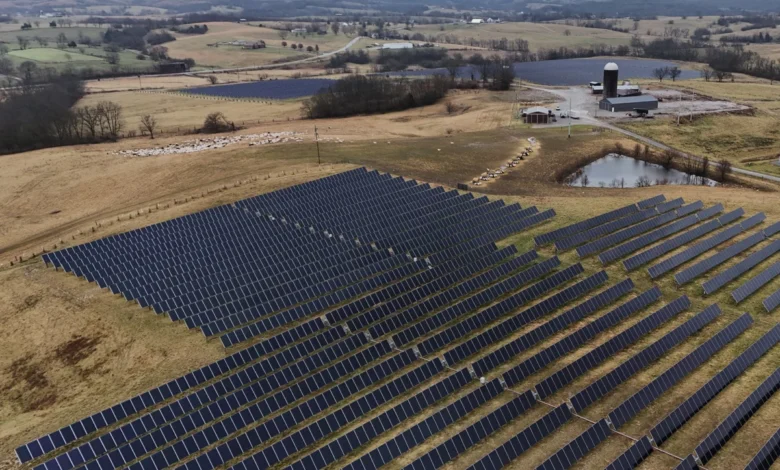
The impact of these policy changes can be quantified in the sheer volume of energy production currently in limbo. According to data provided to the Energy Information Administration, at least 126 solar projects proposed since early 2024 are awaiting regulatory approval. These projects are predominantly located on or near agricultural land, with at least 20 percent of the surrounding acreage dedicated to crops or grazing.
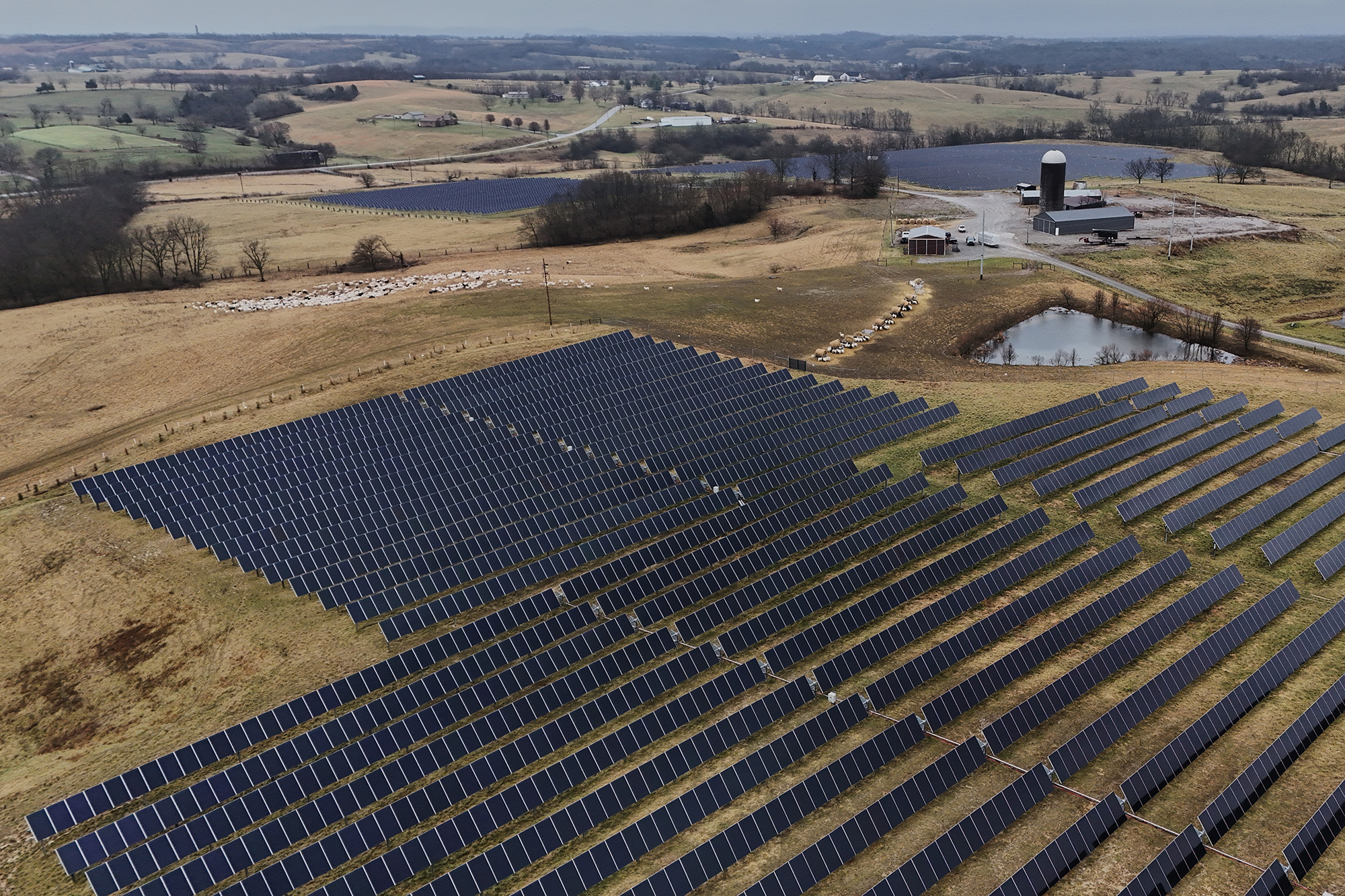
If completed, these projects would generate approximately 20 gigawatts of electricity—enough to power 4.5 million homes. The stalling of these developments represents a significant setback for the national energy grid’s diversification. For farmers like Tim Covert in Sheridan, New York, the delay is personal. Covert, a former dairy farmer recovering from cancer, leased 15 acres of his land for a community solar project to supplement his income. While he receives a small stipend for the lease, the larger payouts depend on the project being operational—a timeline that remains uncertain as federal support fluctuates.
Broader Economic and Agricultural Implications
The withdrawal of federal support creates an uneven playing field in rural America. Robert Bonnie, a former USDA undersecretary, noted that the loss of these programs is felt most acutely in the "pocketbooks" of farmers in states like Iowa and Texas, where renewables have become a staple of the local economy.
Interestingly, the current environment may inadvertently favor larger corporations over family farms. Nick Cohen, CEO of Doral LLC, a large-scale developer, observed that while the shifting rules are difficult for small players, they can be an advantage for "the big guys." Large firms often have the capital to proceed without immediate tax equity or the administrative staff to navigate rapidly changing regulations. This dynamic risks consolidating the benefits of the energy transition into the hands of a few major entities, rather than the distributed rural population the programs were originally designed to help.

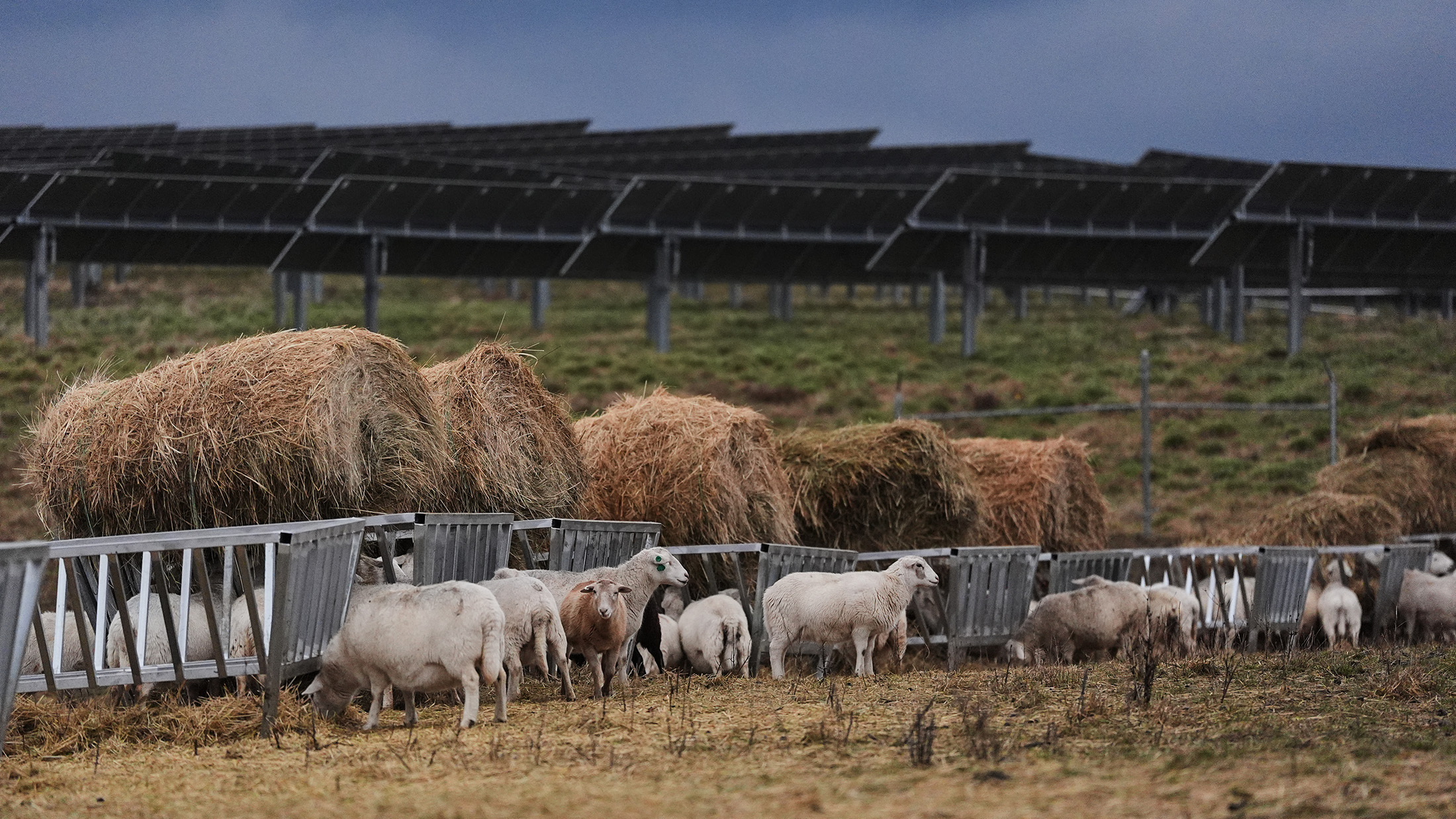
The concept of "agrivoltaics"—using land for both solar power and agriculture—is also at risk. Daniel Bell, the Kentucky farmer, has found a temporary workaround by grazing his sheep under the panels of a commercial solar operation. However, his original goal of energy independence on his own land remains out of reach.
Analysis of Future Outlook
The current suspension of REAP grants and the tightening of tax credits suggest a fundamental re-evaluation of the government’s role in the rural energy transition. Proponents of the rollbacks argue that they prioritize "program integrity" and align with a broader administrative shift away from climate-focused mandates. Critics, however, argue that these changes create market instability, discourage long-term investment, and punish farmers who took the government at its word when they applied for support.
The long-term demand for energy continues to rise, driven in part by the massive power requirements of AI data centers and the general electrification of the economy. Solar remains one of the most cost-effective forms of new energy generation. However, without the "bridge" provided by federal grants and predictable tax credits, the pace of adoption in rural areas is likely to slow significantly.
As the USDA continues its review and the 2026 tax credit deadline approaches, the agricultural community remains in a state of watchful waiting. For farmers like Daniel Bell and Elisa Lane, the "freedom" of energy independence has become entangled in a complex web of federal policy, leaving many to wonder if the sun is setting on a decade of rural energy growth. The outcome will determine not just the source of the nation’s power, but the economic viability of the American family farm in the 21st century.