Double Chocolate Mountain Cupcakes: A Delectable Guide for Bakers
Double Chocolate Mountain Cupcakes are a testament to the power of rich, decadent flavor, and a delightful challenge for home bakers seeking to elevate their dessert game. This article delves deep into the creation of these extraordinary treats, offering a comprehensive guide for achieving bakery-quality results. From selecting the finest cocoa powder to mastering the art of a towering, chocolatey frosting, this guide equips bakers with the knowledge and techniques necessary to conquer the Double Chocolate Mountain. We will explore the nuances of ingredient selection, the science behind a moist and tender crumb, and the visual appeal that transforms ordinary cupcakes into extraordinary edible art. This isn’t just about following a recipe; it’s about understanding the "why" behind each step, enabling adaptation and innovation for the truly adventurous baker.
The foundation of any exceptional cupcake lies in its ingredients, and for Double Chocolate Mountain Cupcakes, quality is paramount. The chocolate flavor originates from two primary sources: cocoa powder and melted chocolate. For the cocoa powder, consider using a high-quality Dutch-processed cocoa. Dutch-processing, which involves treating cocoa beans with an alkaline solution, results in a darker color, a milder, less acidic flavor, and a smoother texture compared to natural cocoa powder. This is crucial for achieving the deep, complex chocolate notes that define these cupcakes. Brands like Valrhona, Callebaut, or Ghirardelli offer excellent options. Natural cocoa powder, while acceptable, will yield a lighter, tangier chocolate flavor and might require adjustments to leavening agents. The melted chocolate component can be a semi-sweet or bittersweet chocolate, depending on your preference for sweetness. Opt for chocolate chips specifically designed for baking or a good quality baking bar. Avoid compound chocolate, as it contains vegetable fats and will not melt or emulsify as effectively, impacting the texture and flavor of the batter.
Beyond the chocolate itself, the fat component plays a critical role in cupcake moisture and tenderness. A combination of unsalted butter and a neutral-flavored oil, such as vegetable or canola oil, often yields the best results. Butter provides flavor and richness, while oil contributes to a consistently moist crumb that resists drying out, even when the cupcakes are cooled. Creaming the butter and sugar together until light and fluffy is a fundamental step that incorporates air into the batter, contributing to a tender texture. The sugar, in this case, granulated sugar, not only sweetens but also aids in the creaming process, creating a stable structure. For an even more intense chocolate flavor, consider incorporating a teaspoon of instant espresso powder into the dry ingredients. Espresso powder doesn’t impart a coffee flavor but rather amplifies the existing chocolate notes, adding depth and complexity.
The liquid ingredients are equally important for hydration and developing the batter’s structure. A combination of buttermilk and hot liquid, typically hot coffee or hot water, is often employed in chocolate cakes and cupcakes for several reasons. Buttermilk, with its acidity, reacts with baking soda, a common leavening agent in chocolate recipes, to create a tender crumb and a slightly tangy counterpoint to the sweetness. The hot liquid, whether coffee or water, serves a dual purpose. When added to cocoa powder, it "blooms" the cocoa, intensifying its flavor and aroma. Hot coffee, in particular, can further enhance the chocolate flavor, while hot water is a neutral choice if coffee is not desired. The temperature of the liquid is crucial; it should be hot but not boiling. This hot liquid also helps to dissolve the sugar and cocoa powder, ensuring a smooth and homogenous batter.
The leavening agents, typically baking soda and baking powder, work in tandem to provide the necessary lift for a light and airy cupcake. Baking soda requires an acidic component to activate, which is provided by the buttermilk and cocoa powder. Baking powder, on the other hand, contains its own acid and will activate with moisture and heat. Using both ensures a good rise and a stable cupcake structure that can support a substantial amount of frosting. When combining the dry ingredients, whisking them together thoroughly is essential to evenly distribute the leavening agents and prevent pockets of dense batter.
The method for combining wet and dry ingredients significantly impacts the final texture. The "muffin method" or "quick bread method" is often preferred for chocolate cupcakes. This involves combining the dry ingredients in one bowl and the wet ingredients in another, then gently folding the wet into the dry until just combined. Overmixing the batter can develop the gluten in the flour too much, resulting in tough and rubbery cupcakes. A few streaks of flour remaining are acceptable, as they will be incorporated during baking.
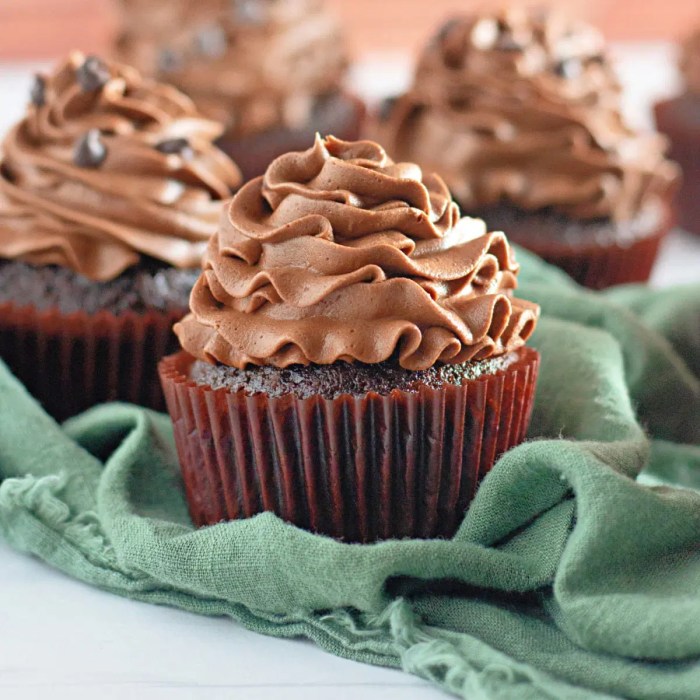
To create the "mountain" effect, the frosting is the undisputed star. A rich, intensely chocolatey buttercream is the obvious choice. While a simple American buttercream can be made with butter, powdered sugar, and cocoa powder, for a truly exceptional "mountain," consider a Swiss meringue buttercream or a French buttercream. Swiss meringue buttercream involves heating egg whites and sugar over a double boiler, then whipping them into a stable meringue before gradually incorporating softened butter and flavorings. This method produces a silky-smooth, stable frosting that is less prone to becoming greasy or grainy. French buttercream is even richer, incorporating egg yolks into the base, creating a custard-like consistency that is incredibly decadent.
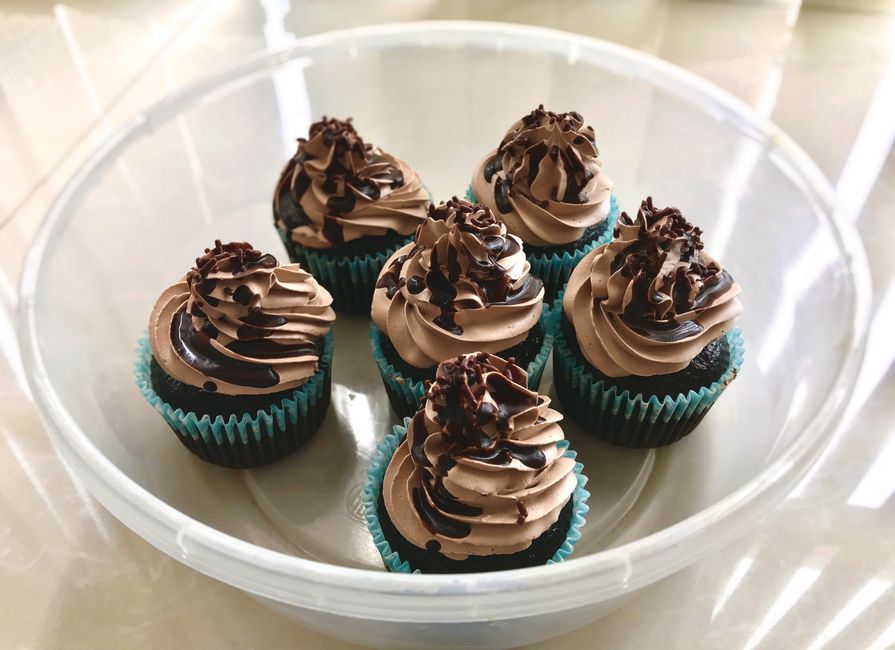
Regardless of the buttercream base, the chocolate component is key. High-quality cocoa powder, as discussed earlier, is essential. Melted, cooled chocolate can also be incorporated for an even deeper chocolate flavor and a denser, fudgier frosting texture. Consider adding a touch of espresso powder to the frosting as well, to further amplify the chocolate notes. Vanilla extract is a standard addition to enhance sweetness and balance the rich chocolate. For a true "mountain," the frosting should be generously applied, creating peaks and swirls that evoke the natural contours of a mountain range. Piping techniques are crucial here. A large open-star tip or a French star tip can create impressive textures and height. Don’t be afraid to build layers of frosting, using a spatula to sculpt and shape the "mountain" before adding the final piped details.
The visual appeal of Double Chocolate Mountain Cupcakes can be further enhanced with thoughtful garnishes. Dark chocolate shavings, curls, or even mini chocolate chips sprinkled generously over the frosting add another layer of chocolatey goodness and visual interest. For a touch of contrast, consider a dusting of unsweetened cocoa powder or a few carefully placed chocolate-covered espresso beans. Edible glitter or luster dust can add a subtle shimmer, mimicking the glint of snow on a mountain peak. However, it’s important not to overcrowd the cupcakes with too many garnishes; the towering frosting should remain the focal point.
The baking process itself requires attention to detail. Over-baking is the enemy of moist cupcakes. It’s essential to preheat the oven thoroughly to the specified temperature. Using a reliable oven thermometer is recommended, as oven temperatures can vary. Fill cupcake liners about two-thirds full to allow for proper rising. A consistent filling ensures that all cupcakes bake evenly. Baking time will vary depending on your oven and the size of your cupcakes, but typically ranges from 18-25 minutes. A toothpick inserted into the center should come out with a few moist crumbs attached, not wet batter.
Cooling is a critical step before frosting. Cupcakes should be removed from the baking pan and transferred to a wire rack to cool completely. Attempting to frost warm cupcakes will result in melted, messy frosting. Patience is a virtue when it comes to achieving perfectly frosted Double Chocolate Mountain Cupcakes.
Troubleshooting common issues can elevate your baking experience. If your cupcakes are dense, it could be due to overmixing the batter, using expired leavening agents, or an oven temperature that is too low. If your cupcakes are dry, it may indicate over-baking or insufficient fat or liquid in the batter. Frosting that is too soft might be due to insufficient powdered sugar, too much liquid, or the butter being too warm. Conversely, overly stiff frosting can be caused by too much powdered sugar or butter that is too cold. Understanding these common pitfalls allows for proactive adjustments and a more successful outcome.
For those seeking to explore variations, consider incorporating a surprise filling into the center of the cupcake. A molten chocolate ganache, a rich caramel, or even a raspberry coulis can add an extra dimension of flavor and excitement. These fillings should be added after the cupcakes have cooled and before frosting. A small cavity can be carefully scooped out of the center of the cooled cupcake to accommodate the filling.
The journey to creating perfect Double Chocolate Mountain Cupcakes is a rewarding one, offering a delicious and visually stunning result. By understanding the science behind each ingredient and technique, bakers can confidently craft these decadent delights. From the careful selection of cocoa and chocolate to the artful construction of a towering buttercream, every step contributes to the ultimate chocolate experience. These cupcakes are not merely a dessert; they are an edible masterpiece, a testament to the baker’s skill and passion for all things chocolate. They are perfect for special occasions, celebrations, or simply as an indulgent treat to brighten any day. The commitment to quality ingredients and precise execution is what transforms these cupcakes from ordinary to extraordinary, solidifying their place as a beloved chocolate confection. The "mountain" metaphor extends beyond mere appearance, suggesting a formidable and deeply satisfying flavor profile that rises above the ordinary. Mastering these Double Chocolate Mountain Cupcakes signifies a true accomplishment for any home baker.

