10 Essential SEO-Friendly Decorating Tips for Maximizing Small Rented Spaces
Maximizing the potential of a small rented space requires a strategic approach to interior design. Unlike owned properties, rental limitations often restrict permanent alterations, demanding creativity and resourcefulness. This article presents ten actionable, SEO-friendly decorating tips specifically tailored for small rented apartments, condos, and houses, focusing on strategies that enhance both aesthetics and functionality while adhering to lease agreements. Keywords like "small apartment decorating," "rented space ideas," "rental decor hacks," "space-saving solutions," and "budget-friendly rentals" are integrated throughout to improve search engine visibility and reach individuals seeking practical advice.
1. Embrace Vertical Space: The Untapped Dimension for Storage and Display
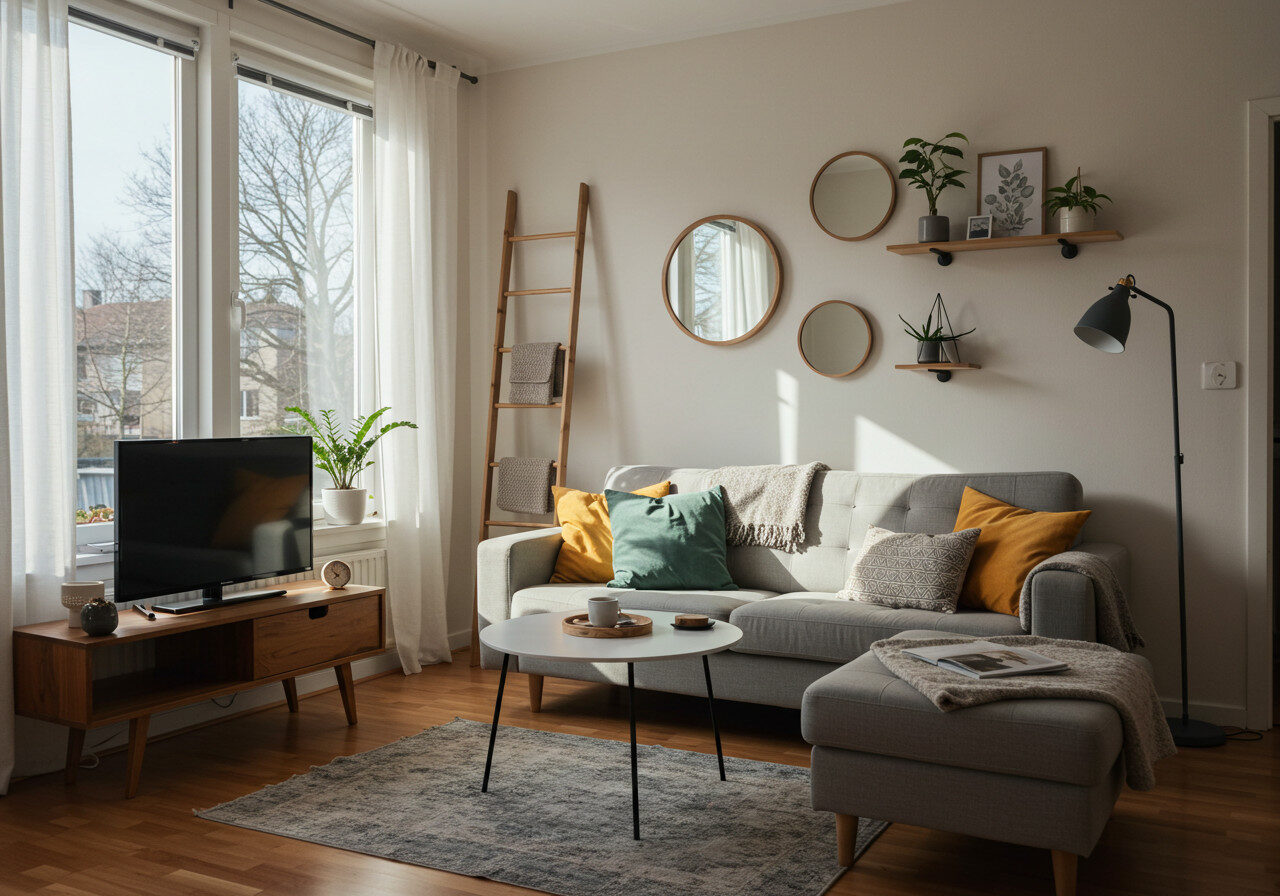
In cramped living quarters, the floor is a finite commodity. The most effective strategy for expanding perceived and actual space is to look upwards. Install tall, slender bookshelves that draw the eye vertically, creating an illusion of height and providing ample storage for books, decorative items, and even storage bins. Utilize wall-mounted shelving units, opting for floating shelves for a minimalist look that doesn’t overwhelm the walls. These are ideal for displaying art, plants, or everyday essentials. Consider vertical garden systems or hanging planters for a touch of greenery that occupies minimal horizontal real estate. Wall-mounted coat racks and hooks, positioned strategically near entryways and in bedrooms, keep clutter off the floor and make efficient use of often-underutilized wall space. For kitchens, magnetic knife strips and hanging pot racks can free up valuable counter and drawer space. When selecting vertical storage, prioritize pieces that are either freestanding and can be easily disassembled for moving or are designed for temporary wall mounting that won’t damage paint or plaster. Look for modular systems that can be adapted to different room layouts. Incorporating decorative ladders, which can serve as towel racks in bathrooms or blanket displays in living rooms, further leverages verticality with a touch of bohemian charm.
2. Strategic Mirror Placement: The Illusion of Expansion and Light
Mirrors are powerful tools in small space decorating. They reflect light, making a room feel brighter and more open, and visually double the perceived size of a space. Position large mirrors opposite windows to maximize natural light and reflect the view, creating a sense of depth. A floor-to-ceiling mirror can dramatically enhance the feeling of spaciousness in a narrow hallway or a compact living room. Consider a gallery wall of smaller mirrors of varying shapes and sizes for an eclectic and sophisticated look. Mirrored furniture, such as a mirrored console table or chest of drawers, can also contribute to this effect, bouncing light around the room and adding a touch of glamour. When choosing mirrors, opt for frames that complement your existing decor, whether it’s a sleek, frameless design for a modern aesthetic or an ornate, gilded frame for a more traditional feel. Grouping mirrors can create a focal point and draw attention away from the room’s limited square footage. Even a well-placed single mirror can transform the atmosphere of a dimly lit corner, making it feel more inviting and expansive. Remember that the reflection itself is as important as the mirror; ensure it reflects something visually appealing rather than clutter.
3. Multifunctional Furniture: The Cornerstone of Small Space Efficiency
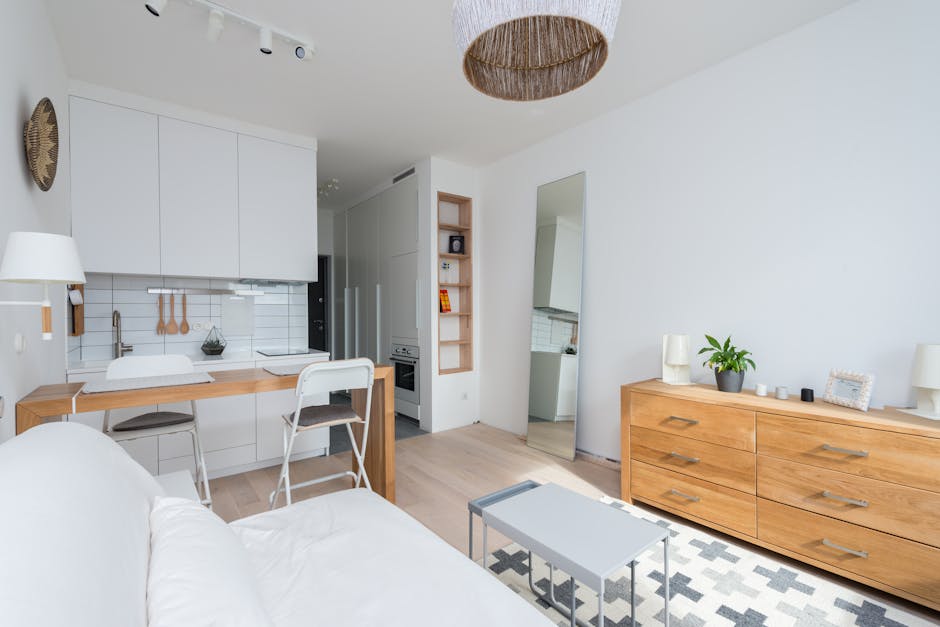
Every piece of furniture in a small rented space should ideally serve more than one purpose. Invest in items that offer dual functionality to maximize utility without sacrificing style. A sofa bed is a classic example, providing comfortable seating during the day and a guest bed at night. Storage ottomans are invaluable, offering a place to rest your feet, extra seating, and hidden storage for blankets, magazines, or toys. A coffee table with built-in drawers or shelves can house remotes, books, or coasters. Consider a murphy bed that folds away into the wall, transforming a bedroom into a functional living area during the day. A dining table that can be extended or folded down is essential for smaller dining areas or multi-purpose rooms. Wall-mounted desks that fold up when not in use are perfect for creating a home office without dedicating permanent floor space. Look for nesting tables, which can be pulled out when needed and tucked away neatly when not in use, offering flexible surface area. Upholstered benches with storage are ideal for entryways, providing a place to sit and store shoes or bags. The key is to choose pieces that are not only practical but also aesthetically pleasing and in line with your personal style. Smart storage integrated into furniture can significantly reduce the need for separate storage units, keeping the space feeling less cluttered.
4. Light and Neutral Color Palettes: The Foundation for an Airy Feel
Light and neutral colors are your best allies in making a small rented space feel larger and more inviting. Whites, creams, soft grays, and pale pastels reflect light, creating an illusion of greater space and airiness. Painting walls in these hues can make a room appear significantly more expansive. Consider using a lighter color on the ceiling to further enhance the sense of height. While embracing neutrals, don’t shy away from subtle variations in tone and texture to add depth and prevent the space from feeling sterile. Introduce pops of color through accessories like throw pillows, rugs, artwork, and decorative objects. This allows you to inject personality and warmth without overwhelming the senses. For renters, consider removable wallpaper in light patterns or subtle textures to add visual interest without permanent damage. The strategic use of a light-colored rug can also visually expand a room. Avoid dark, heavy colors on large surfaces, as they tend to absorb light and make a space feel smaller and more enclosed. If you love a bold color, use it sparingly as an accent.
5. Smart Lighting Solutions: Creating Ambiance and Illumination
Effective lighting is crucial for transforming a small rented space. Relying solely on overhead lighting can create harsh shadows and make a room feel flat. Layer your lighting by incorporating a mix of ambient, task, and accent lighting. Wall sconces provide ambient light without taking up floor or table space. Floor lamps and table lamps add warmth and can be strategically placed to illuminate reading corners or highlight decorative elements. Consider string lights or fairy lights for a cozy and magical ambiance, especially in bedrooms or living areas. For renters, plug-in options are ideal as they require no electrical work. Dimmers are a fantastic investment, allowing you to control the intensity of light and create different moods. Natural light is paramount, so ensure window treatments are light and airy, allowing maximum sunlight to enter. Sheer curtains or blinds that can be easily adjusted are excellent choices. Well-placed task lighting, such as under-cabinet lighting in the kitchen or a desk lamp for your workspace, improves functionality. The goal is to create a well-lit and inviting atmosphere that feels both functional and visually appealing.
6. Declutter Ruthlessly and Organize Effectively: The Unsung Hero of Small Spaces
This is perhaps the most impactful, yet often overlooked, tip for small space decorating. A cluttered space, no matter how beautifully decorated, will always feel smaller and more chaotic. Implement a rigorous decluttering process, parting with items you no longer need, use, or love. Once decluttered, focus on effective organization. Utilize every available storage opportunity. Inside cabinet doors, attach small organizers for cleaning supplies or toiletries. Over-the-door organizers are perfect for shoes, pantry items, or toiletries. Baskets and decorative bins are invaluable for corralling items on shelves and countertops, maintaining a tidy appearance. Categorize items and assign them specific homes to prevent clutter from accumulating. Regular "mini-declutters" can help maintain order. For renters, storage solutions that are easily portable and don’t require permanent installation are key. Think about investing in stackable storage containers that can be neatly tucked away in closets or under beds. The visual impact of an organized space is immense, making it feel more serene, spacious, and manageable.
7. Flexible and Movable Furniture: Adapting to Changing Needs
In a small rented space, flexibility is key. Opt for furniture that is lightweight and easy to move, allowing you to reconfigure your layout as needed. This is particularly useful if you entertain frequently or need to adapt your space for different activities. Consider furniture on casters, such as a bar cart that can double as a serving station or a mobile island in the kitchen. Ottomans and poufs are easily rearranged to create additional seating or be tucked away when not in use. Folding furniture, like chairs and tables, can be stored away when not needed, freeing up valuable floor space. This adaptability ensures your rented space can evolve with your lifestyle and needs, preventing it from feeling stagnant or restrictive. When selecting furniture, consider its weight and ease of assembly/disassembly for future moves. Prioritize pieces that can serve multiple purposes in different configurations.
8. Emphasize Texture and Layering: Adding Depth Without Clutter
Even in a small space, you can create visual interest and a sense of depth through the strategic use of texture and layering. Introduce a variety of textures through soft furnishings like plush rugs, woven throws, and decorative pillows with different weaves and materials. Wooden elements, such as a rustic side table or a woven basket, add warmth and natural texture. Incorporate metallic accents through lighting fixtures, picture frames, or decorative objects to add a touch of sophistication and bounce light around. Layering rugs can define zones within a larger open-plan space or add coziness to a smaller area. Avoid overwhelming the space with too many busy patterns; instead, focus on cohesive textures that complement each other. This approach adds visual richness without contributing to clutter, making the space feel more dynamic and lived-in. Consider textiles with tactile qualities that invite touch.
9. Personalize Thoughtfully with Art and Decor: Injecting Personality
Rented spaces don’t have to be generic. Personalizing your space with art and decorative items is crucial for making it feel like home. However, in a small space, it’s important to be selective and avoid overcrowding. Opt for a few well-chosen pieces of art that you love, rather than a multitude of smaller items. Consider a large statement piece of art that can serve as a focal point. If your landlord allows, command strips or removable adhesive hooks are excellent for hanging artwork without damaging walls. Personal photographs, strategically placed, can add warmth and sentiment. Bring in plants, which not only add color and life but also purify the air and can improve well-being. Choose plants that are suitable for indoor environments and consider their mature size to ensure they don’t overpower the space. Decorative objects, such as vases, sculptures, or curated collections, can add personality, but ensure they are not too numerous or bulky. The goal is to express your individuality without creating visual clutter.
10. Embrace Temporary Solutions for Walls and Floors: Rental-Friendly Transformations
Many renters hesitate to decorate due to fear of losing their security deposit. However, numerous rental-friendly solutions exist for transforming walls and floors. Removable wallpaper offers a fantastic way to add pattern and color to walls without permanent damage. Peel-and-stick tiles can revitalize kitchen backsplashes or bathroom floors. Rugs are your best friend for instantly upgrading floors. Choose rugs that are appropriately sized for the space; a rug that is too small can make a room feel even smaller. Consider layering rugs for added texture and warmth. If your landlord allows painting, opt for light, neutral colors that are easy to cover up when you move out. For a more significant impact without permanent changes, consider large-scale tapestries or fabric panels hung from curtain rods. Floating shelves that attach with strong adhesive strips are a renter’s dream for adding storage and display space. Always check your lease agreement for specific clauses regarding alterations before making any changes. The availability of temporary, stylish solutions empowers renters to create a comfortable and aesthetically pleasing living environment.

