Dreamy Photo Art Displays: Elevate Your Space with Ethereal Visuals
Transforming a living space into a sanctuary of personal expression and aesthetic delight is a universal desire. Among the myriad of decorative elements, photo art displays hold a unique power to capture moments, evoke emotions, and tell stories. When curated with a "dreamy" sensibility, these displays transcend mere decoration; they become portals to imagination, tranquility, and wonder. Dreamy photo art prioritizes soft lighting, evocative imagery, and a cohesive visual narrative, fostering an atmosphere that is both deeply personal and universally appealing. This article delves into the art and science of creating captivating dreamy photo art displays, exploring techniques, materials, and stylistic considerations that will resonate with homeowners and interior design enthusiasts alike.
The foundation of a dreamy photo art display lies in the selection of images. The term "dreamy" itself suggests qualities such as ethereal, fantastical, whimsical, and often, a touch of the surreal. Think of landscapes bathed in twilight hues, misty forests, softly blurred portraits, abstract light trails, or even digitally manipulated scenes that push the boundaries of reality. Keywords that align with this aesthetic include "ethereal photography," "dreamlike art," "surreal photo prints," "whimsical wall art," "moody landscapes," and "soft focus photography." When sourcing images, consider the emotional impact. Do they evoke a sense of peace, nostalgia, wonder, or gentle melancholy? Avoid jarring, overly saturated, or intensely graphic images that would disrupt the serene atmosphere. Instead, opt for photographs with a natural, organic feel, even if they are digitally enhanced. The color palette is crucial. Soft pastels, muted tones, desaturated blues, lavenders, and greens often contribute to a dreamy ambiance. Think of the colors found in a sunrise or sunset, a moonlit garden, or a foggy morning.
Framing plays an indispensable role in enhancing the dreamy quality of photo art. Traditional, ornate frames can sometimes overpower delicate imagery. Instead, consider minimalist, understated frames that allow the photograph to be the primary focus. Thin metal frames in brushed silver, gold, or black can provide a subtle elegance. Natural wood frames, especially those with a distressed or whitewashed finish, can add warmth and a touch of rustic charm that complements nature-inspired dreamy photos. For a truly ethereal effect, consider floating frames. These frames, typically consisting of two pieces of acrylic or glass with the print sandwiched in between, create the illusion that the artwork is suspended in air, adding to its otherworldly appeal. Another effective framing technique is to opt for canvas prints or metal prints without frames altogether. These modern presentations can lend a sleek, contemporary feel while allowing the dreamlike qualities of the image to shine. For a softer edge, consider fabric wraps or prints mounted on wood panels with eased edges. The key is to choose a frame or mounting style that complements, rather than competes with, the visual narrative of the artwork.
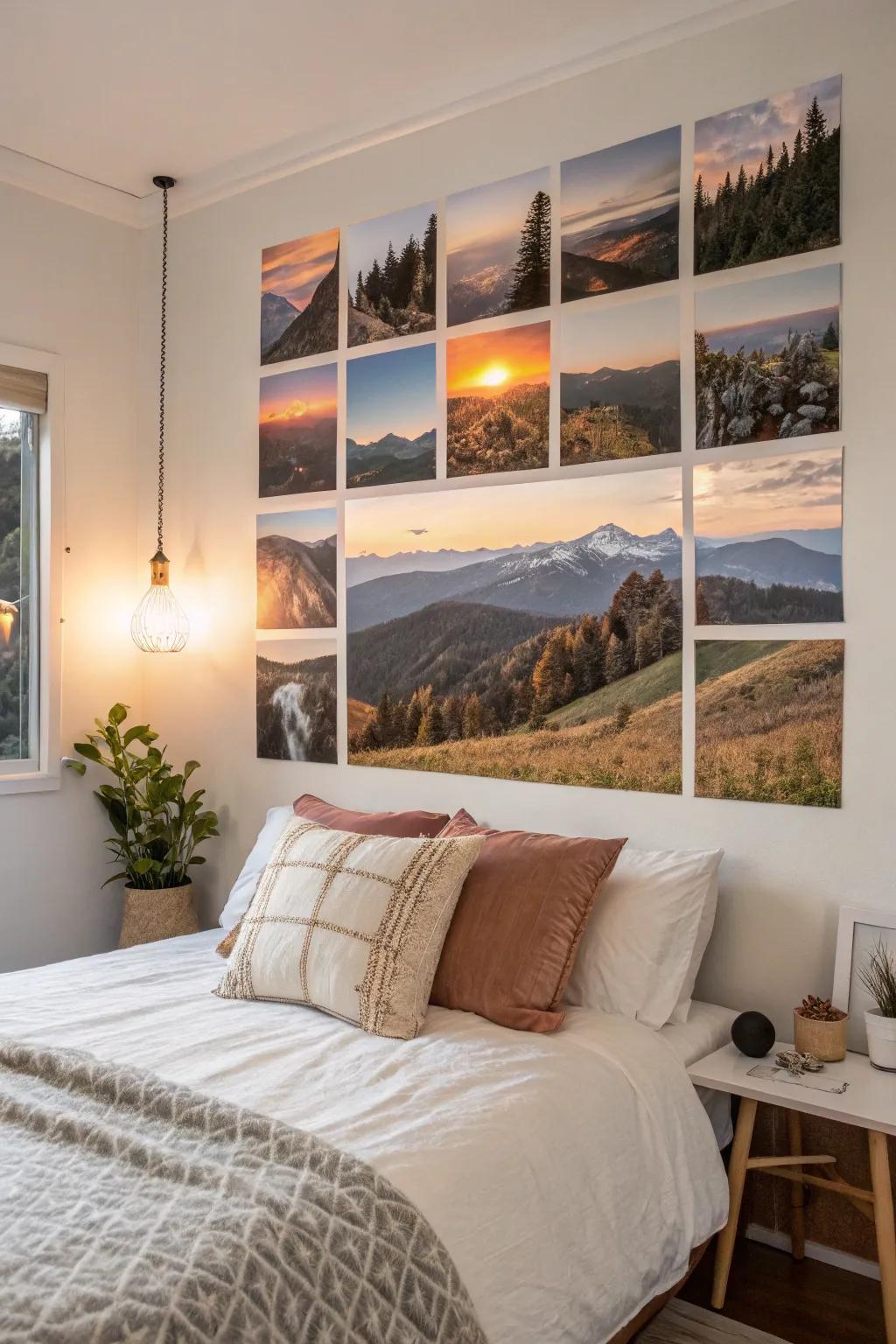
Lighting is not merely functional when creating a dreamy photo art display; it is an integral element of the aesthetic. The type and placement of lighting can dramatically alter the mood and perception of the artwork. Soft, diffused lighting is paramount. Avoid harsh, direct spotlights that can create glare and flatten the image. Instead, consider ambient lighting, such as lamps with fabric shades that cast a warm glow, or strategically placed wall sconces that provide indirect illumination. Fairy lights or string lights, particularly those with warm white bulbs, can add a magical, whimsical touch, especially when woven around or behind the displayed photographs. Consider backlighting for certain prints, which can create a halo effect and enhance the luminosity of the image. For a truly immersive experience, explore programmable LED lighting systems that allow for subtle color shifts and dimming, enabling you to adjust the ambiance to suit the mood or time of day. The interplay of light and shadow on the artwork is essential for achieving depth and a sense of mystery, further contributing to the dreamy aesthetic.
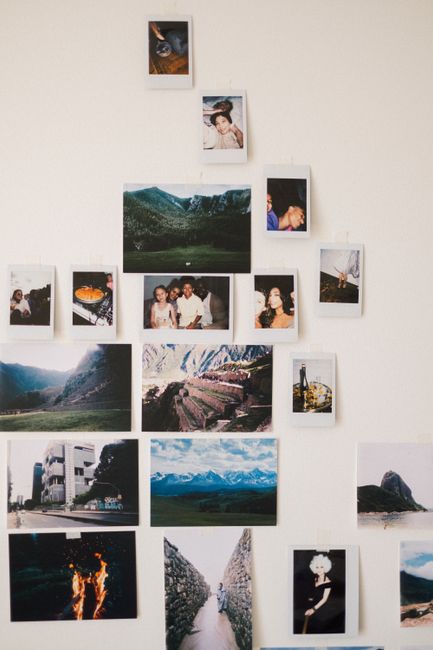
The arrangement and curation of a dreamy photo art display are as important as the individual pieces themselves. Think of creating a visual story or a cohesive mood rather than simply hanging random pictures. Groupings of photographs, often referred to as gallery walls, offer a fantastic opportunity to build a narrative. Consider a themed gallery wall featuring images of a specific natural landscape, a series of abstract light studies, or a collection of portraits with a consistent emotional tone. The rule of thirds can be a helpful guide for placement, ensuring visual balance. However, for a truly dreamy and organic feel, don’t be afraid to embrace asymmetry. Overlapping frames, varying sizes and orientations, and strategically placed negative space can create a sense of artistic freedom and dynamism. Consider incorporating other decorative elements that enhance the dreamy theme, such as delicate dried flowers, vintage trinkets, or small, sculptural pieces that echo the forms or colors within the photographs. The surrounding décor of the room should also harmonize with the photo display. Soft textures, plush fabrics, and a muted color palette in furniture and textiles will further enhance the tranquil and ethereal atmosphere.
Materiality is another key consideration for dreamy photo art displays. Beyond traditional paper prints, explore alternative mediums that can lend a unique texture and luminescence. Acrylic prints, for instance, offer a high-gloss finish that can enhance the vibrancy and depth of colors, creating a sense of illuminated imagery. Metal prints, particularly those on brushed aluminum, can lend a modern, almost celestial sheen to photographs, making them ideal for capturing starlit skies or misty mountain vistas. Canvas prints offer a softer, more painterly texture, which can lend a nostalgic or romantic feel to dreamy imagery. For a more tactile and handcrafted aesthetic, consider prints on wood or even fabric. These materials can introduce natural textures that evoke a sense of organic beauty and timelessness. The choice of material should align with the specific imagery and the overall mood you wish to create. A misty forest scene might look spectacular on a canvas, while a surreal cityscape might be best rendered on a high-gloss acrylic.
The concept of "dreamy" is often linked to storytelling. Your photo art display can be a powerful tool for narrative creation. Consider creating a series of images that depict a journey, a transformation, or a recurring motif. For example, a display could feature images progressing from dawn to dusk in a particular location, or a collection of portraits that capture different emotional states. Another approach is to use evocative titles or short descriptive captions, either subtly placed near the artwork or within a curated online gallery. Keywords associated with narrative and storytelling in art include "photo series," "visual narrative," "storytelling through art," "evocative imagery," and "conceptual photography." By carefully selecting and arranging images that hint at a larger story, you invite viewers to engage their imagination and construct their own interpretations, enhancing the dreamlike quality of the display.
The impact of negative space on a dreamy photo art display cannot be overstated. Ample breathing room around individual pieces or between clusters of artwork allows each image to be appreciated fully and contributes to an uncluttered, serene aesthetic. Instead of cramming every wall with art, strategically utilize blank spaces to create visual pauses and prevent the display from feeling overwhelming. This negative space acts as a visual palate cleanser, allowing the viewer’s eye to rest and the mood of the artwork to fully resonate. Keywords for this concept include "minimalist display," "strategic white space," "breathing room in art," and "balanced composition." In a dreamy context, negative space can further enhance the sense of vastness, mystery, or tranquility, much like the open sky in a landscape photograph.
Digital manipulation offers a powerful avenue for creating genuinely dreamy photo art. Techniques such as long exposure photography, light painting, and digital compositing can result in images that transcend reality. Consider blurring motion to create a sense of fluidity, layering textures for depth, or employing subtle color grading to evoke specific emotions. Keywords relevant here include "digital art," "photo manipulation," "surrealism in photography," "abstract art," and "experimental photography." When using digitally enhanced images, the framing and lighting become even more critical to maintain the delicate balance of the dreamlike aesthetic. The goal is to create visuals that feel both grounded and otherworldly, sparking curiosity and wonder.
The emotional resonance of dreamy photo art is its most significant selling point. These displays are not merely decorative; they are designed to elicit specific feelings and create an immersive atmosphere. A well-executed dreamy photo art display can transform a room from a functional space into a haven of peace, creativity, or introspection. Consider the psychology of color and composition in achieving this. Soft, cool colors tend to induce calmness, while gentle curves and flowing lines can evoke a sense of ease. The overall impression should be one of serenity, wonder, and gentle escapism. Keywords for this aspect include "emotional art," "mood-setting décor," "calming wall art," and "inspiring imagery."
In conclusion, creating a dreamy photo art display is a nuanced process that involves careful consideration of image selection, framing, lighting, arrangement, and materiality. By embracing techniques that foster an ethereal, whimsical, and emotionally resonant aesthetic, you can transform any space into a captivating visual sanctuary. The keywords explored throughout this article – from "ethereal photography" and "dreamlike art" to "mood-setting décor" and "visual narrative" – provide a framework for understanding and executing this sophisticated decorative approach. The ultimate goal is to curate a collection of images that not only adorn your walls but also transport your viewers, inviting them into a world of imagination and tranquility.

