
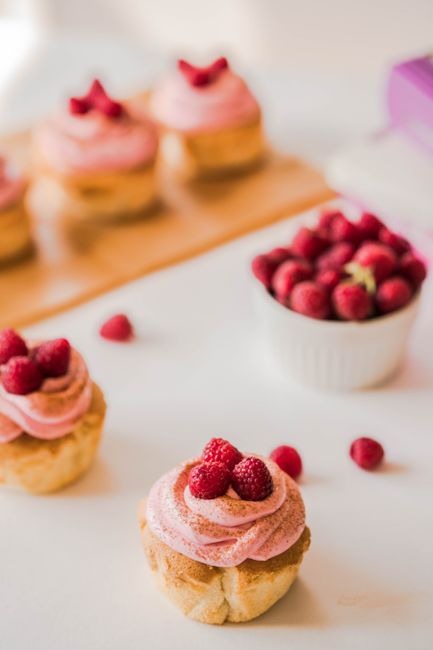
Vanilla Cupcakes with Raspberry Filling: A Deep Dive into Flavor, Texture, and Baking Perfection
The allure of a perfectly baked vanilla cupcake, crowned with a vibrant burst of raspberry filling, lies in its harmonious balance of classic comfort and bright, zesty surprise. This seemingly simple dessert is a masterclass in texture and flavor, offering a tender, moist crumb that yields to a sweet, slightly tart molten center. Achieving this ideal requires a nuanced understanding of ingredient function, precise technique, and careful temperature control. The vanilla base provides a canvas for the raspberry’s lively counterpoint, creating a sensory experience that is both familiar and exhilarating. This article will explore the intricacies of crafting exceptional vanilla cupcakes with raspberry filling, from the science behind a superior crumb to troubleshooting common baking pitfalls, and finally, the art of the perfectly integrated filling.
The foundation of any great cupcake is its cake base, and for a vanilla cupcake, this means prioritizing moisture and a tender crumb. The key lies in the fat-to-flour ratio and the leavening agents. Butter, when creamed properly with sugar, creates microscopic air pockets that expand during baking, contributing to a lighter texture. The fat from the butter also coats the flour particles, inhibiting excessive gluten development, which is crucial for tenderness. Over-developed gluten results in a tough, rubbery cupcake. Therefore, gentle mixing after the addition of dry ingredients is paramount. The sugar not only sweetens but also contributes to tenderness by interfering with gluten formation and by attracting moisture, keeping the cake moist for longer. A balance of granulated sugar for structure and possibly a touch of brown sugar for added moisture and a subtle caramel note can elevate the vanilla flavor profile.
Eggs are another vital component, providing structure, richness, and binding. The yolks contribute fat and lecithin, emulsifying the batter and adding a desirable density, while the whites, when whipped, can incorporate additional air for lightness. However, over-whipping egg whites for a cupcake base can lead to a dry, crumbly texture, so careful integration is key. The liquid component, typically milk or buttermilk, hydrates the flour, activates the leavening agents, and contributes to moisture. Buttermilk, with its inherent acidity, reacts with baking soda to produce carbon dioxide, fostering a finer, more tender crumb and a slight tang that complements the sweetness. The vanilla extract, the star of this particular cake, should be of high quality. Pure vanilla extract offers a more complex and nuanced flavor than imitation vanilla. Techniques like blooming the vanilla in a warm liquid can intensify its aroma and taste.
Leavening is critical for achieving the desired rise and airy texture. A combination of baking powder and baking soda is often employed. Baking powder contains both an acid and a base, reacting with moisture and heat to create lift. Baking soda, a base, requires an acid to activate, hence its common pairing with ingredients like buttermilk, yogurt, or sour cream. The timing of the reaction is important; both should be mixed into the dry ingredients and then activated when wet ingredients are added. Over-mixing after dry ingredients are incorporated can cause the leavening agents to exhaust their lift prematurely, resulting in flat cupcakes.
The raspberry filling presents its own set of challenges and opportunities. The goal is a filling that is distinctly raspberry in flavor, vibrant in color, and a pleasing contrast in texture to the soft cake. Using fresh or frozen raspberries is essential. If using frozen, ensure they are thawed and drained of excess liquid to prevent a watery filling. A simple raspberry compote, cooked down with sugar and a touch of lemon juice, is a popular choice. The sugar helps to thicken the compote and balance the tartness of the raspberries. Lemon juice brightens the berry flavor and adds a subtle acidity that cuts through the richness of the cupcake. Cornstarch or a similar thickener is often used to achieve the desired consistency. It’s important to cook the filling until it coats the back of a spoon, but not so long that it becomes jam-like, as it will continue to thicken as it cools. Alternatively, a raspberry puree folded into a cream cheese or buttercream frosting can offer a more integrated, swirled effect.
Achieving the perfect integration of raspberry filling into a vanilla cupcake can be approached in several ways. One popular method is to create a well in the center of the partially baked cupcake and spoon in the filling before continuing the bake. This allows the filling to meld with the cake as it finishes cooking. Another method involves baking the cupcakes fully and then hollowing out the center to insert the cooled filling. This offers more control over the amount of filling and ensures it remains distinct from the cake. A third option is to incorporate raspberry puree or jam directly into the cupcake batter, creating a marbled effect. This approach is less about a distinct "filling" and more about infusing the raspberry flavor throughout the cake.
Baking temperature and time are crucial for both the cake and the filling. Over-baking will lead to dry cupcakes, while under-baking will result in a gummy, underdeveloped crumb. The ideal oven temperature for cupcakes is typically around 325-350°F (160-175°C). This moderate heat allows the cupcakes to rise evenly and cook through without burning the exteriors before the interiors are done. Testing for doneness with a toothpick inserted into the center of the cake is a reliable method; it should come out clean or with a few moist crumbs attached. For cupcakes with a well filled with raspberry compote, the baking time may need slight adjustment, as the additional moisture from the filling can alter the cooking process. Monitoring the cupcakes closely in the final stages of baking is essential.
Troubleshooting common issues is an integral part of the baking process. If cupcakes are dry, it could be due to over-baking, too much flour, or not enough fat or liquid. Conversely, gummy cupcakes often indicate under-baking, too much liquid, or insufficient leavening. Cupcakes that sink in the center can be caused by opening the oven door too early, over-mixing the batter, or an imbalance in leavening agents. A tough crumb is almost always a sign of over-developed gluten, resulting from over-mixing. For the raspberry filling, a runny filling can be due to insufficient thickener or not cooking it down enough. A grainy texture in the filling can sometimes occur if the sugar is not fully dissolved or if the berries are cooked too quickly at a high heat.
The frosting choice is the final flourish for a vanilla cupcake with raspberry filling. A classic vanilla buttercream, either American, Swiss meringue, or Italian meringue, provides a sweet, creamy counterpoint. A cream cheese frosting offers a delightful tang that beautifully complements both the vanilla cake and the raspberry. For a more decadent experience, a raspberry-infused buttercream or a white chocolate ganache can be considered. The visual appeal of the finished product is also important for SEO. Vibrant raspberry filling peeking through a fluffy swirl of frosting, perhaps garnished with a fresh raspberry or a dusting of powdered sugar, creates an enticing image.
The process of creating these cupcakes can be broken down into distinct steps for clarity and ease of execution. First, prepare the raspberry filling, allowing it to cool completely. This ensures it won’t melt the cupcake batter or frosting. Next, preheat the oven and prepare the cupcake tins with liners. Cream the butter and sugar until light and fluffy, then incorporate the eggs one at a time, followed by the vanilla extract. In a separate bowl, whisk together the dry ingredients: flour, baking powder, baking soda, and salt. Alternately add the dry ingredients and the liquid (buttermilk or milk) to the butter mixture, beginning and ending with the dry ingredients. Mix until just combined, being careful not to overmix. Fill the cupcake liners about two-thirds full. If using the well method, spoon a tablespoon of the cooled raspberry filling into the center of each partially baked cupcake. Continue baking until a toothpick inserted comes out clean. Allow the cupcakes to cool in the tins for a few minutes before transferring them to a wire rack to cool completely. Once cooled, frost and garnish as desired.
Understanding the science behind each ingredient and step is key to consistent success. Flour, primarily composed of starches and proteins (glutenin and gliadin), forms the structural framework of the cake. When hydrated and agitated, these proteins form gluten, which provides elasticity and structure. Over-mixing develops excessive gluten, leading to toughness. Fats, like butter, tenderize the cake by coating flour particles and inhibiting gluten formation. Sugars not only sweeten but also tenderize by hindering gluten development and by attracting moisture, contributing to a moist crumb. Eggs bind ingredients, add richness, and provide structure through protein coagulation during baking. Leavening agents create gas bubbles that expand when heated, causing the cake to rise. The acidity in buttermilk reacts with baking soda to produce carbon dioxide, a primary leavening gas in many cupcake recipes.
The visual appeal of vanilla cupcakes with raspberry filling is a significant SEO factor, influencing user engagement and click-through rates. High-quality, appealing photographs of the finished product are essential. Keywords such as "homemade vanilla cupcakes," "raspberry-filled cupcakes," "easy cupcake recipe," "best vanilla cupcake recipe," and "moist vanilla cupcakes" should be strategically incorporated into image alt text and descriptions. The vibrant contrast between the pale vanilla cake, the jewel-toned raspberry filling, and the creamy frosting creates a visually striking dessert that is highly shareable on social media platforms, further boosting SEO visibility.
In conclusion, the creation of exceptional vanilla cupcakes with raspberry filling is a testament to the interplay of scientific principles and culinary artistry. By understanding the role of each ingredient, mastering essential baking techniques, and paying meticulous attention to detail, bakers can consistently produce cupcakes that are both visually stunning and incredibly delicious. The delicate balance of tender vanilla cake and bright, tart raspberry filling offers a timeless appeal, making this dessert a perennial favorite for celebrations, everyday indulgence, and anyone seeking a perfect bite of sweet, fruity bliss. Optimization for search engines involves a comprehensive approach, encompassing keyword integration, compelling visuals, and detailed, informative content that addresses user search intent.

