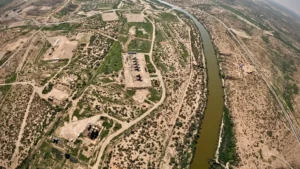
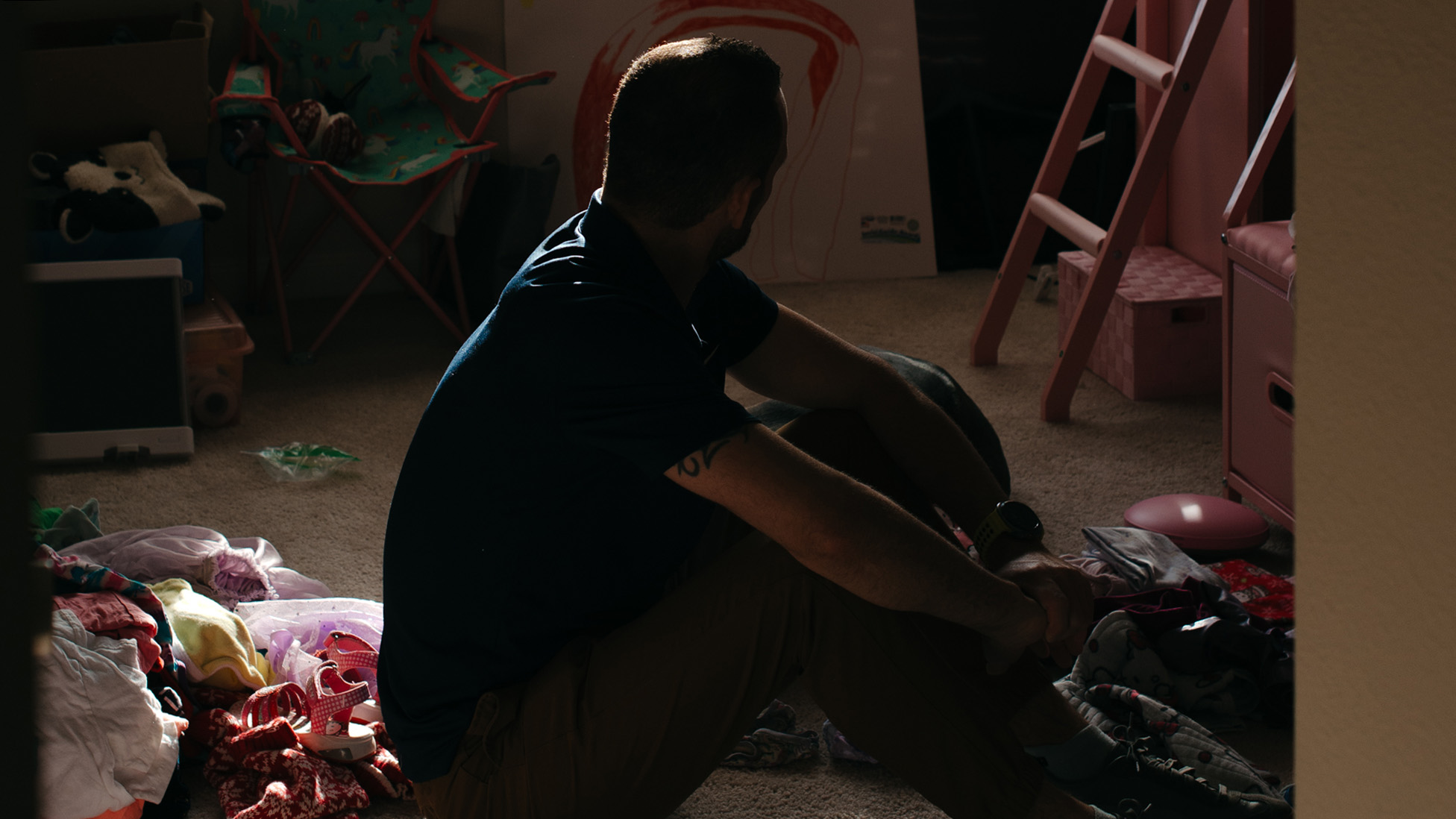
When Hurricane Helene began its devastating trajectory toward the mountains of Western North Carolina, Kimberly Treadaway’s primary concerns were those of any parent: food, clean water, and the safety of her 5-month-old son. However, as a woman a decade into her recovery from opioid use disorder, Treadaway faced a secondary, life-threatening threat that most emergency checklists overlook. She required daily access to Suboxone, a prescription medication essential for suppressing the intense cravings and debilitating withdrawal symptoms that characterize opioid dependency. In the remote town of Weaverville, as the winds intensified and the French Broad River began to swell, the infrastructure required to maintain her sobriety—pharmacies, stable internet for insurance verification, and passable roads—was on the verge of total collapse.
Treadaway’s situation was far from unique. Across the Appalachian landscape, thousands of individuals navigating the "gray area" between active drug use and long-term recovery found themselves suddenly severed from the medical systems that keep them alive. For this population, a natural disaster is not merely a matter of property damage; it is a physiological emergency. The sudden cessation of medications like Suboxone or Methadone can trigger a violent physical reaction involving fever, vomiting, and tremors, often driving individuals toward a contaminated illicit drug supply in a desperate bid for relief.
The Vulnerability of the Recovery Network
The Southern Appalachian region has long been the epicenter of the American opioid epidemic. Since the early 2000s, a surge in prescription painkillers, followed by the influx of heroin and illicit fentanyl, has resulted in some of the highest "deaths of despair" rates in the nation. While North Carolina has made strides in reducing overdose deaths since 2022, the healthcare infrastructure remains precarious. Rural hospital closures and a lack of specialized clinics mean that even under ideal conditions, access to treatment is a logistical challenge.
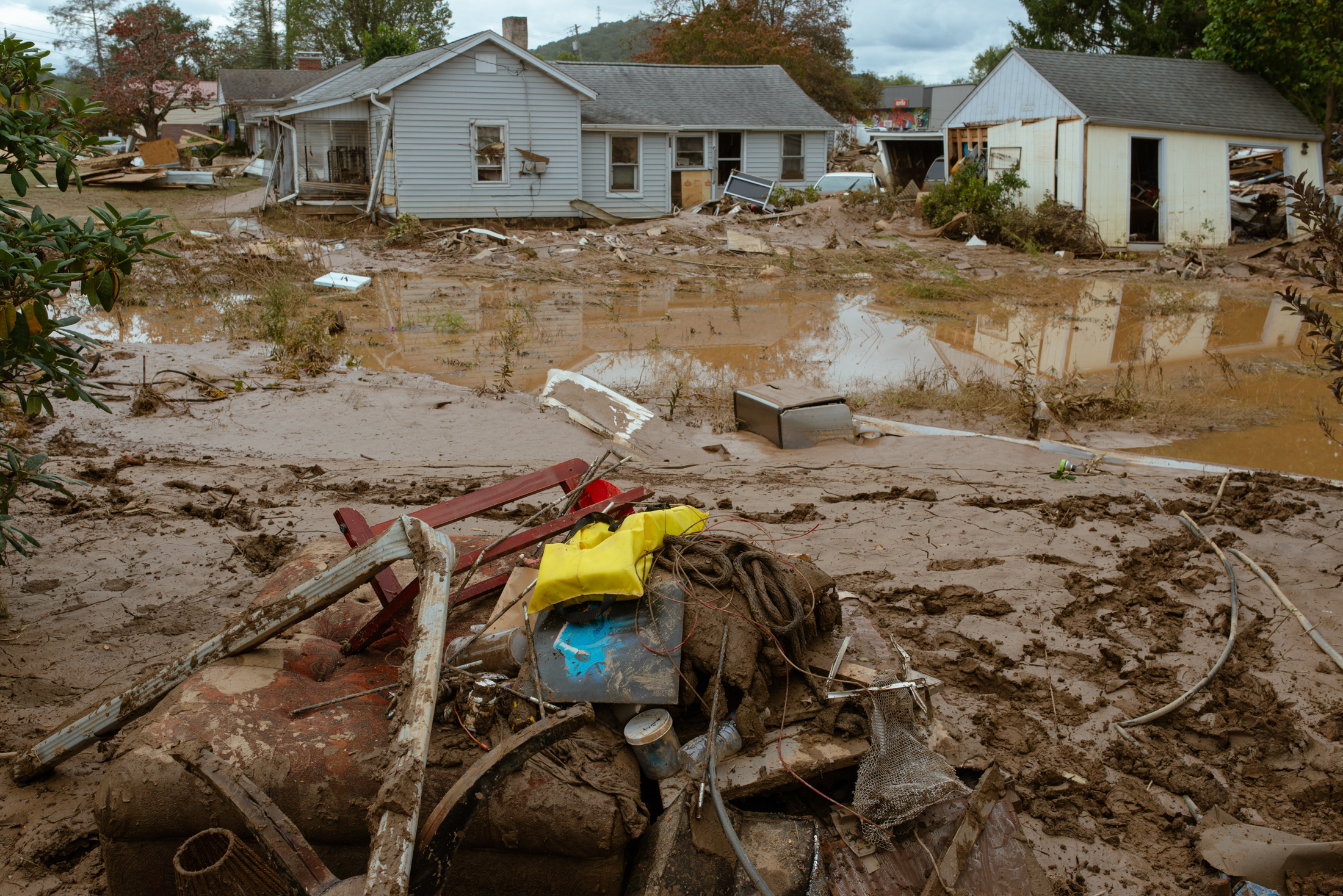
Hurricane Helene transformed these chronic vulnerabilities into an acute catastrophe. For those in recovery, stability is built on consistency: stable housing, regular employment, and a reliable connection to healthcare providers. When the storm hit, that consistency evaporated. Roads were washed away, telecommunications were severed, and the pharmacies that dispense life-saving medications were either underwater or unable to process prescriptions due to power outages.
Chronology of a Crisis: From Storm Surge to Systemic Failure
The timeline of the disaster reveals a rapid descent from preparation to desperation. In the days leading up to Helene’s landfall, harm reduction organizations and individual users attempted to stockpile supplies. Many, like Treadaway and her partner, formulated "tapering" plans—intentionally reducing their own dosages to make their limited supply last longer.
By late September 2024, as the storm’s full force hit Marshall, Asheville, and surrounding counties, the official response was understandably focused on search and rescue. However, the specific needs of the substance use community were largely sidelined. In the immediate aftermath, the isolation was total. For people requiring daily Methadone—which by federal law must often be dispensed in person at specialized clinics—the closure of facilities meant facing immediate, severe withdrawal while simultaneously navigating a disaster zone.
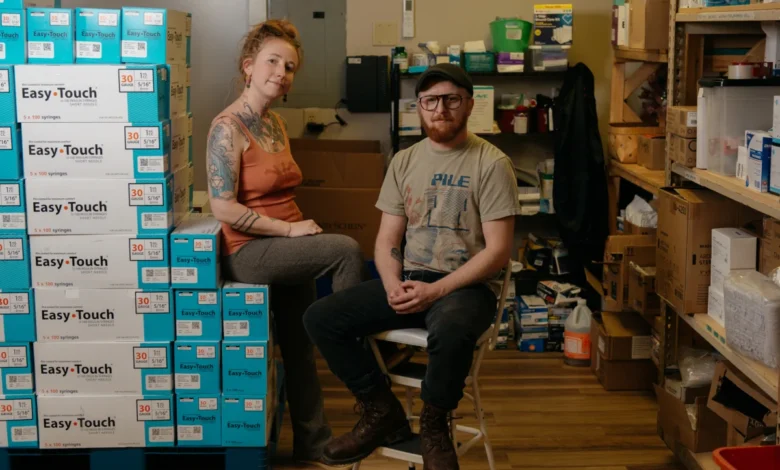
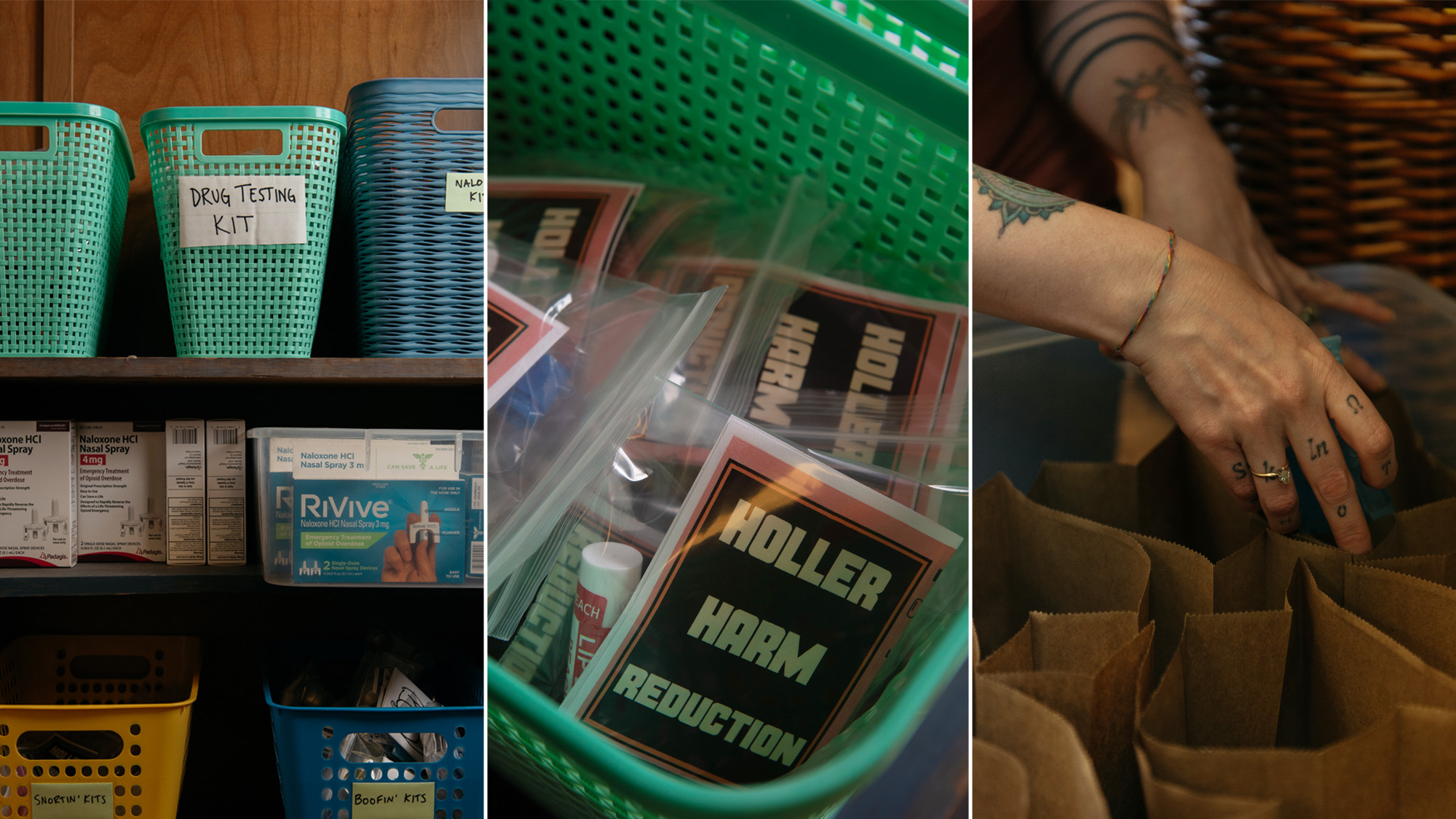
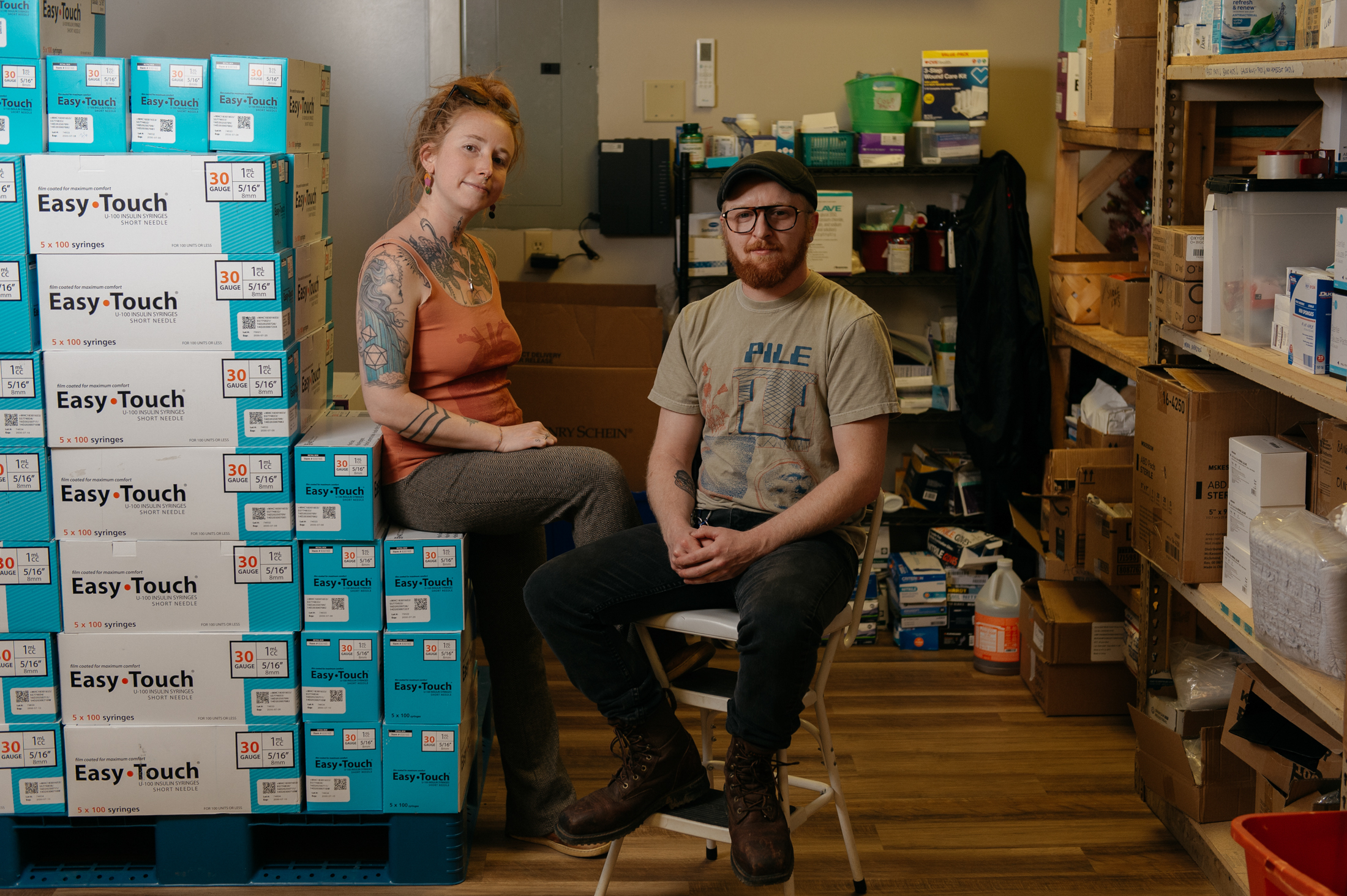
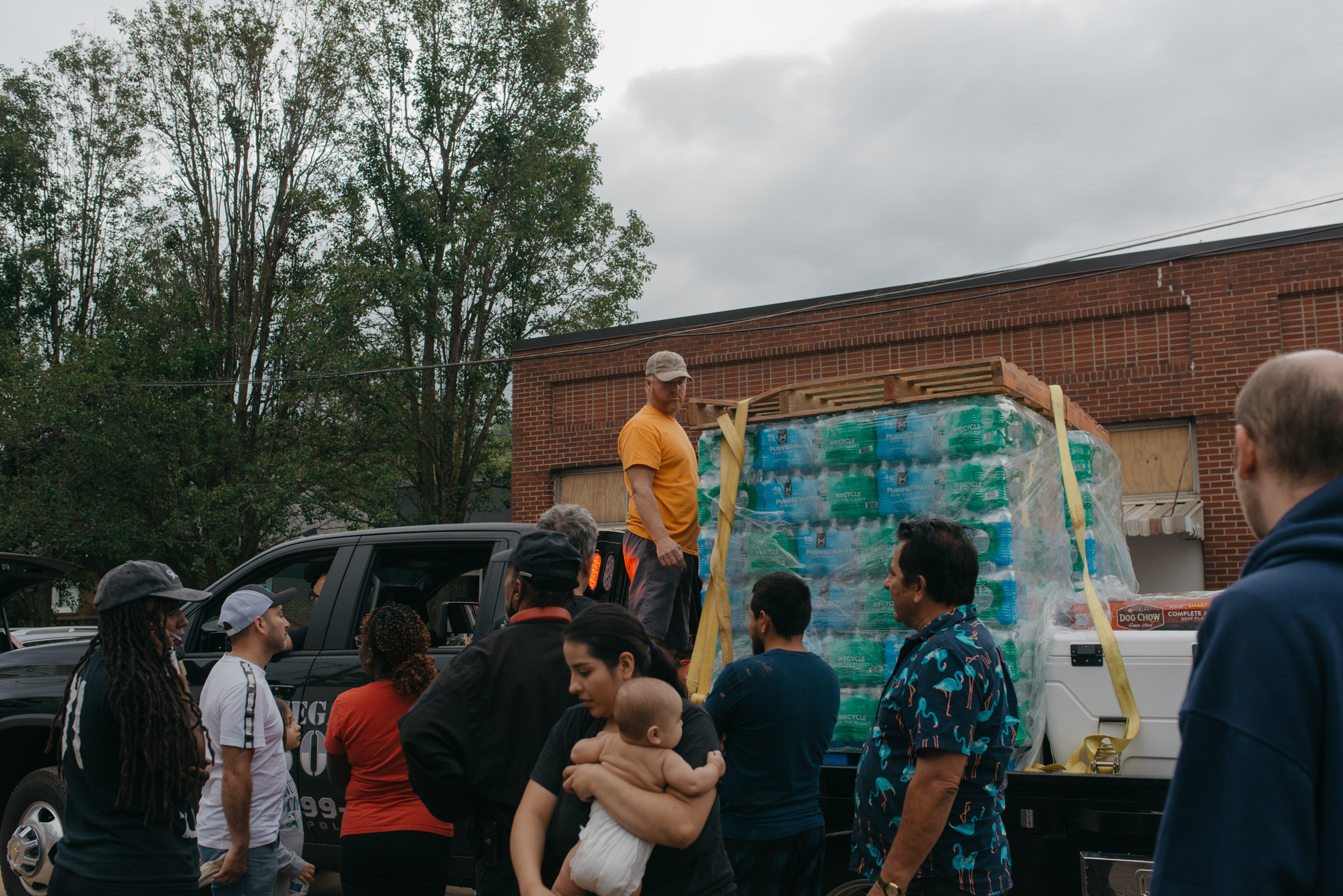
In response to the vacuum left by traditional emergency services, a loose network of grassroots organizations, including Holler Harm Reduction and The Steady Collective, mobilized an ad hoc relief effort. Treadaway, who joined the staff at Holler shortly after the storm, worked alongside colleagues like Hush Sinn and Oscar Smith to reach those the system had forgotten. Utilizing ATVs, trucks, and occasionally traveling on foot through mud-choked terrain, these volunteers delivered naloxone, clean needles, and basic medical supplies.
The Rise of Mutual Aid and Grassroots Resilience
The philosophy of "harm reduction" is centered on meeting people where they are, without judgment or the requirement of total abstinence. During the Helene recovery, this philosophy became the blueprint for survival. Mutual aid groups filled the gaps that state and federal agencies, constrained by rigid mandates and logistical hurdles, could not.
Hush Sinn, a staffer at The Steady Collective with a personal history of substance use, noted that the "scrappiness" of the drug-using community became a vital asset. Many individuals living on the margins were already accustomed to systemic failure and had developed survival skills that more affluent residents lacked. However, the emotional toll of the disaster was exacerbated by the profound loneliness associated with addiction. Sinn emphasized that the presence of harm reductionists provided more than just supplies; it provided a sense of dignity to a population often treated as disposable by the broader public.
Quantifying the Impact: Data on Overdoses and Health Access
While the full public health impact of Hurricane Helene is still being calculated, early data suggests a significant spike in drug-related emergencies. An analysis conducted by geographer Maggie Sugg of Appalachian State University and environmental epidemiologist Jen Runkle of the North Carolina Institute for Climate Studies found that emergency room visits for opioid overdoses rose by approximately 21 percent in the three months following the storm.
This increase was driven by several factors:
- Medication Interruption: The inability to access Suboxone or Methadone led many to seek illicit alternatives.
- Supply Contamination: As landslides and road closures disrupted traditional drug trafficking routes, the local illicit supply became more volatile. In Haywood County, health providers reported an influx of xylazine—a potent animal tranquilizer that does not respond to naloxone and causes severe skin necrosis.
- Stress and Trauma: The psychological impact of losing homes and loved ones acted as a powerful trigger for relapse among those in early recovery.
Interestingly, some providers noted that for a brief window, the "safety net" of emergency clinics actually improved access for the uninsured. Doctors operating out of churches and community centers wrote prescriptions more freely, bypassing the usual bureaucratic hurdles. For a moment, the stigma of addiction was eclipsed by the universal need for disaster relief.
Navigating the Red Tape: Official Responses and Bureaucratic Hurdles
The friction between grassroots responders and state bureaucracy became a significant point of contention during the recovery. Tyler Yates, the state opioid coordinator for the North Carolina Department of Health and Human Services (NCDHHS), described the immense difficulty in securing unconventional supplies through official channels.
A notable example involved the request for sterile water. For intravenous drug users, using contaminated floodwater to prepare injections can lead to sepsis, endocarditis, and death. However, when Yates’ team requested sterile water for distribution, state emergency officials reportedly denied the request, fearing that FEMA would not reimburse the cost of supplies not included on the standard disaster checklist.
In a statement to Grist, Summer Tonizzo, a spokesperson for NCDHHS, defended the agency’s actions, noting that they collaborate with local jurisdictions to provide naloxone and crisis counseling. However, the incident highlighted a fundamental disconnect: emergency management systems are often not designed to address the specific biological and social realities of addiction.
Stigma as a Barrier to Disaster Relief
One of the most distressing reports to emerge from the aftermath of Helene involved the treatment of people with substance use disorder in emergency shelters. Several healthcare providers in Western North Carolina reported that individuals taking medications for opioid use disorder (MOUD) were occasionally turned away from shelters by volunteers who viewed their presence as a safety risk.
While NCDHHS stated they received no official reports of people being ejected for taking legal medications, they acknowledged that the use of illegal drugs remains grounds for removal. In a disaster setting, where the line between "legal medication" and "illicit use" can be blurred by a lack of documentation or insurance, this policy can leave the most vulnerable residents with nowhere to go.
Future Implications: Disaster Planning in an Era of Escalating Risk
As climate change increases the frequency and severity of natural disasters, the experience of Western North Carolina serves as a warning for the rest of the country. Experts like Dr. Shuchin Shukla, an addiction medicine researcher, argue that substance use services must be integrated into the foundational pillars of disaster preparedness, alongside food, water, and shelter.
Dr. Shukla proposes several policy shifts:
- Emergency Reserves: States should maintain stockpiles of MOUD and harm reduction supplies specifically for disaster scenarios.
- Community Training: Trusted local figures and harm reduction volunteers should be officially recognized and funded as first responders.
- Low-Barrier Sheltering: Emergency shelters must be trained to accommodate people in various stages of recovery and use, ensuring that addiction is treated as a medical condition rather than a moral failing.
The urgency of these reforms is compounded by a looming "funding cliff." While the $57 billion national opioid settlement currently provides a surge of resources, these funds are scheduled to decrease annually and expire by 2038. Furthermore, federal support for substance use services remains subject to political volatility, with proposed budget cuts threatening to consolidate or reduce essential grants.
For Kimberly Treadaway and the staff at Holler Harm Reduction, the lessons of Helene are both personal and professional. As the temporary clinics close and the surge of donations slows, the community is once again left to "pick up the pieces." The challenge moving forward is to ensure that when the next storm arrives, the systems meant to protect the public do not once again leave the most vulnerable to weather the elements alone.