
Gate Theatre Dublin: The Great Hunger and Colm Tóibín’s A Pale Sister – A Deep Dive into E15 Productions
The Gate Theatre Dublin, a cornerstone of Ireland’s theatrical landscape, is renowned for its commitment to producing challenging, thought-provoking, and artistically significant productions. In recent seasons, the theatre has presented a powerful double bill that resonated deeply with audiences and critics alike: a revival of Patrick Galvin’s searing indictment of the Irish Famine, The Great Hunger, and a world premiere by celebrated author Colm Tóibín, A Pale Sister, which explores the complex legacy of the Famine through a distinctly modern lens. This article delves into these two significant productions, examining their thematic connections, directorial approaches, and the impact they have had, with a specific focus on the ticketing information and accessibility for the E15 period.
The Great Hunger, a seminal work in Irish theatre, draws directly from the oral histories and testimonies of Famine survivors, offering a raw and unflinching portrayal of suffering, desperation, and the systemic failures that exacerbated the tragedy. Galvin’s text is not for the faint of heart; it is a visceral and often harrowing account that demands attention and reflection. The play’s power lies in its stark realism, its unflinching depiction of starvation, disease, and the social disintegration that accompanied the blight. The Gate Theatre’s revival of this work was a potent reminder of the enduring impact of the Famine on the Irish psyche and its continued relevance in understanding contemporary social and economic vulnerabilities. The production aimed to confront audiences with the unvarnished truth of this historical catastrophe, moving beyond romanticized or sanitised interpretations. This revival was particularly timely, prompting discussions about historical memory, national identity, and the responsibility to remember and learn from past injustices. The staging itself, often minimalist yet impactful, amplified the starkness of the narrative, allowing the power of the text and the performances to dominate the space. The inclusion of music and song, often traditional Irish pieces, served to underscore the emotional weight of the stories being told, creating a powerful counterpoint to the bleakness of the subject matter. Audiences who experienced The Great Hunger at the Gate were not merely passive observers but were invited into a deeply felt and emotionally resonant exploration of one of Ireland’s defining historical moments. The success of this revival underscored the Gate’s reputation for tackling difficult subjects with artistic integrity and profound respect.
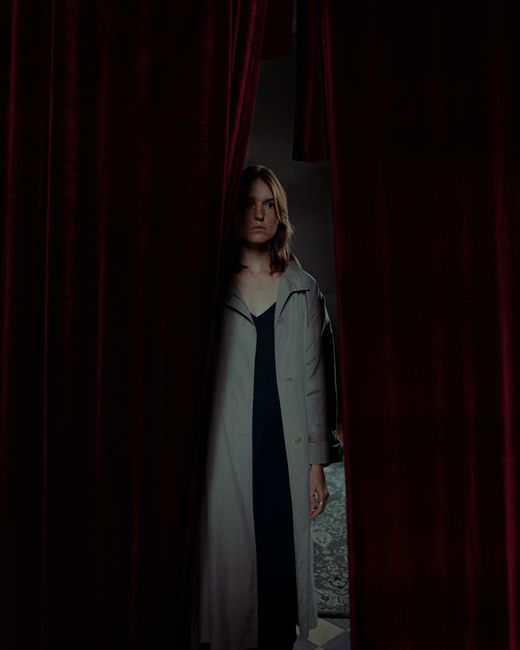
Complementing the historical gravitas of The Great Hunger was Colm Tóibín’s A Pale Sister. Tóibín, a master storyteller known for his nuanced explorations of family, identity, and the human condition, turned his attention to the lingering echoes of the Famine and its impact on subsequent generations. A Pale Sister is not a direct dramatization of the Famine itself, but rather a more introspective and psychological examination of its aftermath, exploring how historical trauma can manifest in contemporary lives. The play, often characterized by Tóibín’s signature lyrical prose and subtle character development, offered a different, yet equally compelling, perspective on the enduring legacy of this period. It explored themes of memory, inheritance, and the way in which unaddressed historical pain can shape personal relationships and societal attitudes. The "pale sister" of the title can be interpreted in multiple ways, perhaps representing a forgotten or suppressed aspect of Irish identity, or the spectral presence of the past haunting the present. Tóibín’s writing, known for its quiet intensity and profound emotional depth, invited audiences to consider the less visible, but no less significant, ways in which the Famine continues to shape Ireland. The play’s focus on individual experiences within the broader sweep of history resonated with audiences seeking a more personal connection to the past. The dialogue, often sparse yet potent, allowed for ample space for audience interpretation, encouraging contemplation on the enduring impact of collective trauma. The Gate Theatre’s decision to commission and premiere A Pale Sister demonstrated their commitment to fostering new Irish writing and engaging with contemporary artists on crucial historical and cultural themes.
The pairing of these two plays by the Gate Theatre was a deliberate and insightful programming choice. The Great Hunger provided the historical bedrock, a visceral and unvarnished account of the immediate suffering, while A Pale Sister offered a contemporary, internalised response, exploring the long-term psychological and cultural ramifications. This juxtaposition allowed audiences to engage with the Famine on both a societal and an individual level, fostering a more comprehensive understanding of its multifaceted impact. The dialogue between the historical immediacy of Galvin’s play and the introspective resonance of Tóibín’s work created a powerful theatrical experience that transcended mere historical retelling. It highlighted how trauma, once etched into the fabric of a nation, can continue to inform its present and future. The Gate Theatre’s curatorial vision in presenting these works together was to demonstrate the enduring and evolving nature of Ireland’s relationship with its past, showing how historical events are not static but are constantly reinterpreted and re-experienced through new artistic lenses. This thematic resonance encouraged audiences to draw parallels between past suffering and contemporary societal challenges, promoting a deeper engagement with issues of social justice and historical accountability.
When considering the Gate Theatre Dublin and its E15 productions, the practicalities of securing tickets are paramount for potential attendees. The E15 designation often refers to specific seating areas or pricing tiers within the theatre. For productions like The Great Hunger and A Pale Sister, it is crucial for theatregoers to be aware of the ticketing process, including when tickets go on sale, the various price points, and any available concessions or discounts. The Gate Theatre’s official website is typically the primary source for this information. Prospective patrons should regularly check the "What’s On" or "Book Tickets" sections for the most up-to-date details regarding availability, performance dates, and times. Online booking is usually the most efficient method, allowing patrons to select their preferred seats and complete their purchase securely. Alternatively, the Gate Theatre’s box office can be contacted directly via phone or email for inquiries or to book tickets over the counter. Understanding the seating plan of the Gate Theatre is also beneficial when purchasing E15 tickets. Different seating sections will offer varying sightlines and proximity to the stage, influencing the overall viewing experience and potentially the price. Information regarding accessible seating for patrons with disabilities is also usually available through the box office or on the theatre’s website. It is advisable to book tickets well in advance, especially for highly anticipated productions by renowned playwrights and theatres, to avoid disappointment. Early booking also often provides a wider selection of seats and potentially better pricing.
The E15 ticketing context implies a specific availability or pricing structure. For instance, E15 tickets might represent a particular section of seating, such as the Upper Circle or Gallery, which are typically more affordable. They could also represent a limited number of discounted tickets made available for specific performances or for certain demographic groups. Understanding what E15 specifically entails for the Gate Theatre is crucial for budget-conscious patrons. This information is usually clearly outlined when navigating the booking process on the theatre’s website. It is common for theatres to offer different price bands based on seating location and proximity to the stage, and E15 would be one of these bands. For those seeking to attend both The Great Hunger and A Pale Sister, exploring options for purchasing tickets for both productions simultaneously, such as a season ticket or a package deal, might also be available, potentially offering cost savings. The Gate Theatre’s commitment to accessibility extends beyond physical accessibility to include making theatre available to a wider audience, and the E15 ticket category is often a direct reflection of this commitment. Patrons interested in the E15 tickets for these specific productions should therefore pay close attention to the booking details, as availability can fluctuate rapidly. The demand for tickets for productions featuring works by Patrick Galvin and Colm Tóibín at a prestigious venue like the Gate Theatre is likely to be high, making proactive booking essential.
The impact of The Great Hunger and A Pale Sister extends beyond the individual theatre-going experience. These productions contribute to a broader cultural conversation about historical memory, national identity, and the enduring relevance of the past. By staging these plays, the Gate Theatre Dublin not only entertains but also educates and provokes, fostering a deeper understanding of Ireland’s complex history and its ongoing impact. The plays serve as powerful artistic statements that encourage critical engagement with national narratives and promote empathy for those who have experienced profound suffering. The Gate’s programming choices, particularly when featuring works that address such significant historical events with artistic rigor and contemporary relevance, solidify its position as a vital cultural institution. The exploration of the Famine through these two distinct but interconnected works offers a rich tapestry of human experience, from the stark realities of survival to the subtle, generational echoes of trauma. For anyone interested in Irish theatre, history, or the power of storytelling, these productions represent a significant opportunity for reflection and engagement. The information regarding E15 tickets for the Gate Theatre Dublin, particularly in relation to these impactful productions, is a crucial piece of the puzzle for making these significant theatrical experiences accessible to a broader audience. The theatre’s efforts to accommodate different budget levels through ticketing options like E15 demonstrate a commitment to inclusivity, ensuring that important artistic works can be experienced by as many people as possible. The continued legacy of the Famine and its representation in Irish art, as exemplified by these two powerful plays at the Gate Theatre, ensures that these stories, and the lessons they hold, will continue to resonate for generations to come. For those specifically seeking E15 tickets, diligent monitoring of the Gate Theatre’s official channels for The Great Hunger and A Pale Sister is the most effective strategy.

