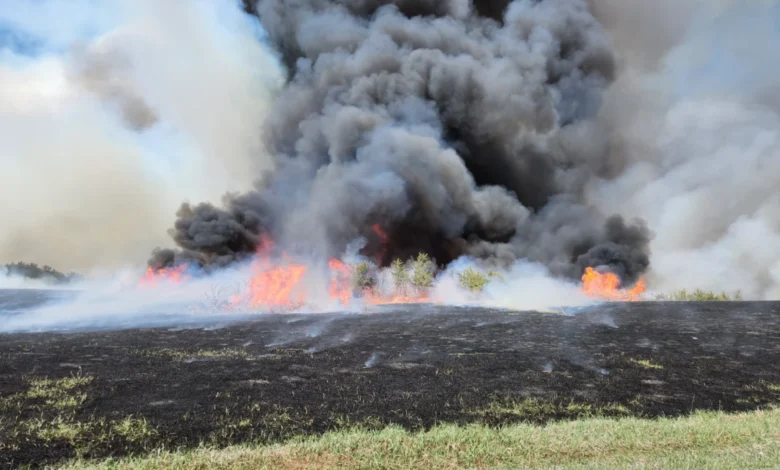
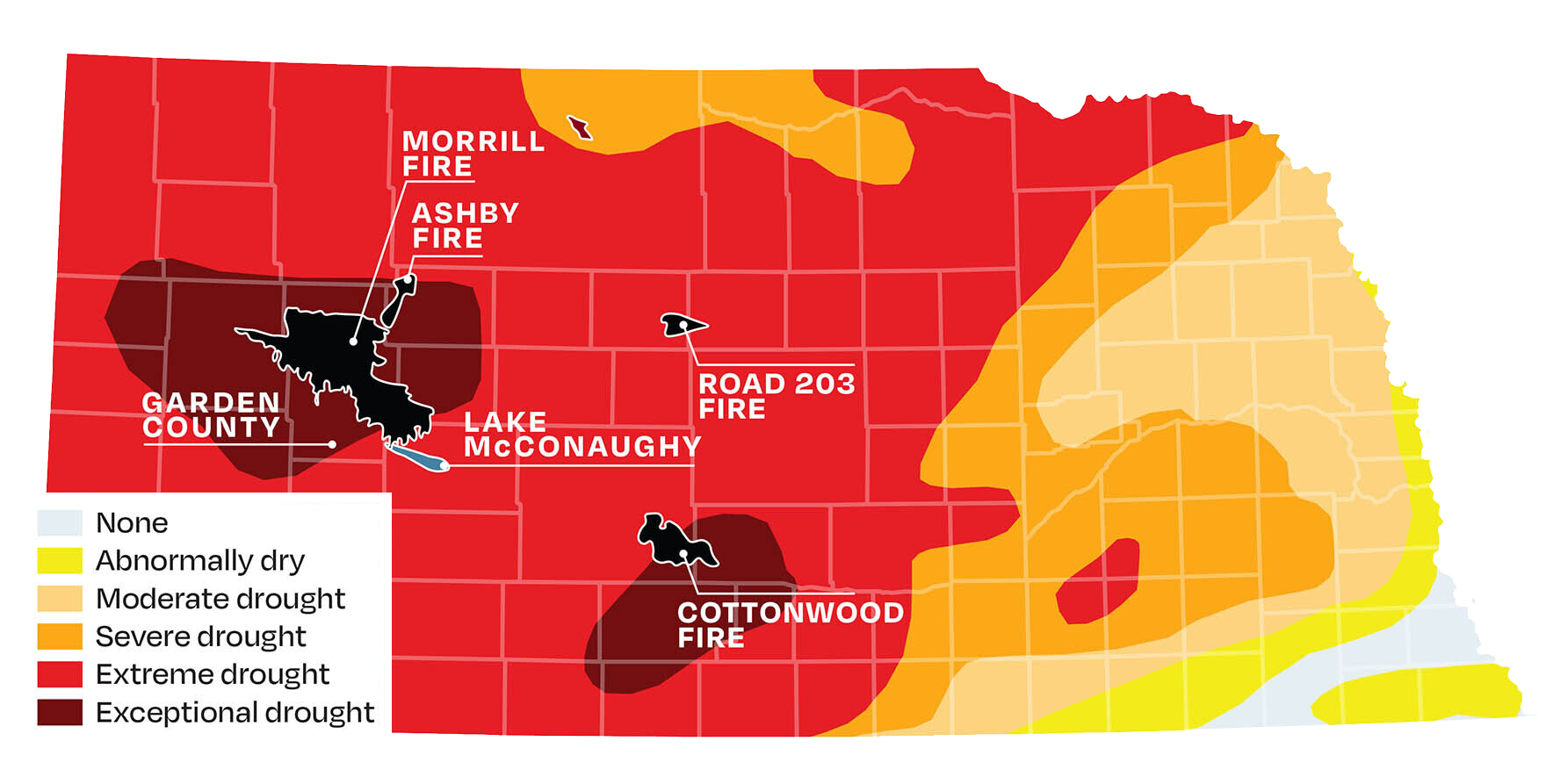
As the fast-moving blaze rolled toward Fire Chief Jason Schneider’s district in Cozad, Nebraska, earlier this spring, he and his crew faced what could only be described as a literal uphill battle. The Cottonwood Fire was tearing through the Loess Canyons, a rugged landscape defined by steep slopes, narrow valleys, and a lack of accessible roads. The terrain was further complicated by dense pockets of invasive eastern red cedar trees—species that do not merely burn, but often explode, throwing embers and ash far ahead of the main fire line. Schneider recalled the frustration of the March blaze, noting that just as they believed a section was extinguished, the fire would leap behind them, fueled by the volatile cedar canopy.
The tide of the battle only began to turn when Schneider’s volunteer crew—part of the 92 percent of Nebraska fire departments that rely on unpaid personnel—connected with the South Loup Burn Association. This group, comprised of local landowners and ranchers, brought a different kind of expertise to the front lines. They demonstrated the use of "back burns," a technique involving the setting of controlled, low-intensity blazes in the path of the advancing wildfire. By strategically consuming flammable material before the main fire arrived, they were able to starve the Cottonwood Fire of fuel and finally bring it under control. This collaboration saved thousands of acres, yet it also highlighted a growing, high-stakes debate over the role of fire in managing the Great Plains.
A Record-Breaking Season of Flame
While wildfire seasons in the Western United States typically peak during the heat of summer or the dry winds of late autumn, Nebraska’s most dangerous period often arrives in the spring. The 2024-2025 cycle has proven to be the most devastating on record for the state. As of early May, conflagrations have consumed approximately 981,502 acres, dealing a catastrophic blow to the state’s ranching economy and native ecosystems.
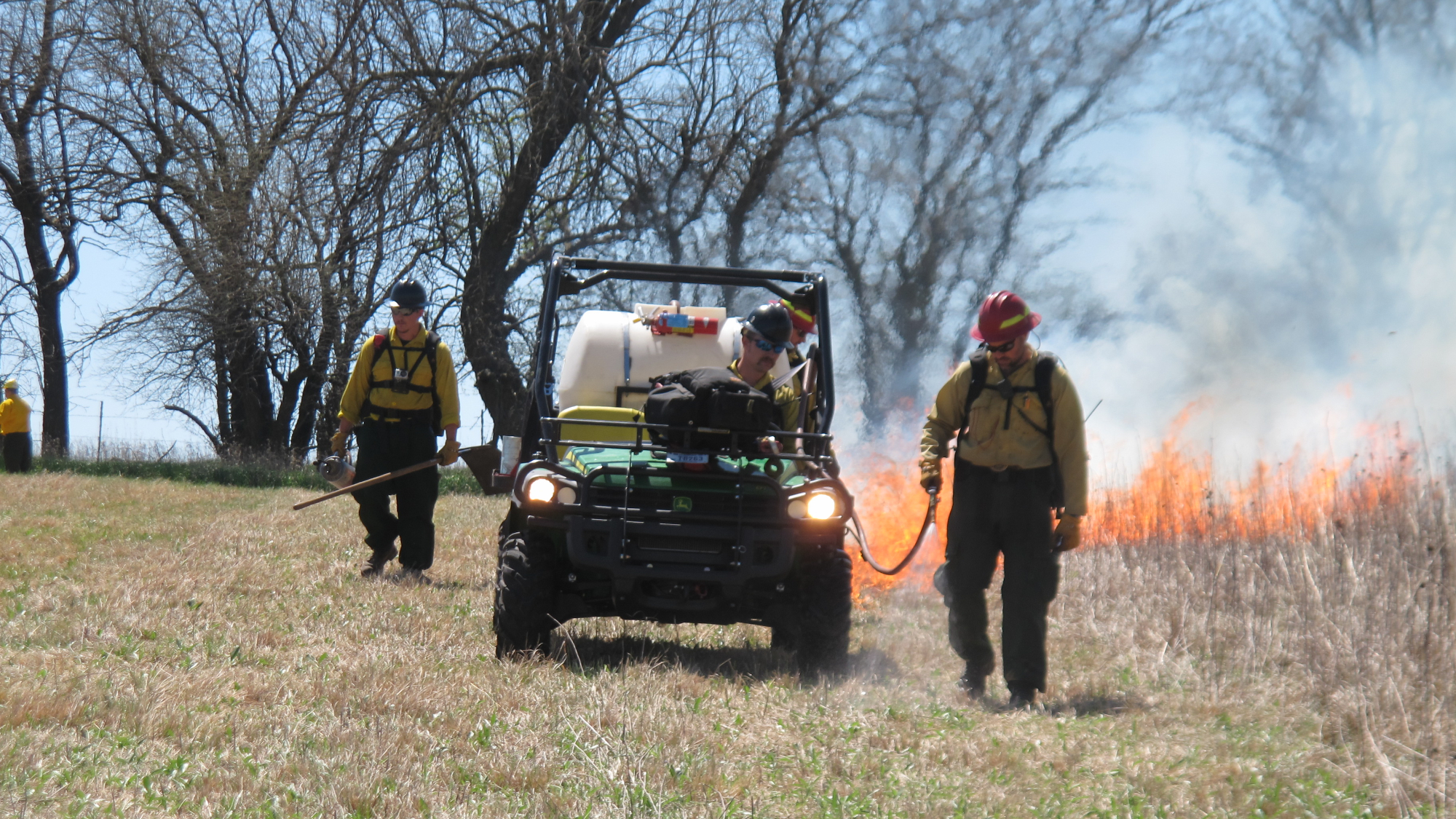
The sheer scale of this year’s destruction has brought a centuries-old land management practice to the forefront of public discourse: the use of prescribed fire. Proponents argue that the Cottonwood Fire serves as a prime example of how "fighting fire with fire" can prevent total catastrophe. Conversely, critics point to the Road 203 wildfire in the Nebraska National Forest, which began as a prescribed burn but escaped containment due to sudden heavy winds, eventually devouring nearly 36,000 acres. This dichotomy—the fire that saved and the fire that escaped—sits at the heart of a deepening regional divide.
The Ecological Crisis of the Eastern Red Cedar
To understand why fire has become such a contentious tool, one must look at the changing face of the Nebraska landscape. For decades, the suppression of natural fires has allowed the eastern red cedar to migrate from its original habitats into the state’s native grasslands. Ecologists like Dirac Twidwell of the University of Nebraska-Lincoln describe this as a "fire deficit."
Historically, the Great Plains were maintained by frequent, low-intensity fires ignited by lightning or Indigenous peoples. These fires cleared dead biomass, recycled nutrients into the soil, and kept woody species like the cedar at bay. Without fire, these trees create "volatile fuel loads." When a wildfire hits a cedar-choked canyon, the intensity of the heat is far higher than a grass fire, making it nearly impossible for traditional fire crews to suppress.
"The wildfires you’ve seen here in Nebraska the last few years are also a consequence of removing fire from the landscape," said Kent Pfeiffer, program manager for the Northern Prairies Land Trust. Pfeiffer argues that the choice is not between fire and no fire, but between frequent, manageable blazes and infrequent, catastrophic ones.
Regional Tensions: Loess Canyons vs. The Sandhills
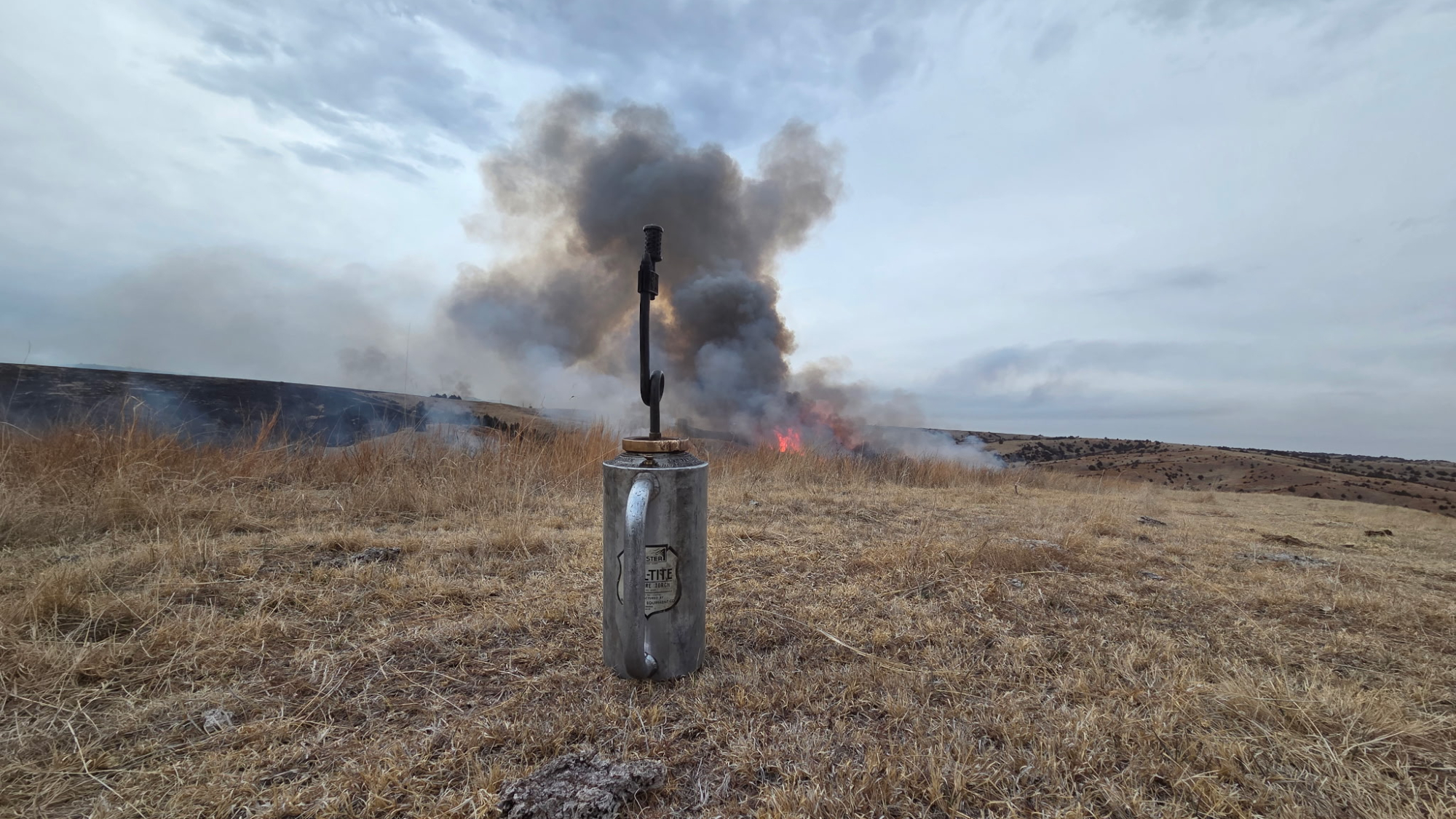
The acceptance of prescribed burning is not uniform across the state. In the Loess Canyons of central Nebraska, a robust "burn culture" has emerged over the last two decades. Ranchers like Tucker Thompson, who once viewed the practice as "insane," have become its strongest advocates. Thompson recalled spending years trying to clear 400 acres of cedar trees with a chainsaw, only to see them return a decade later. "There’s no way of killing these dang things, so I burned them," Thompson said. Today, the Loess Canyons area is recognized as having one of the most advanced prescribed fire cultures in the country, which has not only reduced wildfire risk but also increased the profitability of grazing lands.
However, move west into the Sandhills, and the reception changes from cautious to hostile. In areas like Tryon and Mullen, the suggestion of starting a fire on purpose is often met with fierce resistance. Keystone-Lemoyne Fire and Rescue Chief Ralph Moul noted that some communities "almost lynched" groups attempting to establish burn associations.
The fear in the Sandhills is rooted in the region’s unique geography. The area consists of fragile sand dunes covered in grass; if a fire removes the vegetation and the wind takes the soil, the land can be permanently scarred. Furthermore, the Sandhills lack the natural fire breaks found in more developed or rocky areas. For residents like Becky Potmesil, a rancher near Alliance, the risk of an escaped burn is simply too high. Following the Morrill Fire—the largest in state history at 642,000 acres—and the Ashby Fire, Potmesil described the charred landscape as a "moonscape" of sand dunes.
The Cost of Regulation and the Governor’s Ban
The tension between ecological necessity and public safety reached a boiling point in March when Governor Jim Pillen issued a temporary statewide ban on issuing burn permits. The order was a response to the devastating wildfires tearing through the state, but it created a secondary crisis for land managers who had spent years planning prescribed burns.
In southeast Nebraska, Fairbury Fire Chief Judd Stewart expressed frustration with the blanket nature of the ban. While the western part of the state was in crisis, conditions in his district were optimal for controlled burns. By the time the ban was lifted, the "window" for safe burning had closed. "Now we’ve got those heavy fuel loads that are going to be hard to contain when summer temperatures rise," Stewart warned.
The economic impact of these canceled burns is significant. Austin Klemm of the South Loup Burn Association noted that some ranchers invest tens of thousands of dollars in preparation. This includes "deferring grazing"—leaving grass uneaten for a full year to provide enough fuel for a successful burn. When a burn is canceled, the rancher has not only lost the money spent on prep but has also lost the use of their pasture for the previous season. Klemm estimated that just six of the landowners he works with have $250,000 to $275,000 currently "on the line" due to canceled operations.
Risk Assessment and the Path Forward
Data from the Nebraska Prescribed Fire Council suggests that the risks, while real, are statistically low. In a survey of burns conducted last year, only 1.6 percent of prescribed fires escaped their planned boundaries and required outside assistance. The U.S. Forest Service reports an even higher success rate nationally, with 99.84 percent of its prescribed burns staying within their parameters.
However, that 0.16 percent failure rate can be catastrophic. The Road 203 wildfire serves as a haunting reminder that even the best-laid plans can fail when weather patterns shift. Chief Ralph Moul, who served as an incident commander on the Morrill Fire, argues that fire chiefs must remain the ultimate gatekeepers, particularly on "red flag days" when humidity is low and winds are high. He remains skeptical of burn groups that push for permits during high-risk windows to achieve a "better kill" of invasive trees.
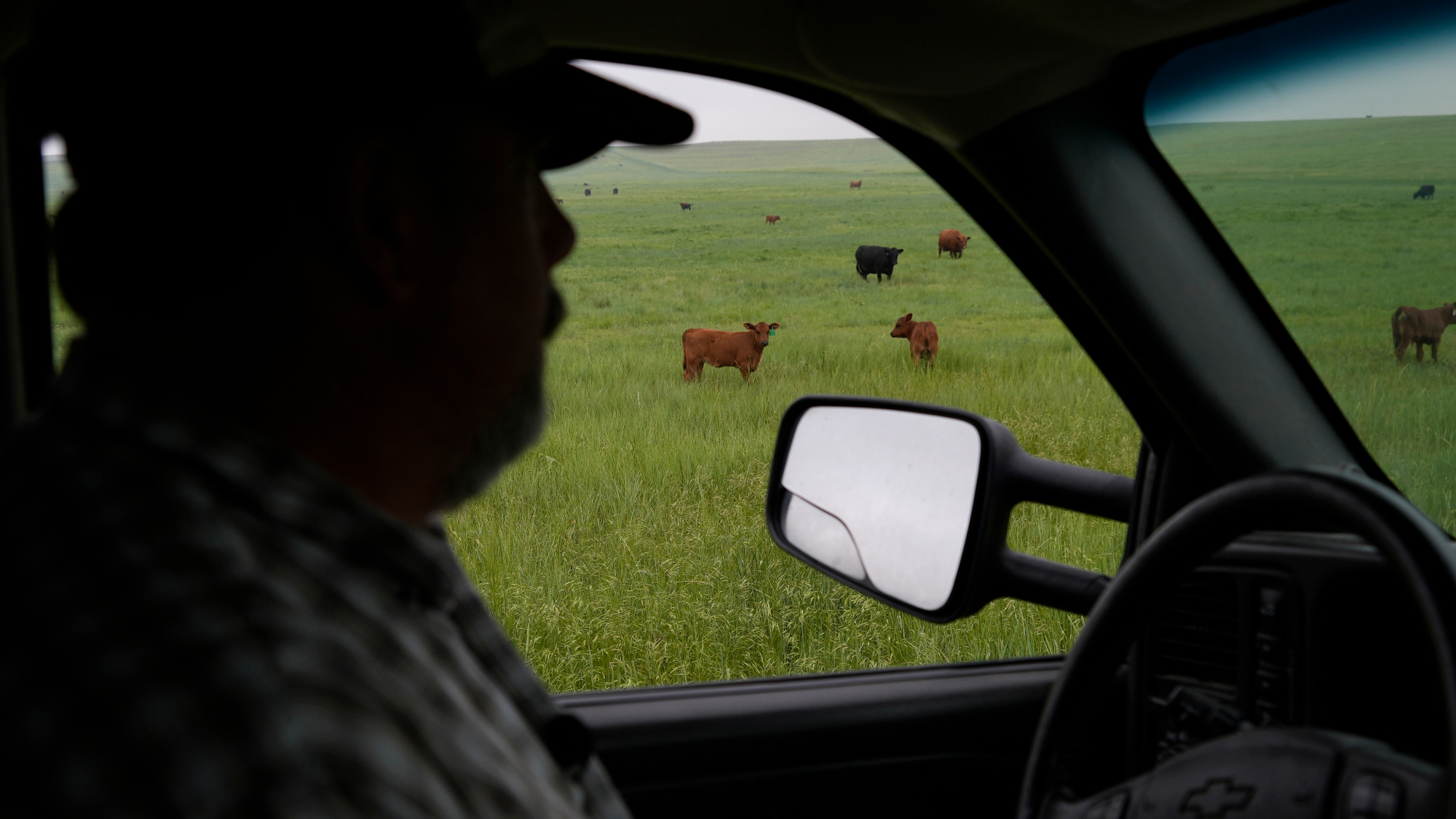
Despite the controversy, the trend toward more fire on the landscape seems inevitable. The Nebraska Prescribed Fire Council reported that more than 92,700 acres were treated with prescribed fire in the first half of 2025 alone—likely a modern record.
As climate change continues to bring hotter, drier conditions to the Great Plains, the debate over prescribed burns will only intensify. For experts like Dirac Twidwell, the current path of total suppression is no longer sustainable. "What we know is that overall, our fire management is not working," he said. The challenge for Nebraska moving forward will be to reconcile the legitimate fears of residents in the Sandhills with the ecological and safety requirements of a landscape that is increasingly primed to burn, whether by human hand or by lightning strike. For now, the state remains a patchwork of black ash and green regrowth, caught between the memory of the fires that destroyed and the hope for the fires that protect.