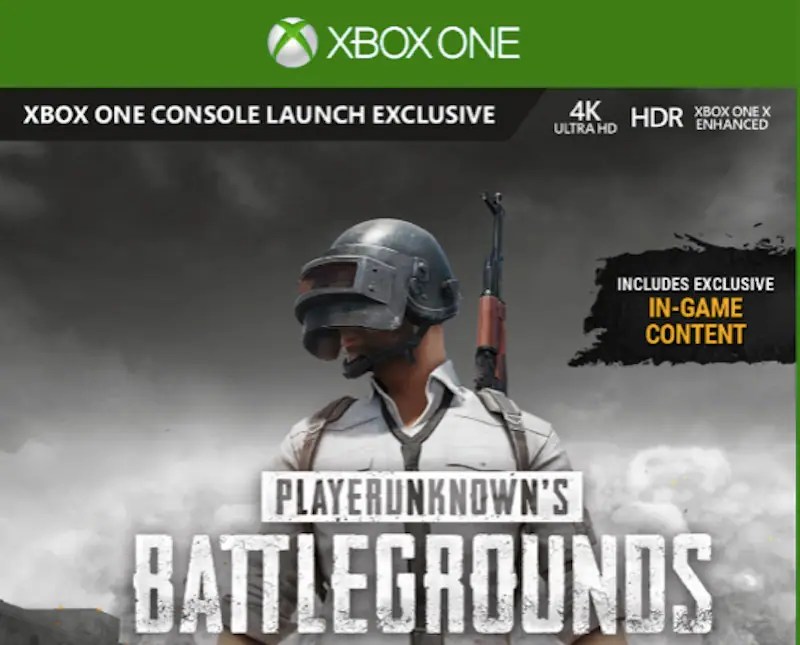

PUBG Xbox One Release Date: Navigating the Launch and Evolution of PlayerUnknown’s Battlegrounds on Console
The journey of PlayerUnknown’s Battlegrounds (PUBG) to the Xbox One platform was a significant event in the battle royale genre. Initially a PC phenomenon, its expansion to consoles, particularly the Xbox One, was eagerly anticipated by a massive gaming audience. This article will delve into the PUBG Xbox One release date, the surrounding circumstances of its launch, its subsequent development and updates, and the impact it had on the console gaming landscape. Understanding the timeline and evolution of PUBG on Xbox One offers valuable insights into the complexities of game development, cross-platform strategies, and the sustained appeal of a genre-defining title.
The Initial Announcement and Xbox Game Preview Program:
The official confirmation of PUBG’s arrival on Xbox One came with a degree of strategic phasing, mirroring its PC journey. While a full, polished release was the ultimate goal, Microsoft and PUBG Corporation opted for an early access approach through the Xbox Game Preview program. This allowed players to purchase and play the game while it was still in development, providing crucial feedback and allowing the developers to refine the experience before a full retail launch. The announcement of PUBG joining the Xbox Game Preview program generated immense excitement, signaling that the battle royale craze was no longer solely a PC exclusive. This move was also a strategic coup for Microsoft, securing a highly sought-after title for their console ecosystem at a time when console battle royales were still in their nascent stages. The anticipation was palpable, with discussions and speculation about the exact release date for this early access period dominating gaming forums and social media.
The Official Xbox Game Preview Release Date:
The pivotal date for PUBG on Xbox One, marking its entry into the hands of console players, was December 12, 2017. This was the day PlayerUnknown’s Battlegrounds officially launched into the Xbox Game Preview program. It’s crucial to differentiate this date from the full release. The Game Preview launch was significant because it provided the first substantial opportunity for Xbox players to experience the core gameplay loop of PUBG – parachuting onto an island, scavenging for weapons and gear, and fighting to be the last one standing. While it wasn’t the final version, it represented a monumental step in bringing the game to a new audience. The reception to this early access launch was, predictably, mixed. Enthusiasts were thrilled to finally have their hands on the game, while others noted the technical limitations and performance issues that were inherent to a game still under heavy development. Nevertheless, the sheer volume of players diving into Erangel and Miramar on their Xbox One consoles was a testament to PUBG’s undeniable popularity.
The Road to Full Release: Challenges and Iterations:
The period between the Xbox Game Preview launch and the full 1.0 release was a critical phase for PUBG on Xbox One. Developers faced significant hurdles in optimizing the game for the Xbox One’s hardware. Compared to powerful gaming PCs, the Xbox One’s processing power and graphical capabilities presented a challenge in delivering the smooth, consistent performance that PUBG demanded. Issues such as frame rate drops, texture pop-in, and longer loading times were prevalent during the early stages of the Game Preview. This led to considerable discussion and, at times, frustration within the player base.
However, the developers actively engaged with the community, releasing numerous patches and updates aimed at addressing these performance concerns. These updates weren’t just about bug fixes; they also introduced new content, refined gameplay mechanics, and experimented with different features. The ongoing development process meant that the PUBG Xbox One experience was constantly evolving. Players were witnessing the game grow and improve in real-time, a key benefit of the Game Preview model. This period also saw the introduction of new maps, weapons, and game modes, further expanding the available content for Xbox players. The commitment to iterative improvement, despite the technical challenges, was a defining characteristic of PUBG’s development on Xbox One.
The Official 1.0 Release Date and Beyond:
After months of active development, testing, and community feedback, PlayerUnknown’s Battlegrounds officially exited the Xbox Game Preview program and launched as a full 1.0 title on September 4, 2018. This marked the transition from an in-development product to a complete game, signifying a higher level of polish, stability, and feature parity with the PC version. The 1.0 release on Xbox One was accompanied by a significant marketing push and a renewed sense of optimism within the community. Players who had been part of the Game Preview journey saw the fruits of the developers’ labor, with improved performance and a more robust gameplay experience.
The subsequent months and years following the 1.0 release saw continued support and evolution for PUBG on Xbox One. The game received regular updates, including new seasons, battle passes, weapon balancing, and the introduction of further maps like Vikendi and Karakin. The developers also continued to refine performance and address any lingering technical issues. The console version of PUBG eventually gained its own distinct identity, with specific events and collaborations tailored to the Xbox audience. The commitment to ongoing content drops and improvements helped to maintain player engagement and ensure that PUBG remained a relevant title in the competitive battle royale landscape on Xbox.
Impact and Legacy on the Xbox Platform:
The release of PUBG on Xbox One had a profound impact on the console’s gaming ecosystem. It was one of the first major battle royale titles to achieve widespread success on consoles, paving the way for other games in the genre to follow. The game’s popularity demonstrated a significant appetite for this style of gameplay on platforms beyond the PC. This likely influenced platform holders like Microsoft and Sony to prioritize and support battle royale titles.
Furthermore, PUBG’s presence on Xbox One contributed to the broader conversation around cross-platform play. While PUBG on Xbox One and PC did not initially feature full cross-play, its existence on both platforms fueled discussions about how players could compete together regardless of their chosen hardware. This eventually led to more robust cross-platform implementations in subsequent battle royale titles.
The success of PUBG on Xbox One also highlighted the viability of the Game Preview program as a launch strategy for ambitious, evolving titles. It allowed developers to test the waters, gather invaluable player feedback, and refine their games before a full retail launch, a model that has been adopted by other studios. The technical challenges faced and overcome by the PUBG development team on Xbox One also served as a learning experience for the industry, underscoring the complexities of porting and optimizing demanding games for console hardware.
Key Features and Gameplay Mechanics (Relevant to the Xbox Experience):
While the core gameplay of PUBG remained consistent across platforms, the Xbox One experience brought specific nuances. Players on Xbox One primarily used controllers, which necessitated adjustments in aiming and control schemes compared to mouse and keyboard. The developers invested significant effort in fine-tuning these controller layouts to provide an accessible yet competitive experience. Features like aim assist, while sometimes controversial, were implemented to help bridge the gap between controller and mouse-and-keyboard inputs.
The maps themselves – Erangel, Miramar, Sanhok, Vikendi, and later Karakin – were all made available on the Xbox One, offering diverse environments for players to strategize within. The iconic looting system, the circle mechanic that forces players into ever-smaller safe zones, and the intense firefights were all core elements that defined the PUBG experience on Xbox. The emphasis on tactical gameplay, resource management, and survival, which were hallmarks of PUBG’s PC success, translated effectively to the console environment. The introduction of vehicles, various weapon types with distinct recoil patterns, and the strategic importance of cover were all integral to mastering the game on Xbox One.
Comparison to PC and Other Console Battle Royales:
It’s important to contextualize the PUBG Xbox One experience in relation to its PC counterpart and the subsequent emergence of other battle royale giants on consoles. Initially, the performance gap between PC and Xbox One was noticeable. High-end PCs could consistently achieve higher frame rates and graphical fidelity, giving them a perceived competitive edge. However, with ongoing updates, the Xbox One version steadily improved.
The landscape of console battle royales evolved rapidly after PUBG’s initial launch. Titles like Fortnite and Apex Legends eventually gained immense popularity on consoles, often offering smoother performance, more accessible gameplay loops, and different monetization models. While PUBG on Xbox One maintained a dedicated player base, it faced stiff competition from these newer, often more polished, offerings. The game’s more hardcore and simulation-leaning approach distinguished it from some of its more arcade-like competitors. Nevertheless, the foundational elements that made PUBG a phenomenon on PC were undeniably present and enjoyable for Xbox players, albeit with some platform-specific compromises and improvements. The distinct approach to weapon handling, ballistics, and the overall pacing of engagements provided a unique appeal that resonated with a significant segment of the console gaming community.
The Future and Ongoing Support:
Even as new battle royale games emerged, PUBG continued to receive support on Xbox One. While the focus might have shifted to newer iterations of the game, such as PUBG: New State or the PC version’s ongoing development, the legacy of PUBG on Xbox One remained significant. The game served as a crucial stepping stone for the battle royale genre’s expansion onto consoles and demonstrated the potential for long-term engagement with a well-supported, evolving title. The continuous release of content updates, seasonal events, and bug fixes ensured that the game remained playable and enjoyable for its dedicated community. The ability to experience the core battle royale formula on a widely accessible console platform cemented its place in gaming history. The platform’s evolution also saw the introduction of Xbox Series X/S enhancements for PUBG, further optimizing performance and visual quality for players on newer hardware, ensuring the game’s longevity and relevance.
Conclusion:
The PUBG Xbox One release date, December 12, 2017, marked a pivotal moment for both PlayerUnknown’s Battlegrounds and the console gaming landscape. The journey from an early access preview to a full 1.0 release was characterized by significant technical challenges, dedicated developer effort, and continuous community engagement. The game’s impact on the console battle royale scene was undeniable, paving the way for future titles and influencing the development strategies of major publishers. While the competitive landscape has evolved, the story of PUBG on Xbox One remains a compelling case study in bringing a PC phenomenon to a new platform, highlighting the complexities of game development, the importance of player feedback, and the enduring appeal of a well-crafted battle royale experience. The initial release date served as the genesis of a significant console gaming chapter.

