
7 Beauty Essentials for a Low-Waste Journey: Your Eco-Conscious Starting Point
Embarking on a low-waste beauty routine doesn’t require a complete overhaul of your existing products. Instead, it’s about making conscious choices and gradually incorporating sustainable alternatives that minimize environmental impact. This article outlines seven key beauty essentials that will serve as an excellent foundation for your journey towards a more eco-friendly lifestyle, focusing on practical, accessible, and effective solutions. We will explore product categories where impactful changes can be made with relative ease, highlighting the benefits of each for both your personal well-being and the planet. This is not about deprivation; it’s about intelligent substitution and mindful consumption.
The first essential for a low-waste beauty journey is reusable makeup remover pads and cloths. Traditional cotton rounds, while seemingly innocuous, contribute significantly to landfill waste. Billions are used annually worldwide, and their production often involves considerable water and energy consumption. Investing in a set of reusable makeup remover pads, typically made from soft, durable fabrics like organic cotton, bamboo, or microfiber, offers an immediate and impactful reduction in waste. These pads can be used with your existing cleansers and toners, and then simply washed and reused hundreds, if not thousands, of times. The initial investment is offset by the long-term savings, as you’ll no longer need to repurchase disposable cotton rounds. When selecting reusable pads, prioritize those made from sustainable and ethically sourced materials. Look for OEKO-TEX certified fabrics, ensuring they are free from harmful chemicals. Consider a variety of textures for different needs: softer ones for the delicate eye area and slightly more textured ones for gentle exfoliation. The washing process is straightforward; they can be tossed into your regular laundry load or washed separately in a mesh bag. This simple switch eliminates a consistent stream of single-use waste from your daily routine, making it a cornerstone of a low-waste beauty regimen. The tangible difference this one change makes, both in your trash bin and your wallet over time, solidifies its position as a primary starting point.
Next on our list of low-waste beauty essentials are solid shampoo and conditioner bars. The beauty industry is notorious for its reliance on plastic packaging, and haircare products are a major offender. Bottles of shampoo and conditioner are often made from virgin plastic, contributing to plastic pollution and greenhouse gas emissions during their production and disposal. Solid shampoo and conditioner bars offer a brilliant alternative. These concentrated bars are formulated without water, meaning they are smaller, lighter, and require significantly less packaging – often just a paper wrapper or a reusable tin. They lather beautifully, cleanse effectively, and can last as long as two to three standard bottles of liquid product. The transition to solid bars is often met with concerns about effectiveness and compatibility with different hair types. However, the market has expanded dramatically, offering a wide array of formulations for everything from oily to dry, color-treated, and sensitive scalps. Look for bars made with natural, nourishing ingredients that avoid sulfates, parabens, and synthetic fragrances, which can be harsh and environmentally damaging. Properly storing your solid bars is key to their longevity. Allow them to dry completely between uses on a draining soap dish to prevent them from becoming mushy and dissolving prematurely. This simple swap dramatically reduces plastic waste and is an easy step to integrate into your shower routine, offering a tangible win for both your sustainability goals and your hair health. The concentrated nature also makes them excellent for travel, further reducing the need for mini plastic bottles.
Our third essential is the multi-purpose balm or salve. Versatility is a key tenet of low-waste living, and a good multi-purpose balm embodies this principle perfectly. These products, often formulated with natural oils, butters, and waxes, can serve a multitude of purposes, reducing the need for several single-purpose products. A single balm can moisturize dry lips, soothe chapped hands and cuticles, tame flyaways, nourish dry patches of skin, act as a gentle makeup remover, or even be used as a highlighter for a dewy glow. By consolidating multiple products into one, you significantly reduce the packaging waste associated with individual items. When choosing a multi-purpose balm, opt for brands that utilize sustainable packaging, such as glass jars, metal tins, or compostable materials. Prioritize formulations with minimal, natural ingredients, free from petroleum-based products, synthetic fragrances, and parabens. These balms are incredibly effective and nourishing, providing concentrated hydration and protection. Their portability also makes them ideal for on-the-go touch-ups, further eliminating the need for carrying multiple smaller products. This one product can replace lip balm, hand cream, cuticle oil, and even a portion of your skincare routine, showcasing the power of multifunctional beauty essentials in a low-waste journey. The ability to use a single product for diverse needs amplifies its value and its environmental benefit.
The fourth essential, and a significant step in reducing plastic, is embracing refillable beauty products. Many brands are now offering their popular skincare and makeup items in refillable packaging. This model allows you to purchase a product once in its initial, often more robust, packaging, and then purchase less expensive refills in lighter, more sustainable packaging (like pouches or cardboard cartridges) that can be used to replenish the original container. This dramatically reduces the amount of new plastic or other material that needs to be manufactured and disposed of. The range of refillable options is rapidly expanding, encompassing everything from foundations, powders, and blushes to moisturizers, serums, and even deodorants. When exploring refillable options, research brands committed to both the refill system and the overall sustainability of their products and packaging materials. Look for information on how their refill pouches are designed to be recycled or composted, and the materials used in the original containers. While the upfront cost of the initial product might be slightly higher, the long-term savings on refills, coupled with the significant reduction in waste, make this an incredibly worthwhile investment for a low-waste beauty routine. It encourages a mindful relationship with your products, prompting you to finish what you have before purchasing a refill, thereby fostering a more conscious consumption pattern.
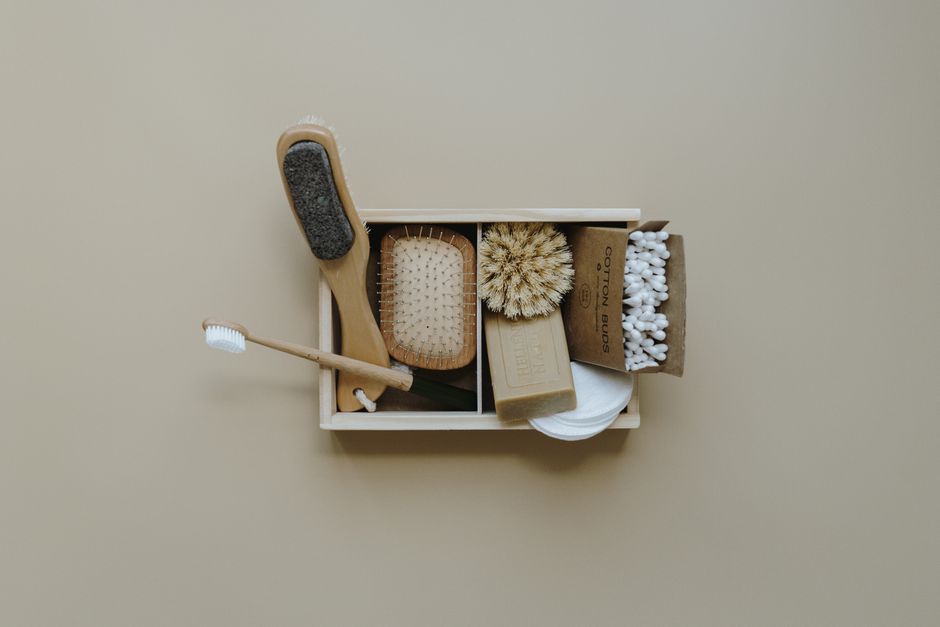
Our fifth essential focuses on a more conscious approach to oral care: bamboo toothbrushes and toothpaste tablets. Traditional plastic toothbrushes are a major source of plastic waste, with billions discarded annually. Bamboo toothbrushes offer a biodegradable and compostable alternative. The bamboo handle is a renewable resource that breaks down naturally, unlike plastic. When choosing a bamboo toothbrush, look for bristles made from natural materials like castor bean oil, which are also biodegradable, though some still contain nylon which requires removal before composting. Paired with toothpaste tablets, you eliminate the need for plastic toothpaste tubes entirely. These small, concentrated tablets are chewed to create a paste and then brushed as usual. They are often packaged in glass jars or compostable pouches, significantly reducing plastic waste. Concerns about taste and texture can be addressed by trying different brands, as the variety of flavors and formulations is growing. Many brands also offer subscription services for toothpaste tablets, ensuring you never run out and further streamlining the low-waste process. This simple shift in your daily oral hygiene routine has a surprisingly large impact on reducing persistent plastic waste that often ends up in landfills and oceans. The convenience of toothpaste tablets, coupled with the biodegradability of bamboo toothbrushes, makes this an accessible and effective low-waste swap.
The sixth essential introduces the concept of DIY beauty and ingredient awareness. While not every beauty product needs to be homemade, understanding the ingredients in your current products and exploring simple DIY recipes can significantly reduce waste and your reliance on commercially packaged goods. Many common beauty concerns can be addressed with simple, natural ingredients readily available in your kitchen. For example, honey can be a natural humectant for face masks, oats can be used for gentle exfoliation, and coconut oil can serve as a moisturizer or makeup remover. Creating your own simple concoctions in reusable containers, such as small glass jars or tins, eliminates the need for multiple single-use plastic bottles and unnecessary packaging. Furthermore, becoming ingredient-aware allows you to make more informed purchasing decisions when you do buy commercial products. You can prioritize brands that use minimal, natural, and sustainably sourced ingredients and avoid those with excessive or harmful chemicals. This empowers you to make choices that are not only better for the environment but also for your own health. While extensive DIY can be time-consuming, incorporating even one or two simple recipes into your routine can make a noticeable difference in your waste stream and deepen your connection to the products you use. This fosters a sense of agency and understanding within your beauty practices.
Finally, our seventh essential is the use of reusable produce bags for purchasing beauty ingredients and accessories. This might seem tangential, but it’s crucial for a holistic low-waste approach. When you’re buying ingredients for DIY projects, or even accessories like cotton swabs or hair ties that often come in plastic packaging, utilizing reusable produce bags or small cloth pouches can prevent additional plastic waste. Many retailers now offer bulk options for certain beauty ingredients or tools. Carrying your own reusable bags allows you to purchase these items without accumulating unnecessary single-use plastic. Even for items that aren’t typically bought in bulk, these small bags can be used to store items like makeup brushes, cotton pads, or even small DIY concoctions, keeping them organized and protected without resorting to plastic bags. This extends the low-waste principle beyond just the products themselves and into the entire ecosystem of acquiring and storing your beauty essentials. It’s a practical application of the "reduce, reuse, recycle" mantra that permeates sustainable living and directly impacts the amount of packaging you bring into your home. This habit, though small, contributes to a broader conscious consumption mindset that is fundamental to a successful low-waste beauty journey.

