Askinoise Chocolate Factory Tours: A Deep Dive into Bean-to-Bar Excellence
Embarking on a tour of the Askinoise Chocolate Factory offers an unparalleled opportunity to delve into the intricate world of bean-to-bar chocolate making. This comprehensive exploration goes beyond mere tasting, providing an immersive educational experience that demystifies the journey from cacao bean to finished bar. Visitors gain a profound appreciation for the craft, the ethical sourcing practices, and the meticulous attention to detail that define Askinoise’s commitment to quality. The tours are designed to be both enlightening and engaging, catering to chocolate enthusiasts, foodies, and anyone curious about the artisanal processes behind one of the world’s most beloved treats. Understanding the Askinoise tour experience requires examining its key components: the educational journey, the sensory engagement, the ethical underpinnings, and the practical considerations for planning a visit.
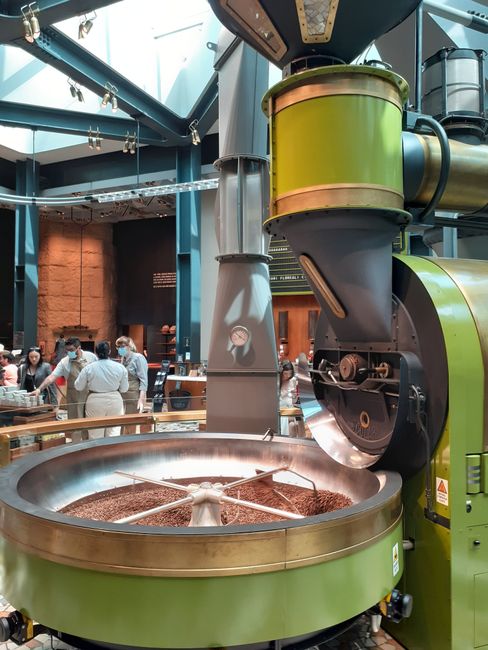
The educational core of the Askinoise Chocolate Factory tour revolves around a detailed walkthrough of the bean-to-bar process. This begins with the origin of the cacao. Askinoise prides itself on its direct trade relationships with cacao farmers, often in remote regions. The tour elucidates how these beans are cultivated, harvested, and meticulously fermented and dried – crucial steps that significantly impact the final flavor profile. Visitors learn about the different varietals of cacao, akin to wine grapes, and how their origins influence the inherent tasting notes. The journey then moves to the factory floor, where the transformation of these raw beans commences. Roasting is the next critical stage, and the tour explains how temperature and time are precisely controlled to unlock the complex aromas and flavors within each bean. This is not a one-size-fits-all approach; different beans require different roasting profiles, a testament to Askinoise’s dedication to showcasing the unique characteristics of each origin.
Following roasting, the beans undergo the winnowing process, where the shells are removed, leaving the nibs – the heart of the cacao. The tour elaborates on this separation, highlighting the importance of achieving clean nibs for optimal grinding. The nibs are then ground, a process that can take anywhere from 12 to 72 hours, depending on the desired texture and flavor development. Askinoise’s dedication to slow grinding is a key differentiator, allowing for a smoother mouthfeel and a more nuanced flavor profile. This extended grinding period is crucial for breaking down the cacao solids and sugar into a paste, known as chocolate liquor. The tour explains the science behind this emulsification and the role of the conche, a machine that further refines the chocolate, smoothing out its texture and developing its flavor through prolonged mixing and aeration. Understanding the subtle differences between grinding and conching is vital for appreciating the final texture and complexity of Askinoise’s chocolate.
The tour doesn’t shy away from the technical aspects, explaining how sugar and other ingredients (like vanilla and lecithin, though Askinoise often aims for minimal ingredients) are incorporated. The tempering process is another crucial step that is thoroughly explained. This involves carefully heating and cooling the chocolate to stabilize the cocoa butter crystals, resulting in a glossy finish, a satisfying snap, and a smooth melt. Visitors learn why improper tempering leads to dull, crumbly chocolate, and how Askinoise’s expertise ensures their bars achieve this desirable quality. The final stage involves molding the tempered chocolate into bars, which are then wrapped and prepared for distribution. Throughout this process, the emphasis is consistently on the artisanal nature of Askinoise’s work, contrasting it with mass-produced confectionery.
Sensory engagement is a cornerstone of the Askinoise Chocolate Factory tour. While the educational aspect is robust, the experience is incomplete without indulging the palate. The tours typically include guided tastings of various Askinoise chocolate bars, allowing participants to actively apply what they’ve learned. Expert guides lead attendees through a systematic tasting, encouraging them to identify aromas, textures, and flavors. This guided tasting goes beyond simply enjoying chocolate; it’s an exercise in mindfulness and palate development. Participants are taught to look for the subtle notes that differentiate single-origin chocolates – hints of fruit, floral undertones, nutty characteristics, or even spicy notes – all derived directly from the cacao bean and the care taken in its processing.
The tasting sessions are often paired with discussions about flavor pairings, encouraging visitors to think about how different ingredients and beverages can complement or contrast with the chocolate’s inherent profile. This interactive element transforms the tasting from a passive experience into an active learning opportunity. Visitors are encouraged to articulate their sensory perceptions, fostering a shared understanding and appreciation of the nuances of fine chocolate. The opportunity to taste the raw cacao nibs, roasted beans, and different stages of the chocolate-making process provides a tangible link between the educational content and the final product, reinforcing the learning in a delicious and memorable way.
Central to the Askinoise ethos, and therefore a significant part of their factory tours, is their unwavering commitment to ethical sourcing and sustainability. The tour provides an in-depth look at Askinoise’s direct trade model. This means they bypass intermediaries and work directly with cacao farmers, ensuring fair prices and fostering long-term relationships. The guides often share stories about the specific farms and communities they partner with, humanizing the supply chain and highlighting the positive impact of Askinoise’s business practices. This transparency is a key differentiator and resonates deeply with consumers who are increasingly concerned about the ethical implications of their purchases.
The tour explains how direct trade not only ensures fair compensation for farmers but also allows Askinoise to have greater control over the quality and sustainability of the cacao they procure. They can work closely with farmers on best practices for cultivation, fermentation, and drying, leading to higher quality beans and more sustainable farming methods. This often includes discussions about organic farming, biodiversity, and the environmental impact of cacao cultivation. Askinoise’s commitment extends beyond the farm gate; the tour may also touch upon their efforts to minimize waste and use sustainable packaging materials. Understanding the ethical framework of Askinoise provides a deeper context for the enjoyment of their chocolate, transforming it from a simple indulgence into a conscious choice.
Practical considerations are essential for anyone planning an Askinoise Chocolate Factory tour. Location is paramount, as Askinoise operates from a specific facility. Researching the exact address and accessibility is the first step. Booking in advance is highly recommended, as tours often have limited capacity and are popular. Checking the Askinoise website for tour schedules, pricing, and availability is crucial. Understanding the duration of the tour will help in planning your day. Wear comfortable shoes, as there will likely be standing and walking involved. Photography policies should be checked beforehand, although most factories are accommodating.
Dietary restrictions or allergies should be communicated to the tour organizers in advance. While chocolate making involves allergens like nuts and dairy (depending on the ingredients used in specific products), Askinoise’s transparent approach often allows them to cater to certain needs if informed. The age appropriateness of the tour should also be considered, as some aspects might be more engaging for adults and older children. The gift shop, often a highlight, offers an opportunity to purchase Askinoise’s exquisite chocolate directly, allowing visitors to take a piece of the experience home with them. The tour is not just an educational excursion; it’s an opportunity to connect with a brand that prioritizes quality, ethics, and the art of chocolate making. The investment in a tour is an investment in understanding and appreciating truly exceptional chocolate, from its humble beginnings in the earth to its exquisite final form.

