
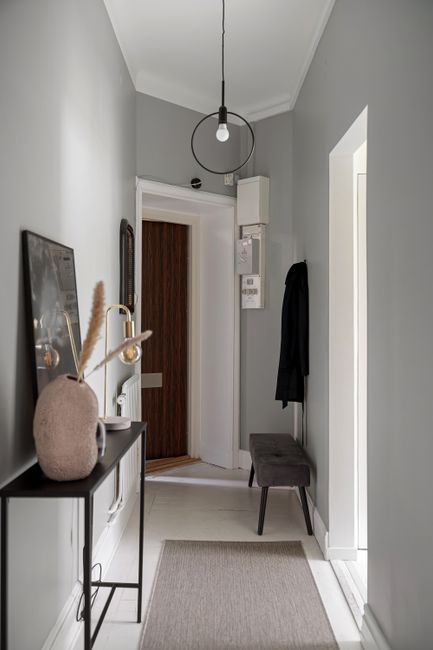
5 Essential Tips for a Stunning Hallway Makeover on a Budget
The hallway is often the unsung hero of home design, the first impression a guest receives and the connective tissue of your living space. Yet, it’s frequently overlooked during renovation projects, relegated to a purely functional pass-through. This neglect can result in a dull, unwelcoming, and cramped environment. Fortunately, transforming your hallway from a neglected thoroughfare into a statement piece doesn’t require a king’s ransom. This comprehensive guide outlines five impactful, SEO-friendly strategies for a hallway makeover that balances aesthetic appeal with practical considerations, all while keeping budget constraints firmly in mind. We will delve deep into each tip, providing actionable advice, product suggestions, and considerations for maximizing impact and longevity, ensuring your hallway not only looks good but functions optimally for years to come. The goal is to create a space that feels intentional, inviting, and reflective of your personal style, even with limited resources.
1. Strategic Lighting: Illuminating Potential and Perception
Lighting is arguably the most transformative element in any interior design project, and for a hallway, its importance is amplified. Hallways often suffer from a lack of natural light and can feel perpetually dim. Strategic lighting can drastically alter the perceived size, mood, and functionality of this critical space. The first step is assessing your existing lighting. Are there bare bulbs? Single, harsh overhead fixtures? Are there dark corners that feel foreboding? The objective is to layer your lighting, creating a welcoming and functional ambiance.
Ambient Lighting: This is the foundational light source. If you have a single overhead fixture, consider upgrading it to something more decorative and a better diffuser. Think about flush mounts, semi-flush mounts, or even a small chandelier if your ceiling height allows. For longer hallways, you might need multiple ambient light sources. LED bulbs are a must-have for energy efficiency and longevity, offering various color temperatures to suit your desired mood. A warmer white (2700K-3000K) creates a cozy and inviting atmosphere, while cooler tones (4000K and above) can make a space feel brighter and more modern, but can also feel sterile in an entryway.
Task Lighting: This is crucial for practicalities. If your hallway features a console table for dropping keys or mail, consider adding a small table lamp. This not only provides functional light but also adds a decorative element. Wall sconces are another excellent option for task lighting and can also serve as decorative accents. They draw the eye upwards, making the ceiling appear higher, and can illuminate specific areas without taking up floor or surface space. Place them strategically to guide guests and highlight artwork or architectural features.
Accent Lighting: This is where you can get creative and add personality. Accent lighting is used to highlight specific features, such as artwork, plants, or textured walls. Small, adjustable spotlights can be aimed precisely. Consider installing puck lights under shelves or in display niches to create a dramatic effect. Even subtle under-cabinet lighting on a console table can add a touch of sophistication.
Natural Light Maximization: While not strictly artificial lighting, maximizing natural light is a key component. If your hallway has windows, ensure they are clean and unobstructed. Lightweight, sheer curtains can diffuse sunlight beautifully, preventing harsh glare while allowing light to filter in. Mirrors are your best friend here. Placing a large mirror opposite a window or at the end of a hallway can reflect light and visually expand the space, making it feel brighter and more open. Consider the placement carefully to ensure the reflection enhances the space rather than creating visual clutter.
Dimmer Switches: Installing dimmer switches on all your hallway lights is a game-changer. This allows you to control the intensity of the light, adapting it to different times of day and moods. A bright, welcoming glow during the day can be softened to a more intimate and ambient light in the evening. This also offers an opportunity to save energy by reducing brightness when full illumination isn’t required.
SEO Integration: When searching for lighting solutions, consumers will use terms like "hallway lighting ideas," "entryway lighting fixtures," "modern hallway lights," "budget-friendly lighting," "how to brighten a dark hallway," and "best LED bulbs for hallways." By incorporating these keywords naturally into descriptions of your lighting choices, you increase the visibility of your makeover tips.
2. The Power of Paint and Wallpaper: Color, Pattern, and Illusion
The walls of your hallway are a blank canvas, offering immense potential for transformation with minimal investment. Paint and wallpaper are powerful tools for setting the tone, defining your style, and even manipulating the perception of space.
Color Psychology and Hallway Perception: The color you choose for your hallway walls has a significant impact on how the space feels. Lighter colors, such as soft whites, pale grays, muted blues, and subtle greens, can make a narrow or dark hallway feel larger and more inviting. They reflect light and create an airy atmosphere. For a more dramatic effect, consider a bold accent wall at the far end of the hallway. This can draw the eye, create a focal point, and make the hallway appear shorter and more intimate, which can be desirable in a long, straight corridor. Darker colors, when used strategically, can create a sophisticated and dramatic feel, but should be used cautiously in smaller or darker hallways, as they can make the space feel smaller and more enclosed.
Paint Techniques for Impact: Beyond a simple coat of paint, consider decorative techniques. A high-gloss finish on a lighter color can reflect light and add a subtle sheen, making the space feel brighter. A matte finish can offer a more sophisticated and contemporary look. Consider a two-toned approach, painting the lower half of the wall in a darker color and the upper half in a lighter shade, creating a sense of depth and grounding the space. This can also help to hide scuff marks at a lower level. Faux finishes, such as Venetian plaster or limewash, can add texture and depth, creating a more artisanal and custom feel without the cost of professional application.
Wallpaper for Personality and Pattern: Wallpaper is a fantastic way to introduce pattern, texture, and personality into a hallway. It can add warmth, visual interest, and a touch of luxury. For narrow hallways, consider vertical stripes to create the illusion of height. For wider hallways, geometric patterns or bold floral designs can add a contemporary or traditional flair. Don’t shy away from textured wallpapers like grasscloth or linen for an added tactile dimension. If a full wallpaper application feels too overwhelming or expensive, consider using wallpaper as an accent. This could be on a single accent wall, on the inside of built-in shelving, or even as a border. Peel-and-stick wallpaper has become increasingly accessible and user-friendly, making it a great option for DIYers and for those who want to experiment with patterns without a permanent commitment.
The Illusion of Width and Length: In narrow hallways, opt for lighter colors and avoid busy, large-scale patterns that can make the space feel even more constricted. Horizontal stripes, used sparingly, can create a sense of width. In long hallways, consider breaking up the visual monotony with contrasting paint colors or wallpaper patterns on alternate sections of the wall, or a striking accent at the end. This can make the hallway feel more like a series of connected spaces rather than an endless tunnel.
Maintenance and Durability: When selecting paint or wallpaper for a hallway, consider its durability. Hallways are high-traffic areas, so opt for washable paints or durable wallpapers that can withstand frequent cleaning and potential scuffs. Eggshell or satin finishes on paint are generally more durable and easier to clean than matte finishes.
SEO Integration: Relevant search terms include "hallway paint colors," "best wallpaper for hallways," "how to make a narrow hallway look wider," "accent wall ideas hallway," "budget hallway makeover," "DIY wallpaper ideas," and "hallway design tips."
3. Flooring Fundamentals: Impactful and Durable Surfaces
The flooring in your hallway is not only a critical functional element but also a significant design feature. It bears the brunt of foot traffic, dirt, and moisture, making durability a paramount concern. However, this doesn’t mean you have to compromise on style.
Prioritizing Durability and Low Maintenance: Given the high-traffic nature of hallways, selecting a flooring material that is both durable and easy to clean is essential. Materials like luxury vinyl plank (LVP), laminate, and tile are excellent choices for their resilience and resistance to wear and tear. These options also come in a vast array of styles, mimicking the look of hardwood, stone, or even concrete, offering a budget-friendly alternative to natural materials.
Creating the Illusion of Space with Flooring: The direction and pattern of your flooring can significantly impact the perceived size of your hallway. Laying planks or tiles lengthwise down a narrow hallway can create a sense of length and draw the eye forward. Conversely, laying them widthwise can make a long, narrow hallway feel more balanced. Consider large-format tiles for a modern, minimalist look that can make a space feel more expansive. For a more traditional feel, a classic herringbone or chevron pattern can add visual interest and a touch of elegance, though these patterns can sometimes be more challenging for DIY installation.
Carpet vs. Hardwood: Weighing the Pros and Cons: While hardwood offers timeless elegance, it can be prone to scratches and dents in high-traffic areas like hallways. If you opt for hardwood, consider a more durable species or a matte finish that is more forgiving of wear. For those seeking the warmth and comfort of carpet, opt for a low-pile, high-density carpet specifically designed for high-traffic areas. Runners are an excellent way to add comfort, color, and pattern to a hallway without the expense of carpeting the entire space. They also protect the underlying floor from wear and tear.
Runner Rugs: Style and Protection: A well-chosen runner rug can instantly elevate your hallway. It adds color, pattern, and texture, defining the space and making it feel more welcoming. Runners also provide a crucial layer of protection for your flooring, especially in high-traffic areas. When selecting a runner, consider its length and width in relation to your hallway. Ensure it’s long enough to cover the majority of the walkway but leaves a comfortable border of floor visible on the sides. For very long hallways, multiple runners can be used to create a cohesive look.
Material Considerations and Budget:
- Luxury Vinyl Plank (LVP): Extremely durable, water-resistant, and comes in a wide range of realistic wood and stone looks. Relatively easy to install for DIYers.
- Laminate Flooring: A more affordable option that mimics hardwood. Durability varies by wear layer. Can be sensitive to moisture.
- Tile (Ceramic/Porcelain): Highly durable, water-resistant, and easy to clean. Offers a wide variety of styles and finishes. Installation can be more involved.
- Carpet Tiles: Offer flexibility and can be replaced individually if damaged. Good for sound absorption.
- Natural Materials (Stone/Wood): Offer timeless beauty but come with a higher price tag and require more maintenance.
SEO Integration: Useful search terms include "hallway flooring ideas," "durable hallway flooring," "best runner rugs for hallways," "how to install laminate flooring hallway," "budget flooring options hallway," "waterproof hallway flooring," and "making a hallway floor look wider."
4. Maximizing Vertical Space and Storage Solutions
Hallways, particularly narrow ones, often feel cramped due to a lack of consideration for vertical space and inadequate storage. By strategically utilizing the walls and incorporating smart storage solutions, you can transform a utilitarian passageway into a more organized, functional, and visually appealing area.
The Importance of Verticality: Think upwards! The walls are prime real estate for both decorative elements and functional storage. Instead of letting them remain bare, consider installing shelving, cabinetry, or decorative wall panels. This draws the eye upwards, creating a sense of height and making the hallway feel more expansive.
Floating Shelves: Sleek and Versatile: Floating shelves are an excellent choice for hallways. They offer a minimalist aesthetic, appearing to float on the wall, which keeps the space feeling open and uncluttered. These shelves can be used to display decorative items like plants, framed photos, or small sculptures, adding personality to the space. They can also be used for practical storage, holding keys, mail, or small decorative baskets for organization. Install them at varying heights for visual interest and to accommodate different-sized items.
Wall-Mounted Cabinets and Consoles: For more substantial storage needs, consider wall-mounted cabinets or narrow console tables. These can provide hidden storage for items you want to keep out of sight, such as shoes, umbrellas, or cleaning supplies. Opt for shallow units to avoid encroaching on the walkway. A slim console table can also serve as a landing spot for keys and mail, and a decorative display area.
Built-in Niches and Alcoves: If your hallway has any existing architectural features like alcoves or deep corners, transform them into functional and attractive storage or display areas. Built-in shelves within these niches can be painted to match the walls or a contrasting color to create a focal point. Backlighting these niches can add a touch of drama and sophistication.
Hooks and Wall Organizers: Functional Simplicity: Don’t underestimate the power of simple hooks. A well-placed set of stylish hooks near the entrance of your home can be invaluable for hanging coats, bags, and hats, keeping them off the floor and out of the way. Consider decorative hooks that double as wall art. For additional organization, invest in wall-mounted organizers for mail, keys, and other small essentials.
Mirrors as Space Enhancers and Storage: As mentioned in the lighting section, mirrors are invaluable for reflecting light and creating the illusion of space. However, they can also be integrated with storage. Consider a mirror with a built-in shelf or a mirrored cabinet for discreet storage. This dual functionality is ideal for hallways where space is at a premium.
The "Clutter Audit" and Smart Decluttering: Before implementing any storage solutions, conduct a thorough "clutter audit." What items are currently accumulating in your hallway? Are they truly necessary? Often, a good decluttering session will reveal that you need less storage than you initially thought. Implement a "one in, one out" policy to maintain order.
SEO Integration: Relevant keywords include "hallway storage ideas," "how to organize a narrow hallway," "floating shelves hallway," "wall mounted console table hallway," "vertical storage solutions hallway," "hallway entryway organization," and "decluttering hallway tips."
5. Decorative Accents: The Finishing Touches That Define Style
Once the foundational elements of lighting, paint, flooring, and storage are in place, it’s time to inject personality and define your style through decorative accents. These are the elements that truly bring your hallway makeover to life and create a memorable impression.
Artwork and Wall Décor: Creating a Focal Point: The walls of your hallway are a perfect canvas for art. Instead of random pieces, curate a cohesive collection. Consider a gallery wall featuring framed photos, prints, or even interesting textiles. A single, large statement piece can also be highly impactful, drawing the eye and becoming a conversation starter. For a more budget-friendly option, consider creating your own art, printing high-resolution images, or using stencils to add decorative patterns.
Plants: Bringing Life and Color: Plants are an instant mood booster and add a touch of natural beauty to any space. In a hallway, they can soften hard edges, add a pop of color, and improve air quality. Choose low-maintenance plants that thrive in lower light conditions, such as snake plants, ZZ plants, or pothos. Consider hanging plants in macrame holders to save floor space.
Rugs and Runners (Revisited for Style): Beyond their functional benefits, rugs and runners are powerful decorative tools. They add color, pattern, texture, and warmth, defining the space and guiding the eye. Experiment with different patterns and colors to complement your wall décor and overall style. A bold geometric runner can inject modern energy, while a vintage Persian rug can add timeless elegance.
Mirrors (Beyond Functionality): While mirrors are crucial for light and space, their decorative potential is immense. Choose mirrors with interesting frames – ornate, minimalist, geometric – to add a sculptural element to your hallway. Grouping smaller mirrors together can create a unique visual effect.
Accent Furniture: Statement Pieces: If your hallway has the space, consider adding a small accent piece of furniture that makes a statement. This could be a vintage bench, a decorative stool, or a slim, antique side table. Ensure it doesn’t obstruct the flow of traffic and complements the overall aesthetic.
Door Hardware and Trim: Don’t overlook the details. Upgrading your door hardware to something more stylish can make a surprisingly big impact. Similarly, consider painting or updating your baseboards and door frames. A fresh coat of paint in a contrasting color or a sophisticated matte black can elevate the overall look of your hallway.
Personal Touches and Storytelling: Your hallway is an extension of your home and your personality. Incorporate personal touches that tell a story – family heirlooms, travel souvenirs, or handmade items. These elements add warmth and individuality, making your hallway feel truly yours.
SEO Integration: Keywords to consider include "hallway décor ideas," "hallway accent furniture," "gallery wall hallway," "how to style a hallway," "decorative mirrors hallway," "plants for dark hallways," "hallway rug ideas," and "budget hallway décor."
By implementing these five comprehensive strategies, you can embark on a hallway makeover that is both impactful and budget-friendly. Each tip is designed to address common hallway challenges while offering creative solutions that enhance both the aesthetics and functionality of this vital transitional space, ultimately creating a more welcoming and stylish home.

