In the dense forests of Maine, Drew Maciel, a professional shed hunter accustomed to finding the naturally discarded antlers of elk and deer, has spent much of the current season documenting a grimmer discovery. In a video shared with his Instagram followers this past April, Maciel panned his camera over the prone carcass of a bull moose. The footage revealed a harrowing sight: thousands of winter ticks, clustered in thick, pulsating mats, nestled into every crevice of the animal’s hide. "Tell you what," Maciel told his audience, "I’m sick of finding dead moose."
Maciel’s experience is not an isolated anomaly but part of an ecological crisis that has gripped the state of Maine. Wildlife biologists and state scientists have reported that in recent years, up to 90 percent of tracked moose calves have died before reaching adulthood, literally bled to death by parasitic infestations. While the scientific community identifies this phenomenon as a direct consequence of a warming climate—Maine’s average temperatures have risen by 3 degrees Fahrenheit since 1985—a parallel narrative is taking hold in the digital sphere. Where ecologists see the mechanics of climate change, a growing number of social media users and political figures see the footprints of a global conspiracy.
The Rise of the Tick Conspiracy Narrative
The digital discourse surrounding the tick surge has moved rapidly from niche forums to mainstream social media platforms, garnering millions of views and shaping public perception. Following Maciel’s video, the comments section became a breeding ground for unsubstantiated claims. Dries Van Langenhove, a far-right former member of the Belgian government recently convicted of violating Holocaust denial laws, suggested the moose deaths were the result of "human engineered biological warfare." His comment alone received over 32,000 likes. Others pointed the finger at billionaire philanthropist Bill Gates, a frequent target of modern conspiracy theories.
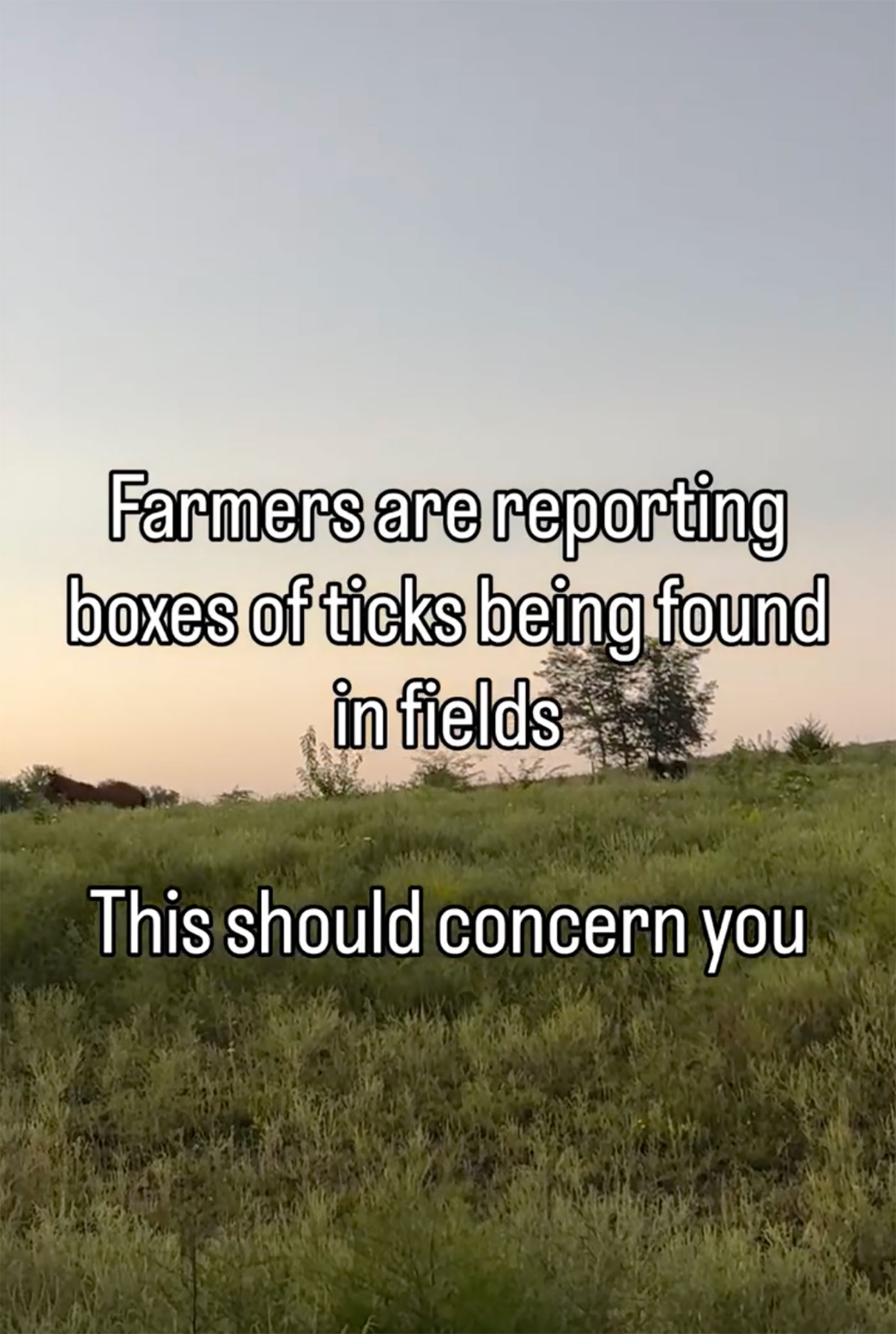
In April, the narrative shifted from wildlife to agriculture when a self-proclaimed holistic doctor posted a video claiming that farmers across the American Midwest were discovering boxes of live ticks dumped on their property. The video, which suggested a coordinated effort to spread parasites, amassed over 10 million views across Facebook, Instagram, and TikTok. The claims were further amplified by the MAHA (Make America Healthy Again) Moms Coalition, a group aligned with the broader "Make America Healthy Again" agenda, which called for affected farmers to come forward as whistleblowers.
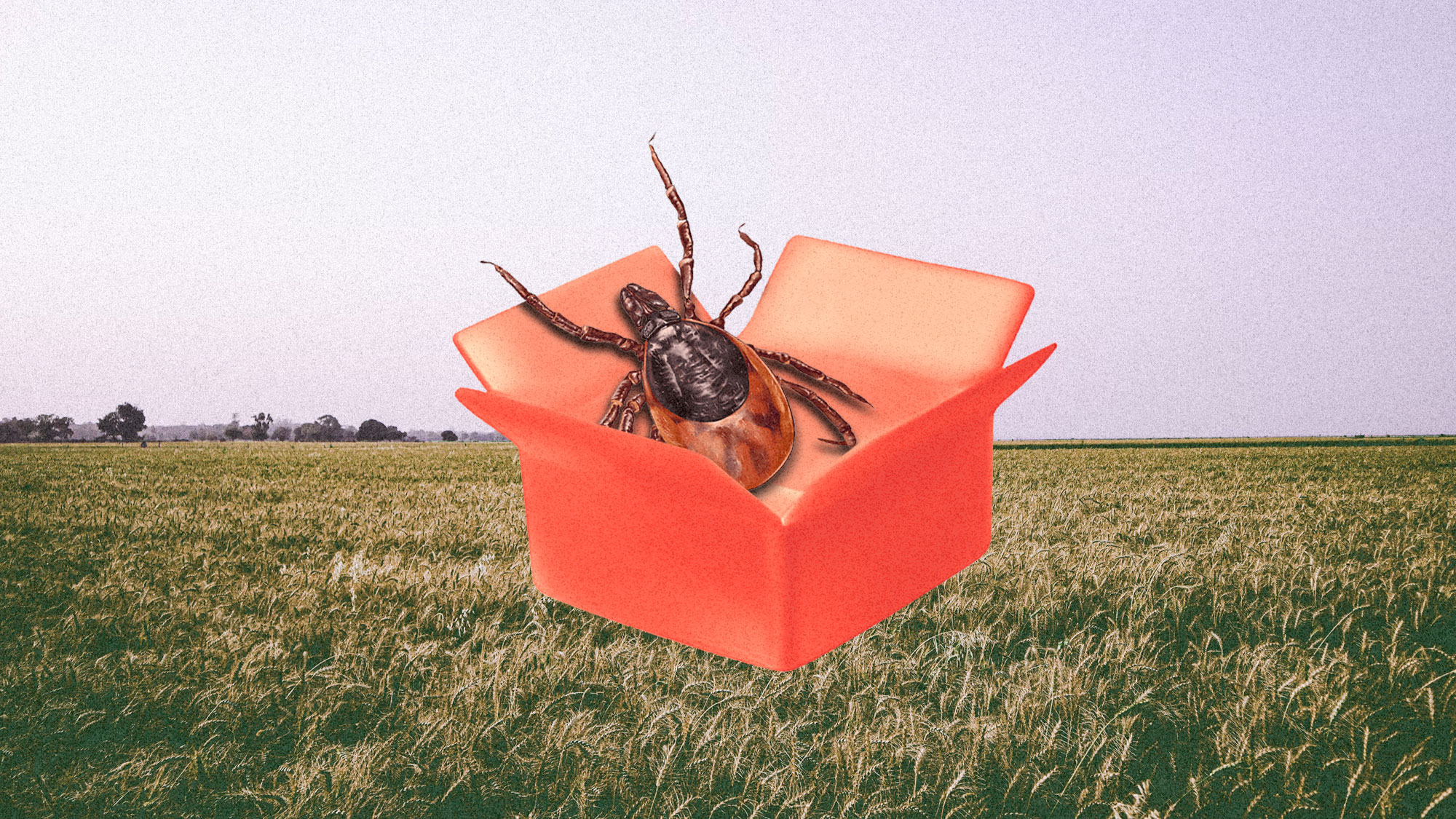
These theories often lack internal consistency, conflating different species and motives. One prominent theory suggests that pharmaceutical giants Pfizer and Valneva, currently developing a vaccine for Lyme disease, are planting ticks to manufacture demand for their product. Another seeks to link a British research program, partially funded by the Bill and Melinda Gates Foundation, to the rise of Alpha-gal syndrome—a red meat allergy caused by the Lone Star tick. However, the British research program focused on genetically modifying cattle ticks (Rhipicephalus microplus), a species entirely distinct from the Lone Star tick (Amblyomma americanum) found in the United States.
Chronology of an Ecological Shift
The scientific reality of the tick surge is rooted in a decades-long timeline of environmental change. To understand the current crisis, one must look at the progression of temperatures and the subsequent expansion of tick habitats over the last forty years.
- 1985–Present: Maine’s average temperature increases by 3 degrees Fahrenheit. This warming trend has shortened the duration of "killing frosts" and snow cover, which historically kept tick populations in check.
- 2000–2017: Reported cases of anaplasmosis, a debilitating disease carried by black-legged ticks that requires hospitalization in approximately 30 percent of cases, increase 16-fold in the United States.
- 2013–Present: Positive tests for Alpha-gal syndrome, the tick-linked meat allergy, increase 100-fold. Current estimates suggest nearly 450,000 Americans now suffer from the condition.
- 2015–Present: Cases of babesiosis, a malaria-like parasitic infection, begin rising by approximately 10 percent year-over-year.
- 2024–2025: The Centers for Disease Control and Prevention (CDC) issues alerts regarding an unusually early start to the tick season. Emergency room visits for tick bites reach record highs across four out of five tracked geographic regions.
The Mechanisms of Climate-Driven Expansion
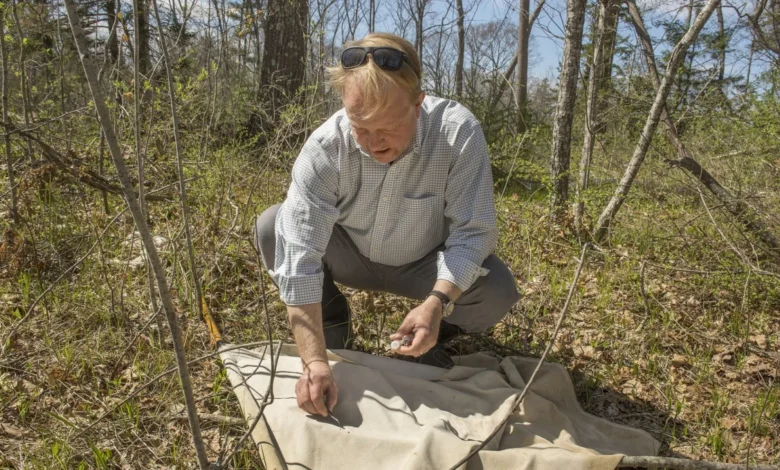
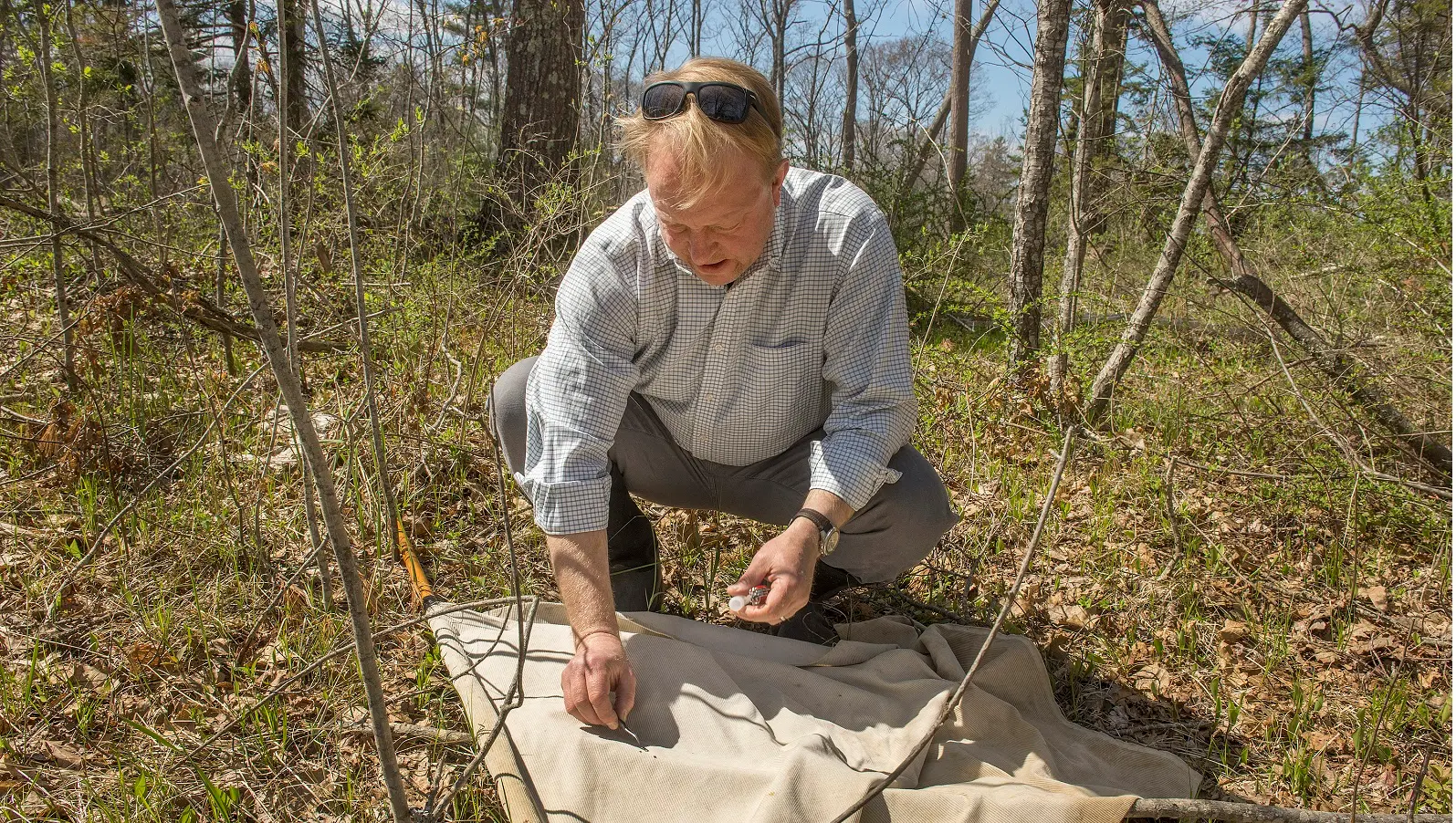
Ecologists such as Richard Ostfeld of the Cary Institute of Ecosystem Studies emphasize that the "tick explosion" is a predictable outcome of anthropogenic climate change. Warmer winters allow adult ticks to survive in the leaf litter, insulated by even thin layers of snow that no longer reach the depths required to freeze them out. Furthermore, an earlier spring bloom brings these parasites out of dormancy weeks ahead of schedule.
"It used to be we were pretty safe in the month of May," Ostfeld noted. "Now, not so much."
The expansion is not merely a matter of timing but of geography. Ticks are migrating northward into territories that were once too hostile for their survival. As they move, they encounter new host populations—such as the Maine moose—that have not evolved the grooming behaviors necessary to manage massive parasitic loads. In the case of the "ghost moose," a term used for moose that have rubbed off their dark fur in an attempt to alleviate the itching of 50,000 to 100,000 ticks, the result is often hypothermia or fatal anemia.
Political Legitimatization and Federal Investigation
The transition of tick conspiracies from social media fodder to federal policy marks a significant shift in the American political landscape. Robert F. Kennedy Jr., currently serving as the Secretary of Health and Human Services, has frequently suggested that Lyme disease may have originated as a military bioweapon or a byproduct of vaccine research. These claims persist despite genomic evidence published in journals like Nature, which proves the bacteria causing Lyme disease has existed in North America for at least 60,000 years, long predating modern laboratory science.
The influence of these theories reached a pinnacle with the National Defense Authorization Act for Fiscal Year 2026. Signed into law by President Donald Trump, the act includes a provision championed by Representative Chris Smith (R-NJ) that mandates the Government Accountability Office (GAO) to investigate whether the U.S. military weaponized ticks during the mid-20th century.
"GAO will be fully empowered to leave no stone unturned," Smith stated during a Lyme disease roundtable. "They were weaponizing ticks."
While historical records do show that various nations explored biological agents during the Cold War, there is no scientific evidence linking those programs to the current ecological surge or the specific genetic strains of tick-borne pathogens currently affecting the public.
Broader Implications and Public Health Risks
The danger of these conspiracy theories, according to public health experts, is twofold. First, they distract from the urgent need for climate mitigation and adaptation strategies. If the public believes the tick surge is a controlled plot by a "global cabal," there is less pressure on policymakers to address the underlying environmental drivers.
Second, the proliferation of misinformation creates a barrier to effective medical treatment. Richard Ostfeld expresses concern that the complexity of ecological systems is being overshadowed by the simplicity of "villain-based" narratives. "The more I read about people actually believing some of these conspiracy theories, the more I worry that even moderately complex explanations… might be too much," he said.
Furthermore, the "boxes of ticks" narrative has proven difficult to verify on the ground. Farmers in the very regions where these incidents were allegedly occurring have reported no such findings. Terry Hoerbert, owner of Little Brown Cow Dairy in Illinois, noted that her farm has seen no suspicious activity. "You are the first to enlighten us," she said when asked about the viral claims of dumped tick boxes.
As tick-borne illnesses continue to rise—with many ticks now carrying multiple pathogens simultaneously—the focus of health officials remains on education and prevention. The CDC continues to advocate for the use of EPA-registered repellents, wearing long clothing in wooded areas, and performing thorough tick checks. However, as the digital and political battles over the origin of these parasites intensify, the task of protecting the public becomes increasingly entangled with the challenge of combating a rising tide of scientific skepticism.